
Regional
Iran says new sanctions threatened by ‘desperate’ US will fail
While Iran remains defiant, President Masoud Pezeshkian has also called for a diplomatic solution.

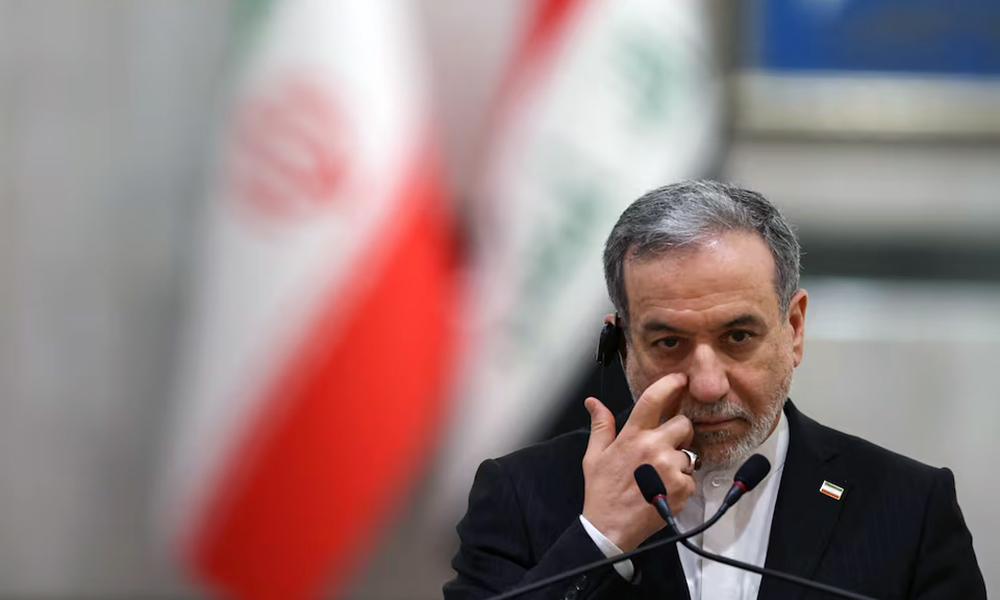
Iran’s foreign minister dismissed the threat of new US sanctions as a sign of desperation on Sunday and said the expected new measures would fail to defeat Tehran, Reuters reported.
US Treasury Secretary Scott Bessent, who is due to hold a press conference at 2 p.m. EDT (1800 GMT) on Monday, has threatened to impose “the toughest sanctions in history” on Iran.
Iran’s economy is already under huge pressure from international sanctions, its infrastructure has been hit repeatedly and thousands of people have been killed in airstrikes on the Islamic Republic since the U.S. and Israel launched attacks on February 28.
But Tehran remains defiant after nearly six months of war and has brought shipping to a virtual standstill in the Strait of Hormuz, refusing to allow unauthorized oil tankers to transit a waterway that is vital for global oil shipments. The effective blockade of the strait has pushed up global oil prices.
Describing what he said were “repetitive scenarios”, Iranian Foreign Minister Abbas Araqchi said in a video posted on Telegram: “The fact that they (US leaders) have moved on from military operations … to bring up the same old plans shows that they are desperate.”
He said Washington must speak to Iran respectfully to find “a solution based on justice and honour.”
“We have never been afraid. All of their actions – whether blockades or other military moves they have made – have failed, and this new issue of theirs will fail as well,” he said.
US President Donald Trump has warned of economic consequences against any country that provides “any type of lifeline to Iran” and Bessent has urged cooperation with Washington by China, which buys more than 80% of Iran’s shipped oil, according to 2025 data from analytics firm Kpler. China has urged diplomacy.
Iran said Pakistan’s army chief, Asim Munir, would visit Tehran on Monday as part of efforts to restore peace and security in the region, but gave few details.
Pakistan has been mediating in the conflict and a Pakistani government source said Munir would touch on recent developments including the U.S. threat of new sanctions.
Trump said on Friday that Washington was observing “what happens” in the conflict, read the report.
“They would love to make a deal, but they’re not ready to make the right deal, in my opinion,” Trump said of Iran.
US attacks have severely diminished Iran’s economy and devastated its navy and air force, but Tehran maintains enough missile and drone capability to impede oil tanker traffic and attack regional rivals.
Iranian Parliament speaker Mohammad Baqer Qalibaf said on Saturday that Tehran had received “numerous messages” from neighbouring countries about establishing new regional security arrangements and economic cooperation.
Qalibaf did not say which countries he was referring to. He accused the US of endangering the security of its allies in the region for the sake of Israel, adding that an independent, “homegrown” regional order would deliver peace and security.
Trump has yet to achieve objectives he set at the start of the war such as dismantling Iran’s nuclear programme — the state of which remains uncertain given that U.N. inspectors have been shut out since 2025 — and creating conditions for Iranians to overthrow their clerical rulers.
While Iran remains defiant, President Masoud Pezeshkian has also called for a diplomatic solution.
“It would be better to end the war today, when we are powerful and have dignity, and the whole world acknowledges our victory and emphasizes that America, contrary to all regulations, attacked our schools, hospitals, and infrastructure and is hated in the world,” the ISNA news agency quoted him as saying on Friday.




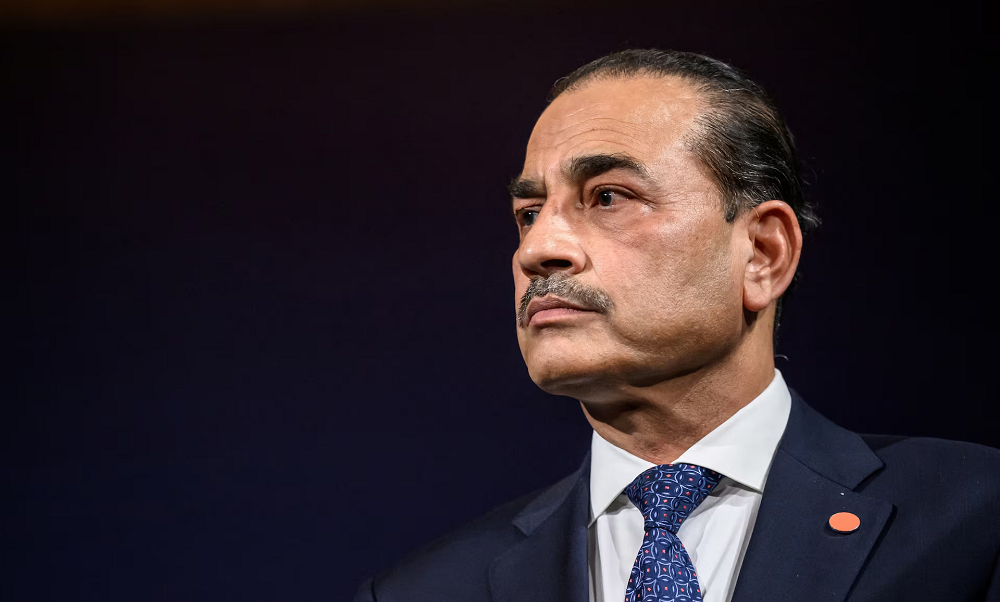
Pakistan’s army chief Asim Munir will visit Tehran on Monday to continue efforts to bring peace and security to the region, Iran’s foreign ministry spokesperson Esmaeil Baghaei said on Sunday, according to a statement by the ministry.
Pakistan has taken on a mediator role in negotiations between Iran and the U.S. aimed at ending the war which began with U.S. and Israeli strikes on Iran in February.
Two Pakistani government sources confirmed Munir’s visit to Reuters. The first source said that Iran and Pakistan were in direct contact.
A second source said the talks would also address recent developments in the conflict, including U.S. President Donald Trump’s threat of tougher sanctions on Iran.
“He (Munir) will discuss peace under Islamabad’s MoU, Trump’s warning and the situation after the Pakistan-Turkey-Saudi Arab Agreement and Houthi issues with Iranian leaders,” the source said.
The visit comes amid heightened tensions as Iran threatens a military response to U.S. plans for sanctions that could further put a strain on the Islamic Republic’s ailing economy.
It will coincide with a Monday announcement on details related to the planned sanctions which U.S. officials have said would be “the toughest sanctions in history” on Iran.
Trump had warned of economic consequences against any country that provided “any type of lifeline to Iran” as he seeks to isolate the Islamic Republic.
Oil shipments are at a virtual standstill in the Strait of Hormuz, with Tehran threatening to strike any unauthorized oil tankers that try to transit the vital waterway, and Iran’s economy is already under immense pressure from sanctions.
Regional
Iran grants permission for a number of Iraqi oil tankers to pass through Hormuz
Iraq produced around 4 million barrels of oil per day before the outbreak of the Iran war.
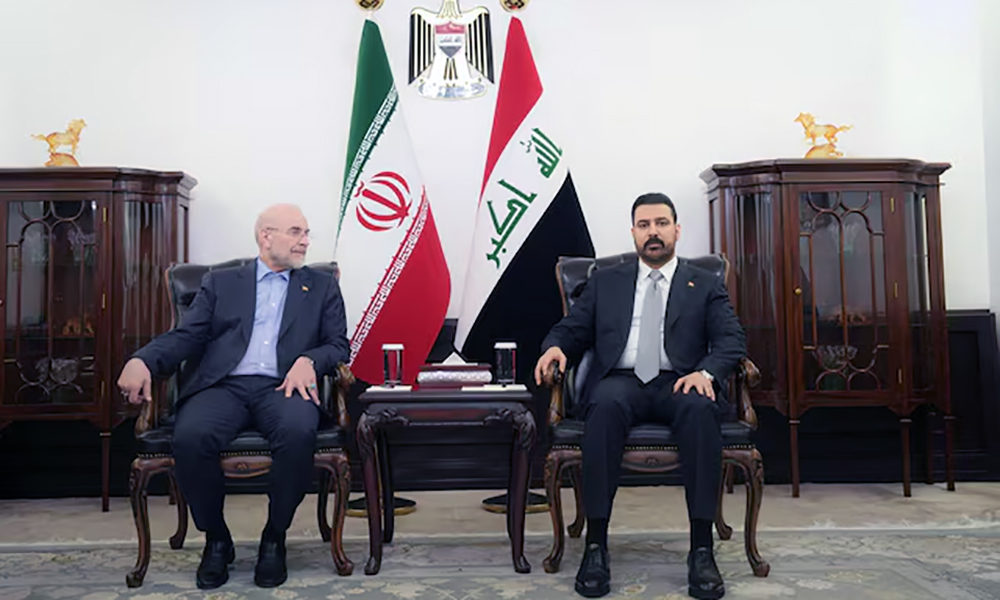
Iran has granted permission for a number of Iraqi oil tankers to pass through the Strait of Hormuz following repeated requests from Baghdad through various channels, Iran’s state news agency IRNA reported on Saturday.
IRNA said obtaining special permission for Iraqi tankers was one of Baghdad’s main requests during Iranian parliament speaker Mohammad Baqer Qalibaf’s visit to Iraq.
Iraqi President Nizar Amedi said on Saturday that Iran had facilitated the passage of vessels carrying Iraqi oil through the Strait in recent days and Baghdad had discussed the export of Iraqi oil through Hormuz with Iranian officials.
The issue remained complicated, he added, speaking at the Baghdad Dialogue policy conference.
Iraq has been among the countries most affected by Iran’s effective closure of the Strait of Hormuz. Traffic in the strait remains significantly below pre-war levels and ships continue to face attacks in the area.
Iraq produced around 4 million barrels of oil per day before the outbreak of the Iran war.
Baghdad is working to expand its exports through Turkey’s Ceyhan port and also to begin exporting oil through Syria’s Baniyas port and Jordan’s Aqaba port, Prime Minister Ali al-Zaidi said on Friday.
Regional
US says it will impose ‘toughest sanctions in history’ on Iran
Iran has weathered near-continuous, punishing economic sanctions for nearly 50 years, since the Islamic Revolution of 1979.
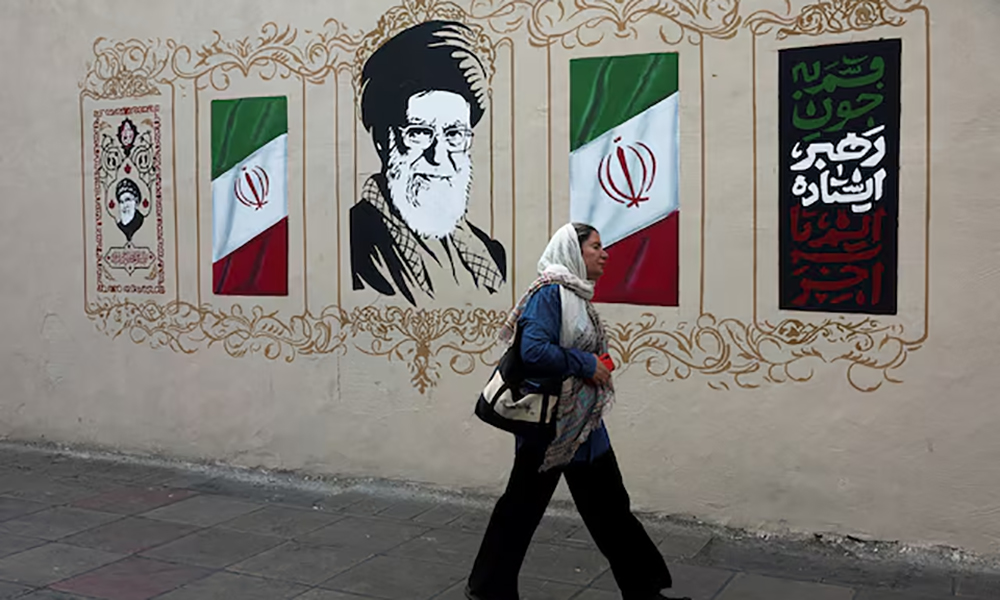
U.S. Treasury chief Scott Bessent said the United States will impose “the toughest sanctions in history” on Iran, a move he suggested would lessen the need for new major military operations, Reuters reported.
Bessent’s comments on Thursday followed President Donald Trump’s threat a day earlier of “Economic Warfare” and warning of economic consequences against any country that provided “any type of lifeline to Iran.” Bessent promised details next week.
Oil prices rose to more than a three-week high on Thursday following those U.S. threats of financial penalties aimed at forcing an end to a nearly six-month-old war that has stranded millions of barrels of Middle Eastern oil.
“I’m not sure why oil has popped up on this,” Bessent told CNBC. “If we are doing the maximum economic pressure, then that means that likely there will not be a large-scale kinetic restart,” he said, using a term referring to military force.
Thousands have been killed in the conflict, which drew in Gulf nations and shocked markets as Iran flexed its ability to curb shipping through the Strait of Hormuz — a waterway that carried about a fifth of all traded oil before February.
The U.S. and Iran have twice announced ceasefire deals, in April and June, aiming to restore the free flow of shipping through Hormuz on a path towards ending the conflict, but both quickly crumbled, read the report.
Iran has weathered near-continuous, punishing economic sanctions for nearly 50 years, since the Islamic Revolution of 1979.
Before Bessent spoke, Iran’s foreign ministry said it condemned U.S. economic and trade sanctions, calling them “economic terrorism” that would not “create even the slightest hesitation in Iranians’ determination to safeguard Iran’s independence, dignity and national sovereignty.”
Bessent told CNBC he would share more details on the latest package and “talk about exactly what we’re going to do” on Iran at a press conference on Monday.
“It is a one-two punch. We have the blockade (on Iran), and we are going to have the toughest sanctions in history,” he added, referring to a U.S. naval blockade imposed on Iran in April and paused for a month in mid-June.
“It is going to work in Iran and we are going to collapse this regime. It is time for our allies and the rest of the world to make a decision,” he said.
China buys more than 80% of Iran’s shipped oil, according to 2025 data from analytics firm Kpler, but engaging in further economic warfare with China, a major exporter to the U.S. including vital rare-earth minerals, risks retaliation against Washington.
When asked if the United States could target China for doing business with Iran, Bessent said many conversations were best to have in private.
“Keep in mind that the Chinese get 50% (of their) energy… from the Gulf. So it would do them a big service to get with the program,” he said.
China’s embassy in Washington said “sanctions and pressure do not help resolve the problem.”
“China calls on the relevant parties to take responsible actions and resolve the issue through political and diplomatic means,” according to an embassy spokesperson.
In a social media message on Wednesday, Trump promised “Economic Warfare and Isolation on an unprecedented scale.” He did not say what specific steps the U.S. would take or name any country, though the warning would appear to extend to U.S. allies that have helped mediate peace talks.
“ANY country that allows its financial institutions, businesses, airports, or government entities to provide any type of lifeline to Iran will itself face TREMENDOUS Economic Consequences,” Trump wrote.
Trump, however, is under pressure at home to end the unpopular war, with high fuel prices dragging down his approval ratings and potentially threatening his party’s control of Congress in midterm elections in November, Reuters reported.
Iranian Foreign Minister Abbas Araqchi called Trump’s comments an attempt to divert American public opinion from domestic financial problems, including record debt and rising interest rates.
He said Washington’s insistence on policies he described as failed would bring further failures and alienate Iranians.
Trump’s social media threats and announcements are not always implemented as written.


Former US ambassador says Washington could eventually reopen embassy in Kabul

Afghanistan’s polio cases rise to 19 in 2026, WHO says

Afghanistan’s trade diversification challenges Pakistan

Norway to give over $9 billion to Ukraine in 2027

Iran says new sanctions threatened by ‘desperate’ US will fail

Pakistan’s governance system has ‘collapsed’: Mohsin Naqvi

Afghanistan exports first stone shipment to US in $100,000 trade milestone

AFC confirms clubs for 2026/27 competitions; draw set for August 18

Only two days to go before Afghanistan and Ireland begin ODI series

Iran seeks to establish free trade zone with Afghanistan and China

Tahawol: IEA seeking Afghanistan seat at UN

Saar: U.S. sanctions against Iran

Saar: Ongoing return of Afghan refugees from Iran and Pakistan discussed

Tahawol: Expansion of IEA’s diplomatic ties with countries discussed

Saar: Ongoing tensions between Iran and US discussed
-
 Latest News2 days ago
Syria and Saudi Arabia condemn Kabul bombing, express solidarity with Afghanistan
-
 Latest News23 hours ago
Four mediators struggle to secure lasting Pakistan-Afghanistan ceasefire
-

 Latest News2 days ago
US judge strikes down Trump visa suspension for 75 countries, including Afghanistan
-
 Regional5 days ago
Turkey slams Israel’s ‘untenable’ claims after strikes on Syrian base
-
 Latest News3 days ago
Qatar and UAE condemn Kabul school bombing that injured dozens
-
 Latest News2 days ago
Achakzai urges Pakistan to end hostility towards Afghanistan
-
 Science & Technology4 days ago
Ministry of Communications signs contract with AWCC to build 31 telecom towers
-
 Latest News4 days ago
Pakistan needs national dialogue on Afghan policy: security expert