
Iran hits back at Khalilzad, reaffirms its support for intra-Afghan talks

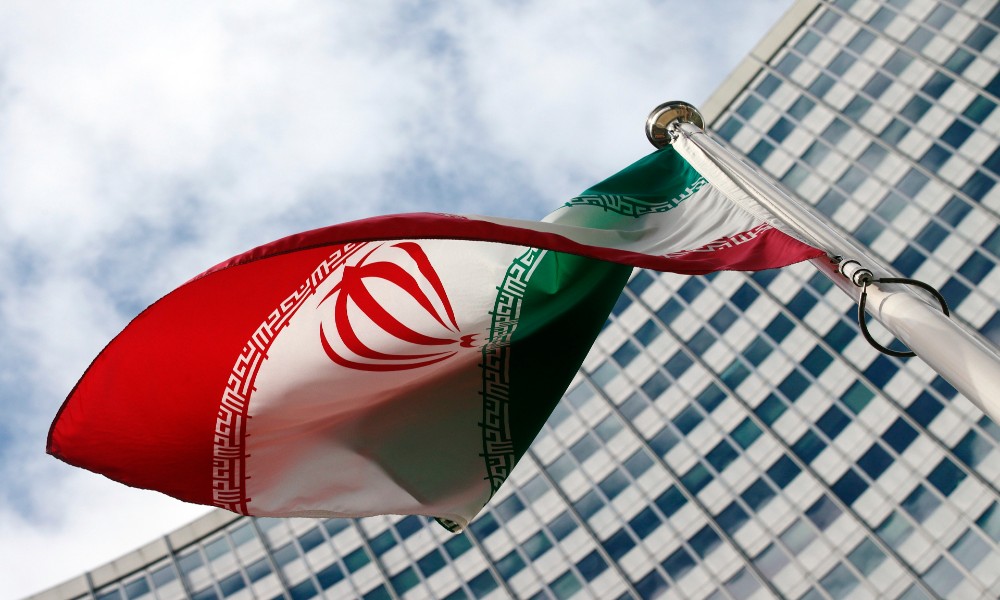
Iran has dismissed remarks by US Special Representative for Afghanistan Reconciliation, Zalmay Khalilzad, and said Tehran has long pursued a policy of maintaining balanced and friendly relations with all the powers of Eurasia and East and South Asia.
Mohammad-Ebrahim Taheri, the special representative of the Iranian foreign minister for Afghan affairs, said in a statement on Sunday: “The Islamic Republic of Iran supports peace and stability in Afghanistan and stresses the need to establish peace based on the outcome of intra-Afghan talks owned and led by the Afghans.”
“We recommend US officials first carefully review the stances [of Iranian authorities] before expressing their opinions about the viewpoints of the Islamic Republic of Iran’s officials about regional and Afghan issues,” he said.
This comes in response to Khalilzad’s comments Friday, during a video forum by the US Institute of Peace in Washington, that Iran has not been that supportive in the peace initiative.
Khalilzad said: “Iran has not been as supportive as it should have been in the effort to get to intra-Afghan negotiations and to an Afghan settlement.”
He told his fellow panel members: “The deputy foreign minister of Iran said in Kabul a few days ago that he doesn’t like the peace process and he doesn’t like the US military presence in Afghanistan which means that a formula they prefer is that the US abandons Afghanistan without a peace process which means war.”
This was in relation to Iran’s Deputy Foreign Minister for Political Affairs Abbas Araghchi’s recent visit to Kabul. Araghchi said that the US’s intentions in the Afghan peace process are doubtful.
He also stated that the peace process in Afghanistan should be addressed through dialogue between Afghans, but that there are various factors that discourage Iran from the US peace plan with the Taliban.
“We believe that the US should not be trusted and that the US presence in the region is dangerous and will cause a lot of discord in the region,” he said.
He said the US entered into a deal with the Taliban and legitimized the group and held talks with them in the absence of the Afghan government.
The Tehran Times meanwhile stated on Sunday that Iran has opposed the US military occupation of Afghanistan and has expressed readiness to cooperate with any effort for intra-Afghan dialogue.



Hamdullah Fitrat, Deputy Spokesperson for the Islamic Emirate of Afghanistan, has strongly rejected the repeated allegations by Pakistani officials that Afghanistan is involved in insecurity in Pakistan, saying that creating or supporting insecurity in Pakistan is not in Afghanistan’s interests.
In a statement published on his account, Fitrat said that whenever Pakistani officials are unable to ensure security in their own country, they blame Afghanistan for incidents in an attempt to mislead public opinion.
According to Fitrat, Afghanistan neither has the necessary means to create insecurity in other countries nor would it benefit from such actions, as insecurity in Pakistan also harms Afghanistan economically, socially and in humanitarian terms.
The deputy spokesperson added that instead of focusing on their own security responsibilities, Pakistani officials wrongly blame Afghanistan and spend resources on plans aimed at destabilizing the country.
Fitrat described this approach as a way of evading core responsibilities, destabilizing the region and wasting economic resources. He further said that this misguided stance has distracted Pakistan’s security forces from their primary duties.

Tawsia: New opportunities in Afghanistan’s energy, trade and agriculture sectors discussed

IEA rejects Pakistan’s allegations linking Afghanistan to insecurity

Exclusive interview with Ali Bilal, runner-up in Mr. Olympia Men’s Physique category

Khalilzad warns of worsening relations between Afghanistan and Pakistan

IMF forecasts 1.3 percent regional economic contraction in 2026

Cricket Bonanza: Afghanistan set for packed international schedule

Afghanistan says 28 killed, 32 captured in Nuristan operation

Afghanistan on climate front line as Kabul faces groundwater warning

ACB announces Afghanistan squads for Bangladesh, Zimbabwe series

Trump rejects Iranian proposal to open Hormuz and end fighting
Tawsia: New opportunities in Afghanistan’s energy, trade and agriculture sectors discussed
Exclusive interview with Ali Bilal, runner-up in Mr. Olympia Men’s Physique category

Tahawol: Doha meeting and Afghanistan’s political and economic future discussed

Saar: Concerns over expansion of conflict between Iran and US discussed

Governments warn citizens over security risks in France after riots
-
 World4 days ago
Violent protests spread across Europe as Albanian PM blames ‘foreign hand’
-

 Sport5 days ago
Afghanistan finish runners-up after 6-0 defeat to Brazil in futsal final
-
 Business4 days ago
Iran calls for extending Herat railway to Uzbekistan border
-
 Latest News3 days ago
Russian troops arrive in Uzbekistan for joint military exercises
-
 World5 days ago
Trump endorses Netanyahu in close Israeli election
-
 Latest News1 day ago
Afghanistan’s new Wakhan road to China faces major hurdles
-
 Latest News3 days ago
Qatar calls for shift from humanitarian aid to economic recovery in Afghanistan
-
 World2 days ago
Governments warn citizens over security risks in France after riots