
Latest News
International community calls on Taliban to stop spring offensive

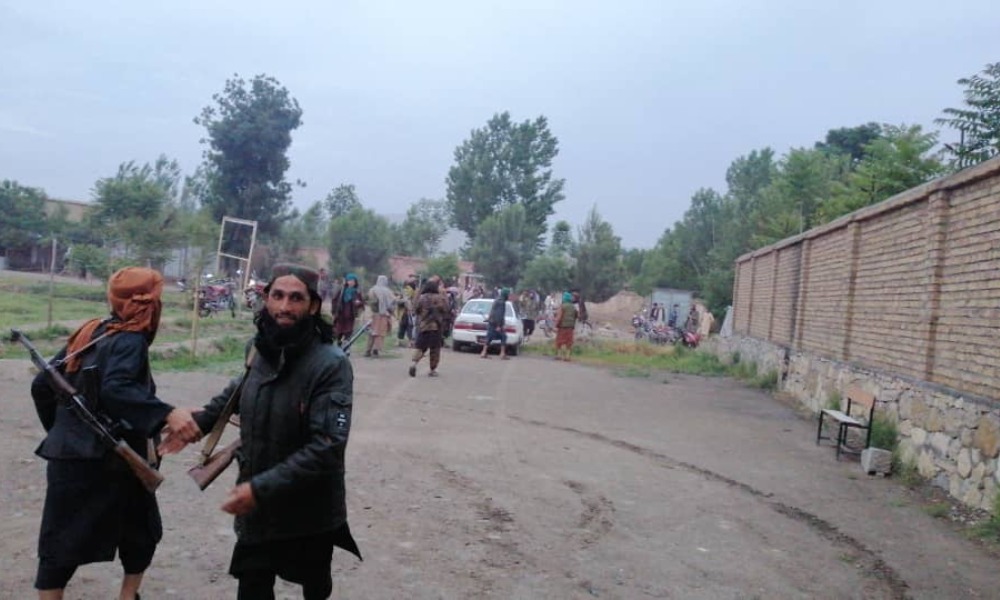
The Special Envoys of the European Union, France, Germany, Italy, NATO, Norway, the United Kingdom, and the United States on the Afghan Peace Process in a joint statement on Friday “strongly” condemned the continued violence in Afghanistan.
The statement, which was issued following a virtual meeting of the international community envoys and the Taliban delegation, said that the Taliban are largely responsible for the continued violence, urging all warring parties to take immediate and necessary steps to reduce violence and in particular, “to avoid civilian casualties in order to create an environment conducive to reaching a political settlement.”
The envoys called on all parties to respect their obligations under international humanitarian law in all circumstances, including those related to the protection of civilians and urged all sides to immediately agree on steps that enable the successful implementation of a permanent and comprehensive ceasefire.
The envoy emphasized that durable peace in Afghanistan can only be achieved through an inclusive, negotiated political settlement among Afghans.
The envoys affirmed their commitment to UNSC resolution 2513 (2020) and emphasized that they oppose the establishment in Afghanistan of any government by force which would constitute a threat to regional stability, the statement read.
The envoys highlighted “the need to accelerate the pace of the Afghan-led and Afghan-owned peace negotiations and committed to work with the Government of the Islamic Republic of Afghanistan, the Taliban, and other Afghan political and civil society leaders to reach a comprehensive and sustainable peace agreement and political compromise that ends the war for the benefit of all Afghans and that contributes to regional stability and global security.”
This comes as the Taliban have intensified attacks across the country since the foreign troops’ officially begin to withdraw from Afghanistan on May 1.
The Taliban militants have captured the Dahla dam in Kandahar, the Shahr-e Kohna region of Baghlan-e Markazi district of Baghlan province, a security base in Ghazni, and a military base and three outposts in Laghman province during the last seven days.
The international community also called upon the Taliban “to stop their undeclared spring offensive, to refrain from attacks against civilians, and to stop immediately all attacks in the vicinity of hospitals, schools, universities, mosques and other civilian areas.”
The envoy also called for an immediate end to the campaign of targeted assassinations against civil society leaders, the clergy, journalists and other media workers, human rights defenders, healthcare personnel, judicial employees, and other civilians.
Meanwhile, the Taliban in a series of tweets that a powerful Islamic government is a need in Afghanistan that could maintain “women’s rights and freedom of speech.”



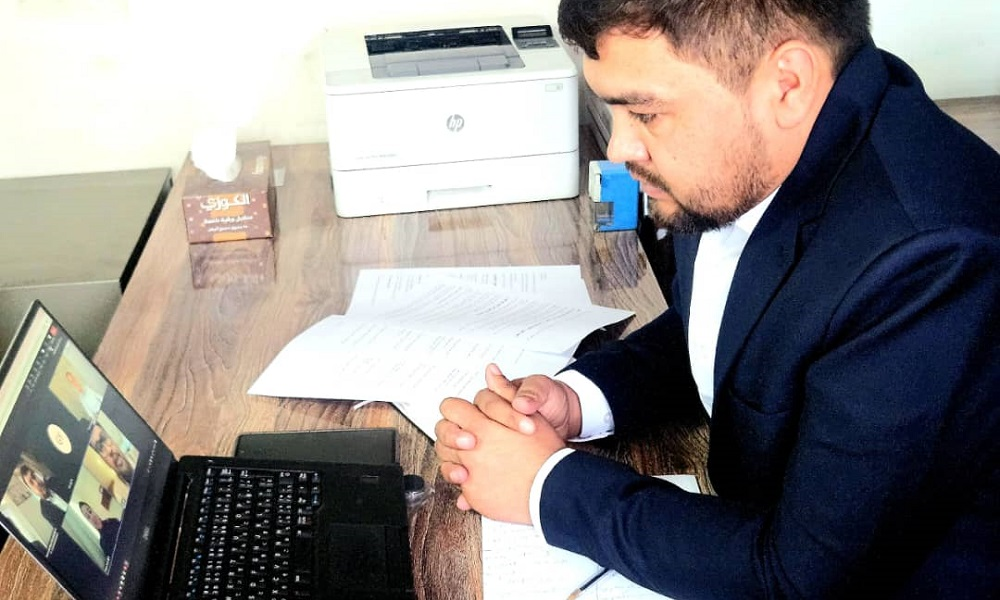
An online meeting between the heads of the Afghanistan National Canoeing Federation, the International Canoe Federation and the Asian Canoe Confederation was held on Wednesday to discuss challenges and opportunities for developing canoeing in Afghanistan.
According to a statement from the Afghanistan National Canoeing Federation, Mohammad Nasir Hakimzada, head of the federation, outlined the challenges, needs and existing opportunities for the development of the sport in the country.
The heads of the International Canoe Federation and the Asian Canoe Confederation praised the efforts of Afghan federation officials and emphasized their commitment to continued cooperation and support for the growth of the sport.
Officials from the organizations pledged to organize national and international training seminars, featuring international instructors, both inside and outside Afghanistan, to enhance the skills of Afghan coaches.
They also announced plans to support the Afghanistan National Canoeing Federation in the near future, including the donation of around 10 canoes and other sports equipment.
The heads of the International Canoe Federation and the Asian Canoe Confederation were also formally invited to visit Afghanistan. They pledged to travel to the country next year.
The meeting marks a step toward strengthening international cooperation, improving technical capacity and providing better facilities for the growth and development of canoeing in Afghanistan.
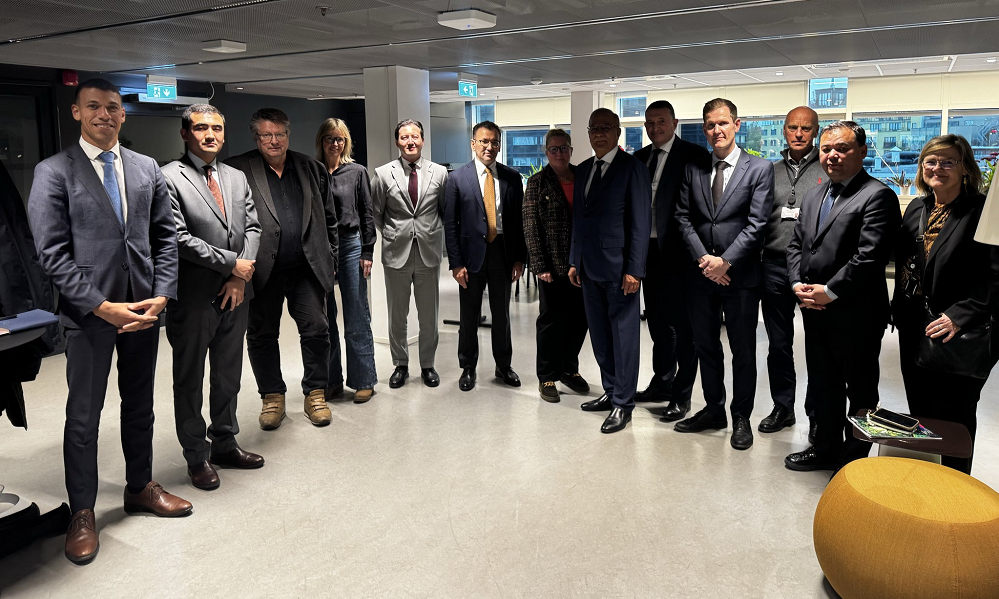
Uzbek and Norwegian officials have held a two-day workshop in Oslo to discuss Afghanistan’s regional integration, security and economic cooperation, according to Javlon Vakhabov, an adviser to Uzbekistan’s president.
In a post on X, Vakhabov said the discussions were convened by the Norwegian Center for Conflict Resolution (NOREF) and focused on promoting pragmatic engagement with Afghanistan through sustained dialogue and cooperation in security, trade, energy, transit and regional connectivity.
The Uzbek delegation included Ismatulla Irgashev, the president’s special envoy for Afghanistan; Rakhmatulla Nurimbetov, Uzbekistan’s ambassador to Norway; Odil Gafarov, deputy director of the Institute for Advanced International Studies at the University of World Economy and Diplomacy; and Vakhabov himself.
Vakhabov said he shared Uzbekistan’s experience in peacebuilding and good-neighbourly relations, stressing that lasting stability depends on Afghanistan’s gradual integration into regional cooperation processes.
Latest News
Qatar calls for shift from humanitarian aid to economic recovery in Afghanistan
She also said Afghanistan’s future should be shaped through a comprehensive political process led by Afghans themselves, with respect for the country’s sovereignty, independence and territorial integrity.
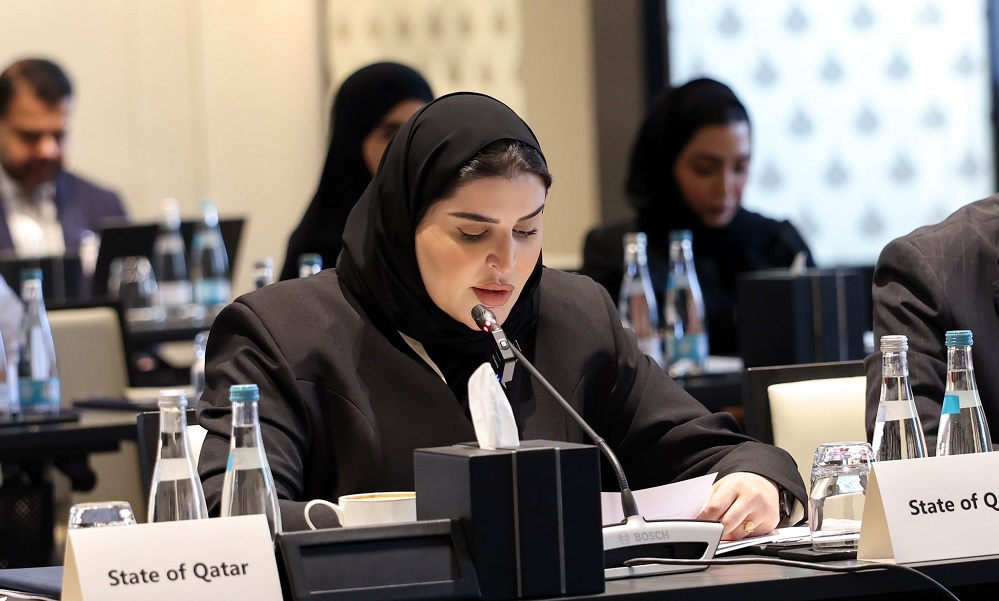
Qatar has called for a shift from emergency humanitarian assistance toward economic recovery and private-sector development in Afghanistan, stressing the need for sustained international engagement to build a more stable future for the country.
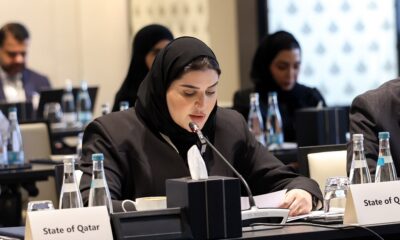
Qatar’s Minister of State for International Cooperation, Maryam bint Ali bin Nasser Al Misnad, made the remarks Tuesday at the Afghanistan Coordination Group meeting in Doha.
Al Misnad said Qatar has provided and pledged nearly $150 million over the past decade for humanitarian and development projects in Afghanistan, particularly in health care, education and emergency response.
She warned that severe humanitarian needs and economic difficulties continue to affect Afghan families, while the return and displacement of people are placing additional pressure on public services and livelihoods. She said urgent needs remain in food security, health care, nutrition, education and access to water.
The minister stressed that assistance must be delivered transparently, with accountability and in line with humanitarian principles, with particular attention to vulnerable groups, including women and young people.
She also said Afghanistan’s future should be shaped through a comprehensive political process led by Afghans themselves, with respect for the country’s sovereignty, independence and territorial integrity.
Al Misnad highlighted Qatar’s role in facilitating dialogue on Afghanistan since the launch of the Doha peace process in 2013, as well as its support for initiatives such as the Solutions Strategy for Afghan Refugees and the Afghanistan Humanitarian Fund.
She said the UN-led Doha Process provides a platform for political engagement and practical cooperation, highlighting counter-narcotics and private-sector development as areas where international efforts could deliver tangible results.
Al Misnad urged participants to maintain Afghanistan’s place on the international agenda, establish clear priorities and renew their commitments to the Afghan people, emphasizing that technical cooperation should complement broader political efforts.


Saar: Concerns over expansion of conflict between Iran and US discussed

Afghanistan, world and Asian canoeing federations hold online meeting

Uzbekistan, Norway discuss Afghanistan and regional security in Oslo

Governments warn citizens over security risks in France after riots

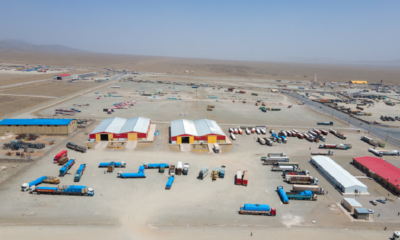
Transit of Afghan goods through Sheikh Abu Nasr Farahi border crossing doubles

Cricket Bonanza: Afghanistan set for packed international schedule

Afghanistan says 28 killed, 32 captured in Nuristan operation

Silk Road highway in Wakhan corridor now reaches the China border

CNN, MS NOW and Politico sue Trump, challenging White House ban

Afghanistan on climate front line as Kabul faces groundwater warning
Saar: Concerns over expansion of conflict between Iran and US discussed
Governments warn citizens over security risks in France after riots

Tahawol: Iran’s reaction to Pakistan’s mediation discussed

Saar: Review of SCO meeting in Tajikistan

Trump blames migrants for violence in France as US midterms loom
-
 Sport3 days ago
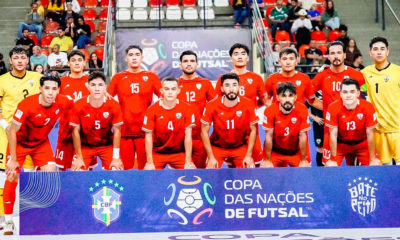
Afghanistan reach Brazil futsal tournament final after beating Cape Verde 4-2
-

 Regional4 days ago
Trump says US may strike Iran’s ‘Pickaxe Mountain’ nuclear facility
-
 World2 days ago
Violent protests spread across Europe as Albanian PM blames ‘foreign hand’
-
 Latest News4 days ago
Afghanistan’s hunger crisis deepens as 16 million face food insecurity ahead of winter
-

 Sport2 days ago
Afghanistan finish runners-up after 6-0 defeat to Brazil in futsal final
-
 Latest News3 days ago
Hegseth says only a few NATO allies were involved in fighting in Afghanistan
-

 World3 days ago
France rocked by nationwide clashes, looting and fires
-
 Latest News4 days ago
Russian deputy prime minister to visit Afghanistan soon for trade and economic talks