
Latest News
Indian officials meet with Taliban in Doha: Report

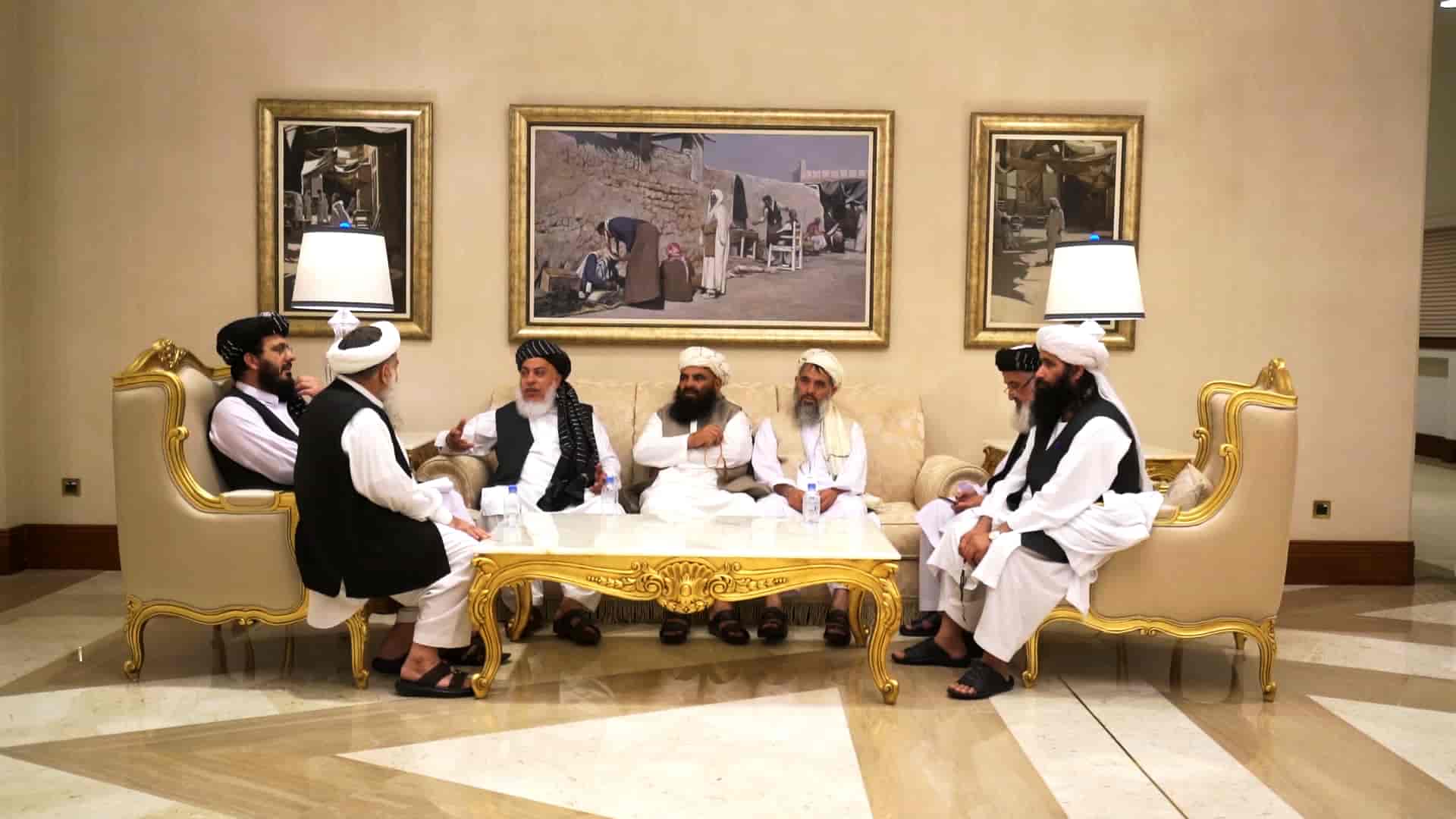
A senior Qatari official said Indian officials made a “quiet visit” to Doha where they met with the Taliban’s political leadership.
India Today reported Tuesday that speaking at a virtual event, ‘Looking Towards Peace in Afghanistan after the US-NATO Withdrawal’, organised by Arab Center Washington DC, Qatar’s Special Envoy of the State of Qatar for Counterterrorism and Mediation of Conflict Resolution Mutlaq bin Majed Al Qahtani said, “There has been a quiet visit by Indian officials to speak with the Taliban. Why? Because not everybody is believing that the Taliban will dominate and take over because the Taliban is a key component or is going to be a key component of the future of Afghanistan.”
Al Qahtani’s comment comes after India’s External Affairs Minister S Jaishankar met with Qatari leadership twice on June 9 and June 15. During these meetings he met with the Qatari Foreign Minister and the National Security Advisor, as well as US Special Representative on Afghanistan reconciliation Zalmay Khalilzad.
Responding to a question by an Indian journalist about his meetings with the Qatari leadership, US Special envoy Zalmay Khalizad and the role of India in Afghanistan, Mutlaq Al Qahtani said, “I see the reason behind the talks or dialogue or reaching out to all parties in Afghanistan. It is important to keep in mind that we are in a critical stage at this time and if any meeting is going to take place, it should be for one main reason, which is to encourage the parties to solve their differences by peaceful means.”
India Today reported that the Ministry of External Affairs (MEA), however, declined to comment on Al Qahtani’s statement. There has been no official word or confirmation by the MEA on any engagement with the Taliban leadership since the Doha talks began or even before, India Today reported.
Asked whether talks between India and Pakistan were being discussed as part of the Afghanistan reconciliation process, the Qatari special envoy said, “Should not allow Afghan soil to be used as proxy among any countries. It is in the interest of Pakistan to have a more stable Afghanistan. It is in the interest of India, of course, to have a more stable Afghanistan. We understand Pakistan as a neighbouring country and India as country that assisted a lot economically in Afghanistan and want Afghanistan to be peaceful and stable.”
While India has not officially engaged the Taliban, Indian representatives have attended key Afghan processes, including the inauguration ceremony for the Doha talks.





Latest News
India reaffirms healthcare support to Afghanistan, hands over medicines and vaccines
Indian officials said the support underscores New Delhi’s commitment to helping improve healthcare services and access to life-saving treatment in Afghanistan.
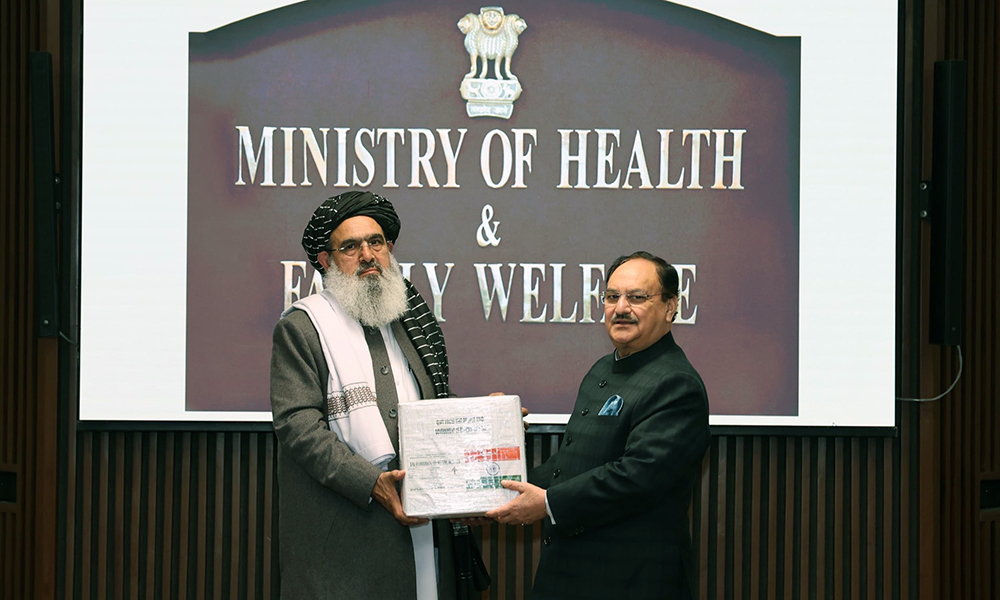
India has reaffirmed its commitment to continued humanitarian assistance and healthcare cooperation with Afghanistan, with a focus on the long-term supply of essential medicines.
According to the Ministry of Health and Family Welfare of the Government of India, Union Health Minister J.P. Nadda held a productive meeting with Afghanistan’s Minister of Public Health, Noor Jalal Jalali. The discussions focused on strengthening cooperation in the health sector and addressing the medical needs of the Afghan people.
During the meeting, a symbolic handover of cancer medicines and vaccines was carried out, reflecting India’s ongoing support for Afghanistan’s healthcare system. The ministry also announced that a larger consignment of medicines, vaccines, and a 128-slice CT scanner is being dispatched to Afghanistan as part of India’s humanitarian assistance efforts.
Indian officials said the support underscores New Delhi’s commitment to helping improve healthcare services and access to life-saving treatment in Afghanistan.
Latest News
Afghan forces target hideout of suspects linked to cross-border attacks on Chinese nationals
Afghan forces target hideout of suspects linked to cross-border attacks on Chinese nationals
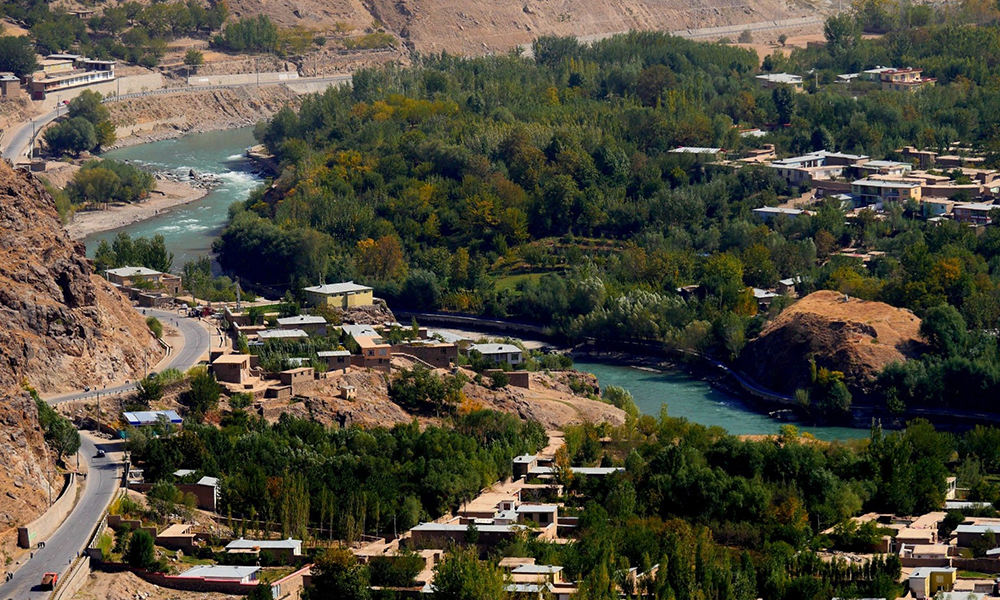
Security sources said that special forces of the Islamic Emirate of Afghanistan (IEA) have targeted a hideout in Badakhshan province linked to suspects involved in attacks against Chinese nationals in neighboring Tajikistan.
According to the sources, the operation was carried out on Tuesday night in Faizabad city, where several individuals suspected of orchestrating cross-border attacks from Badakhshan’s frontier regions were believed to be present. As a result of the operation, one wanted suspect was arrested alive along with weapons and other military equipment.
The sources added that preliminary investigations and initial confessions by the detainee indicate the planning of the attacks was carried out from outside Afghanistan.
This comes as Tajikistan’s Ministry of Foreign Affairs announced on November 27 that three Chinese citizens were killed in an attack in Khatlon province.
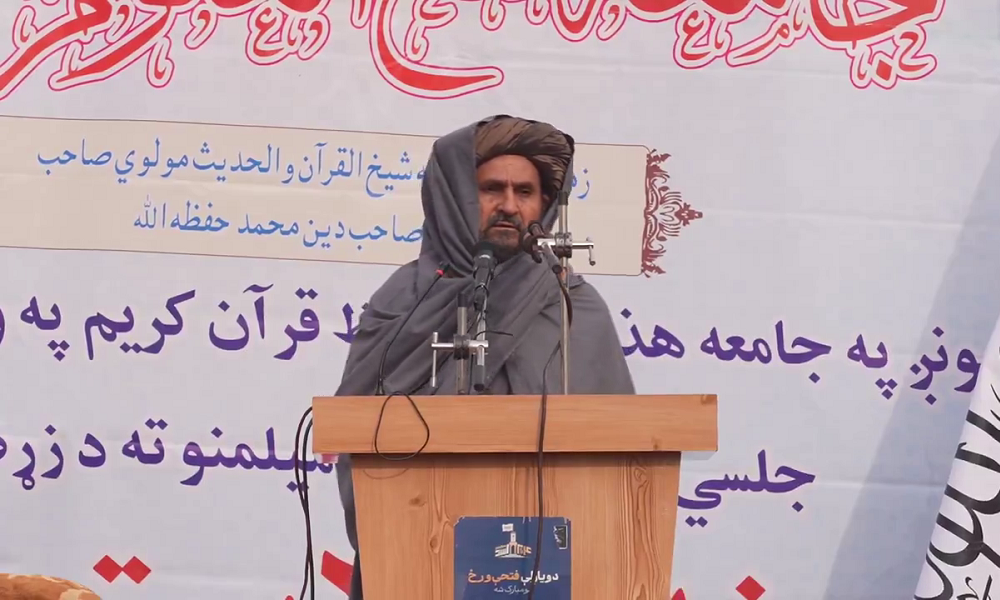
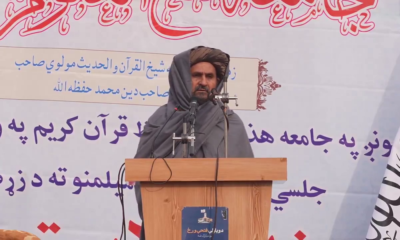
Mullah Abdul Ghani Baradar, Deputy Prime Minister for Economic Affairs, has called on religious scholars to play a stronger role in promoting the protection of the Islamic system and Afghanistan’s national interests among the public.
Speaking at a turban-tying ceremony at Jamia Fath al-Uloom in Kabul on Wednesday, Baradar urged scholars to adopt a softer tone in their sermons and public addresses.
He said that alongside teaching religious obligations, scholars should help foster a sense of responsibility toward safeguarding the Islamic system and national unity.
Baradar described madrasas as the sacred foundations of religious learning, moral education, spiritual and intellectual development, and Islamic movements within Muslim societies.
He noted that in Afghanistan, religious teachings and the concept of sacred jihad originated in madrasas, spread from villages to cities, and eventually translated into action and resistance.
He also emphasized the role of madrasas in the intellectual reform of society, the removal of what he described as un-Islamic cultural influences, and the preservation of Islamic traditions.
Baradar stressed that religious schools must remain committed to their original mission and values under all circumstances.


India reaffirms healthcare support to Afghanistan, hands over medicines and vaccines

Afghan forces target hideout of suspects linked to cross-border attacks on Chinese nationals

US readies new Russia sanctions if Putin rejects peace deal, Bloomberg News reports

Tahawol: Discussion on regional countries’ meetings on Afghanistan

Saar: Regional efforts to address Afghanistan-Pakistan issues discussed

Afghanistan U19 cricket team defeats India A U19

Afghanistan economy under pressure as Pakistan shocks reshape trade flows

Gaza death toll tops 70,000, health ministry says

India set to establish pharmaceutical factories in Afghanistan: MoIC

Afghanistan offers tax breaks, free land to attract Indian investors
Tahawol: Discussion on regional countries’ meetings on Afghanistan
Saar: Regional efforts to address Afghanistan-Pakistan issues discussed

Tahawol: Officials say interactions must be based on realities

Saar: mistreatment of Afghan refugees in Pakistan discussed

Tahawol: Intertwined interests of neighbors and Afghan security dynamics discussed
-
 Latest News5 days ago
Islamic Emirate declines to attend Tehran meeting on Afghanistan
-

 Latest News4 days ago
US delivers second batch of Afghan Black Hawk helicopters to Peru
-

 Latest News3 days ago
Germany speeds up admission of Afghans from Pakistan
-

 Sport3 days ago
IPL 2026 Auction set for Abu Dhabi with $28.6 million purse at stake
-
 Business4 days ago
Afghan economy posts second year of growth despite deep structural challenges
-
 Latest News3 days ago
Afghanistan to establish independent oil and gas authority
-

 Latest News3 days ago
US intelligence chief warns of ‘direct threat’ from suspected terrorists inside the country
-

 Sport4 days ago
ATN to broadcast ‘The Best FIFA Football Awards 2025’