
Business
India to build Shahtoot dam in Kabul

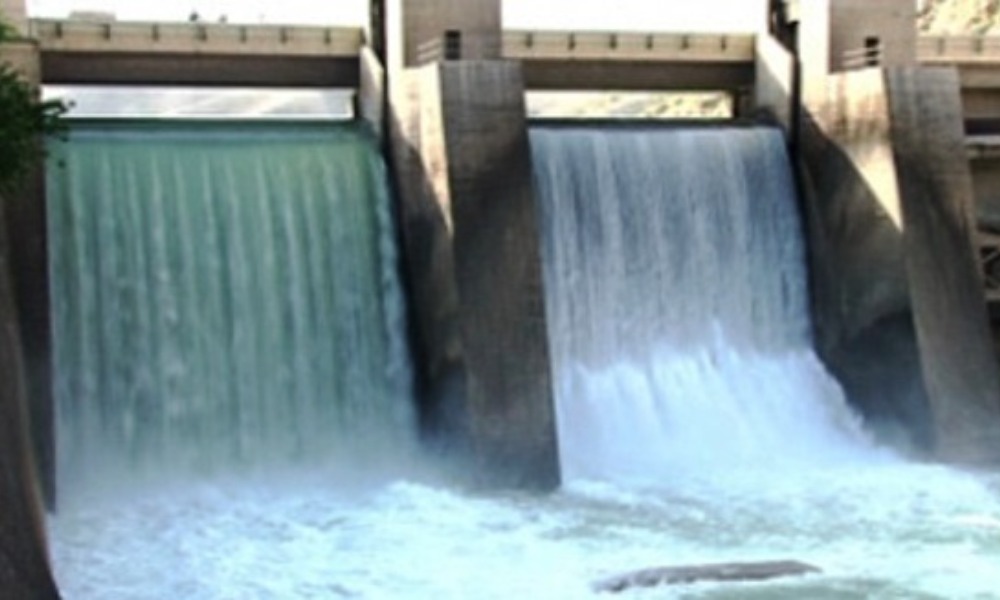
India’s External Affairs Minister S. Jaishankar announced on Tuesday at the Geneva Conference 2020 that his country will build a new dam to provide Kabul residents with safe drinking water.
Addressing delegates virtually, Jaishankar said the Shahtoot dam will help supply Kabul residents with water.
“I am happy to announce today an agreement with Afghanistan for building the Shahtoot dam which will provide safe drinking water to two million Kabul residents.
He also said India will launch phase four of a high impact community development program in Afghanistan, which includes around 150 projects worth $80 million dollars.
He stated India has invested heavily in peace and development in Afghanistan but said his country calls for an immediate and comprehensive ceasefire.
“We also believe that the peace process must be Afghan-led, Afghan-owned and Afghan-controlled.”
A feasibility study for the dam was reportedly finalized in 2012 and the estimated cost will be around $236 million.
This dam would also allow for irrigation systems to cover 4,000 hectares of land in the Charasiab and Khairabad districts of Kabul province.
Once complete, officials said the dam will hold 146 million cubic meters of potable water for two million people in Kabul and irrigation water for over 4,000 hectares of land.
India has played a major role in the reconstruction of Afghanistan since the fall of the Taliban regime and has invested over $2 billion in various reconstruction and infrastructure projects.
In 2016, Ghani and Indian Prime Minister inaugurated the Indian-funded “Friendship Dam” in Heart Province, which can also irrigate over 80,000 hectares of land and provide electricity to thousands of homes in the western Afghan province of Herat.





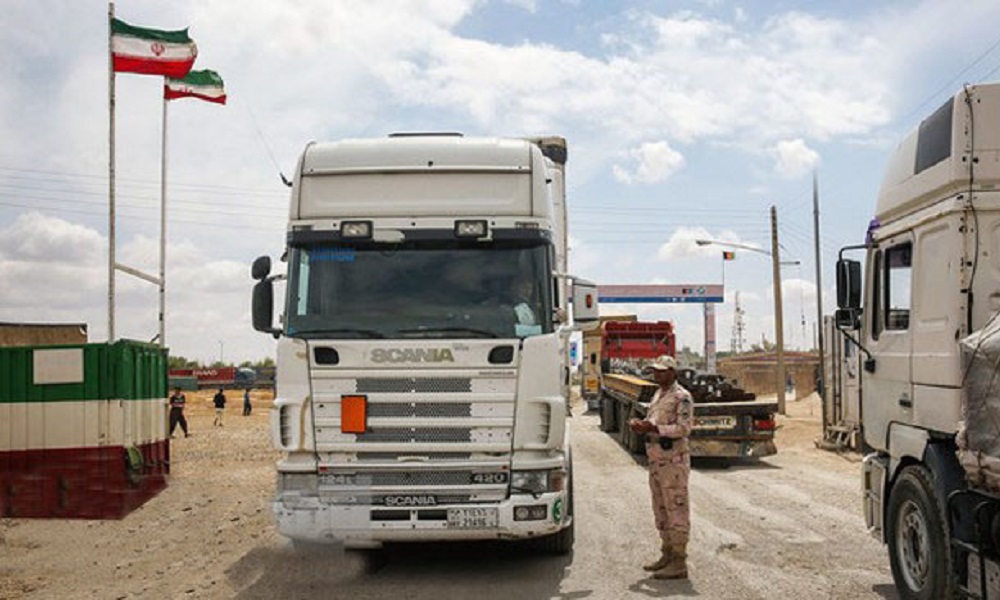
Iran is exploring ways to deepen economic engagement with Afghanistan, focusing on contract farming and trade, as discussions continue over potential formal recognition of the Islamic Emirate of Afghanistan (IEA) government, a senior Iranian business official said.
According to Iran News Daily, Mahmoud Siadat, head of the Iran–Afghanistan Joint Chamber of Commerce, said recognition of the Islamic Emirate of Afghanistan would boost investor confidence and facilitate long-term projects, including rail links connecting Iran to China via Afghanistan.
While no formal recognition has been confirmed, Siadat noted that bilateral relations have steadily improved.
Iran exports over $3 billion in goods and services annually to Afghanistan, including technical and engineering services, while Afghan exports to Iran remain limited at around $100 million.
Siadat highlighted agriculture as a key growth area, with plans for contract farming where Iranian firms would provide technology, expertise, and guaranteed purchase agreements for Afghan crops and livestock.
“Instead of importing legumes from Canada, we can source them from Afghanistan,” he said, noting that structured agricultural cooperation could benefit both countries.
Remittances from Afghans working in Iran, he added, further underline the strong economic ties between the neighbors.
Even without formal recognition, trade remains robust, but Siadat emphasized that a clear diplomatic framework could unlock more investment and strategic projects.
Business
Uzbekistan sets $5 billion trade target with Afghanistan
“In just five years, bilateral trade has increased 2.5 times — from $653 million in 2021 to $1.7 billion in 2025. Our objective now is to raise this figure to $5 billion,” Khodjaev said.
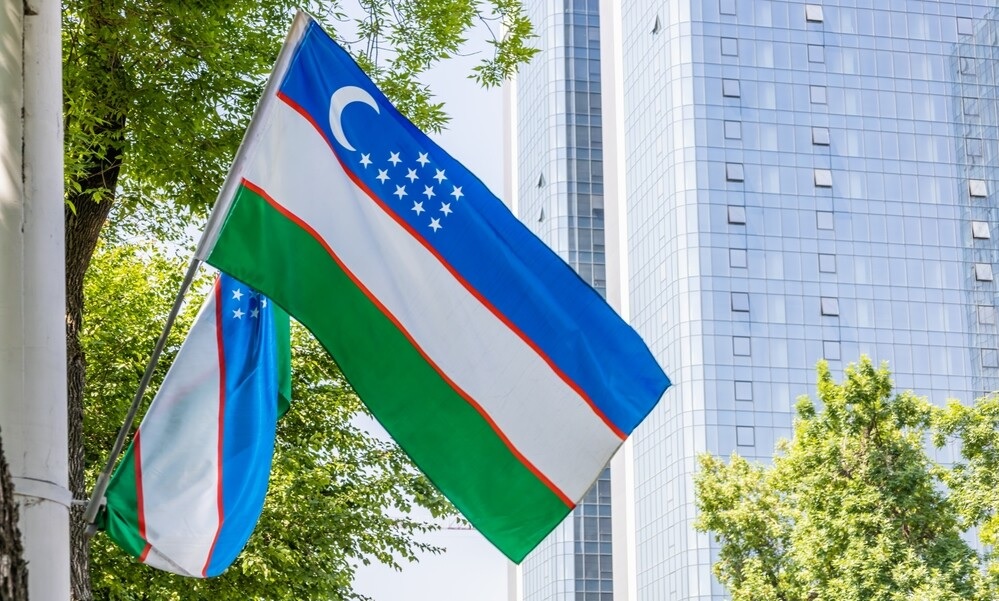
Uzbekistan and Afghanistan have agreed to significantly expand economic ties, setting an ambitious target of increasing bilateral trade to $5 billion, according to Uzbekistan’s Deputy Prime Minister, Jamshid Khodjaev.
Khodjaev announced the goal following a video conference with Afghanistan’s Minister of Industry and Trade, Nuriddin Azizi, during which both sides reviewed current cooperation and outlined plans for future growth.
“In just five years, bilateral trade has increased 2.5 times — from $653 million in 2021 to $1.7 billion in 2025. Our objective now is to raise this figure to $5 billion,” Khodjaev said.
The two officials discussed practical measures to deepen trade and economic cooperation, including preparations for an upcoming visit by an Afghan delegation to Uzbekistan. Following Ramadan, both sides plan to organize a business forum in Kabul and develop a detailed roadmap identifying priority sectors for collaboration.
The talks also focused on accelerating the implementation of a Preferential Trade Agreement, which both countries agreed should enter into force as soon as possible. Officials further explored expanding joint investment and industrial projects.
Key areas highlighted for cooperation include the processing of agricultural products, construction materials, textiles, and initiatives aimed at strengthening food security. The two sides also reviewed infrastructure needs to facilitate trade, including the establishment of showrooms, logistics centers, and warehouses to improve product promotion and distribution.
Trade between Uzbekistan and Afghanistan has grown steadily despite regional challenges, with total turnover rising sharply over the past five years — a trend both governments now hope to accelerate through structured economic partnerships and closer regional integration.
Business
Pakistan allows re-export of stranded Afghan transit cargo
The suspension of Afghan Transit Trade operations left thousands of containers stuck, causing heavy financial losses for Afghan traders and disrupting regional commerce.

Pakistan’s Federal Board of Revenue (FBR) has allowed the re-export of Afghan transit trade consignments that had been stranded for months at Chaman and Quetta, enabling their movement to Karachi Port and Port Qasim.
The shipments were halted after crossings between Afghanistan and Pakistan were closed in October 2025 amid escalating security tensions.
The suspension of Afghan Transit Trade operations left thousands of containers stuck, causing heavy financial losses for Afghan traders and disrupting regional commerce.
Under the new directive, stranded goods will be transported under customs supervision to Karachi for re-export. Pakistani authorities said the process will follow strict monitoring and inspection procedures to ensure compliance with transit regulations.
The decision offers limited relief to Afghan businesses affected by the prolonged disruption, though regular trade between the two countries has yet to resume.


Iran looks to expand economic ties with Afghanistan through contract farming

Afghan returnee crisis deepens after deadly shooting in Balochistan and fresh UN warning

Iran’s envoy calls for restraint and dialogue between Kabul and Islamabad

An Afghan child’s cry from Behsud, Nangarhar: “Take Me to My Mother”

Uzbekistan sets $5 billion trade target with Afghanistan

AFC Futsal Asian Cup 2026: Day One Review

IEA releases three Pakistani soldiers to mark Ramadan

AFC Futsal Asian Cup: Afghanistan to face Iran in crucial Group D clash

Afghanistan’s Chief of Armed Forces underscores readiness and equipment for national defense

Afghanistan welcomes investment and technology partnerships with India

Tahawol: Reactions to Pakistan’s attacks on Afghanistan discussed

Saar: Consequences of Pakistani attacks on Afghanistan discussed

Tahawol: Tahawol: Pakistan’s Attacks on Afghanistan Raise Serious Questions

Saar: Reactions to Pakistan’s airstrikes on Afghanistan discussed

Tahawol: Repeat crimes by Pakistani military in Afghanistan discussed
-

 Latest News3 days ago
Mujahid: Afghanistan will target perpetrators, not civilians
-

 Latest News4 days ago
Moldova bans Afghan airlines over safety concerns
-
 Latest News3 days ago
Afghanistan vows retaliation after Pakistan launches air strikes
-

 Latest News2 days ago
Russia estimates up to 23,000 terrorists present in Afghanistan
-

 Sport4 days ago
José Antonio Nogueira appointed new Afghanistan head football coach
-
Latest News2 days ago
IEA rejects Russia’s claims of foreign militants in Afghanistan
-
 Latest News2 days ago
UNAMA reports civilian casualties from Pakistani airstrikes in Afghanistan
-
 Latest News2 days ago
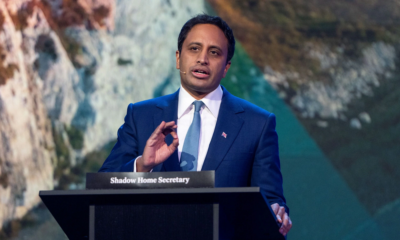
UK’s Reform party pledges visa ban affecting Afghanistan and five other states