
Latest News
IFRC warns of worsening drought crisis in Afghanistan

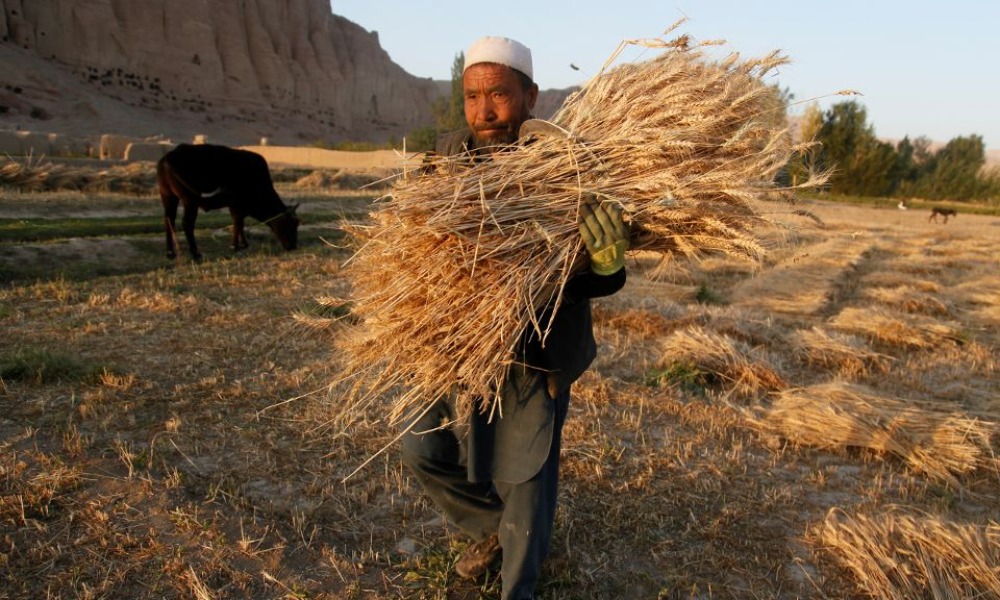
The International Federation of Red Cross and Red Crescent Societies (IFRC) said in a report that one-third of the Afghan population could suffer food insecurity due to a worsening drought crisis in the country.
According to the report, 13.1 million people are grappling with food shortages according to the latest food insecurity analysis.
This acute food security crisis compounds social and economic hardships already faced by millions of people in Afghanistan due to the COVID-19 pandemic and years of conflict.
Afghan Red Crescent Society Acting President, Dr Nilab Mobarez, said: “We are deeply concerned about worsening and severe water shortages in many areas, depleted food crops and crippled economic activity, such as decimated local markets and basic incomes.
“In the past month, Afghan Red Crescent volunteers and response teams have urgently ramped up relief, including food and cash assistance for thousands of drought-affected families across the parched provinces of Badghis, Baghlan and Faryab,” Mobarez added.
The IFRC has issued an Emergency Appeal seeking 7.5 million Swiss Francs to support the Afghan Red Crescent to deliver cash grants to buy food supplies and restore livelihoods and crops for 210,000 people in ten of the provinces worst affected by food insecurity and drought. Wheat production is expected to be slashed by up to 27 per cent in 2021, according to the Afghanistan Inter-Cluster Coordination Team, the report read.
“This is one of the worst ever droughts in Afghanistan and millions of people are barely surviving. People are walking long distances, as drinking water is running out and crops are failing,” said Necephor Mghendi, IFRC’s Head of Delegation for Afghanistan.
“We have grave fears for more than 18 million people who will need humanitarian support in Afghanistan this year due to this drought-driven food crisis piled on top of the debilitating social and economic impacts of COVID-19 and the long-running conflict,” Mghendi stated.
“We are appealing for urgent action to help the Afghan people in this hour of extreme need. Millions of people urgently need more food, water and cash assistance to survive. We are revitalising drought-resistant crops and diminished livestock, while supporting income generation for women and other population groups most at risk,” he said.





Latest News
Lavrov warns of western-backed ‘color revolutions,’ raises concerns over Afghanistan’s regional security
He also warned that radical groups were seeking to use Afghanistan as a launching pad to expand threats towards Central Asia and Russia.
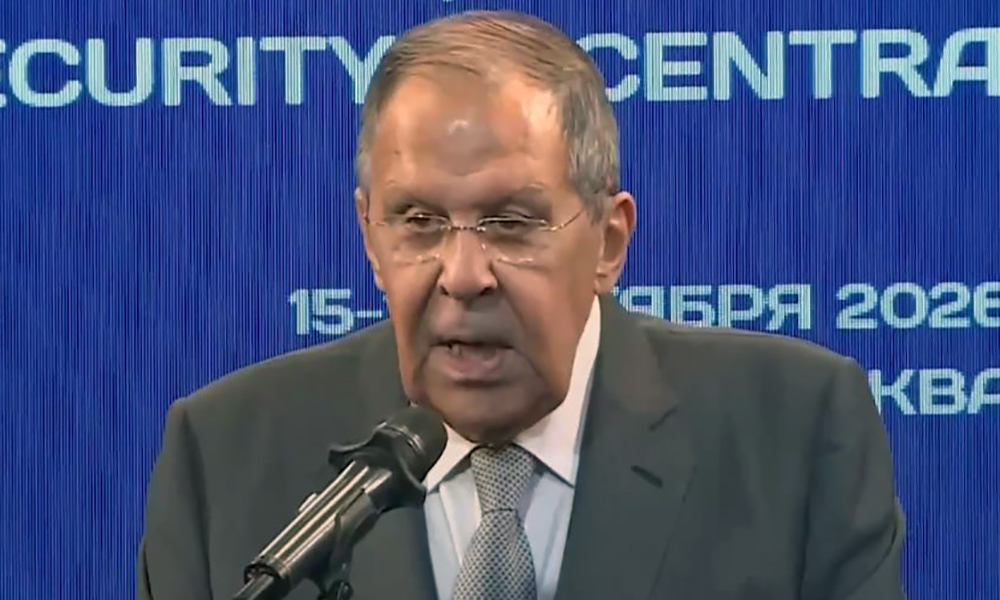
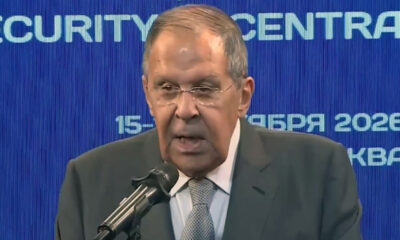
Russian Foreign Minister Sergey Lavrov has warned that any country, including Russia’s partners in Central Asia, could become a target of what he described as Western-orchestrated “color revolutions,” while raising concerns about security threats emerging from Afghanistan.
According to Russia’s TASS news agency, Lavrov made the remarks on Friday, October 16, during a conference on security in Central Asia and Afghanistan in Moscow, attended by representatives of the Collective Security Treaty Organization (CSTO), the Commonwealth of Independent States (CIS) and the Shanghai Cooperation Organization (SCO).
Lavrov said attempts to initiate such movements in several neighbouring countries had already been thwarted.
Lavrov Raises Concerns Over Afghanistan’s Security Legacy
Referring to the two decades of US and NATO military presence in Afghanistan, Lavrov said the consequences of what he described as an unsuccessful occupation would take a long time to overcome.
He also warned that radical groups were seeking to use Afghanistan as a launching pad to expand threats towards Central Asia and Russia.
This comes as the Islamic Emirate of Afghanistan has repeatedly stated that Afghan territory will not be used against any neighboring country, and that no armed group will be permitted to operate.
The meeting was held with the participation of representatives from the Collective Security Treaty Organization, the Commonwealth of Independent States, and the Shanghai Cooperation Organization.
Latest News
IEA leader urges students to pursue religious knowledge for faith, not worldly positions
Addressing students’ future responsibilities, he urged them not to focus on worldly positions and described their current period of study as a time of testing that requires caution.

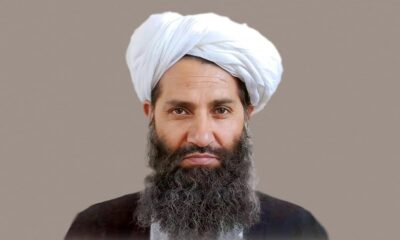
The supreme leader of the Islamic Emirate of Afghanistan (IEA), Sheikh Hibatullah Akhundzada, has stressed the importance of religious education, sincerity, humility and respect for teachers in a speech at the Jihadi Madrasa in Kandahar, urging students to continue their studies and share their knowledge with others.
Hamdullah Fitrat, deputy spokesperson for the Islamic Emirate of Afghanistan, released details of the speech, saying Akhundzada addressed the gathering on Thursday afternoon, the third of Jumada al-Awwal 1448 in the Islamic calendar.
Emphasis on Religious Education and Social Reform
According to Fitrat, Akhundzada described knowledge as an attribute of Allah and said acquiring knowledge brings people closer to Allah and helps them attain spiritual perfection.
He said education and the pursuit of knowledge were necessary to eliminate corruption and promote reform in society, adding that religious scholars and the public should continue religious education and teaching to preserve the faith.
Akhundzada also described religious scholars as heirs of the prophets, saying religious rulings, decisions and Islamic law are conveyed to the public through scholars, who also play a role in reforming society.
Warning Against Pursuing Worldly Status Through Education
According to the deputy spokesperson’s account, Akhundzada urged students to acquire knowledge with the intention of understanding and practising their religion rather than seeking social recognition, status or worldly privileges.
He said religious knowledge should be pursued for practical application and that students had a responsibility to pass their knowledge on to others.
He also described knowledge as a trust that must not be concealed, urging students to communicate religious teachings to the public under all circumstances.
Students Urged to Respect Teachers and Continue Learning
Akhundzada called on students not to abandon their studies and to continue working to expand their knowledge. He also warned against arrogance and pride when learning from others.
He encouraged students to attend jurisprudential and academic gatherings after graduation, saying such meetings provide opportunities to exchange knowledge and learn from one another.
Addressing students’ future responsibilities, he urged them not to focus on worldly positions and described their current period of study as a time of testing that requires caution.
He also stressed the importance of respecting teachers, urging students to treat them with great respect, remain humble, value their religious schools and fellow students, and pay close attention to school regulations.
Latest News
Nearly 19.2 million Afghans face winter hunger as child malnutrition set to surge, UN agencies warn
The UN agencies said acute malnutrition is increasingly defining Afghanistan’s humanitarian crisis, with mothers and children among those most affected.
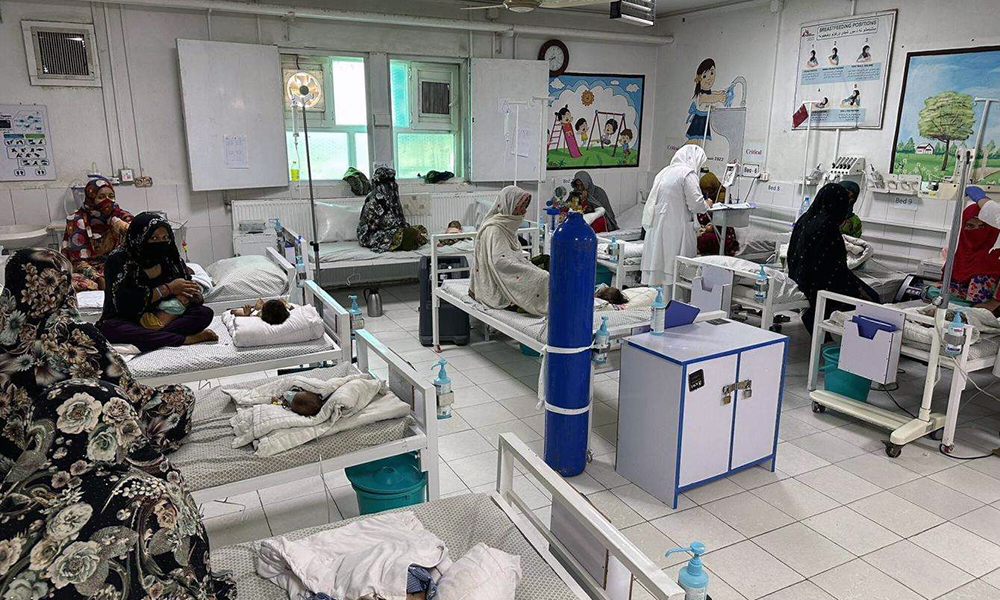
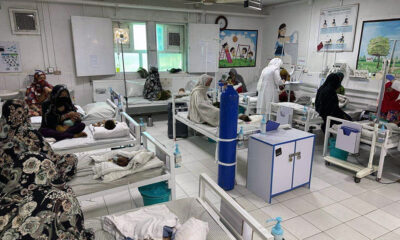
Nearly 19.2 million people in Afghanistan are projected to face high levels of acute food insecurity during the coming winter, while acute malnutrition cases are expected to rise to four million in 2027, the United Nations World Food Programme (WFP) and the Food and Agriculture Organization (FAO) have warned.
According to a joint statement issued by the two UN agencies, the latest Integrated Food Security Phase Classification (IPC) analysis estimates that 38 percent of Afghanistan’s population will face acute food insecurity during the November 2026-April 2027 lean season, an increase from the 17.4 million people projected to face similar conditions during the same period a year earlier.
The agencies warned that around five million people will face emergency levels of hunger, classified as IPC Phase 4. This is double the number projected for April-September 2026 and means immediate food assistance and urgent emergency agricultural support are needed to prevent deaths and the collapse of livelihoods.
The most severe food insecurity classifications are projected in Badakhshan, Badghis, Daykundi, Ghor, Samangan, Sar-e-Pul and rural Ghazni.
Child Malnutrition Expected to Rise by Nearly 10 Percent
The UN agencies said acute malnutrition is increasingly defining Afghanistan’s humanitarian crisis, with mothers and children among those most affected.
Malnutrition cases are expected to increase by nearly 10 percent compared with 2026, reaching four million in 2027. One-quarter of these cases are projected to be severe and life-threatening.
Despite the rising number of cases, prevention and treatment services remain insufficient, leaving women and particularly children increasingly vulnerable.
Returns, Rising Prices and Funding Shortfalls Deepen Crisis
According to the statement, several overlapping shocks are worsening food insecurity and placing additional pressure on Afghanistan’s humanitarian response.
More than 1.2 million Afghans have been forced to return from Iran and Pakistan this year, adding pressure to communities already struggling with limited resources.
Border closures and disruptions to shipping through the Strait of Hormuz and other critical trade routes are also driving up prices for essential goods. Meanwhile, major funding shortfalls are restricting humanitarian assistance as needs continue to grow.
These pressures are expected to intensify as winter approaches.
Strong Harvests Have Not Improved Access to Nutritious Food
The agencies noted that favourable rainfall in 2026 supported crop production and pasture recovery, benefiting many farming households. The anticipated El Niño season could also bring above-average rainfall, helping replenish water sources, restore pastures and support winter and spring crops.
However, they warned that favourable weather alone will not guarantee a successful next harvest. High fertiliser and agricultural input costs, combined with low crop prices, could force poorer farmers to reduce planting or use fewer inputs.
Wetter conditions could also increase the risk of localised flooding, erosion, crop damage and plant and animal diseases.
Despite improved harvests and greater food availability, persistent unemployment means many families who do not grow their own food cannot afford a nutritious diet. Winter is also expected to reduce opportunities for agricultural work, further cutting household incomes and increasing reliance on humanitarian assistance.
FAO and WFP Call for Urgent Action Before Winter
FAO and WFP are calling for urgent funding to expand food assistance, emergency agricultural support, and malnutrition prevention and treatment services.
The agencies stressed that assistance must reach vulnerable families before winter restricts access to communities and farmers miss critical planting windows.
“Timely, targeted food and emergency agricultural assistance can bring acute food insecurity down,” Richard Trenchard, FAO Representative in Afghanistan, said in the statement.
He said Afghanistan’s strong harvest demonstrated the potential of its farmers but warned that families without a reliable income could still be unable to afford nutritious food for their children.
Trenchard called for expanded practical assistance, early action ahead of foreseeable shocks, and investment in food processing and local agribusinesses to connect farmers with markets and create jobs.
John Aylieff, WFP Country Director in Afghanistan, said hunger and malnutrition were placing increasing pressure on Afghan families while resources to respond were running short.
“This crisis is increasingly being defined by the gap between growing needs and shrinking funding,” Aylieff said, warning that the opportunity to act was closing rapidly.
He added that urgent support could help families get through the winter with dignity, while a lack of assistance could force parents to make impossible choices.
The two UN agencies warned that Afghanistan cannot afford another year of worsening hunger and malnutrition.


Lavrov warns of western-backed ‘color revolutions,’ raises concerns over Afghanistan’s regional security

IEA leader urges students to pursue religious knowledge for faith, not worldly positions

Nearly 19.2 million Afghans face winter hunger as child malnutrition set to surge, UN agencies warn

Trump says he is talking to Russia and China about denuclearization

IEA calls on UNAMA to base its reports on facts

Cricket Bonanza: Afghanistan set for packed international schedule

Afghanistan says 28 killed, 32 captured in Nuristan operation

CNN, MS NOW and Politico sue Trump, challenging White House ban

Silk Road highway in Wakhan corridor now reaches the China border

Dogharoun handles 60% of Iran’s exports to Afghanistan

Saar: Review of state officials’ visits to Kabul over past month discussed

Tahawol: Kyrgyzstan’s rejection of Afghan refugees discussed

Saar: Central Asia’s trade alternative to Pakistan discussed

Tahawol: Warnings over worsening insecurity in Pakistan discussed

Saar: Concerns over potential return of US military bases to Afghanistan discussed
-

 World4 days ago
One dead in new attack on Saudi airport, a day after Houthi strike kills 13
-
 Sport5 days ago
Afghanistan Champions League second half to kick off on October 16
-
 Latest News2 days ago
Afghan official says Durand Line crossings to remain closed until Islamabad accepts demands
-
 Regional4 days ago
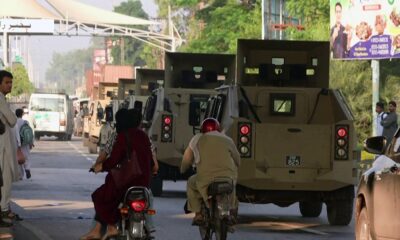
Pakistan deploys military to Peshawar after emergency rule declared
-

 Sport2 days ago
Afghan futsal coach: Brazil tournament is first step towards new goals and World Cup
-

 Sport5 days ago
Bangladesh take 329-run lead against Afghanistan in one-off Test
-
 Business4 days ago
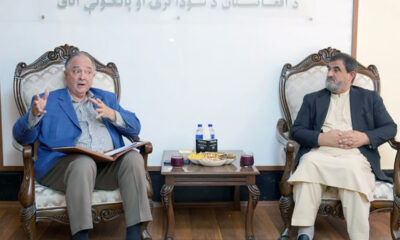
Afghanistan, US business leaders discuss trade and investment opportunities
-

 Latest News5 days ago
Muttaqi meets OIC deputy secretary-general to discuss expanding cooperation with Afghanistan