
Latest News
IEA’s supreme leader calls on officials to adhere to amnesty orders

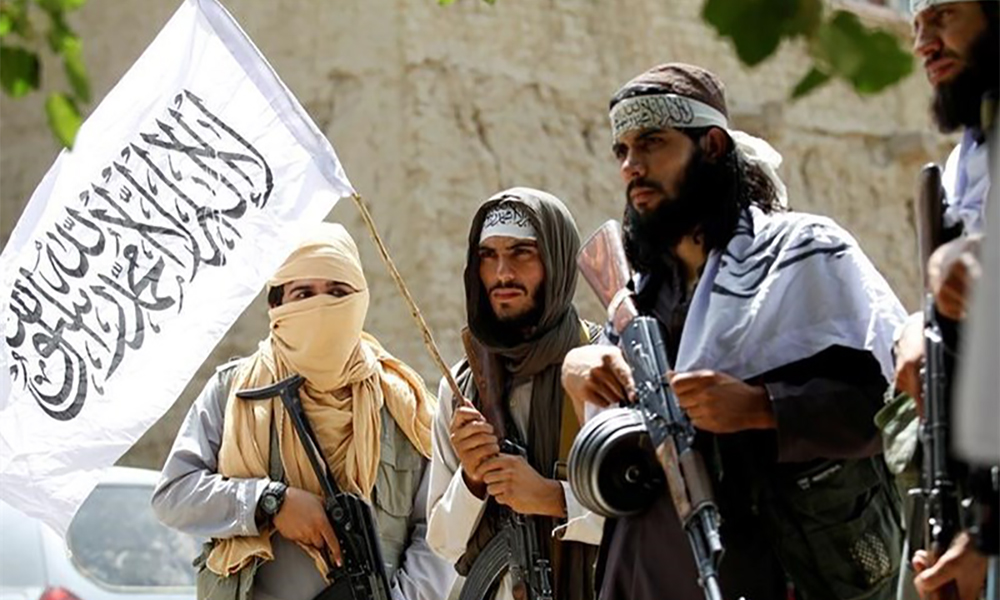
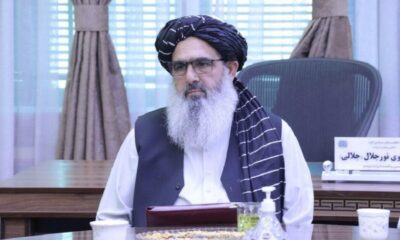
The Islamic Emirate of Afghanistan’s (IEA) spokesmen and sources have published a document containing recommendations made by the IEA’s supreme leader Mullah Hibatullah Akhundzada on certain issues including that of amnesty.
The recommendations were reportedly made by Mullah Akhundzada at a large gathering of IEA officials in Kandahar recently, where he called on officials to respect his call for amnesty.
Some of the recommendations made also relate to the IEA’s internal relations.
According to the IEA, Mullah Akhundzada advised IEA forces to respect his call for amnesty and stressed that former government employees should not be punished for “previous crimes”.
According to a text published by Mohammad Naeem, a spokesman for the IEA’s political office, Mullah Akhundzada said that everyone in the country must be respected and that the dignity of the people in the country should be maintained and that no Afghans should leave the country.
He called on IEA officials, scholars, tribal elders, governors and district governors to convince those who want to leave the country to stay at home.
He also called on IEA officials to become a “safe haven” for the people and to preserve their dignity; because all Afghans expect this of them.
The IEA leader has also made some recommendations regarding their internal relations. He told IEA officials that they may not assume responsibility themselves but that if the elders gave them responsibilities, they would obey their orders.
Mullah Akhundzada has instructed his people to carry out their assigned responsibilities in accordance with the principles and procedures laid out by the IEA and to refrain from acting randomly.
“Do some kind of responsibility that you can see with open eyes tomorrow,” he said. “Always seek the advice of scholars in order to take better responsibility.”
The IEA leader has advised his people to think of all Afghans as their brothers.
He also called on the people under his command to ensure the people aren’t suppressed, and to refrain from beating them.
The IEA officials have been advised by their leader to not use the “tools provided by Allah” for “oppression and exaggeration” purposes and to exercise patience when carrying out their duties.
The IEA leader also stressed: “Fight for justice together and give everyone their dues. Do not coerce in responsibility, do not be individualistic and do not assign duties to anyone based on language and ethnicity, but assign duties based on talent.
“Respect the elders, do not complain about them, be honored and do not do anything without the permission of the elders.”
Mullah Akhundzada also stressed the need for good coordination between IEA officials and for them to refrain from interfering in each other’s affairs.
He also said officials are to observe good morals and to ensure the safety of the people during night patrols and to remain committed to the IEA government.
He concluded by stressing that the IEA was in for a big test, and urged officials “to pass the test”. He said: “Let’s make a good history.”
Soon after their takeover of Kabul, the IEA announced a general amnesty but reports have indicated that some former military personnel have carried out assassinations, targeting IEA forces.
The IEA however denies these allegations. Meanwhile, some IEA members in the provinces have also complained about injustice and the unfair distribution of privileges, facilities and power among their ranks.
Last month, Human Rights Watch issued a report that said the amnesty promised by the IEA had not stopped local commanders from targeting former soldiers and police.
HRW accused the leadership of “condoning” the “deliberate” killings.
According to the HRW report, published on Tuesday, the targeted killings have continued under the IEA administration, with more than 100 people being killed or having disappeared across four provinces – Ghazni, Helmand, Kunduz, and Kandahar – between mid-August and November.
“The Taliban (IEA) leadership’s promised amnesty has not stopped local commanders from summarily executing or disappearing former Afghan security force members,” said Patricia Gossman, associate Asia director for HRW.

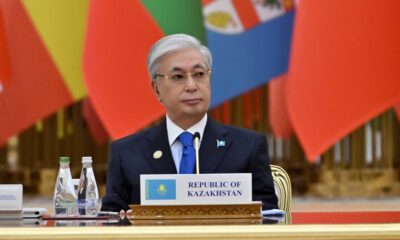

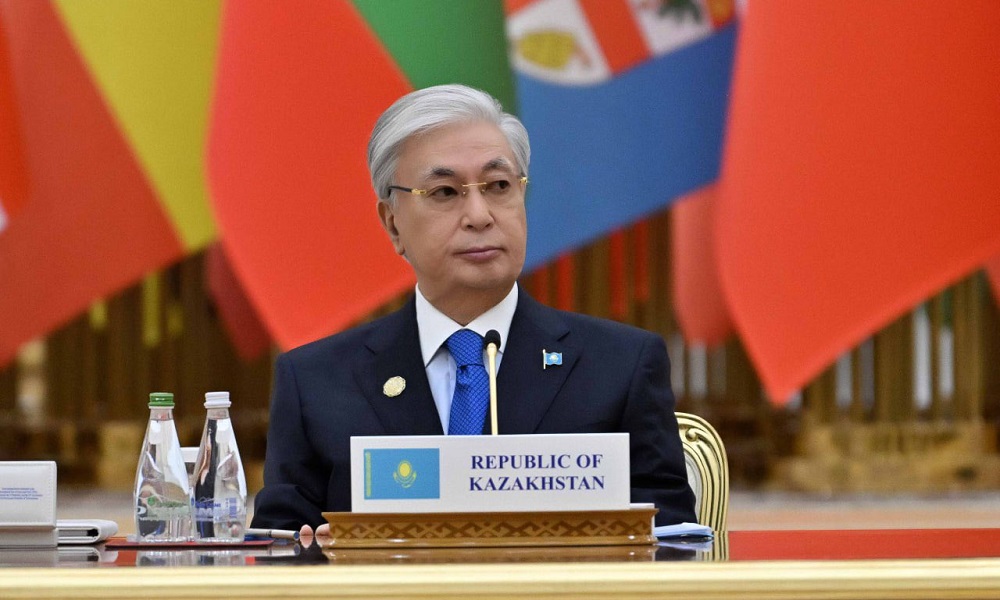
Kazakhstan’s President Kassym-Jomart Tokayev has emphasized the continuation of humanitarian assistance to Afghanistan, stating that the ongoing provision of such aid plays an important role in ensuring regional security.
Speaking at the international conference “Peace and Trust” in Ashgabat, the capital of Turkmenistan, Tokayev described addressing complex humanitarian challenges and the reconstruction of Afghanistan as a necessity.
“To ensure regional security, we consider it essential to continue providing assistance to Afghanistan, including by strengthening international efforts to address complex humanitarian issues and the reconstruction of this country. Kazakhstan remains committed to supporting the people of Afghanistan through humanitarian aid, educational projects, trade development, and food security initiatives,” he said.
Meanwhile, experts believe that sustainable improvement of the humanitarian situation in Afghanistan requires broad cooperation from the international community and support for the country’s economic development.
“Investment can be defined as one of the fundamental drivers of the economic cycle, and whenever Afghan traders do not take their money out of the country and instead invest domestically, it naturally leads to greater growth and dynamism in Afghanistan’s economy,” said Abdul Zahoor Modabber, an economic analyst.
As the humanitarian crisis in Afghanistan continues, reports by international relief organizations indicate that millions of citizens of the country are in urgent need of food, health, and livelihood assistance.
The reduction in funding for aid organizations, the impacts of climate change, and the return of migrants have increased concerns about a further deterioration of the humanitarian situation in the country.
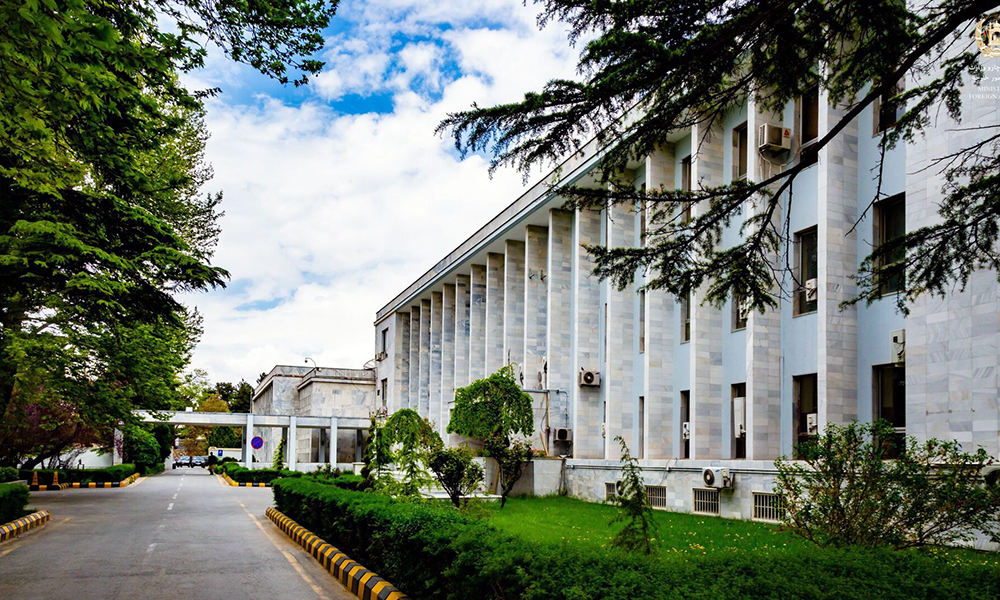
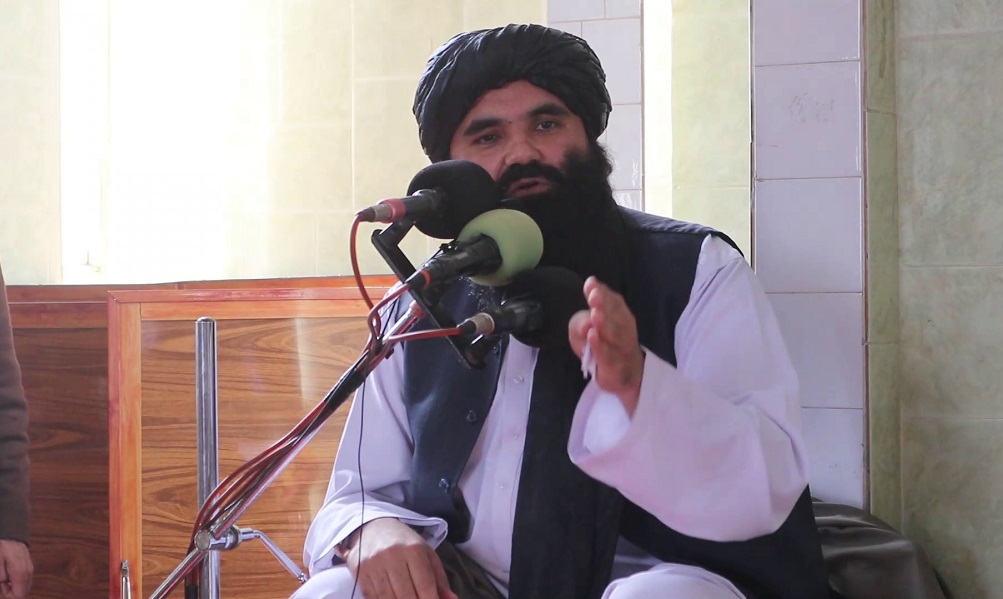
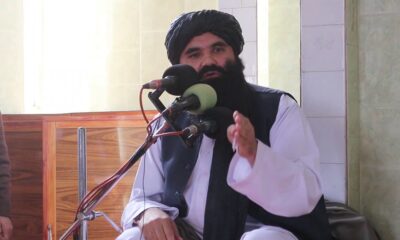
Khalifa Sirajuddin Haqqani, Minister of Interior of the Islamic Emirate of Afghanistan, said during a visit to Khost province on Friday that any government which rules through fear cannot be considered a true government.
“A government is one that is loved by its people, one that serves them with respect and compassion, and from whose behavior people learn ethics and sincerity,” he said.
Haqqani also stressed that Afghans who opposed the Islamic Emirate in the past should be tolerated and treated in a way that helps eliminate hostility and animosity, paving the way for national cohesion.


Continued aid to Afghanistan vital for regional security: Kazakh president

Islamic Emirate declines to attend Tehran meeting on Afghanistan

Sirajuddin Haqqani: A government that intimidates its people is not a true government

Afghanistan’s health minister likely to visit India next week

Top Pakistani, British officials discuss Afghan relocation

Pakistan will lose big market in both Afghanistan, Central Asia: Sarhadi

Afghanistan records $580m in fruit exports in six months

Tashkent: Central Asian leaders say regional stability hinges on Afghanistan

Afghan Abdalyan beat Sri Lanka A by 3 wickets in Rising Stars Asia Cup opener

Afghanistan U19 cricket team defeats India A U19

Saar: Calls to avoid using Afghan soil against nations

Tahawol: UNSC meeting outcome regarding Afghanistan discussed

Saar: Ongoing Kabul–Islamabad tensions discussed

Tahawol: Pakistan’s warning on Afghanistan reiterated

Saar: UN’s meeting on Afghanistan reviewed
-

 Sport4 days ago
ILT20: Desert Vipers edge Gulf Giants in historic super over thriller
-
 Latest News2 days ago
Muttaqi: Afghanistan’s progress requires both religious and modern education
-

 Regional4 days ago
Six Pakistani soldiers killed in TTP attack in Kurram District
-

 Business4 days ago
Trade bodies warn almost 11,000 Afghan transit containers stuck at Karachi port
-
 World4 days ago
Powerful 7.6 earthquake hits northern Japan, tsunami warnings issued
-

 Latest News3 days ago
Trump calls Afghanistan a ‘hellhole’ country as US expands immigration restrictions
-
 Sport5 days ago
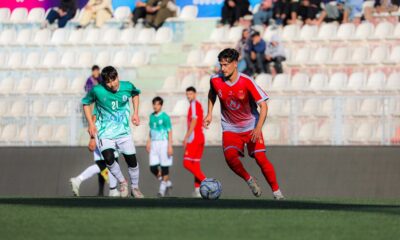
Sorkh Poshan Khafi defeats Sarsabz Yashlar 4-0 in Afghanistan Champions League
-

 Sport3 days ago
Commanding wins for Arman FC and Sarsabz Yashlar in Afghanistan Champions League