
Latest News
IEA says resistance happening only on internet

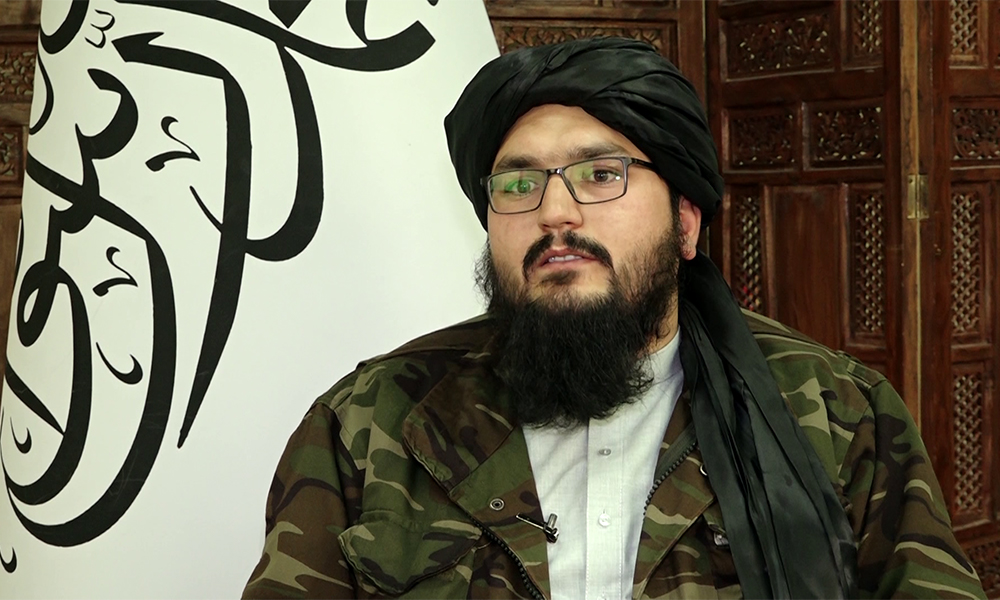
The Islamic Emirate of Afghanistan (IEA) has downplayed threats from its opposition that it will launch offensive in the coming spring, saying resistance is happening only on the internet.
The Ministry of Defense said the government has put in place all the necessary capabilities during the past seven months and there are troops to counter any possible threats.
Enayatullah Khowarazmi, a spokesman for MoD, said that currently no group controls any area in Afghanistan.
“There is no vulnerable area. All the areas are under our control. No movement or group officially controls any area. There is only online resistance,” the spokesman said.
He also downplayed the threat of Daesh, saying it will not find support from the public.
Experts also believe that Daesh cannot take root in Afghanistan.
“The entire territory of Afghanistan is in the hands of the Taliban… Daesh will be eliminated wherever they emerge,” said Sarwar Niazi, a military expert.
IEA is carrying out house-to-house searches in Kabul and claims to have seized a large number of weapons.
Experts believe the operation is part of measures to counter threats from the opposition.
The National Resistance Front (NRF) has already stated that it is preparing for an offensive in the spring of 2022.
Rahmatullah Hasan, a political expert, however, said that the parties should negotiate and reach an agreement to avoid another phase of conflict in Afghanistan.
“Forty years of war is enough as it has brought a lot of suffering for the nation… we suggest to the Taliban leadership to launch serious intra-Afghan negotiations in order to reach a serious agreement. You should be cautious of your enemy even it is not big,” Hasan said.






Latest News
Karzai calls for reopening schools and universities to Afghan girls on International Day of the Girl
Karzai said the day reminds the international community of its significant responsibility towards girls and urged everyone not to neglect their empowerment.
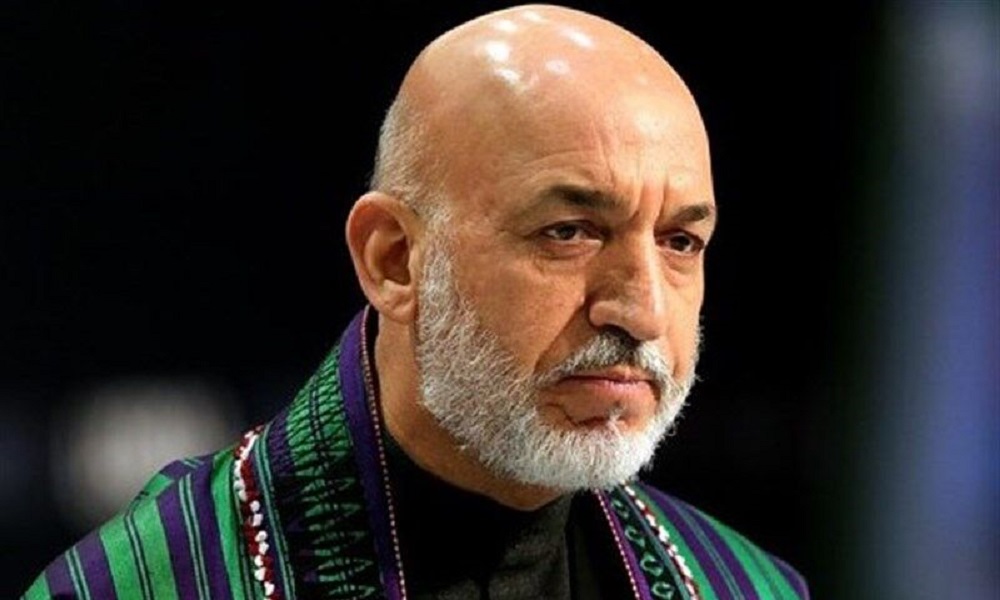
Former Afghan President Hamid Karzai has called for the empowerment of girls alongside boys, stressing the importance of providing them with full educational opportunities on the occasion of the International Day of the Girl.
Karzai said the day reminds the international community of its significant responsibility towards girls and urged everyone not to neglect their empowerment.
He emphasized that Afghanistan must focus more than ever on empowering girls to achieve growth and development. According to Karzai, this can only be achieved by ensuring that girls have access to all educational opportunities and can pursue higher education to serve their people and country.
Marking the occasion, the former president expressed hope that schools and universities would reopen to girls as soon as possible, allowing them to contribute to Afghanistan’s progress through their knowledge, expertise and skills, and become a source of pride for the country internationally.
Karzai also said the Afghan people, with their ancient cultural heritage and deep respect for women and girls, take pride in recognizing their position, achievements and courage at national and international forums.
Latest News
Muttaqi meets OIC deputy secretary-general to discuss expanding cooperation with Afghanistan
The ministry said the emergence of new opportunities across various sectors was also highlighted during the meeting.
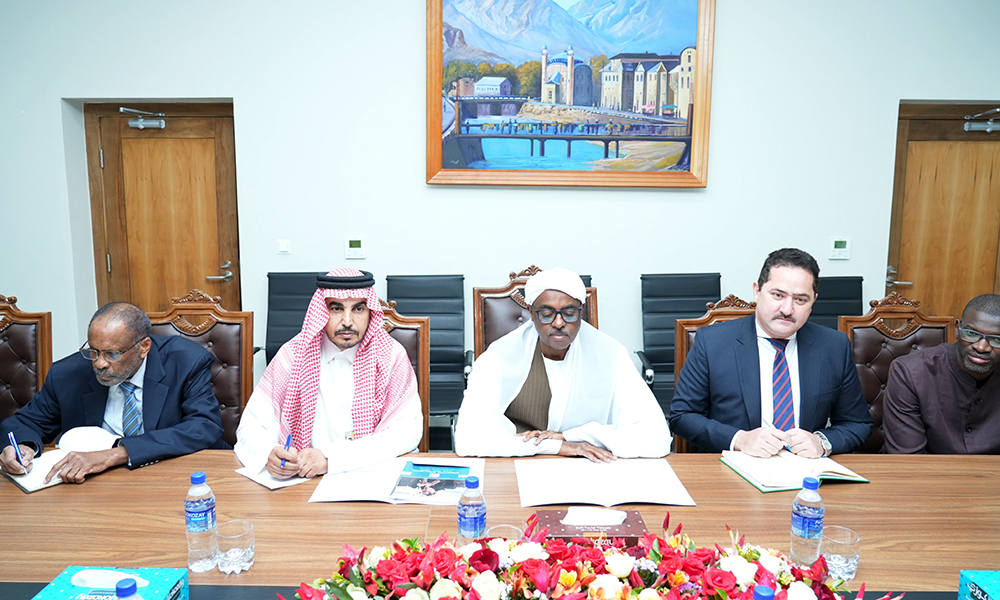
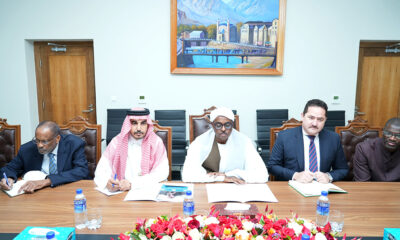
Afghanistan’s Ministry of Foreign Affairs says Foreign Minister Amir Khan Muttaqi has met with Ambassador Tariq Ali Bakheet, Deputy Secretary-General of the Organisation of Islamic Cooperation (OIC), to discuss bilateral relations and opportunities for expanded cooperation.
According to a statement issued by the ministry, the meeting began with congratulations on the appointment of the organisation’s new secretary-general. The two sides also discussed Afghanistan’s important place in the OIC’s vision and the need for constructive engagement with the country.
The discussions covered the situation in Afghanistan and the wider region, as well as political and economic developments in regional and international countries.
The ministry said the emergence of new opportunities across various sectors was also highlighted during the meeting.
At the conclusion of the talks, both sides stressed the importance of further strengthening relations between Afghanistan and the OIC and opening new avenues for cooperation.
Latest News
Afghanistan ranks third globally in deaths from unexploded ordnance, UNAMA warns
UNAMA urged people not to touch unfamiliar or suspicious objects and to report them immediately to the relevant authorities.
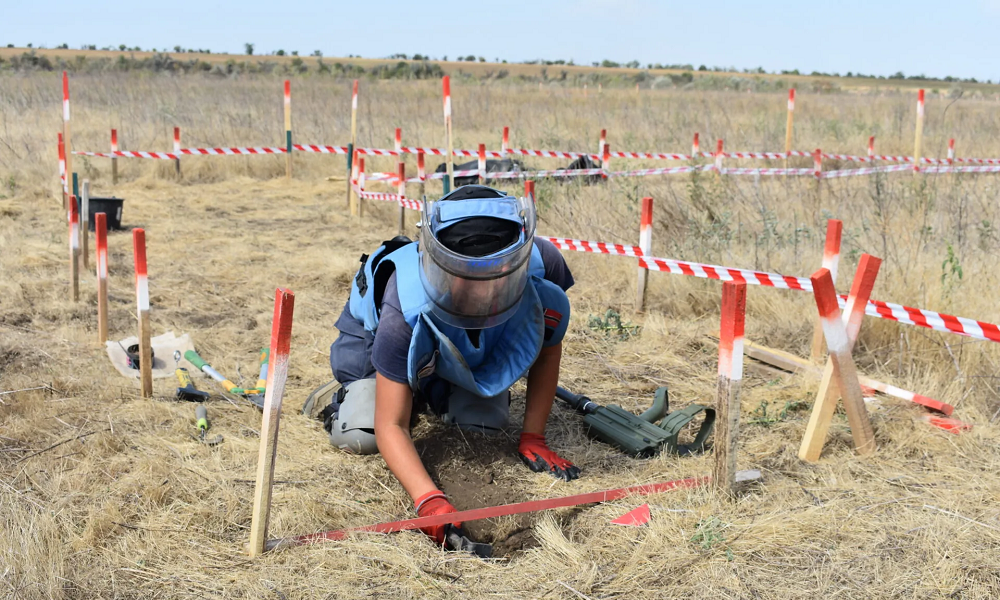
Afghanistan ranks third worldwide in fatalities caused by unexploded ordnance, with large areas of the country still contaminated by landmines and explosive remnants of war, the United Nations Assistance Mission in Afghanistan (UNAMA) has warned.
In a public message, UNAMA said the United Nations continues to seek funding for mine-clearance organizations working to remove landmines and other explosive remnants of conflict. These organizations also conduct awareness campaigns to educate communities about the dangers posed by unexploded devices.
Children are particularly vulnerable, accounting for 80 percent of all casualties caused by these explosive hazards, according to UNAMA. Many are injured or killed after encountering unexploded ordnance while playing.
The UN mission stressed that public awareness and collective action are essential to preventing further casualties and saving lives.
UNAMA urged people not to touch unfamiliar or suspicious objects and to report them immediately to the relevant authorities.
The warning highlights the continuing humanitarian consequences of decades of conflict in Afghanistan, where landmines and unexploded ammunition remain a serious threat to civilians, particularly children.
UNAMA called for sustained support for mine-clearance operations and stronger community awareness initiatives to reduce casualties and make contaminated areas safer.


Tahawol: EU appointing new envoy for Afghanistan

Saar: Pakistan’s political, security and economic crises

Bangladesh take 329-run lead against Afghanistan in one-off Test

Afghanistan Champions League second half to kick off on October 16

Karzai calls for reopening schools and universities to Afghan girls on International Day of the Girl

EU and FAO launch €5m programme to strengthen Afghanistan’s agrifood sector

Cricket Bonanza: Afghanistan set for packed international schedule

Houthi advance in Yemen puts U.S. in a new bind

New warnings reignite debate over AI threat to humanity

UN warns of mounting humanitarian and human rights pressures in Afghanistan
Tahawol: EU appointing new envoy for Afghanistan
Saar: Pakistan’s political, security and economic crises

Saar: Ongoing expulsion of Afghan refugees from Iran and Pakistan discussed

Tahawol: CSTO meeting on Afghanistan reviewed

Saar: Guterres’s talks with Pakistani officials on Afghanistan discussed
-

 Regional3 days ago
Trump says US will not attack Iran before midterm elections in November
-
 Business5 days ago
Baradar opens Fifth Imam Abu Hanifa International Exhibition in Kabul
-

 International Sports5 days ago
Lionel Messi bids tearful farewell to Argentina after 3-0 win over Benin
-
 Business4 days ago
Russia-Afghanistan trade surges 150% in first seven months of 2026
-
 World4 days ago
Denmark says Russia has conducted sabotage attacks against its defense firms
-
 World5 days ago
Vance says Iran must cut enrichment to end war
-
 World3 days ago
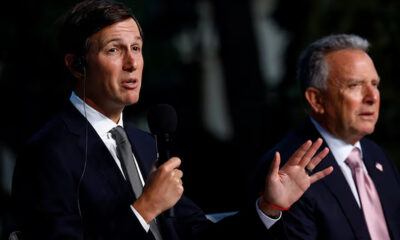
Witkoff, Kushner to meet Ukrainians for talks on the war, says US source
-

 Sport3 days ago
Arman FC defeat Istiqlal Kabul 3-2 in thrilling comeback