
Latest News
IEA rejects UN report, says findings on al-Qaeda and Daesh are untrue

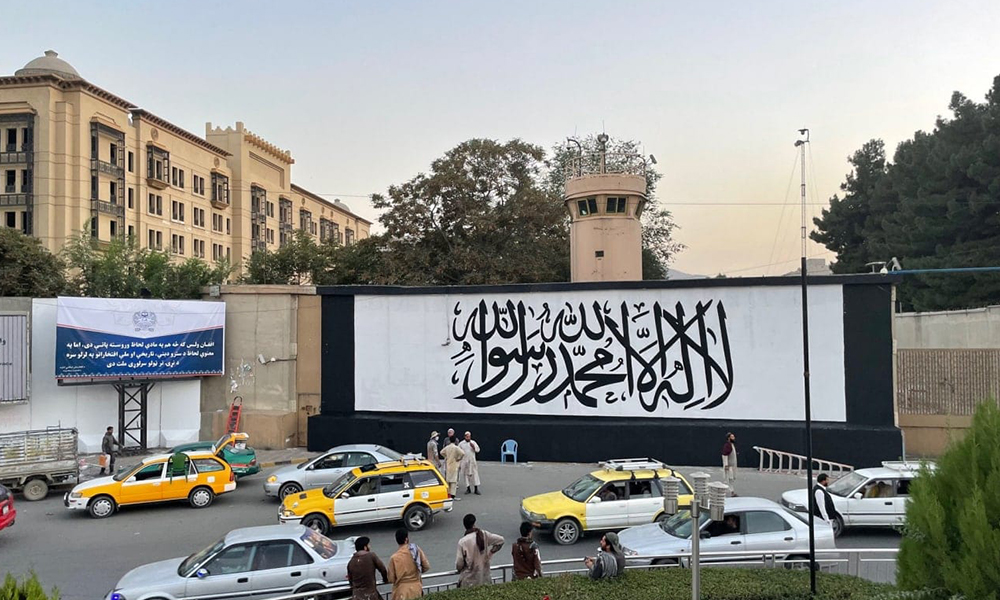
The Islamic Emirate of Afghanistan (IEA) on Monday rejected a report by the UN Security Council Monitoring Group that militant groups in the country enjoy greater freedom in Afghanistan since the take over by the IEA in August.
According to the report, which was released last week, the UN stated that the return of the IEA to power has raised concerns globally about the possibility of it becoming a safe haven for Al-Qaida and its affiliates in the country and a potential magnet for terrorist fighters from other regions to travel to the country.
“The security landscape in Afghanistan changed dramatically on 15 August,
when the Taliban (IEA) took control of the country. There are no recent signs that the Taliban (IEA) has taken steps to limit the activities of foreign terrorist fighters in the country.
“On the contrary, terrorist groups enjoy greater freedom there than at any time in recent history,” the report read adding however, that “Member States have not reported significant new movements of foreign terrorist fighters to Afghanistan”.
The IEA meanwhile said in a statement Monday that it strongly rejects the claims in the report and stated it does not consider such reports “in which there is no evidence to be in the interests of Afghanistan, the region and the world”.
The IEA stated that “the best security in Afghanistan has been provided since the Islamic Emirate came to full sovereignty” in August last year.
“The Islamic Emirate has fulfilled its obligations under the Doha Agreement and does not allow anyone to pose a threat from Afghanistan to other countries, and expects the same from others,” read the statement.
The IEA also stated that “as a responsible system, [the IEA] will play a positive role in the security and stability of Afghanistan, the region and the world by using the available facilities and opportunities, and hopes that other parties, including the UN Security Council, will understand these facts and make responsible statements”.
The latest report of the UN Security Council on activities of the Islamic State and al-Qaeda and their affiliates also stated that Osama bin Laden’s son, Abdallah, visited Afghanistan in October “for meetings with the Taliban (IEA)”.
The UN’s sanctions monitoring team prepares such reports twice a year as part of efforts to implement sanctions imposed on the Islamic State and al-Qaeda.
The committee found that al-Qaeda in the Indian subcontinent (AQIS), which is led by Osama Mehmood and his deputy Atif Yahya Ghouri, “retains a presence in Afghanistan, in the provinces of Ghazni, Helmand, Kandahar, Nimruz, Paktika and Zabul, where the group fought alongside the Taliban (IEA)” against the ousted government of Ashraf Ghani.
AQIS is estimated to have between 200 and 400 fighters, mainly from Afghanistan, Bangladesh, India, Myanmar and Pakistan, the report said.
However, the report concluded that the IEA has acted to rein in the anti-China terror group Turkistan Islamic Party (TIP), also known as Eastern Turkistan Islamic Movement (ETIM).
“Some Member States reported that, following the Taliban’s (IEA) return to power, ETIM/TIP fighters were relocated from their traditional stronghold in Badakhshan province, on the border with China, to Baghlan, Takhar and other provinces, as part of the Taliban’s (IEA) efforts to both protect and restrain the group,” the report said.

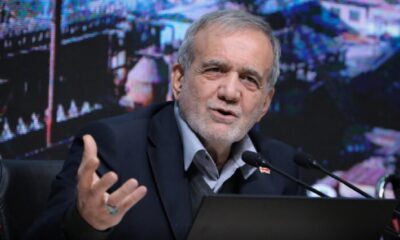
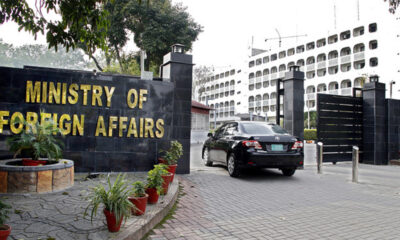



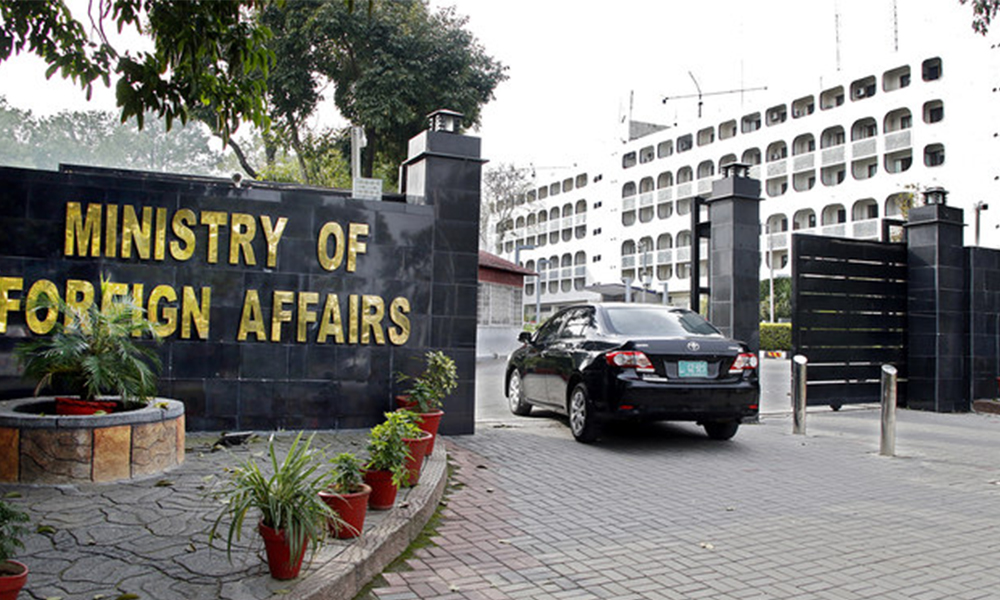
Pakistan on Friday summoned Afghan Deputy Head of Mission in Islamabad to convey “strong demarche” over a deadly attack on a military camp in North Waziristan District that killed four Pakistani soldiers.
In a statement, Pakistan’s Ministry of Foreign Affairs said the attack was carried out by a faction of Tehreek-i-Taliban Pakistan (TTP).
The statement said that Pakistan conveyed “grave concern over the continued support and facilitation” provided by the Islamic Emirate to TTP.
Pakistan has demanded “a full investigation and decisive action against the perpetrators and facilitators of the terrorist attacks launched against Pakistan from Afghan soil.”
It urged the Islamic Emirate “to take immediate, concrete and verifiable measures against all terror groups operating from its territory, including their leadership, and deny the continued use of Afghan soil for terrorism against Pakistan.
According to the statement, the Islamic Emirate has been “categorically informed that Pakistan reserves the right to defend its sovereignty and protect its citizens, and will take all necessary measures to respond to terrorism originating from Afghan soil.”
Pakistani officials have repeatedly claimed that attacks in the country are originated from Afghan soil, a charge the Islamic Emirate denies.
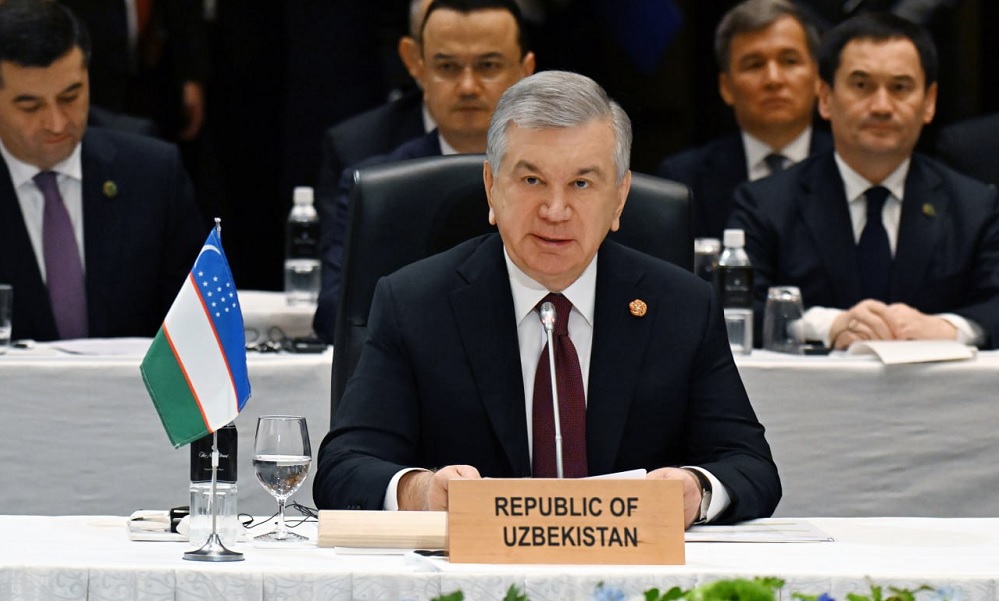
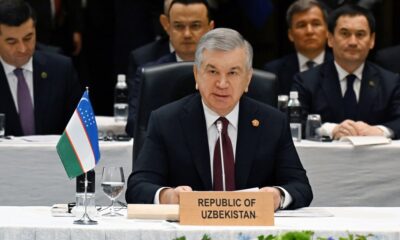
President of Uzbekistan Shavkat Mirziyoyev has underscored Afghanistan’s continued importance in regional cooperation, saying the country remains one of the key areas of interaction among regional partners.
Addressing the first summit of the “Central Asia Plus Japan” dialogue, Mirziyoyev said participating countries share a common aspiration to see Afghanistan become peaceful, stable, and oriented toward meaningful development.
The Uzbek president praised Japan’s longstanding and consistent support for Afghanistan, noting that Tokyo has for many years been among the leading donors and partners assisting the Afghan people.
He expressed confidence that coordinated efforts and joint contributions by regional countries and Japan would help improve living standards in Afghanistan, advance socio-economic and infrastructure development, and facilitate the country’s active involvement in regional economic projects.
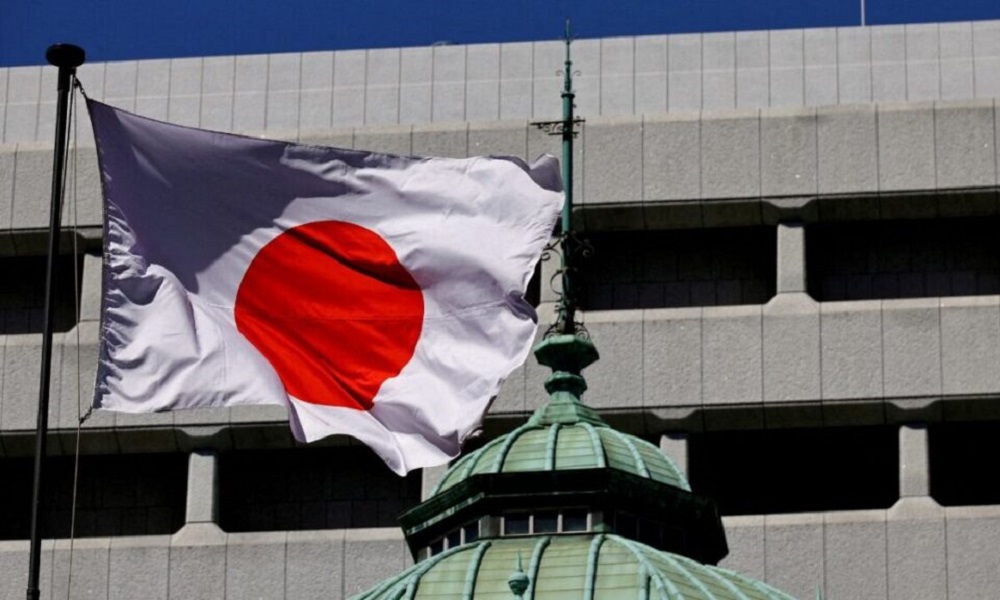
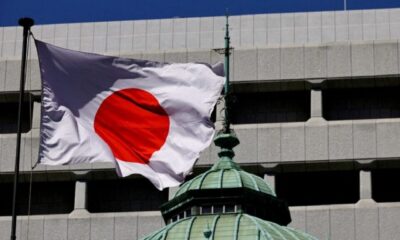
The Embassy of Japan in Afghanistan announced on Friday that the country has allocated $19.5 million in humanitarian assistance to Afghanistan.
In a statement, the Japanese Embassy said it hopes the aid will help bring positive change to the lives of vulnerable Afghans.
According to the statement, the assistance will cover the basic humanitarian needs of vulnerable communities in Afghanistan.
The embassy added that the aid will be delivered through United Nations agencies, international organizations, and Japanese non-governmental organizations operating in Afghanistan.
Japan’s total assistance to Afghanistan since August 2021 has reached more than $549 million.


Pezeshkian pledges to facilitate Iran-Afghanistan trade

Pakistan summons Afghan diplomat over deadly attack in North Waziristan

Uzbek president stresses Afghanistan’s role in regional economic projects

US hits Daesh in Syria with large retaliatory strikes, officials say

Tawsia: India’s enthusiasm for investing in Afghanistan discussed

Afghanistan U19 cricket team defeats India A U19

Afghanistan economy under pressure as Pakistan shocks reshape trade flows

Gaza death toll tops 70,000, health ministry says

India set to establish pharmaceutical factories in Afghanistan: MoIC

Afghanistan offers tax breaks, free land to attract Indian investors
Tawsia: India’s enthusiasm for investing in Afghanistan discussed

Tahawol: Global concerns over migration escalation discussed

Saar: Calls for Afghanistan’s balanced, economy-oriented foreign policy discussed

Tahawol: Discussion on regional countries’ meetings on Afghanistan

Saar: Regional efforts to address Afghanistan-Pakistan issues discussed
-
 Latest News4 days ago
IEA supreme leader stresses enforcement of Sharia law and sincere public service
-

 International Sports5 days ago
ILT20: Desert Vipers qualify for playoffs with five-wicket win over Dubai Capitals
-

 International Sports5 days ago
ATN secures broadcast rights for four major AFC sporting events
-

 Sport4 days ago
ILT20: Sharjah Warriorz secure 11-run victory over Gulf Giants
-
 Business4 days ago
Afghanistan, India discuss expanding investment opportunities
-

 International Sports3 days ago
IPL 2026: Teams take shape after auction as franchises balance star power and depth
-

 Sport4 days ago
Abu Muslim Farah crowned champions of fifth season of Afghanistan Champions League
-

 International Sports3 days ago
ILT20: Abu Dhabi Knight Riders end Desert Vipers’ unbeaten run in dramatic one-run win