
Latest News
IEA officials visit victims of Pakistani airstrikes, deny existence of TTP

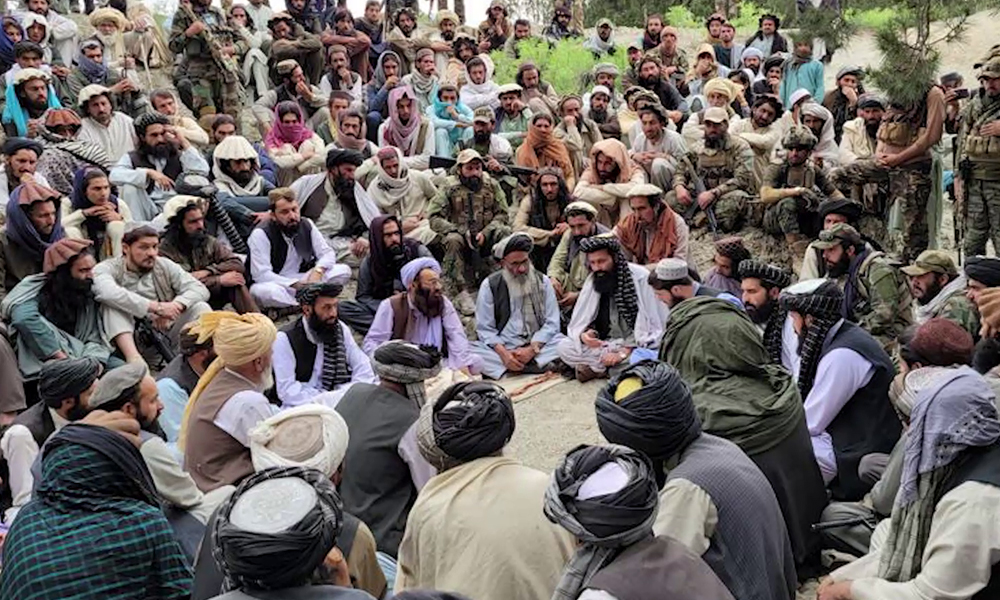
The Deputy Chief of Staff of the Ministry of Defense, Mali Khan, visited families of victims of Pakistani airstrikes in Khost on Monday and said they have strengthened Afghanistan’s borders with more troops, weapons and equipment.
The Ministry of Defense says that Islamic Emirate of Afghanistan (IEA) forces are ready to defend their country against any threat and that there is no power in the region or in the world to fight these forces.
At the same time, the IEA’s spokesman denies the presence of the Pakistani Taliban (TTP) in Afghanistan.
He also said IEA forces are defending Afghanistan and that the tensions with Pakistan will be resolved through diplomatic channels.
During the visit Khan urged the families of victims to be patient but said no military order has been given in terms of responding to the airstrikes.
Khan, however, says Afghanistan’s borders have been strengthened with more troops, weapons and equipment.
“Forces, weapons and other equipment have reached the border, no power can oppose the forces of the Islamic Emirate, I assure you that as in the past you lived in peace, from now on live in peace,” he said.
At the same time, the IEA’s spokesman has denied the presence of the Tehreek-e-Taliban Pakistan (TTP) in Afghanistan, but did say there could be problems in the mountainous and remote areas.
Zabihullah Mujahid, said that the forces of the Islamic Emirate are defending Afghanistan and that tensions with Pakistan will be resolved through diplomatic channels.
“We do not admit the existence of TTP, we do not allow anyone to use Afghan territory against another country or threaten our territory against Pakistan. Even if there are problems in difficult mountainous areas, they should be resolved jointly, not by bombing and attacks,” said Mujahid.
This comes after at least 47 people, including women and children, were killed and more than 20 others were injured in Pakistani military airstrikes and rocket attacks in Kunar and Khost provinces on Friday night.
Pakistan claims it has carried out attacks against Pakistani Taliban insurgent centers that threaten its security and stability from Afghanistan, as well as because of sniper attacks by the group that attack Pakistani troops from Afghanistan.





Latest News
ARCS, UNAMA discuss aid for families affected by past hardships
ARCS president said decades of hardship had left many families without guardians and contributed to psychological difficulties and stressed the need for targeted assistance.
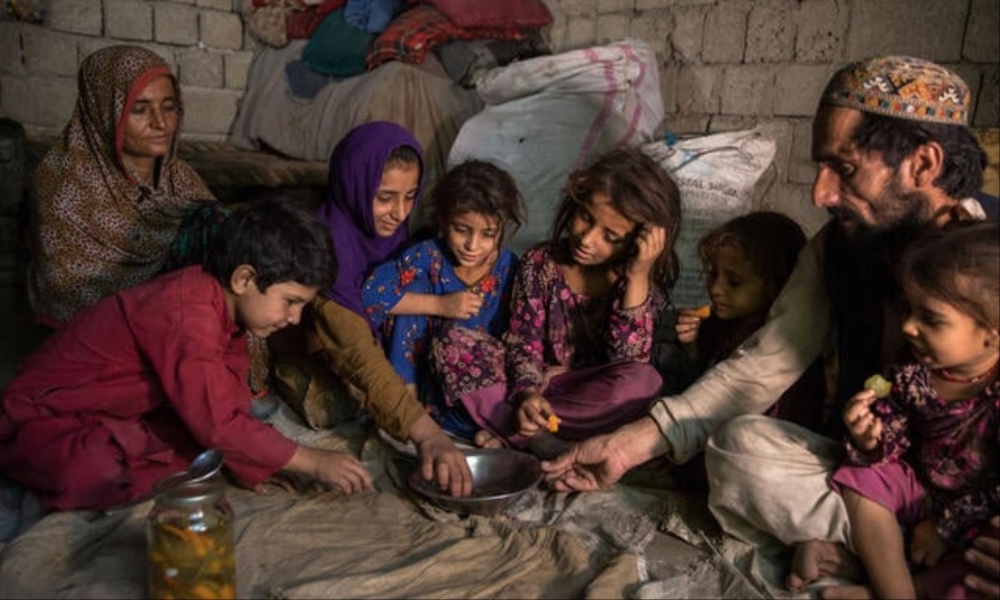
The Afghan Red Crescent Society (ARCS) and the United Nations Assistance Mission in Afghanistan (UNAMA) have discussed ways to strengthen humanitarian assistance for individuals and families affected by hardships over the past two decades.
The discussion took place during a meeting between Shahabuddin Delawar, president of the ARCS, and Fiona Fraser, UNAMA’s chief of human rights, along with their respective delegations.
Delawar briefed the UNAMA delegation on the ARCS’s humanitarian activities, saying the organization provides healthcare and relief services to vulnerable people, disaster-affected communities, families without guardians, and patients through its seven regional offices and 34 provincial branches across Afghanistan.
He said decades of hardship had left many families without guardians and contributed to psychological difficulties and drug addiction among some individuals, stressing the need for targeted assistance based on their specific needs.
Delawar also reaffirmed the ARCS’s readiness to coordinate with UNAMA to expand humanitarian support across the country, adding that the organization distributes aid to eligible families systematically and transparently.
Fraser praised the ARCS’s humanitarian efforts and stressed the importance of continued support for vulnerable individuals and families and improving the effectiveness of aid delivery.
Both sides underscored the need for closer cooperation and coordination to expand humanitarian services and ensure assistance reaches those most in need.
Latest News
Afghanistan’s new Wakhan road to China faces major hurdles
However, China has yet to open its border for regular commercial transit, leaving the route’s immediate economic potential uncertain.
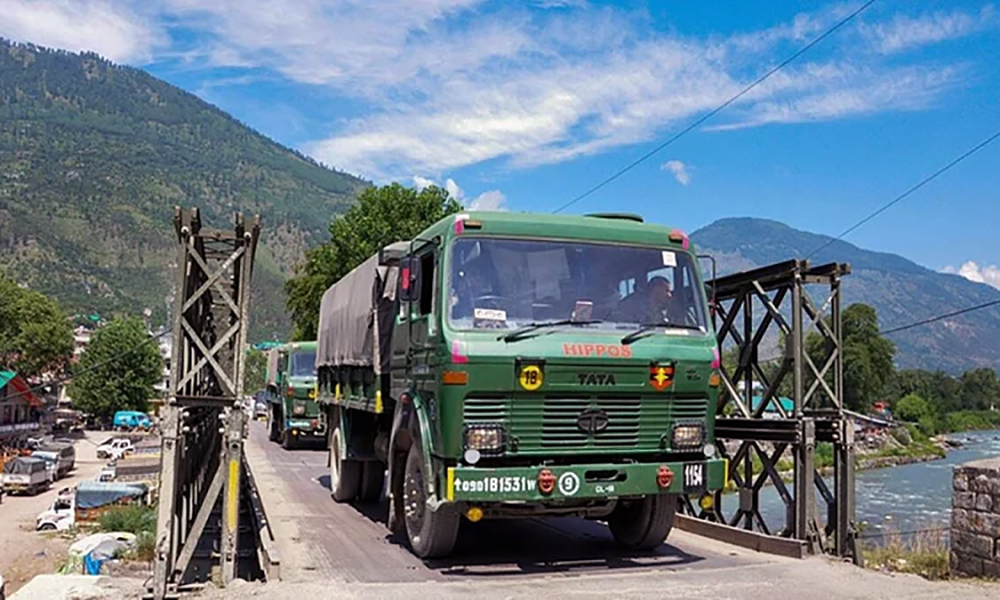
Afghanistan’s newly inaugurated Wakhan Transit Road could offer an alternative trade route to China and reduce reliance on Pakistan, but Beijing’s border restrictions, security concerns and difficult terrain remain major obstacles, The Diplomat reports.
The 121-kilometre road in Badakhshan province’s remote Wakhan district was inaugurated on October 4 after approximately three years of construction. The project cost an estimated 365 million afghanis ($5.6 million), funded by the Islamic Emirate’s Ministry of Rural Rehabilitation and Development.
According to The Diplomat, Afghan officials view the road as a strategic economic achievement that could improve access to Chinese markets, particularly amid disruptions to trade with Pakistan.
However, China has yet to open its border for regular commercial transit, leaving the route’s immediate economic potential uncertain.
The road is intended to diversify Afghanistan’s trade links and reduce its vulnerability to border closures and restrictions imposed by neighbouring countries. However, China’s established transport networks across Central Asia raise questions about whether the Wakhan corridor can compete commercially with existing routes.
Security remains another major obstacle. The Diplomat notes that Beijing has expressed concerns about militant activity in Afghanistan, particularly groups it considers threats to its Xinjiang region, and has pressed the Islamic Emirate to prevent Afghan territory from being used to threaten Chinese interests.
Afghanistan has previously sought closer integration with China’s Belt and Road Initiative and explored extending the China-Pakistan Economic Corridor into Afghanistan. Progress has been complicated by tensions between Kabul and Islamabad.
While the Wakhan road could strengthen Afghanistan’s economic links with China and create opportunities for local communities, a functioning trade corridor would require Chinese border approval, security arrangements and supporting transport infrastructure.
Until those conditions are met, the road remains a significant strategic investment, but its potential to become a major international trade route is still uncertain, The Diplomat concludes.

The European Union has allocated 12 million euros to provide life-saving healthcare, nutrition, protection, and water and sanitation services to more than 347,000 people in crisis-affected communities across southern and southwestern Afghanistan.
The funding, provided through the EU Directorate-General for European Civil Protection and Humanitarian Aid Operations (DG ECHO), will be delivered by humanitarian organization INTERSOS in partnership with Solidarités International and Médecins du Monde.
The 12-month initiative, known as the Lifesaving Integrated Framework for Essential Services (LIFES), runs from June 1, 2026, to May 31, 2027. It will cover 28 locations across six provinces: Kandahar, Zabul, Uruzgan, Helmand, Farah and Nimroz.
The project is expected to indirectly benefit nearly 1.27 million people, while an additional 39,175 people could receive rapid emergency assistance in response to disease outbreaks, climate-related disasters and displacement.
The funding comes as 21.9 million people in Afghanistan are estimated to require humanitarian assistance in 2026. Children under five, pregnant and breastfeeding women, people with disabilities and families in remote and underserved areas continue to face significant barriers to accessing essential services.


ARCS, UNAMA discuss aid for families affected by past hardships

Afghanistan’s new Wakhan road to China faces major hurdles

EU allocates 12 million euros for humanitarian assistance in Afghanistan

Afghanistan beat Bangladesh by seven wickets to reach tri-series final

Russia to expand security and defence cooperation with Afghanistan
Cricket Bonanza: Afghanistan set for packed international schedule

Afghanistan says 28 killed, 32 captured in Nuristan operation

Silk Road highway in Wakhan corridor now reaches the China border

Afghanistan on climate front line as Kabul faces groundwater warning

ACB announces Afghanistan squads for Bangladesh, Zimbabwe series

Tahawol: Doha meeting and Afghanistan’s political and economic future discussed

Saar: Concerns over expansion of conflict between Iran and US discussed

Governments warn citizens over security risks in France after riots

Tahawol: Iran’s reaction to Pakistan’s mediation discussed

Saar: Review of SCO meeting in Tajikistan
-

 Sport5 days ago
Afghanistan reach Brazil futsal tournament final after beating Cape Verde 4-2
-
 World4 days ago
Violent protests spread across Europe as Albanian PM blames ‘foreign hand’
-

 Sport4 days ago
Afghanistan finish runners-up after 6-0 defeat to Brazil in futsal final
-
 Latest News5 days ago
Hegseth says only a few NATO allies were involved in fighting in Afghanistan
-

 World5 days ago
France rocked by nationwide clashes, looting and fires
-
 Business4 days ago
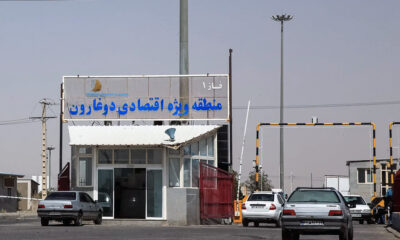
Dogharoun border handling 70% of Iran’s exports to Afghanistan
-

 Sport4 days ago
Toofan Herat beat Istiqlal Kabul 2-0 in Afghanistan Champions League clash
-
 Regional5 days ago
Rubio heads to Central Asia while other US officials hit foreign policy hot spots