
Latest News
IEA has two options, rule by force or submit to a govt recognized by people: EU


The European Union (EU) says it will change its policy towards Afghanistan’s new government if the Islamic Emirate of Afghanistan (IEA) can win the consent of the Afghan people.
EU Special Representative for Afghanistan Thomas Nicholson, who recently arrived in Kabul, told Ariana News on Thursday that they are ready to engage with the new Afghan government, but that any negotiations with the Islamic Emirate will depend on their actions towards the Afghan people.
“For us it is important that the government initiates a dialogue with its people and that together with the people they define process so that each and every Afghan man and woman can have a say for the future of the country.
“If the interim government gets acceptance by its people that will be the first thing we will look at when we decide on how we can engage with interim government but in any case our commitment to the people is steadfast and we want to stay focused on that,” said Nicholson.
Nicholson also said that the current Afghan government had come to power by force and that no decision on recognizing the government would be taken until it met international standards.
“International recognition will depend on domestic recognition the key point is that the government is not a legitimate government it came to power by force it has probably, but we are not sure, revoked the constitution and it has not set out a process where people can have a say in the future of the country so recognition will depend on domestic acceptance, it will depend on security guarantees and it will depend also on human rights being fully respected,” Nicholson added.
Nicholson said that the IEA currently has two options: either to rule by force, which he believes will have dangerous consequences, or to submit to a government approved by the people.
“There is a choice to be made between ruling by force and governing by approval, you can rule by force but you will never get the people to work with you and you will also lose information, you will not know what people want, you will not know what people think because they are afraid to speak and that could mean that one day … it gets too much and people will take up arms,” Nicholson said.
However, seven months after the Islamic Emirate took over in the country, no country has yet recognized the new government of Afghanistan, and sanctions by the international community remain in place.

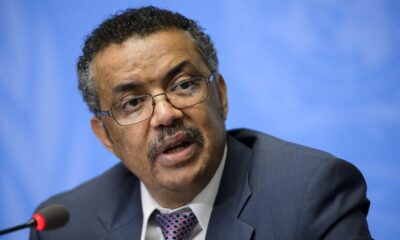


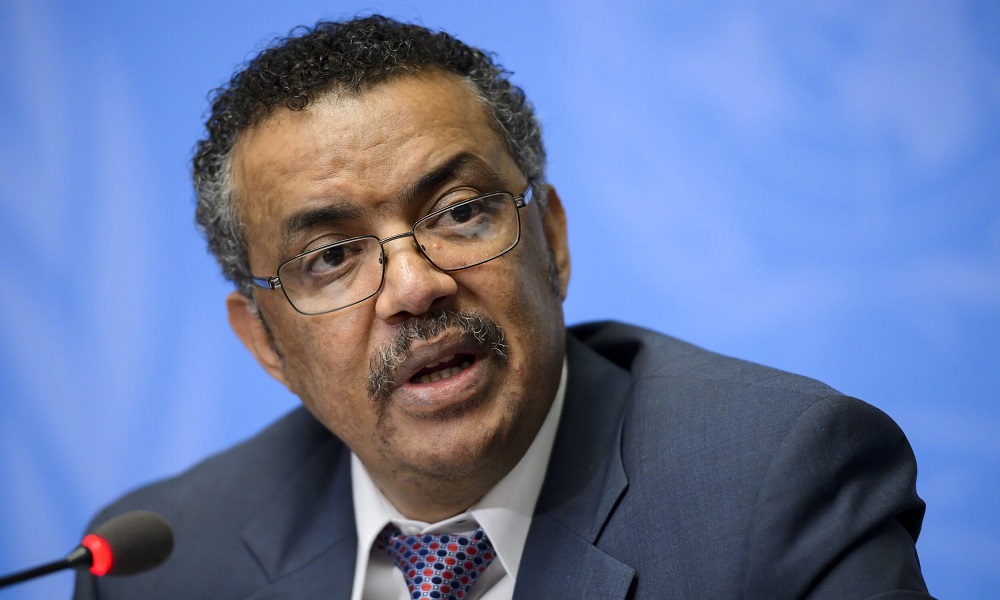
Tedros Adhanom Ghebreyesus, Director-General of the World Health Organization, said Tuesday that the escalating conflict between Kabul and Islamabad has placed additional strain on Afghanistan’s health system and increased risks to the health and well-being of vulnerable populations.
According to Ghebreyesus, since late February, at least six health facilities in Afghanistan have been affected by the rising tensions between Afghanistan and Pakistan.
He added that the World Health Organization is working to verify reports of attacks on the Omid Drug Rehabilitation Hospital in Kabul.
He called on Afghanistan and Pakistan to de-escalate tensions and prioritize peace.
Writing on X, he said: “Peace is the best medicine.”
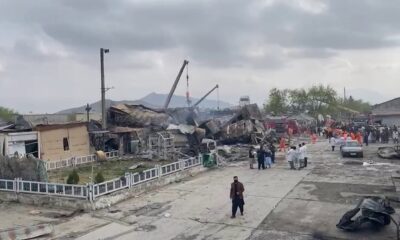
Following Monday night’s attack by Pakistan’s military regime on the Omid Drug Rehabilitation Hospital in Kabul, 408 people were killed and more than 250 others were injured.
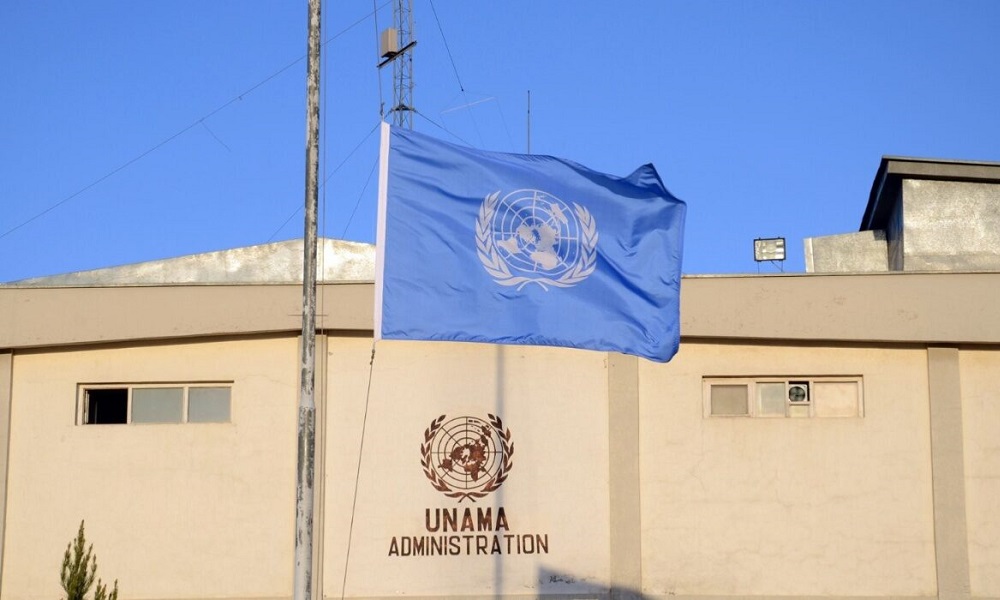
The United Nations Assistance Mission in Afghanistan (UNAMA) said Tuesday that in Afghanistan, civilians are bearing the cost of the ongoing conflict between Kabul and Islamabad.
In a statement, UNAMA said that under international law, all parties to the conflict must respect and protect the sick and wounded, healthcare workers, hospitals, and ambulances.
The organization added that these laws prohibit any attacks on hospitals and ambulances.
According to UNAMA, between 24 February and before 16 March, it has recorded at least 74 civilian deaths and 212 others injured in Afghanistan as a result of the hostilities.
UNAMA once again called for de-escalation and a permanent ceasefire, urging Afghanistan and Pakistan to act in accordance with their obligations under international law and to protect civilians.
Following a Monday night attack by Pakistan’s military regime on the Omid Drug Rehabilitation Hospital in Kabul, at least 400 people were killed and around 250 others were injured.
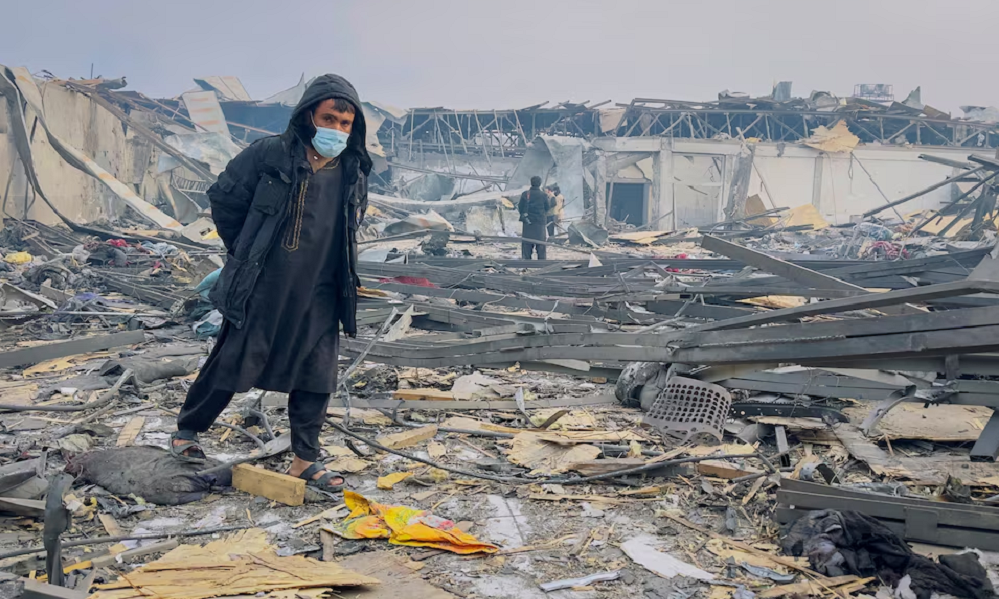
The Ministry of External Affairs of India has strongly condemned Monday night’s airstrike attributed to Pakistan on a drug rehabilitation hospital in Kabul.
In an official statement, India described the attack, which took place on the night of March 16, as a “cowardly and unconscionable act” that killed a large number of civilians at a medical facility.
It emphasized that such a site cannot be justified as a military target under any circumstances.
India further called the incident a “blatant assault” on Afghanistan’s sovereignty and a serious threat to regional peace and stability, adding that it reflects a pattern of reckless behavior.
The statement also noted that carrying out such an attack during the holy month of Ramadan makes it even more reprehensible, stressing that no moral or legal grounds exist for targeting a hospital and its patients.
India urged the international community to hold those responsible accountable and to ensure an immediate end to attacks on civilians.
It concluded by extending condolences to the families of the victims, wishing a swift recovery to the injured, and reaffirming support for Afghanistan’s sovereignty and territorial integrity.


WHO Chief urges Kabul and Islamabad to prioritize peace

Afghanistan national buzkashi team defeats Hungary 14–0

UNAMA: Civilians paying price of ongoing conflict between Afghanistan and Pakistan

Israel’s Katz says Iran’s security chief killed, Tehran strikes Gulf neighbours

India condemns airstrike on hospital in Kabul, calls for accountability

Pakistani military jet downed in Afghanistan’s Jalalabad, pilot captured alive

Afghan Air Force conducts airstrikes in Islamabad, other cities

IEA releases three Pakistani soldiers to mark Ramadan

Afghanistan’s Chief of Armed Forces underscores readiness and equipment for national defense

Afghanistan welcomes investment and technology partnerships with India

Tahawol: China’s efforts for Afghanistan-Pakistan talks

Saar: UNSC’s upcoming vote on UNAMA mandate

Tahawol: Afghan, Chinese FMs’ phone talks discussed

Saar: UN meeting on UNAMA mission in Afghanistan discussed

Exclusive interview with Stephen Rodriguez, UN Development Programme Representative in Afghanistan
-
 Latest News3 days ago
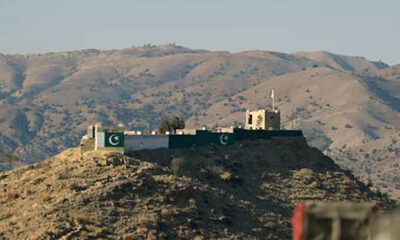
14 Pakistani soldiers killed after military post falls along Durand line: MoD
-
 Latest News4 days ago
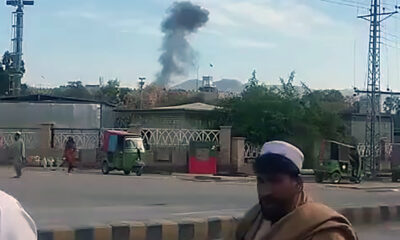
Afghan airstrikes target Pakistani military sites in retaliation for air attacks
-
 Latest News4 days ago
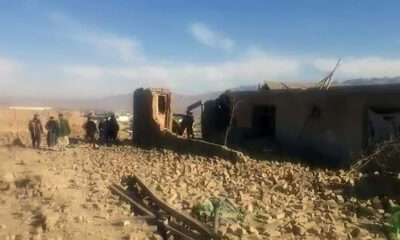
IEA condemns Pakistan’s airstrikes in several Afghan provinces
-
 Latest News1 day ago
IEA Supreme Leader issues Eid-ul-Fitr message urging unity and support for Islamic system
-
 Latest News2 days ago
Regional criticism grows amid Pakistan strikes inside Afghanistan
-
 World3 days ago
White House AI czar says US should ‘declare victory and get out’ of Iran war
-
 Latest News4 days ago
UNAMA: Four civilians killed, 14 injured in Pakistani airstrike in Kabul
-
 Regional4 days ago
Seven police personnel killed in IED blast in northwest Pakistan