
Business
IEA committed to Afghanistan-Iran Water Treaty

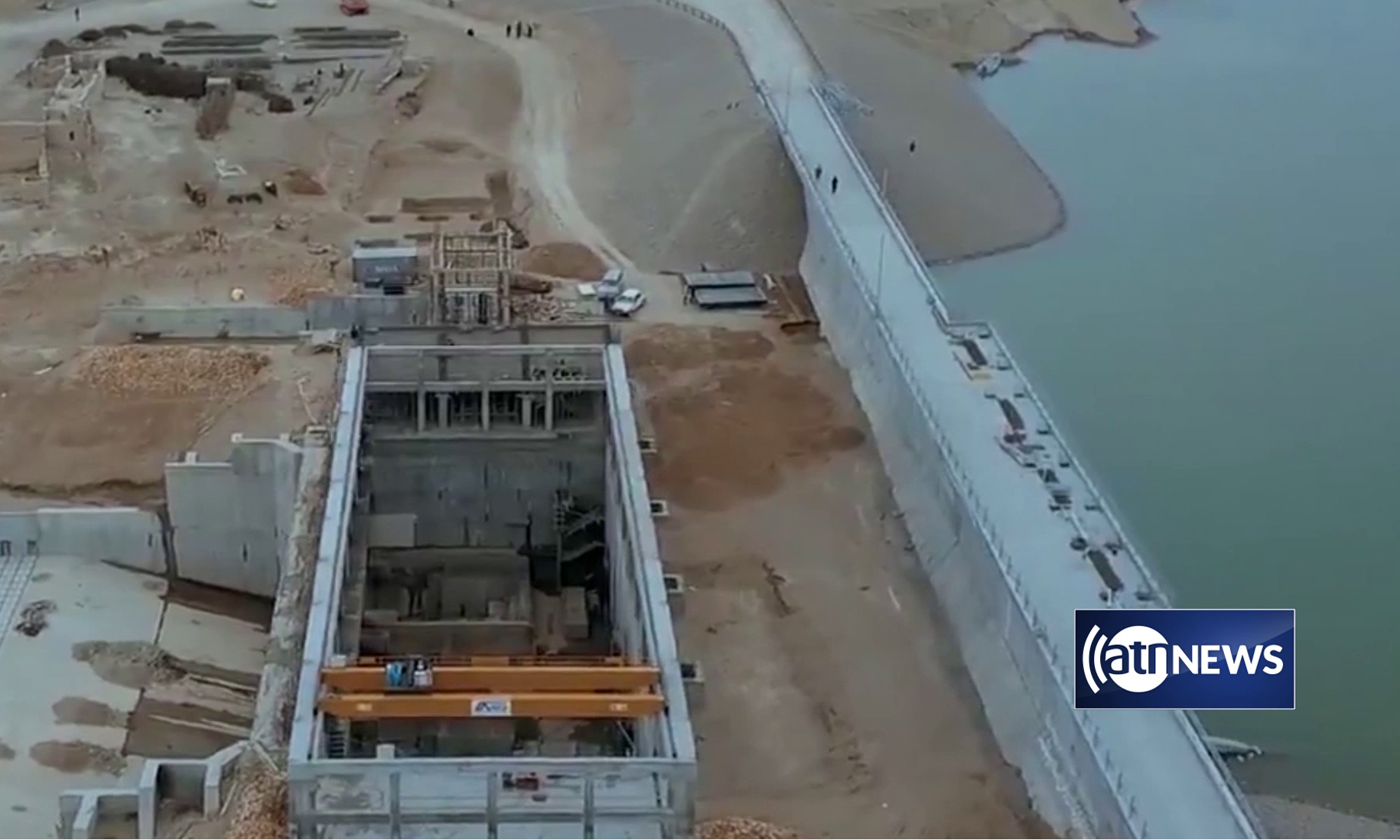
Islamic Emirate of Afghanistan (IEA) officials said this weekend they are committed to abiding by the 1973 Afghanistan-Iran Water Treaty which stipulates the amount of water from Afghanistan that Iran is entitled to annually.
Former Afghan Prime Minister Musa Shafiq signed the water treaty in 1973 (1351 Persian Calendar). According to the treaty, Iran can receive 817 million cubic meters of water, carried by the Helmand River, per year.
Based on the deal, Iran can get 817 million cubic meters of water per year but due to the lack of water management over the past 25 years, Iran has reportedly received about three billion cubic meters annually.
“We are committed to that deal, which was signed in 1351, and we are trying to keep the process as it is [in the contract],” said Balil Karimi, deputy spokesman for the IEA.
Members of the private sector have raised concerns about the problem and said the lack of water management has not benefited Afghans.
“The management of Helmand River water is very important. The IEA should accelerate its efforts for self-sufficiency of Afghanistan and manage water,” said Khan Jan Alokozay, a member of the Chamber of Commerce and Investment.
Economic analysts on the other hand said that the Islamic Emirate of Afghanistan (IEA) should review the agreement with Iran and keep the current situation in Afghanistan in mind.
“The deal which was signed in 1351 was based on circumstances at that time; But now, Afghanistan needs more water, and Iran receives more water [than what it should],” said Taj Mohammad Talish, an economic analyst.





Business
UNHCR launches largest carpet-weaving centre in western Afghanistan
Over the past year, some 2 million Afghans have returned from Iran, highlighting the urgent need for economic opportunities, especially for women, said UNHCR.
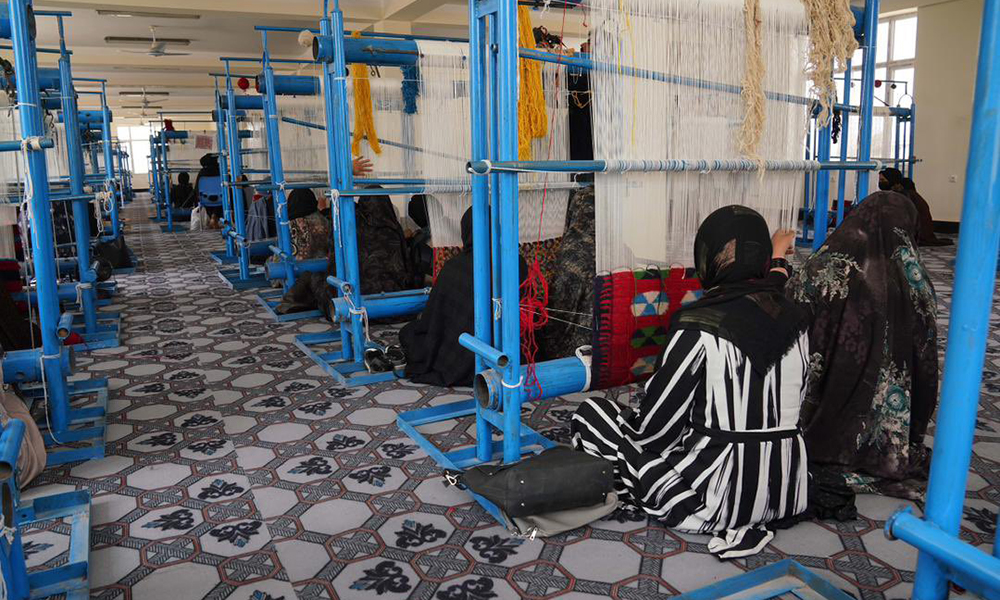
The UNHCR, in collaboration with the Islamic Development Bank, on Wednesday inaugurated the largest carpet-weaving center in western Afghanistan’s Herat province.
The initiative, attended by UN Deputy Special Representative Indrika Ratwatte and local community leaders, will support 400 returnees, with more than three-quarters of them women, providing livelihoods and skills training.
The centre aims to empower returnees and host communities, helping them rebuild sustainable livelihoods, a priority need identified by Afghans returning from Iran.
Over the past year, some 2 million Afghans have returned from Iran, highlighting the urgent need for economic opportunities, especially for women, said UNHCR.

Uzbekistan’s President Shavkat Mirziyoyev has officially ratified the Preferential Trade Agreement (PTA) between Uzbekistan and Afghanistan.
The agreement was first signed on 10 June 2025 during the Tashkent International Investment Forum by Uzbekistan’s Minister of Investment and Foreign Trade Laziz Kudratov and Afghanistan’s Minister Nuriddin Azizi, Uzbekistan Daily reported.
The PTA eliminates tariffs on 14 categories of goods, simplifies the issuance of phytosanitary permits for Afghan agricultural products, and introduces additional support measures for Uzbek exporters.
In February 2026, Uzbekistan’s Deputy Prime Minister Jamshid Khodjaev held online talks with Azizi to accelerate the agreement’s entry into force, advance investment projects, and promote industrial cooperation. A new joint business forum is planned to take place in Kabul after the conclusion of Ramadan.
The agreement is expected to strengthen bilateral trade, boost economic ties, and create new opportunities for Afghan businesses and exporters.
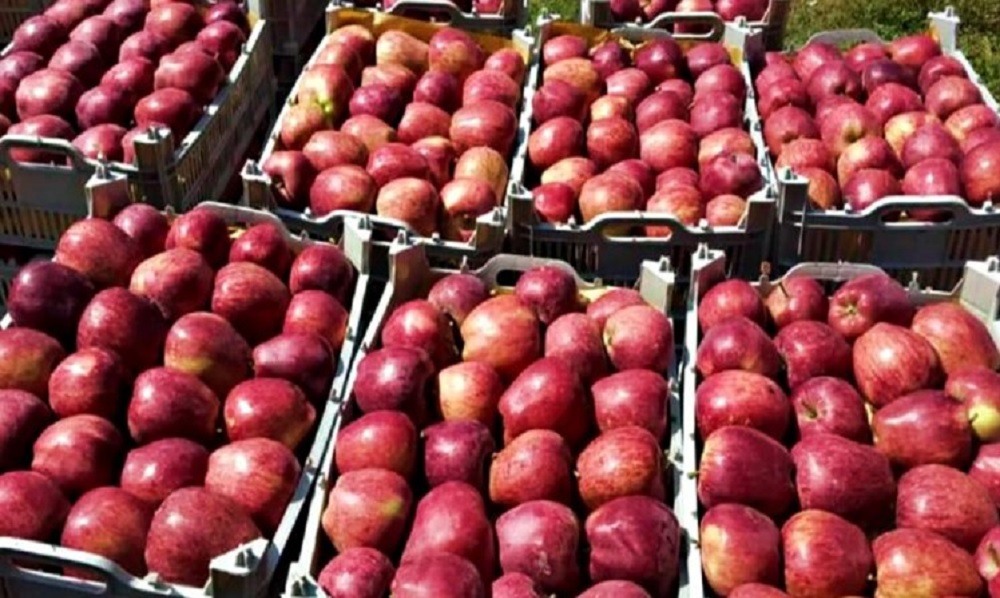
Afghanistan is preparing to increase exports of fruits and vegetables to Russia following a temporary ban by Iran on food exports, Russian media reported citing Rustam Khabibullin, head of the Russian Business Center in Afghanistan.
On March 3, the Iranian government announced an indefinite suspension of all food and agricultural exports to prioritize domestic food security amid ongoing regional conflict. Goods that were previously destined for Russian retailers are now being redirected to Iranian state reserves.
In response, Afghanistan has already dispatched its first shipment of 100 tons of apples to Russia. Shipments of peppers, dried fruits, nuts, celery, zucchini, eggplant, citrus, berries, herbs, and melons are being prepared for delivery in the coming weeks. Khabibullin noted that demand from Russia is growing, and Afghan exporters aim to meet the rising requests to prevent shortages and stabilize prices for consumers.


Mojtaba Khamenei: Iran’s neighbors must close all U.S. bases

Afghanistan’s national buzkashi team set to compete in Kazakhstan

Iran claims it targeted a US-linked oil tanker in Strait of Hormuz

Up to 3.2 million displaced inside Iran as conflict escalates, UNHCR says

Herat governor urges UN to prioritize Afghan domestic products in food purchases

Pakistani military jet downed in Afghanistan’s Jalalabad, pilot captured alive

Afghan Air Force conducts airstrikes in Islamabad, other cities

IEA releases three Pakistani soldiers to mark Ramadan

Afghanistan’s Chief of Armed Forces underscores readiness and equipment for national defense

Afghanistan welcomes investment and technology partnerships with India

Tahawol: Regional impacts of Middle East crisis reviewed

Saar: Diplomatic efforts to ease Kabul-Islamabad tensions discussed

Tahawol: Demands to end Afghanistan–Pakistan conflict reviewed

Saar: Resolving Afghanistan-Pakistan tensions discussed

Tahawol: International Reactions to Iran’s Newly Appointed Leader
-
 Latest News4 days ago
International Women’s Day: Khalilzad urges IEA to allow girls’ education
-

 Latest News4 days ago
Afghanistan’s Virtue Ministry: Over 3,400 women’s rights complaints addressed in 10 months
-
 Regional4 days ago
Majority consensus reached on Iran’s next supreme leader
-
 Latest News4 days ago
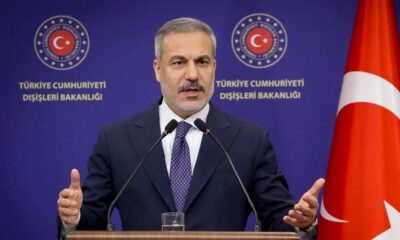
Turkey stresses importance of peace and stability in Afghanistan
-
 Regional4 days ago
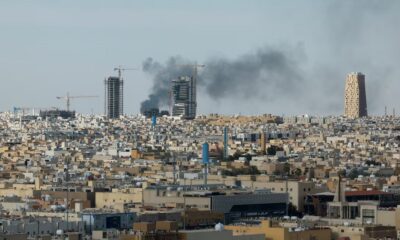
Saudi has told Iran not to attack it, warns of possible retaliation – Reuters
-

 Latest News3 days ago
American billionaire Tom Pritzker describes Afghanistan trip in email to Epstein
-

 Latest News4 days ago
Mastermind of 2025 bank attack in Afghanistan killed in Peshawar
-
 Latest News4 days ago
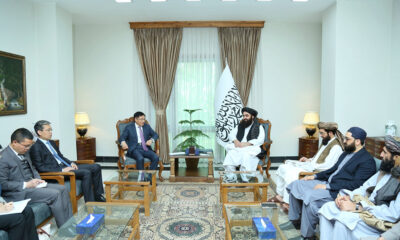
Muttaqi and Chinese envoy discuss regional developments