
Latest News
IEA changes its fiscal from Gregorian calendar to Hijri Shamsi

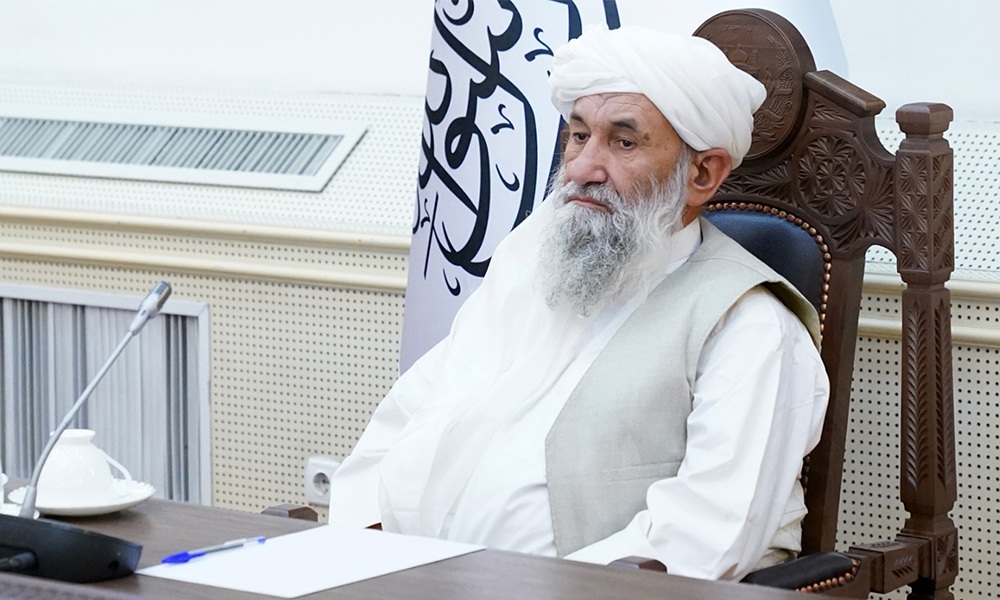
The Islamic Emirate of Afghanistan (IEA) cabinet led by Mullah Mohammed Hasan Akhund, the prime minister of the caretaker government, on Monday approved a plan to change the start of the fiscal year from the West’s Gregorian calendar to the Hijri Shamsi, or Persian calendar.
Based on the cabinet decision the new fiscal year will start at the beginning of the new solar year, in March.
Under the previous government, the fiscal year started in January and ended in December. Now however, Afghanistan’s fiscal will start on 21 March each year.
The IEA said in a statement that they have approved the allocation of additional funding for the budget to make up the difference this year but that the new fiscal will commence on March 21.
“For the first time in the last [two] decades Afghanistan’s budget is made up without foreign aid,” read the statement.
In addition to the decision to change the fiscal year, the IEA cabinet also moved Monday to ban the importation of low-quality fuel, gas, chemical fertilizers and other materials.
The IEA warned that legal action would be taken against those who break the rules.
The cabinet also tasked a delegation to visit land ports and assess the quality of fuel and raw materials being imported into the country.



Latest News
14 Pakistani soldiers killed after military post falls along Durand line: MoD
The statement added that Afghan forces destroyed one armored tank and a military vehicle belonging to Pakistani troops during the fighting.
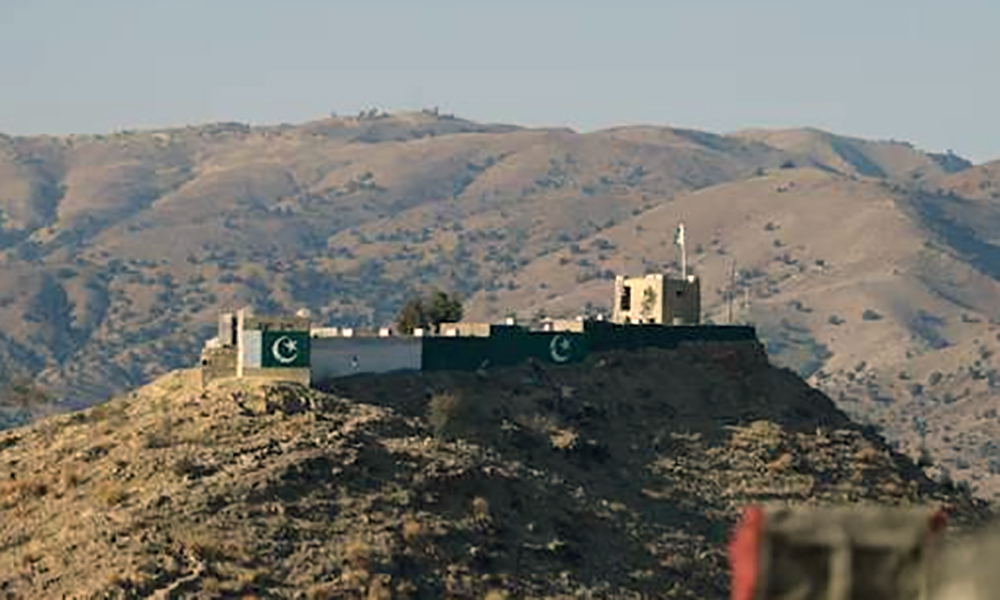
Afghanistan’s Ministry of Defense announced Saturday that Afghan defensive forces captured a Pakistani military post along the Durand Line in eastern Afghanistan following clashes between the two sides.
In a statement, the ministry said the operation was launched in response to what it described as “crimes of the Pakistani military regime” in border areas of Kunar and Nangarhar provinces.
According to the ministry, 14 Pakistani soldiers were killed and 11 others wounded during the operation.
The statement added that Afghan forces destroyed one armored tank and a military vehicle belonging to Pakistani troops during the fighting.
Defense officials emphasized that Afghanistan’s forces remain prepared to respond to any threats along the Durand Line.
Latest News
UN Security Council to vote on extension of UNAMA mission in Afghanistan
The Islamic Emirate of Afghanistan has previously criticized UNAMA’s activities, claiming that the mission’s reports misrepresent the situation in Afghanistan.
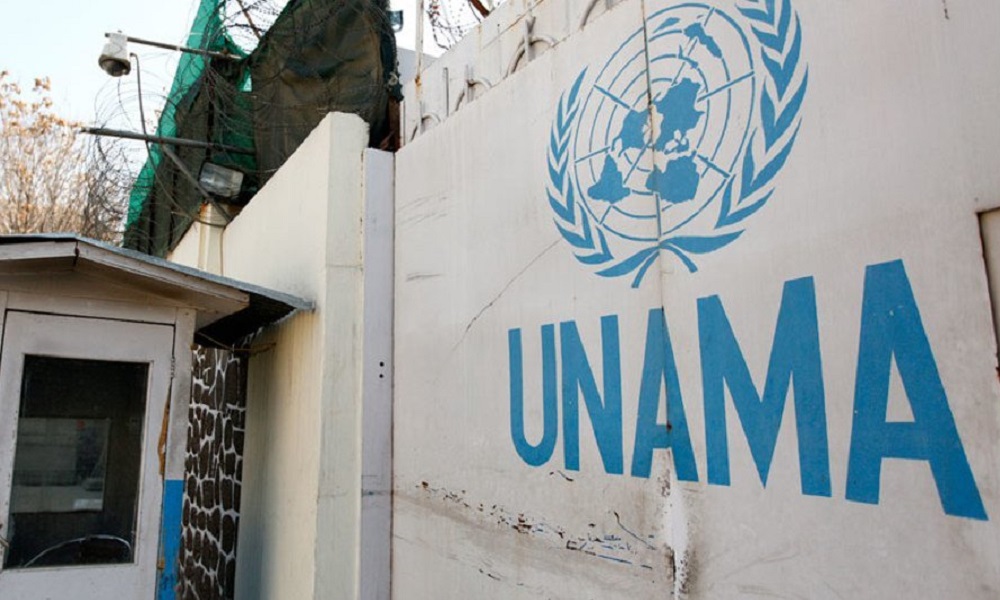
The United Nations Security Council is set to vote on Monday regarding the extension of the UN Assistance Mission in Afghanistan (UNAMA), with a draft resolution proposing a three-month extension until June 17.
The debate over the mission’s extension has divided key members of the Council. China initially called for a one-year extension, while the United States has advocated for a shorter duration. The U.S. position is based on the belief that a three-month extension would allow the Council to conduct a comprehensive review of UNAMA’s mandate before committing to a longer-term renewal.
A statement from the Security Council explained that Washington views this as an opportunity to reassess the mission’s appropriateness and effectiveness. “This mission is one of the most costly political special missions of the United Nations and operates in a highly complex environment. Therefore, the Council needs to assess whether the mission remains appropriate and effective,” the statement read.
The draft resolution also emphasizes growing concerns about human rights in Afghanistan, particularly the ongoing restrictions placed on women and girls. It calls on the Islamic Emirate of Afghanistan to lift these limitations and stresses the need for continued support in areas such as development, counterterrorism, and mine clearance. UNAMA’s field presence is also considered vital for providing critical humanitarian support and monitoring developments on the ground.
The Islamic Emirate of Afghanistan has previously criticized UNAMA’s activities, claiming that the mission’s reports misrepresent the situation in Afghanistan, painting a negative and misleading image to the international community. As the vote approaches, the future of the mission—and its ability to effectively address Afghanistan’s ongoing challenges—hangs in the balance.
Latest News
Escalating clashes displace over 115,000 civilians in eastern Afghanistan
The NRC has already provided cash assistance to over 4,300 displaced individuals and plans to extend support to another 4,000 in the coming days.
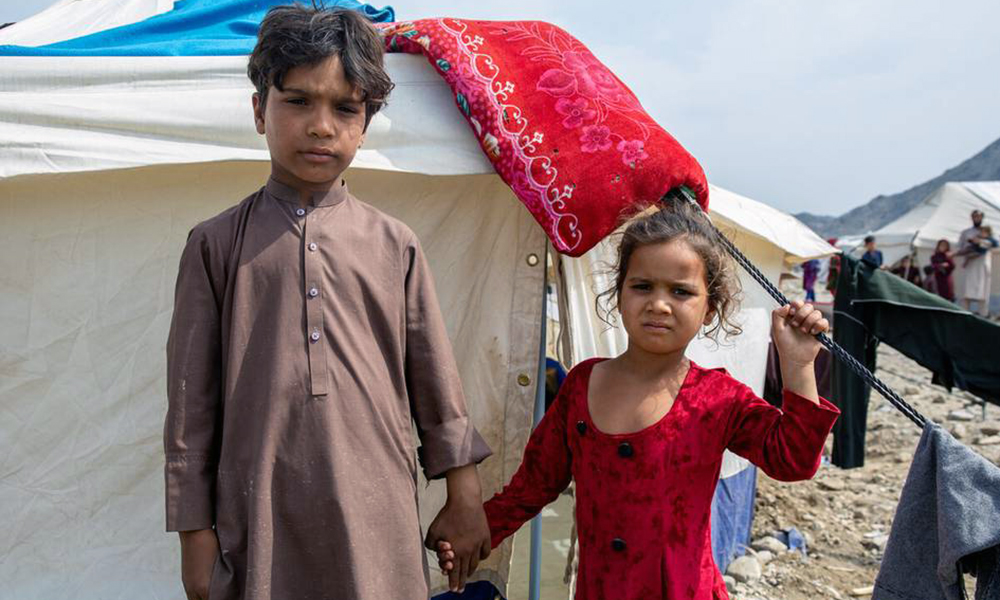
Intensifying clashes along the Afghanistan–Pakistan Durand Line have driven over 115,000 civilians from their homes in eastern Afghanistan since February 26, according to a report from the Norwegian Refugee Council (NRC). The violence, which has primarily affected Kunar and Nangarhar provinces, shows no signs of abating, leaving families to seek refuge in temporary shelters, makeshift camps, or with relatives.
In the first week of the conflict, at least 56 civilians were killed, and 129 others sustained injuries. The destruction has been widespread, with over 800 homes either damaged or destroyed. Humanitarian organizations have expressed urgent concern over the dire situation, as displaced families face severe shortages of essential services such as clean water, healthcare, and education.
“The scale of displacement is staggering,” said an NRC spokesperson. “Many families are now living in substandard conditions and struggling to make ends meet.” Some have resorted to renting overcrowded and inadequate housing that they can barely afford, further exacerbating their vulnerability.
The ongoing violence has also severely disrupted vital services. Over 20 health facilities in the region have suspended operations due to insecurity, including five centers damaged by airstrikes or shelling from the Pakistani regime. The World Food Programme (WFP) has temporarily halted food distributions in several areas, while NRC suspended classes in Khost province, leaving 626 children without access to education.
“We are already facing a looming food crisis, and these latest disruptions could make it even worse,” said a WFP official. The organization previously warned that Afghanistan could face a severe food shortage this spring unless urgent funding gaps are addressed.
The crisis is made even more complex by the ongoing displacement of those affected by previous disasters. Over 25,000 people displaced by an earthquake in Kunar province six months ago are now being forced to leave their temporary shelters and return to areas where services remain limited. An additional 14,500 individuals are at risk of being displaced again if the conflict continues.
Aid organizations are attempting to respond to the crisis. The NRC has already provided cash assistance to over 4,300 displaced individuals and plans to extend support to another 4,000 in the coming days. However, Afghanistan’s humanitarian response remains severely underfunded, limiting the reach of available aid.
The humanitarian situation is also affecting Afghan migrants abroad. With over 4.4 million Afghans living in Iran, including around 1.4 million undocumented migrants, many are now at risk of forced return due to regional instability. Reports indicate that approximately 1,700 Afghan migrants are returning home each day, driven by both security concerns and economic pressures.
Humanitarian agencies are calling on all parties to the conflict to ensure the protection of civilians and allow unhindered access for aid workers to provide essential support to affected communities.


RGC navy commander claims attacks on three US military bases

14 Pakistani soldiers killed after military post falls along Durand line: MoD

UN Security Council to vote on extension of UNAMA mission in Afghanistan

Trump administration set to receive $10 billion fee for brokering TikTok deal, WSJ reports

Escalating clashes displace over 115,000 civilians in eastern Afghanistan

Pakistani military jet downed in Afghanistan’s Jalalabad, pilot captured alive

Afghan Air Force conducts airstrikes in Islamabad, other cities

IEA releases three Pakistani soldiers to mark Ramadan

Afghanistan’s Chief of Armed Forces underscores readiness and equipment for national defense

Afghanistan welcomes investment and technology partnerships with India

Exclusive interview with Stephen Rodriguez, UN Development Programme Representative in Afghanistan

Tawsia: Trade agreement between Afghanistan-Uzbekistan

Tahawol: Discussion on intensification of attacks in Middle East

Saar: Ongoing US-Israeli strikes on Iran discussed

Tahawol: Regional impacts of Middle East crisis reviewed
-

 Sport3 days ago
Afghanistan’s white-ball series against Sri Lanka postponed
-
 Latest News4 days ago
Russia, China and UK urge Afghanistan and Pakistan to resolve issues through dialogue
-
 Latest News5 days ago
UN warns of possible surge in Afghan returnees from Iran
-
 Latest News1 day ago
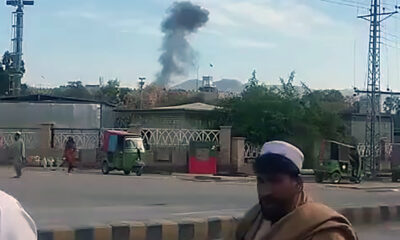
Afghan airstrikes target Pakistani military sites in retaliation for air attacks
-

 Latest News4 days ago
Trump envoy warns Afghanistan could face fate similar to Iran or Venezuela over detained Americans
-
 Latest News4 days ago
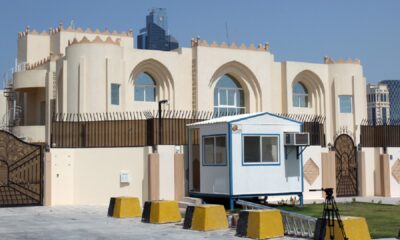
Reports about closure of IEA’s Doha office denied
-
 Regional4 days ago
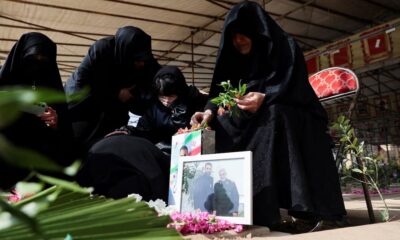
Iran says oil blockade will continue until attacks end, Trump threatens to hit harder
-

 Business3 days ago
Uzbekistan ratifies preferential trade agreement with Afghanistan