
Latest News
IEA bans use of foreign currencies in bid to stabilize Afghan currency

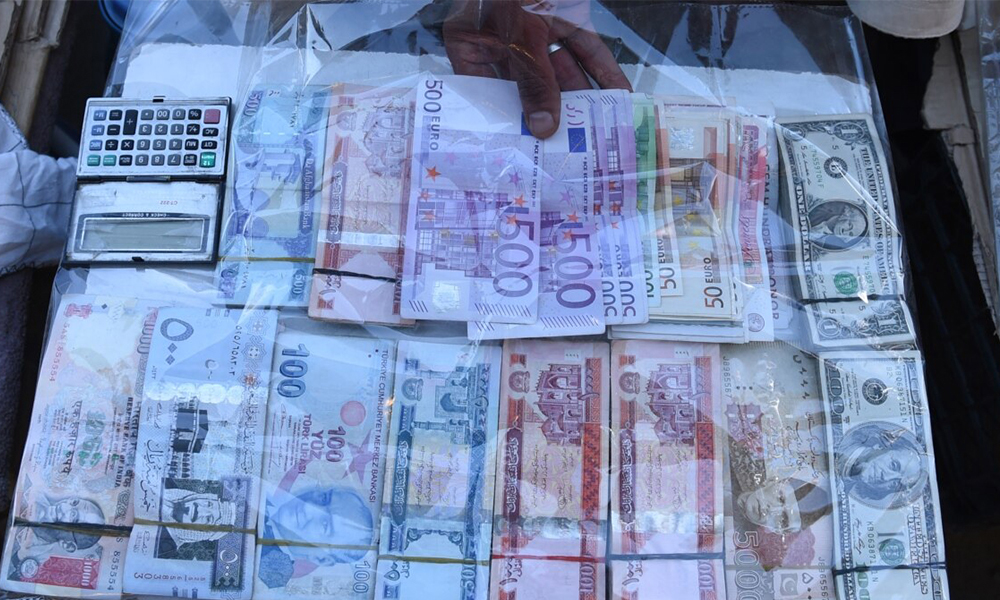
Islamic Emirate of Afghanistan (IEA) officials on Tuesday banned the use of foreign currencies for commercial transactions in the country in a bid to stabilize the plummeting national currency, the Afghani (AFN).
Mawlawi Abdul Salam Hanafi, deputy prime minister, who is heading up a commission to curb the currency’s freefall, said at a press conference that the AFN would stabilize on the back of steps being taken.
“We have ordered clerics, local officials and security forces to prevent the use of foreign currencies [being used] in Afghanistan,” said Hanafi.
Mawlawi Hanafi warned that the authorities would take serious action against anyone found to be using, hoarding or smuggling foreign currencies.
This comes as Afghanistan grapples with an economic crisis following the sudden collapse of the previous government, the suspension of foreign donor money and the freezing of foreign assets.
Officials have however said there has been an increase in national revenue generated and that serious efforts are being made to stabilize the economy.
Mullah Abdul Ghani Baradar, first deputy prime minister of Afghanistan, meanwhile said while visiting an expo of domestic products in Kabul city that the humanitarian crisis, particularly the lack of food, will create challenges for the region and the world.
Mullah Baradar also criticized the international community for its silence over the issue of Afghanistan’s frozen assets.
“Why is the world silent about what the US is doing? The money did not belong to [former president] Ashraf Ghani; it belongs to the nation. Why is the US doing this? Why is the world silent? It is the nation’s money and it should be returned,” he said.
Regarding the issue of not recognizing the IEA as Afghanistan’s government, Mullah Baradar said the world is pursuing its own goals but that the IEA is committed to issues of national interest.
“We call on the international community to recognize the IEA and release Afghanistan’s frozen assets to solve the problems,” said Mullah Baradar.
The White House said on Monday that they are not yet willing to release Afghanistan’s frozen assets, which amount to over $9 billion.





Latest News
Pakistan shelling kills 2 children, injures nearly 30 in eastern Afghanistan
Afghan officials condemned the attacks, saying civilian areas were deliberately targeted, causing significant harm to local communities.
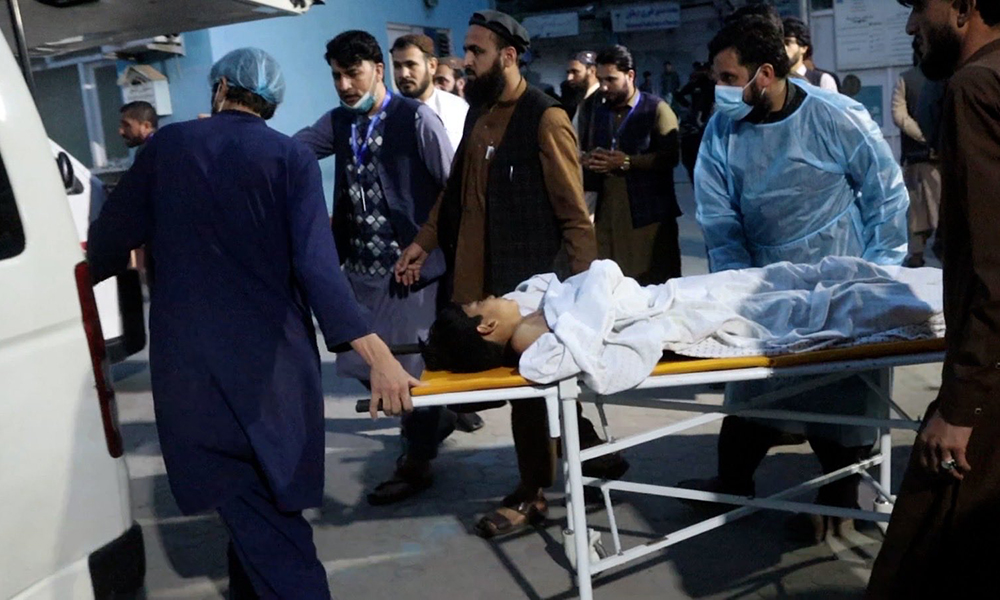
At least two children have been killed and nearly 30 civilians injured following continued shelling and drone strikes by Pakistani forces in eastern Afghanistan, officials said.
Hamdullah Fitrat, deputy spokesman for the Islamic Emirate of Afghanistan, said the attacks began Wednesday, targeting residential areas across Kunar, Paktika and Khost provinces.
“Since yesterday, Pakistani forces have carried out continuous mortar, rocket and drone attacks,” Fitrat said, adding that most of the casualties were civilians, including children.
In Kunar province, more than 150 mortar and long-range artillery shells struck Sarkano and Manogai districts, injuring two children and damaging property. In the Dosaraki area of Sarkano’s Nawapas region, eight children were wounded and two others killed in shelling.
Additional bombardment continued Thursday, with around 185 artillery rounds hitting Sarkano district and wounding at least 10 more civilians, Fitrat said. A further 178 shells reportedly landed in Manogai, Dangam, Nari and Shultan districts, though no casualties were immediately confirmed.
In Paktika province, a drone strike in Shkin district injured three civilians, while in neighboring Khost, two civilians were wounded in a separate drone strike in Zazi Maidan district.
Afghan officials condemned the attacks, saying civilian areas were deliberately targeted, causing significant harm to local communities.
The escalation comes as diplomatic efforts are underway. According to officials, talks between Afghan and Pakistani representatives began Thursday in Urumqi, China.
Abdul Qahar Balkhi, spokesperson for the Ministry of Foreign Affairs, said the Afghan delegation traveled to China at Beijing’s initiative to hold discussions with Pakistani counterparts.
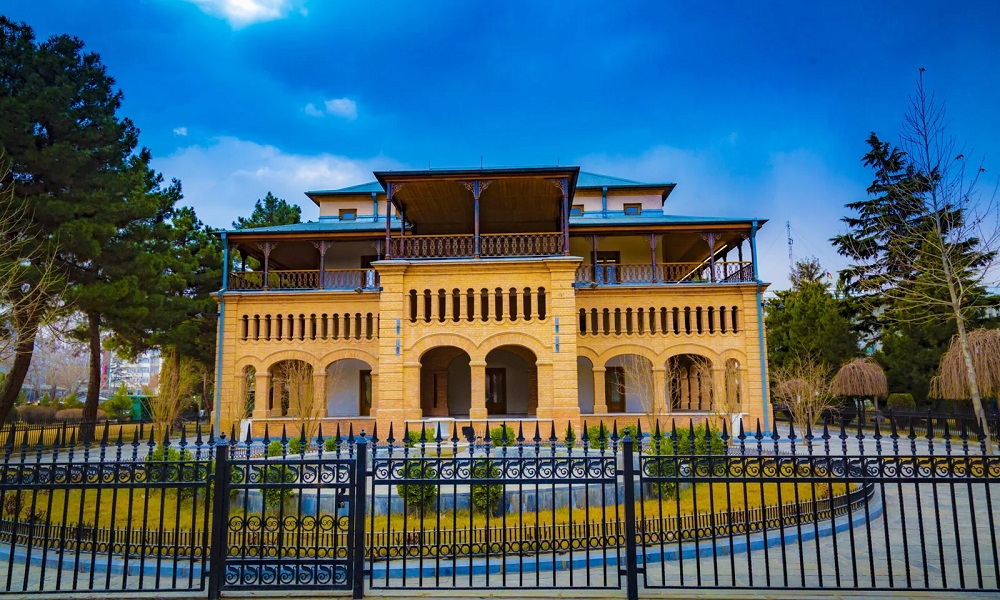
Abdul Qahar Balkhi, spokesperson for the Ministry of Foreign Affairs, said Thursday that at China’s initiative, a mid-level delegation from the Islamic Emirate of Afghanistan has arrived in the country to hold official talks with the Pakistani side in line with its principled position.
Qahar said in a statement that these talks are set to begin in the city of Urumqi with the mediation of the Chinese government.
According to Balkhi, this process is being carried forward at China’s request and on the basis of mutual respect and constructive engagement with that country.
He added that the Islamic Emirate is participating in these meetings based on a balanced and principled approach, and intends to hold comprehensive and responsible discussions with the other side on good neighborly relations, strengthening trade ties, and the effective management of security issues.
He emphasized that the Islamic Emirate believes diplomatic engagement based on mutual respect, non-interference, and constructive understanding can find practical and sustainable solutions to the existing issues between the two countries and help provide a foundation for stability and cooperation in the region.
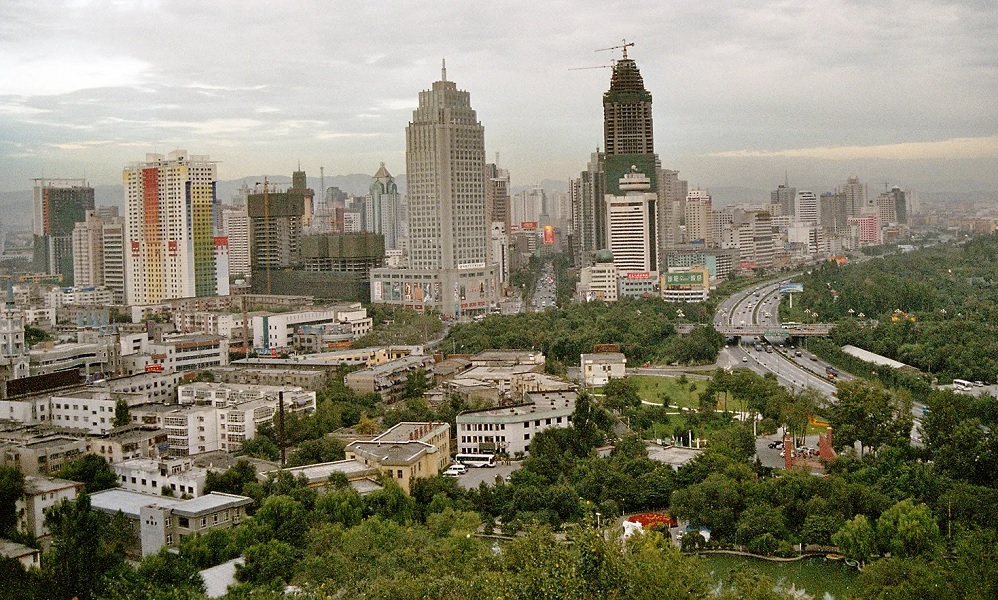
Talks between Afghanistan and Pakistan have officially begun in the Chinese city of Urumqi, sources told Ariana News on Thursday.
Afghanistan’s Minister of Economy, Din Mohammad Hanif, expressed optimism about the negotiations, saying he hopes the discussions will help bring an end to ongoing tensions and conflict between the two neighboring countries.
Meanwhile, Pakistan’s Foreign Ministry spokesperson, Tahir Andarabi, said the talks involve senior officials and rejected claims that they are merely low-level engagements, calling such reports a “false narrative.”
Islamabad confirmed it has dispatched a delegation to Urumqi, reiterating its longstanding position that Afghanistan must address Pakistan’s security concerns, particularly regarding militant groups.
Chinese Foreign Ministry spokesperson Mao Ning emphasized that both Afghanistan and Pakistan are neighbors of China, adding that Beijing supports resolving differences through dialogue and negotiation.
China has also been actively facilitating mediation between Afghanistan and Pakistan and will continue to play a constructive role in easing tensions and improving relations between the two countries, the spokesperson said.


US Army chief of staff fired by Hegseth, sources say

Pakistan shelling kills 2 children, injures nearly 30 in eastern Afghanistan

Kuwait’s Mina al-Ahmadi oil refinery hit by drones, fires break out

IPL 2026: SRH beat KKR by 65 runs to register first win

Tahawol: Start of talks between Kabul-Islamabad in China discussed

Prominent Muslim scholar issues fatwa calling for Afghanistan-Pakistan ceasefire

IEA Supreme Leader issues Eid-ul-Fitr message urging unity and support for Islamic system

14 Pakistani soldiers killed after military post falls along Durand line: MoD

Afghanistan steps in to replace Iran in supplying fruits and vegetables to Russia

Afghan airstrikes target Pakistani military sites in retaliation for air attacks
Tahawol: Start of talks between Kabul-Islamabad in China discussed

Saar: Ongoing US and Israeli attacks on Iran discussed

Tahawol: Ongoing US–Israeli war with Iran discussed

Saar: Afghanistan-Pakistan talks in China discussed

Tahawol: Escalation of conflict in Middle East discussed
-
 Latest News4 days ago
TAPI gas pipeline advances 25 km in Afghanistan
-
 Latest News5 days ago
US report flags continued presence of anti-India militant groups in Pakistan
-
 Business4 days ago
Afghanistan opens doors to agribusiness investments amid rising opportunities
-
 Latest News5 days ago
Afghanistan and Uzbekistan hold high-level bilateral meeting to boost trade and economic cooperation
-
 Latest News4 days ago
Afghan diaspora protests in London and Oslo over Pakistan strikes
-
 Latest News5 days ago
Seventeen dead, dozens injured in floods across Afghanistan
-
 Latest News4 days ago
Pakistan shelling in Afghanistan’s Kunar leaves civilian casualties, says IEA
-
 World5 days ago
Pentagon preparing for weeks of ground operations in Iran, Washington Post reports