
Latest News
IEA bans Afghans from being evacuated, cites ill-treatment in camps as reason

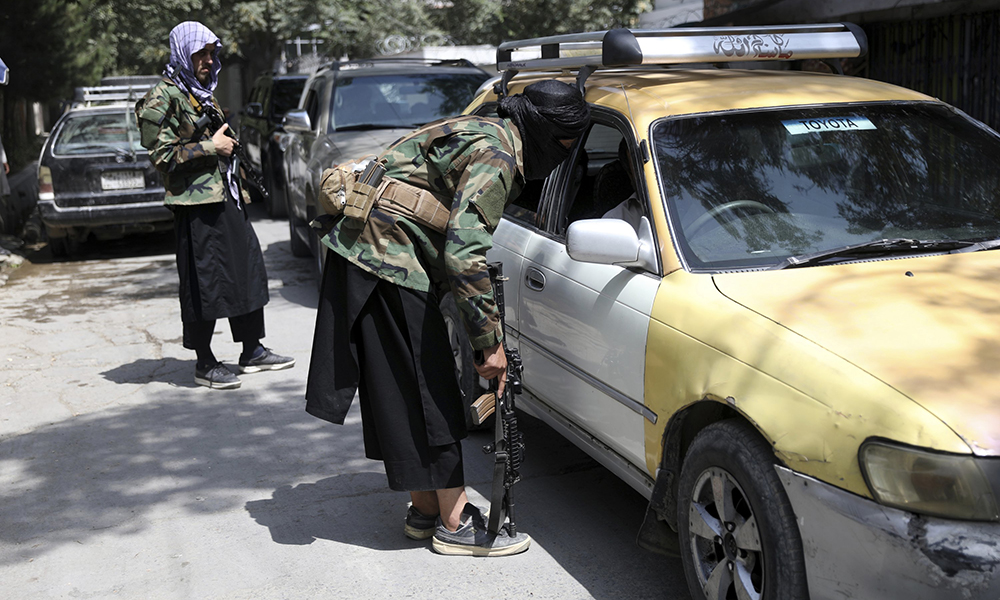
The Islamic Emirate of Afghanistan (IEA) has banned Afghans from being evacuated from their country, saying those who have left are living in “very bad conditions” abroad.
IEA spokesman Zabihullah Mujahid said on Sunday that more than 50,000 Afghans living in one camp in Qatar face an uncertain future.
He said that there were also Afghan families in Turkey, who face an uncertain future.
“The government has the responsibility to protect the people so this will be stopped until we get the assurance that their lives will not be endangered,” Mujahid said.
More than 120,000 Afghans were evacuated between 15 and 31 August last year, with many landing in the United States.
However, thousands were taken to other countries and many of the evacuees are still living in refugee camps in Qatar, UAE, Albania and other countries. They are still waiting to get to their final destination.
IEA’s decision to ban the evacuation of more Afghans has been slammed by some critics who say it is a violation of a fundamental human right.
Mohammad Esa Ishaqzai, head of the National Congress Party of Afghanistan, said freedom of movement was a fundamental human right like freedom of speech and freedom of religion, and it should be respected.
“Governments should respect these fundamental rights and the international community and international organizations should take care of Afghan refugees who are living in a very bad condition,” he said.




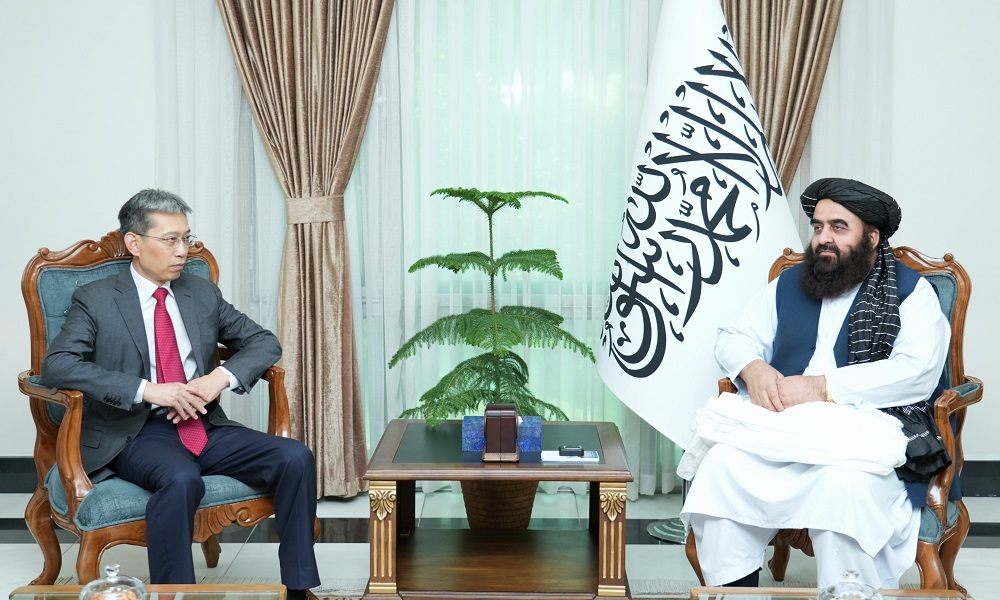
China’s Ambassador to Kabul, Zhao Sheng, has discussed bilateral relations with Afghanistan’s Foreign Minister Amir Khan Muttaqi during a farewell meeting in Kabul on Saturday.
According to the Ministry of Foreign Affairs, Muttaqi described relations between Afghanistan and China as historical and positive, praised Zhao’s tenure and wished him success in his future assignment.
Zhao, meanwhile, described ties between the two countries as friendly and thanked the Foreign Ministry for its cooperation during his tenure. He expressed hope that bilateral relations would further expand across various fields.

A representative of the Islamic Emirate of Afghanistan (IEA) said at a forum in China that a recent security operation in the northern province of Badakhshan demonstrated the capabilities of the country’s security forces to counter threats to stability.
The remarks were made at the 2026 Conference of the Global Public Security Cooperation Forum (Lianyungang) in China, where a delegation from Afghanistan’s Ministry of Interior participated. The delegation was led by Zainullah Abir, chief of staff of the minister’s office, and Abdul Rahim Saqib, a senior adviser to the ministry.
Addressing the conference, the Islamic Emirate representative cited the recent operation in Badakhshan as an example of the security forces’ ability to confront groups and individuals it described as disrupting security.
“With the assistance of Allah, our security forces have the capability to prevent any form of insecurity within the country, suppress those who disrupt security, and thwart the objectives and malicious intentions of groups seeking to destabilize Afghanistan,” he said.
He described the recent failure of what he called “security disruptors” in Badakhshan as a clear example of that capability.
The official also said Afghanistan’s security forces were committed to preventing the country’s territory from being used to carry out attacks or create insecurity against Afghans, neighboring countries or other states.
He called for greater regional cooperation on security issues, including intelligence sharing, border security, and joint efforts to combat narcotics and smuggling.
The Afghan representative also praised China’s role in supporting peace and stability in the region and said Kabul was prepared to expand security cooperation with Beijing and other regional countries.
He said Afghanistan sought peace, security and economic development based on mutual respect and shared interests.
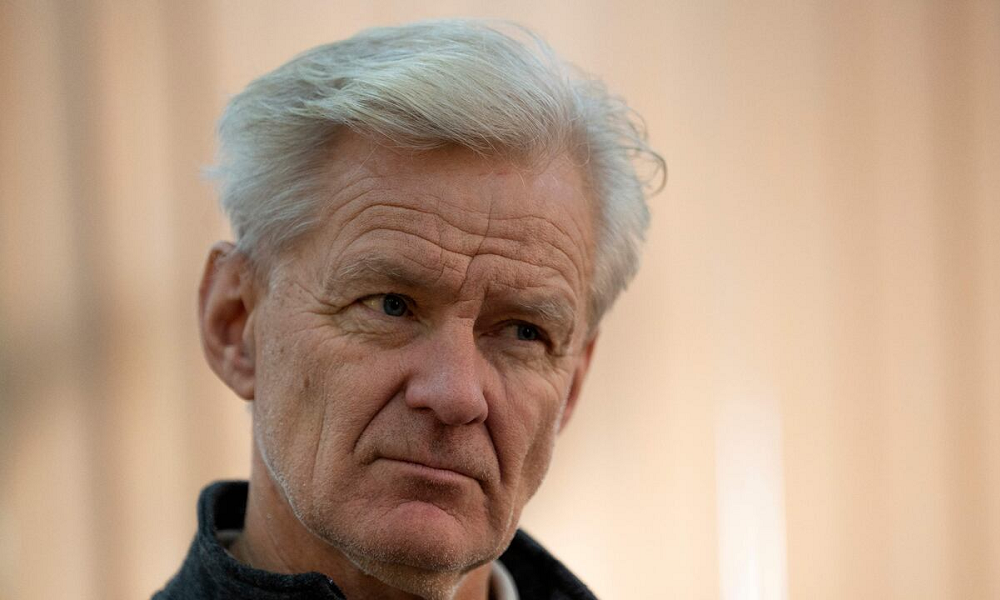
The head of the Norwegian Refugee Council (NRC), Jan Egeland, has urged governments in Europe, North America and elsewhere to reopen their embassies in Afghanistan and engage directly with the Islamic Emirate authorities.
Speaking to AFP in Kabul on Thursday, Egeland said governments should continue pressing the IEA for women’s rights while also providing humanitarian assistance to a population facing a deepening crisis.
He stressed that diplomatic engagement would not necessarily mean formally recognising the IEA authorities, whose government is officially recognised only by Russia.
“Our appeal is… come here and engage with us,” Egeland said, calling on governments to demand rights for women and girls while also offering assistance to them.
His comments came as international aid to Afghanistan has fallen sharply since the Islamic Emirate returned to power in 2021. The United Nations said it had received less than 30 percent of the funding needed to provide life-saving assistance as of late August.
Egeland also criticised governments that publicly advocate for Afghan women’s rights while reducing humanitarian funding.
“It is hypocrisy when one does that from abroad in a seminar in some capital in Europe and cut aid for food to Afghan girls and even for primary education for Afghan girls,” he said.


Chinese ambassador, Muttaqi discuss expanding bilateral relations

Afghan official highlights Badakhshan operation at China security forum

NRC chief urges West to reopen embassies in Afghanistan and engage with IEA

Instability in Afghanistan stalls regional transport projects: Pakistan envoy

Khalilzad says IEA has ‘surprisingly’ been good for US counterterrorism interests

Four mediators struggle to secure lasting Pakistan-Afghanistan ceasefire

Juma Khan Fateh surrenders to IEA forces in Badakhshan

Afghanistan’s trade diversification challenges Pakistan

Syria and Saudi Arabia condemn Kabul bombing, express solidarity with Afghanistan

Afghanistan crowned champions of five-match ODI series against Ireland

Exclusive interview with ACB CEO Naseeb Khan

Saar: UN reaffirming support for Afghanistan discussed

Saar: Pakistan’s decision to expel Afghan medical students discussed

Tahawol: Victory of Germany’s far-right party in state election discussed

Saar: UN Human Rights Council meeting on Afghanistan reviewed
-
 Latest News4 days ago
Amnesty International condemns Pakistan order requiring Afghan medical students to return
-
 Latest News4 days ago
Afghan Embassy in Islamabad calls for halt to expulsion of Afghan students
-
 Latest News4 days ago
Kabul police spokesman condemns Pakistan order expelling Afghan medical students
-
 Latest News4 days ago
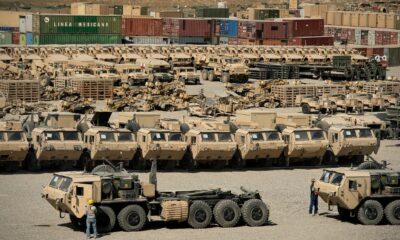
IEA: US military equipment left in Afghanistan belongs to Afghan government
-
 Latest News5 days ago
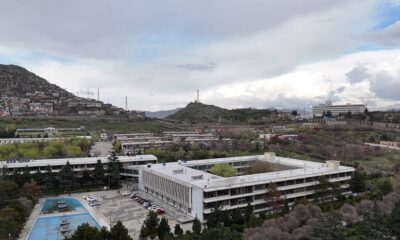
New faculty of aerospace engineering established at Kabul Polytechnic University
-
 Latest News4 days ago
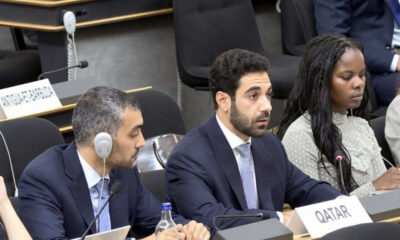
Qatar reaffirms commitment to supporting dialogue and engagement on Afghanistan
-

 Science & Technology4 days ago
AI could pose ‘existential’ risk to humanity, UN rights chief warns
-
 Latest News3 days ago
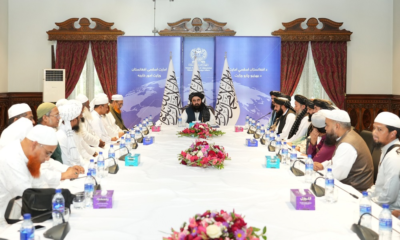
Muttaqi and Bangladeshi delegation discuss expansion of bilateral ties