
Latest News
High school girls will go to next grade should schools stay shut this year

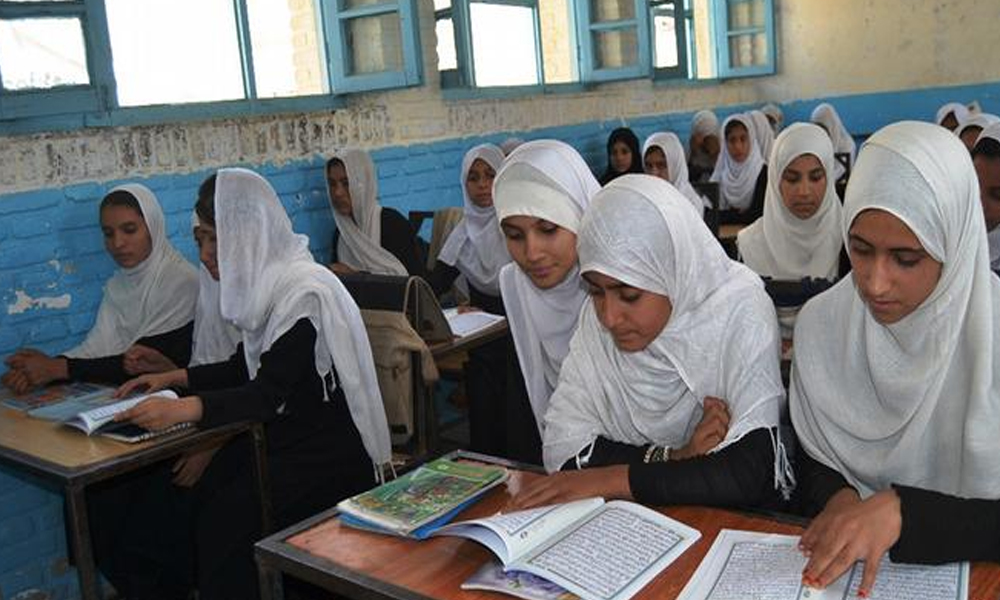
Ministry of Education (MoE) officials said Monday that plans to reopen schools for girls from Grade 7 have not yet been finalized.
Dr Arfan, spokesman for the MoE said that girls above Grade 6 will however be promoted a year should the plan not be finalized this year.
“Girls up to class six are going to participate in exams, and the girls that are not attending schools will be upgraded based on their previous exams,” said Arfan.
This comes after Islamic Emirate of Afghanistan (IEA) officials closed senior schools for girls after they took control in mid-August.
However, they have said they are working on a way to reopen schools for high school girls but within Islamic principles.
The closure of high schools for girls has raised serious concerns among Afghans.
“We can’t accept the upgrade as a principle. We hope that Taliban (IEA) will allow girls to continue their education and higher education as girls do in the other countries,” said Shukria Barakzai, an activist.
“How can they continue their lessons when they have not participated in school for one year? How will they learn?,” asked Zarqa Yaftali, another activist.
Yama Mujadidi, from Oxford University, meanwhile said that he has created an online school for Afghan girls in order for them to not miss out on lessons.
“The online lessons are not a platform, but it is a complete school,” said Mujadidi.






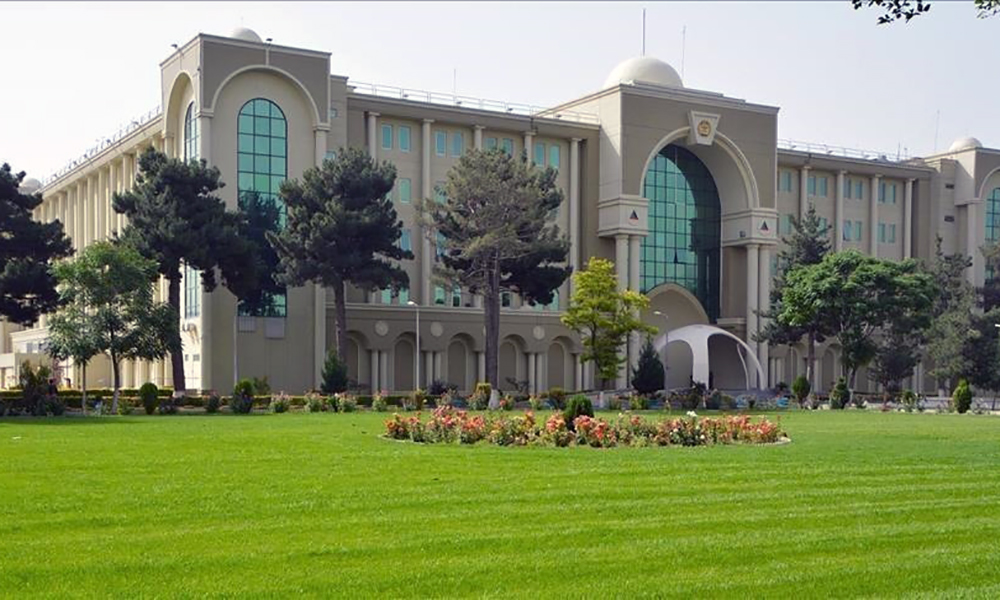
Afghanistan’s Ministry of National Defense has announced that the country’s air force carried out an attack today (Sunday) on a military camp in Wana, the main town of South Waziristan, in retaliation for last night’s attacks on Kandahar.
Enayatullah Khwarizmi, the spokesperson for the ministry, said that the SSG’s (Special Service Group) building and other key facilities inside the camp were targeted in the strike.
He added that a large part of the command headquarters and other facilities of this important center were destroyed, and Pakistani soldiers suffered heavy human and material losses in the attack.
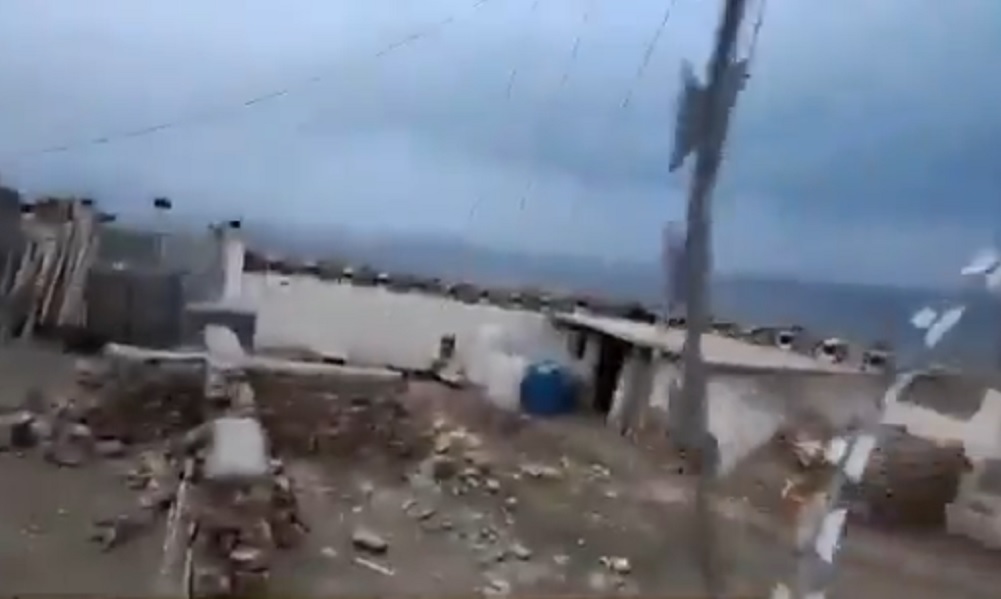
Local officials in Kandahar said a center for drug addicts was struck during recent Pakistani regime air raids in the province. Authorities confirmed that no casualties were reported in the incident.
Meanwhile, Afghanistan’s Ministry of Defense said Afghan security forces carried out retaliatory operations following the latest Pakistani airstrikes.
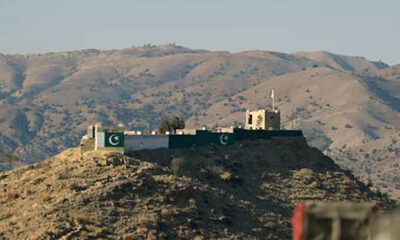
According to Sadeequllah Nasrat, Deputy Spokesperson for Strategic Communications and Information at the Ministry of Defense, Afghan defensive forces captured a Pakistani military position known as the “Janda Post” in Zazi Maidan district of Khost province along the Durand Line during the night.
Nasrat said the operation was part of ongoing retaliatory actions under the campaign known as “Rad al-Zulm,” describing it as a defensive response to what he called Pakistani aggression.
He also released a video showing Afghan forces taking control of the military post.
The developments come amid rising tensions between Afghanistan and Pakistan following a series of cross strikes that have drawn criticism from regional figures and increased concerns over further escalation.
Latest News
China offers to mediate between Kabul and Islamabad
China’s special envoy for Afghanistan is actively shuttling between Kabul and Islamabad to encourage dialogue and reconciliation.
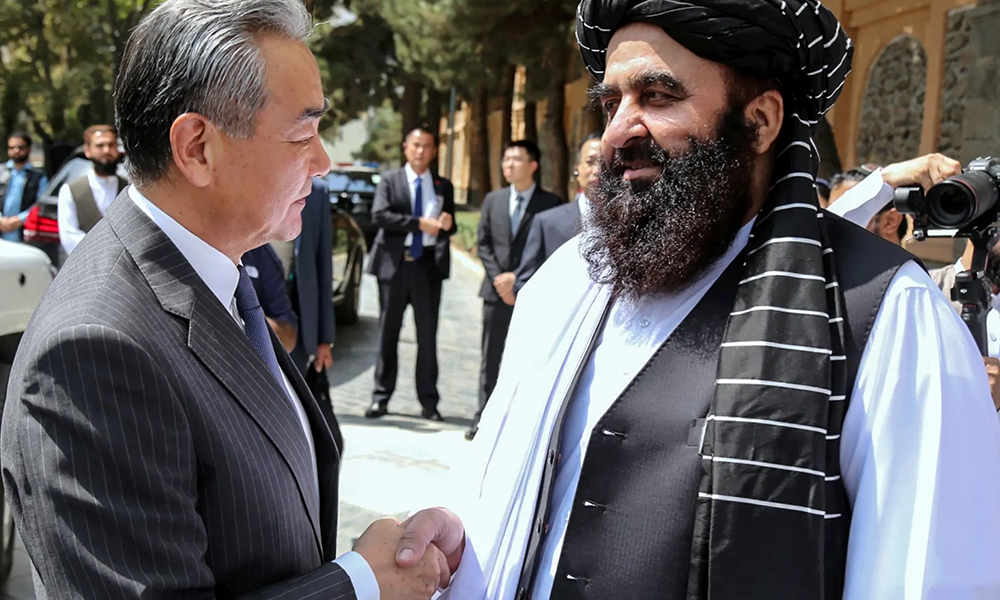
Amid rising tensions between Afghanistan and Pakistan, China has stepped forward to mediate and prevent further escalation of the conflict.
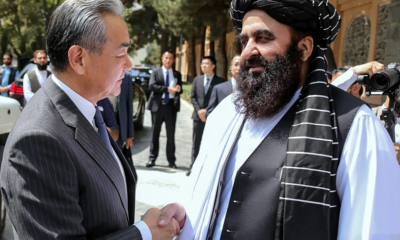
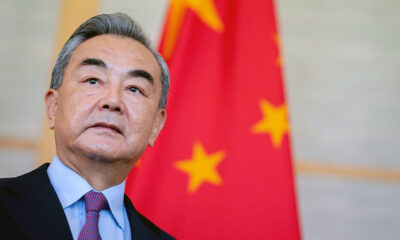
The Chinese Ministry of Foreign Affairs said that Foreign Minister Wang Yi expressed Beijing’s readiness to assist in resolving the tensions during a phone call with Amir Khan Muttaqi, Afghanistan’s Foreign Minister.
China’s special envoy for Afghanistan is actively shuttling between Kabul and Islamabad to encourage dialogue and reconciliation.
The ministry’s statement emphasized: “China hopes both sides maintain calm, conduct face-to-face talks as soon as possible, establish a ceasefire, and resolve disputes through dialogue.”
Analysts, however, caution that while the mediation may help reduce short-term tensions, the conflict may persist unless Pakistan’s policy toward Afghanistan changes.
The Islamic Emirate has reiterated that it seeks no conflict with neighbors but reserves the right to defend Afghanistan’s territory.


Tahawol: China’s efforts for Afghanistan-Pakistan talks

Saar: UNSC’s upcoming vote on UNAMA mandate

IPL 2026 kicks off in under two weeks; Afghan players set to shine

Afghan airstrike targets a military camp in South Waziristan

Pakistan targeting civilian sites as Afghan forces capture military post in Khost

Pakistani military jet downed in Afghanistan’s Jalalabad, pilot captured alive

Afghan Air Force conducts airstrikes in Islamabad, other cities

IEA releases three Pakistani soldiers to mark Ramadan

Afghanistan’s Chief of Armed Forces underscores readiness and equipment for national defense

Afghanistan welcomes investment and technology partnerships with India
Tahawol: China’s efforts for Afghanistan-Pakistan talks
Saar: UNSC’s upcoming vote on UNAMA mandate

Tahawol: Afghan, Chinese FMs’ phone talks discussed

Saar: UN meeting on UNAMA mission in Afghanistan discussed

Exclusive interview with Stephen Rodriguez, UN Development Programme Representative in Afghanistan
-
 Latest News3 days ago
Afghan airstrikes target Pakistani military sites in retaliation for air attacks
-

 Sport5 days ago
Afghanistan’s white-ball series against Sri Lanka postponed
-
 Latest News2 days ago
14 Pakistani soldiers killed after military post falls along Durand line: MoD
-
 Latest News3 days ago
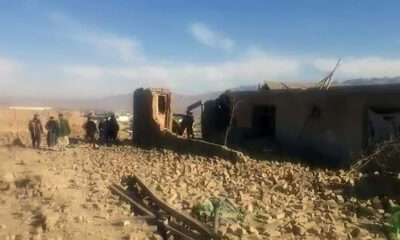
IEA condemns Pakistan’s airstrikes in several Afghan provinces
-

 Sport4 days ago
Afghanistan’s national buzkashi team set to compete in Kazakhstan
-

 Business5 days ago
Uzbekistan ratifies preferential trade agreement with Afghanistan
-
 Latest News4 days ago
China urges de-escalation in Iran crisis and Afghanistan–Pakistan tensions
-
 Latest News4 days ago
China to build nine border facilities along Tajik-Afghan frontier: report