
Latest News
Gov’t imposed via use of military force won’t be recognized: Intl community

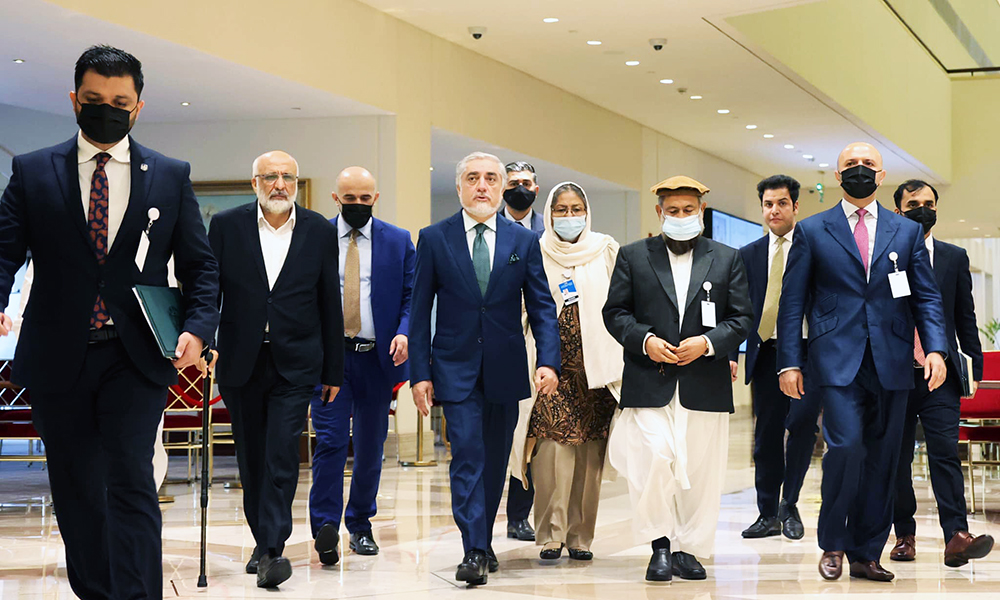
The participants of the Doha meeting on Afghanistan have called on the warring parties to accelerate efforts to reach a political settlement and a comprehensive ceasefire, amid the advance of the Taliban militants towards Provincial capitals.
The Afghan government and the Taliban delegations and special representatives of UN, US, UK, EU, China, Uzbekistan, Qatar, Pakistan, Germany, Norway, Tajikistan, Turkey, Turkmenistan and India participated the meeting.
The participants issued a joint statement at the end of the meeting on Thursday.
According to the statement, all participants agreed on the importance of accelerating the Afghan peace process and negotiating “concrete proposal from both sides.
The International community also called for an immediate cessation of violence and attacks on the Provincial capitals.
Meanwhile, the participants reiterated that the International community will not recognize any government in Afghanistan that imposed by a military takeover.
The joint statement highlighted the following key points:
1. Participants agreed that the peace process needs to be accelerated as a matter of great urgency on the basis of the negotiations of concrete proposals from both sides.
2. Participants urged both sides to take steps to build trust and accelerate efforts to reach a political settlement and comprehensive ceasefire as quickly as possible.
3. Participants called for a stop to violence and attacks immediately in and against provincial capitals and other cities.
4. Participants took note of converging statements of both sides on the following guiding principles for a political settlement: (a) inclusive governance; (b) respect for human rights, including the rights of women and minorities; (c) a mechanism to deliver a representative government, (d) a commitment does not allow any individuals or groups to use the soil of Afghanistan to threaten the security of other countries; and, (e) respect for international law, including international humanitarian law.
5. Participants called on all Afghan sides to act in accordance with these principles and build on them in the future political settlement.
6. Participants raised grave concerns about reports from across Afghanistan with respect to continued violence, large numbers of civilian casualties and extra-judicial killings, widespread and credible allegations of human rights violations, all attacks (ground and air) against provincial capitals and cities, and the destruction of physical infrastructure that perpetuate conflict and make reconciliation efforts more difficult.
7. Participants reaffirmed that they will not recognize any government in Afghanistan that is imposed through the use of military force.
8. Participants committed to assist in the reconstruction of Afghanistan once a viable political settlement is reached following good faith negotiations between the two sides.
9. Participants express full support and gratitude to the State of Qatar and its efforts in this regards.



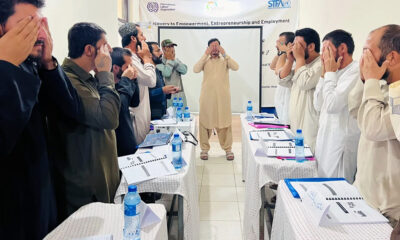


Russia has urged the international community to adopt a comprehensive and non-politicized approach toward Afghanistan, emphasizing dialogue, regional cooperation, and practical support to stabilize the country and prevent further security deterioration.
Speaking at a recent UN Security Council meeting, Russia’s Permanent Representative, Vassily Nebenzia, said that contrary to Western predictions following the withdrawal of foreign troops, Afghanistan did not collapse. He argued that despite ongoing sanctions, Afghan authorities are making efforts to address long-standing challenges and pursue regional cooperation aimed at building a self-reliant state, though he acknowledged the process would take time and require international support.
Nebenzia said Russia continues to back the UN Assistance Mission in Afghanistan (UNAMA) and supports initiatives such as the Doha Process, which promotes engagement with the Islamic Emirate and Afghanistan’s gradual reintegration into global affairs. He stressed that constructive dialogue with the Afghan authorities is essential and warned against what he described as pressure, ultimatums, or sanctions-driven approaches, saying these could harden positions and undermine UN efforts on the ground.
The Russian envoy said regional players, including members of the Shanghai Cooperation Organization (SCO) and the Collective Security Treaty Organization (CSTO), share the view that engagement is the only viable path forward.
He also called for progress on unfreezing Afghan assets and expanding development assistance, warning that failure to do so could lead to a further drawdown of the UN presence in the country.
On security, Nebenzia expressed concern about ongoing terrorist threats, particularly from Islamic State Khorasan Province (ISKP), also known as Daesh, noting that the group continues to receive external funding and recruit foreign fighters, including individuals with combat experience from Syria and Iraq.
He also raised alarm over uncertainty surrounding weapons left behind by NATO forces and warned of the growing production of synthetic drugs, which he said is closely linked to terrorism.
Nebenzia said Russia supports dialogue between Afghanistan and Pakistan amid rising tensions linked to militant activity, urging both sides to expand cooperation, especially on counterterrorism.
He also highlighted the worsening socio-economic situation in Afghanistan and praised humanitarian agencies for continuing their work despite funding cuts. Russia, he said, remains engaged in providing assistance and expanding cooperation with Afghanistan in political, security, and economic fields.
The Russian envoy reiterated Moscow’s support for the rights of all Afghans and the formation of an inclusive government, calling for respect for fundamental freedoms, including access to education and employment, without discrimination.
Nebenzia concluded by urging the UN to engage with Afghanistan’s “real authorities” to help resolve the country’s challenges and support its reintegration into the international community.
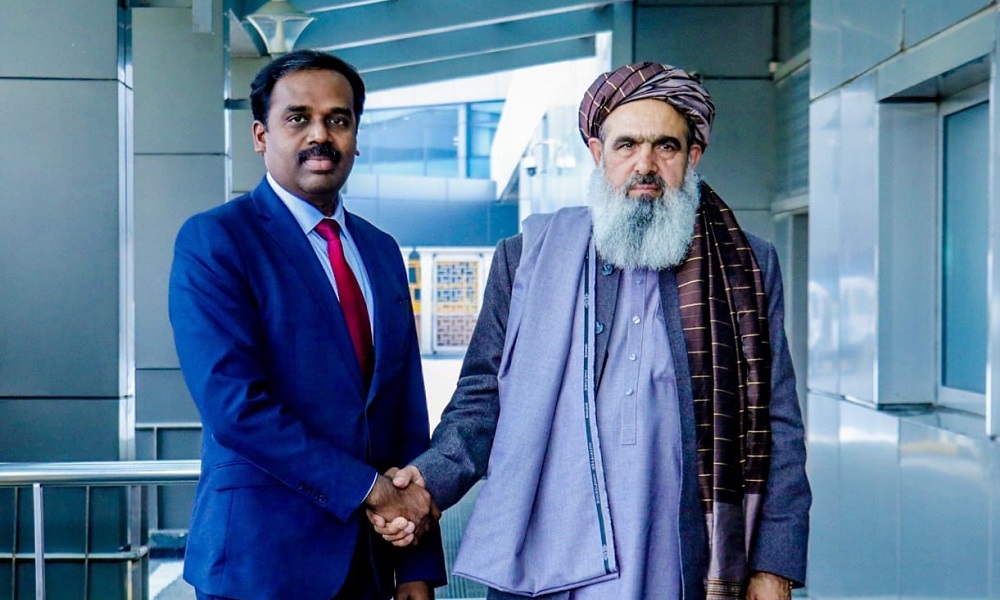
Afghanistan’s Minister of Public Health, Noor Jalal Jalali, has embarked on an official visit to India at the invitation of the Indian government, leading a delegation from the ministry.
In a statement, the Ministry of Public Health said the visit is aimed at strengthening health cooperation between the two countries, promoting the exchange of expertise, and coordinating joint health programs.
During the trip, Jalali is expected to hold meetings with Indian officials, particularly those from the health sector, and take part in a series of pre-arranged engagements.
Discussions will focus on capacity building for Afghan health workers, the import of standard medicines to Afghanistan, access to medical equipment, and other areas of cooperation.
The ministry said the visit is intended to open a new chapter in health collaboration between Afghanistan and India, with a focus on improving healthcare services and professional development.
Latest News
IEA supreme leader stresses enforcement of Sharia law and sincere public service
Hamdullah Fitrat said Akhundzada delivered the remarks during a three-day reform seminar held in Kandahar, attended by officials from various ministries and government institutions.
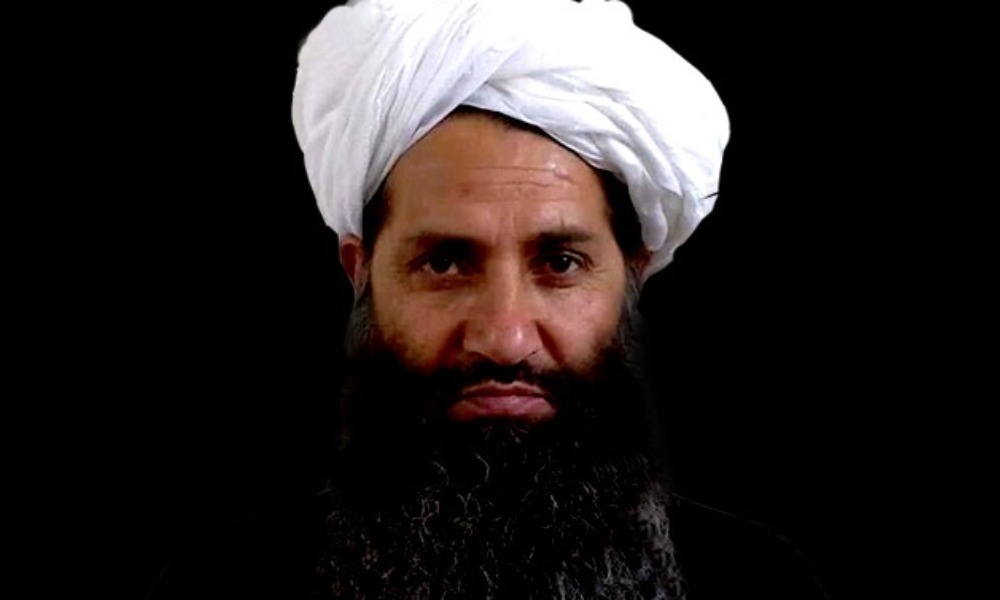
The Supreme Leader of the Islamic Emirate of Afghanistan (IEA), Hibatullah Akhundzada, has emphasized the need for strict implementation of Sharia law and the need for sincere public service by government officials, according to a statement from the group’s deputy spokesperson.
Hamdullah Fitrat said Akhundzada delivered the remarks during a three-day reform seminar held in Kandahar, attended by officials from various ministries and government institutions.
During his address, the IEA leader stressed that the laws of the Islamic Emirate are derived from Islamic teachings and are not based on the views or opinions of a limited number of individuals. He underscored that all state affairs must be conducted in accordance with Sharia principles to strengthen the governing system.
Fitrat added that Akhundzada also highlighted the responsibility of the government to protect the rights of vulnerable groups, including orphans, widows, people with disabilities, the poor, migrants, and prisoners. He described providing services and education for these groups as a core duty of the state.
The IEA leader further urged officials to serve the public with sincerity, compassion, and integrity, calling on them to pay close attention to the needs and concerns of the population and to carry out their duties in line with Islamic law.


Russia calls for broad engagement with Afghan authorities

Afghanistan’s public health minister begins official visit to India

IEA supreme leader stresses enforcement of Sharia law and sincere public service

ILT20: Sharjah Warriorz secure 11-run victory over Gulf Giants

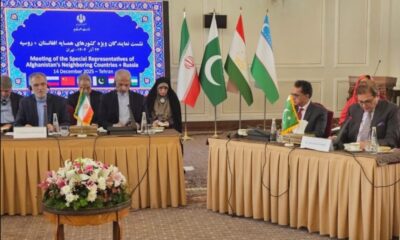
Envoys meet in Tehran, urge Kabul and Islamabad to resolve disputes through dialogue

Afghanistan records $580m in fruit exports in six months

Afghanistan U19 cricket team defeats India A U19

Afghanistan economy under pressure as Pakistan shocks reshape trade flows

Full match schedule unveiled as draw launches Afghanistan Champions League Season 5

Gaza death toll tops 70,000, health ministry says

Tahawol: Officials say interactions must be based on realities

Saar: mistreatment of Afghan refugees in Pakistan discussed

Tahawol: Intertwined interests of neighbors and Afghan security dynamics discussed

Saar: warning to those who disrupt Afghanistan’s stability

Saar: Iran’s regional meeting on Afghanistan discussed
-
 Latest News3 days ago
Islamic Emirate declines to attend Tehran meeting on Afghanistan
-

 Latest News2 days ago
US delivers second batch of Afghan Black Hawk helicopters to Peru
-
 Latest News4 days ago
Dual-citizen Afghans don’t need a visa to enter the country: Foreign Ministry
-
 Latest News5 days ago
Muttaqi: Afghanistan’s progress requires both religious and modern education
-
 Business2 days ago
Afghan economy posts second year of growth despite deep structural challenges
-
 Latest News1 day ago
Germany speeds up admission of Afghans from Pakistan
-
 Latest News4 days ago
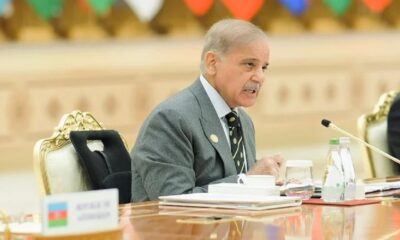
Pakistan PM: We need the international community to urge the IEA to curb terrorism
-

 Sport2 days ago
ATN to broadcast ‘The Best FIFA Football Awards 2025’