
Latest News
Ghani says 90% of population lives below the poverty line

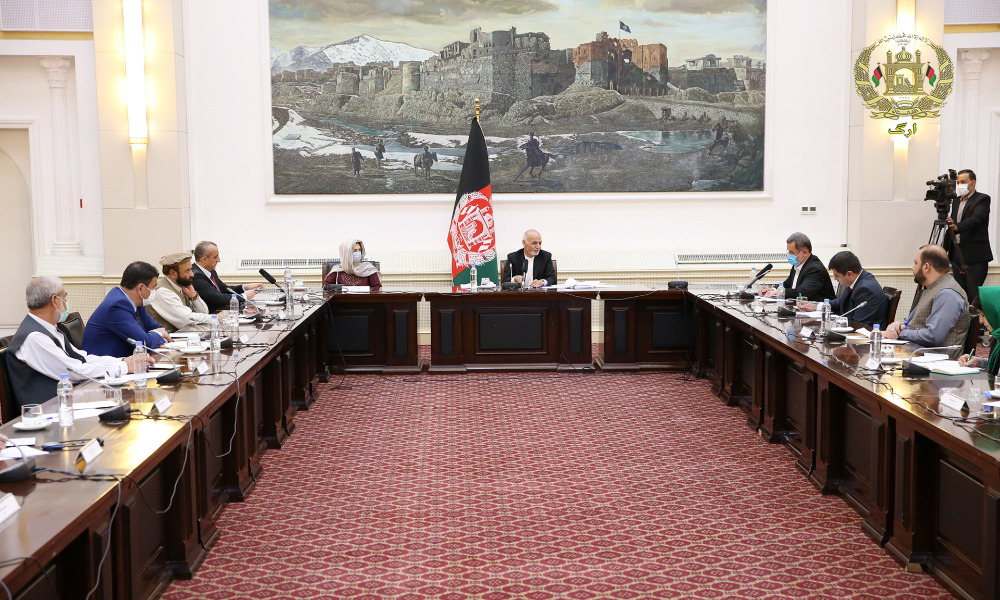
President Ashraf Ghani on Saturday painted a grim picture of the high poverty levels in Afghanistan and said an estimated 90 percent of the population lived below the $2 a day poverty line.
Addressing guests attending the launch of the government’s aid distribution program “Distarkhan-e-Millie”, Ghani said poverty is not an incident, it is a tragedy.
He said a responsible and accountable government takes the pain of its people seriously and acts accordingly.
The president said the accountability method in dealing with the new program will be revised and that it will be monitored so that people get the food packages they need. He also indicated that if mismanagement occurred, the people needed to report it.
Ghani also raised the issue of COVID-19 and praised officials for having raised awareness around the pandemic.
In terms of aid, donated by foreign countries, Ghani said that Afghanistan needed to become self-sufficient in this respect. He did, however, express his appreciation regarding international organizations and countries that had contributed to the program.
Amrullah Saleh, First Vice President, meanwhile thanked Ghani for having made budget adjustments to include the food program.
He said the food distribution programs will be rolled out in two phases; at first in 34 provinces, 123 districts, 12,896 villages, and will reach a total of 1.67 million families.
This phase will cost an estimated US$86 million and packages will include wheat, rice, oil, beans, and hand soap.
Saleh said the second phase would also be carried out in 34 provinces and will take in 235 districts, 21,842 villages, and 2.5 million families.
The budget for phase two would be an estimated US$158 million.




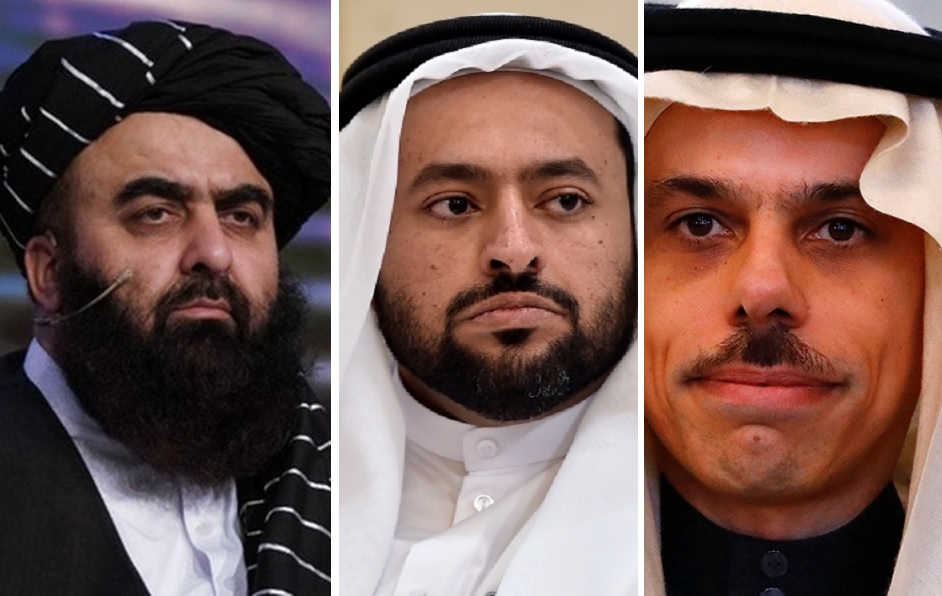
Foreign Minister of the Islamic Emirate of Afghanistan, Amir Khan Muttaqi, held separate phone calls with senior officials from Qatar and Saudi Arabia, focusing on the recent escalation between Afghanistan and Pakistan.
In his call with Qatar’s Minister of State for Foreign Affairs, Mohammed bin Abdulaziz Al-Khulaifi, Muttaqi said Afghanistan’s recent security actions were aimed at protecting sovereignty and territorial integrity. Qatar expressed support for reducing tensions and said it is ready to play a constructive role.
During his call with Saudi Foreign Minister Prince Faisal bin Farhan, Muttaqi praised Riyadh’s diplomatic efforts and reaffirmed Afghanistan’s desire for positive relations based on mutual respect. Saudi Arabia stressed de-escalation, dialogue, and respect for sovereignty as essential for resolving disputes.
Both Qatar and Saudi Arabia agreed to maintain ongoing contact and support diplomatic approaches to regional stability.
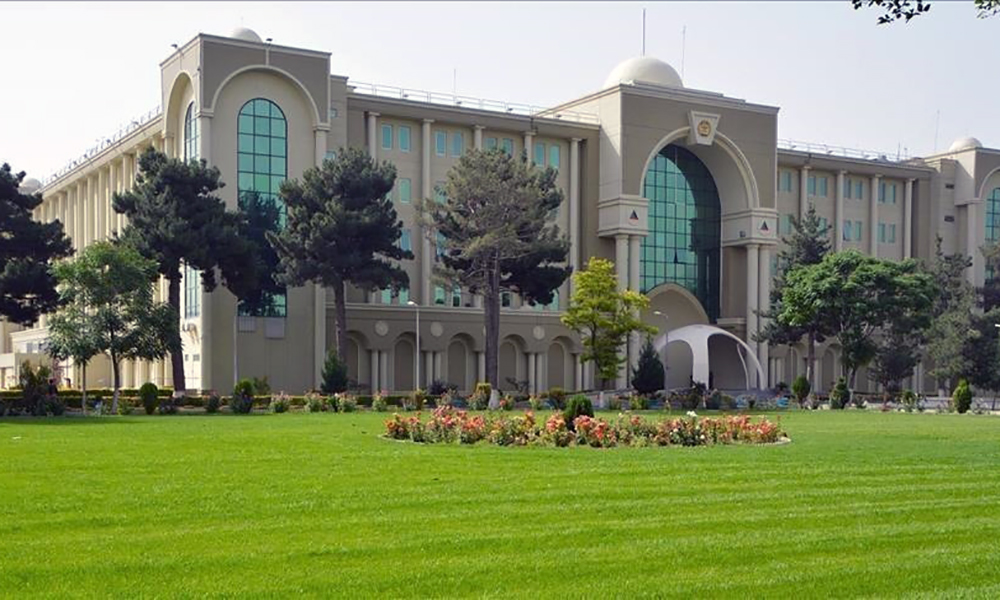
The Ministry of Defense of Afghanistan has announced that Afghan forces carried out fresh airstrikes on military targets in Miranshah and Spinwam, in Pakistan.
The strikes took place last night around 12:00 AM, according to the Ministry. In its statement, the Ministry said the Miranshah and Spinwam military bases were destroyed, resulting in heavy casualties.
The statement added that these “successful strikes were carried out in response to repeated air incursions by the Pakistani military regime.”
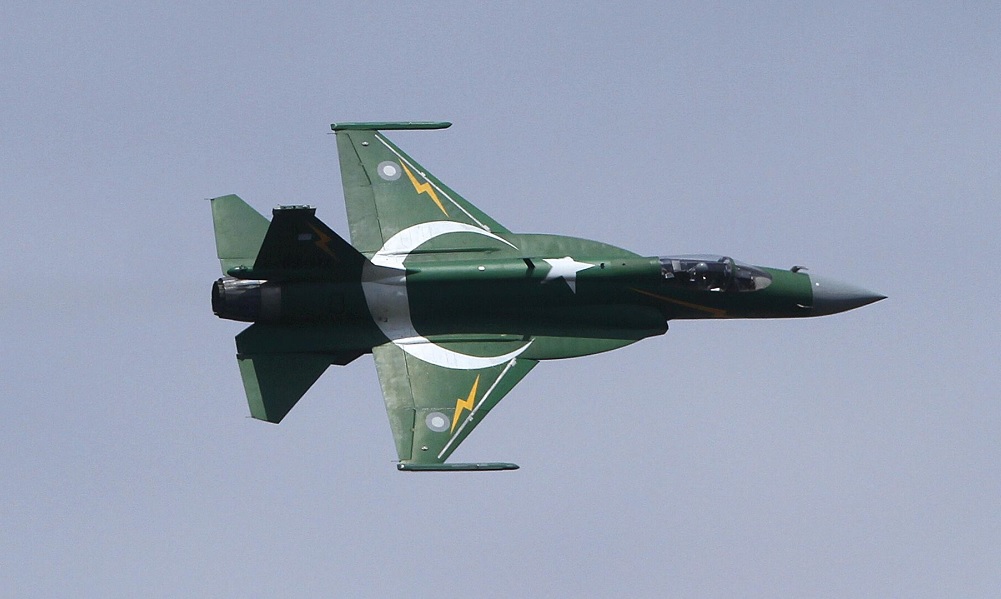
Afghan forces successfully shot down a military jet belonging to the Pakistani military in the 6th district of Jalalabad, according to the spokesperson of the Nangarhar police.
Officials confirmed that the pilot of the jet was captured alive following the incident. The spokesperson did not immediately provide further details on the circumstances leading to the downing of the aircraft or the current status of the pilot.
This development comes amid ongoing tensions along the Durand Line, where security forces from both sides have reportedly engaged in sporadic clashes recently.


Afghan FM Muttaqi discusses Pakistan tensions with Qatari and Saudi officials

Israel says it launched pre-emptive attack against Iran

Afghan forces conduct fresh airstrikes on Pakistani military targets

Pakistani military jet downed in Afghanistan’s Jalalabad, pilot captured alive

UAE and Iran call for diplomatic resolution to Afghanistan–Pakistan tensions

IEA releases three Pakistani soldiers to mark Ramadan

AFC Futsal Asian Cup: Afghanistan to face Iran in crucial Group D clash

Afghanistan’s Chief of Armed Forces underscores readiness and equipment for national defense

Afghanistan welcomes investment and technology partnerships with India

Grateful to Afghans and Ulama for obeying the Islamic Emirate, says Hibatullah Akhundzada

Tahawol: Carrying out retaliatory operations against Pakistan discussed

Saar: Resumption of retaliatory operations against Pakistan discussed

Tahawol: IEA’s military response against Pakistan discussed

Saar: Discussion on silence over Pakistan’s attacks in Afghanistan

Tahawol: Reviewing relations between Pakistan, Qatar and Afghanistan
-
 Latest News1 day ago
Afghan Air Force conducts airstrikes in Islamabad, other cities
-
 Latest News1 day ago
IEA: Special circle in Pakistan has launched mission to destabilize region
-

 Latest News5 days ago
IEA rejects Russia’s claims of foreign militants in Afghanistan
-

 International Sports4 days ago
AFC Champions League Elite gears up for Round of 16 as league stage concludes
-

 Sport4 days ago
Richard Pybus appointed as head coach of Afghanistan’s national cricket team
-

 World2 days ago
India’s Modi backs Israel in address at Israeli parliament
-

 International Sports4 days ago
Winter Olympics 2026 concludes with Norway on top of medal standings
-
 Latest News4 days ago
Bennett expresses concern over civilian casualties in Pakistani airstrikes on Afghanistan