
Latest News
Germany pledges 600 million euro in humanitarian aid to Afghanistan

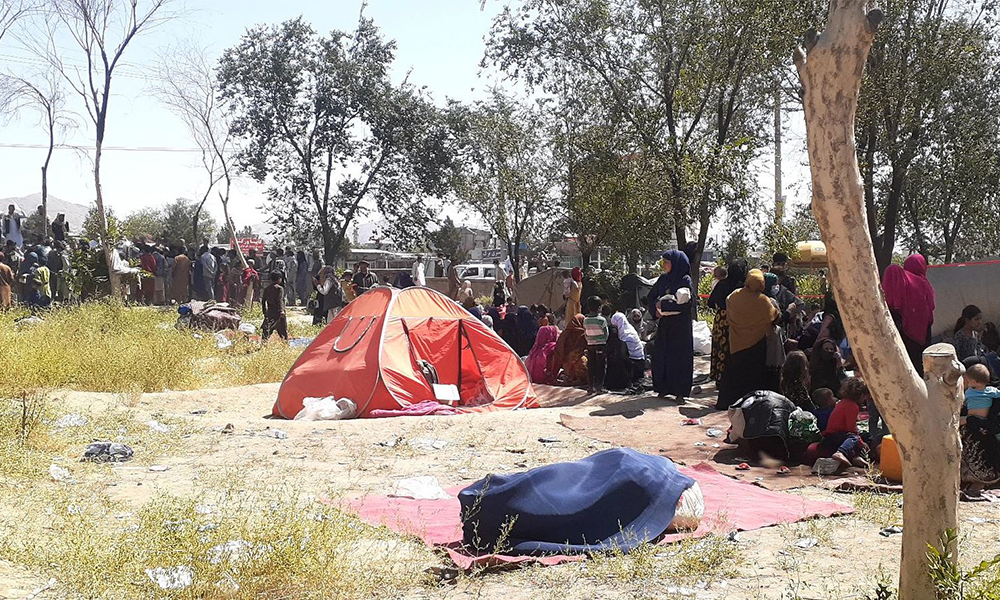
Germany has pledged an additional 600 million euro to increase humanitarian assistance and provide funding for international organizations which support Afghans in need.
German Foreign Ministry said in a statement that this aid will directly benefit people via partner organizations such as the World Food Programme (WFP), and the Office of the UN High Commissioner for Refugees (UNHCR).
This comes as the humanitarian situation in Afghanistan was critical even before the Islamic Emirate of Afghanistan (IEA) seized power, and the situation is continuing to deteriorate, the statement said.
According to the statement, more than half of the Afghan population, 22.8 million people, are at risk of starvation. Some 5.5 million Afghans are internally displaced, while almost as many have fled to neighboring countries or the region at large.
“The already weak economy has slumped further since the Taliban (IEA) took over power. Many people who used to be able to provide for themselves without any problems have lost their work, resulting in them and their families becoming dependent on assistance. At the same time, a severe drought is decimating the harvest yields,” the statement noted.
The statement noted that the German Government is providing this assistance mainly based on the needs calculated by the United Nations and the Red Cross/Red Crescent Movement.
“The relief organizations can use this money to provide quick and efficient assistance for millions of people in need throughout the country.”
“Our partners ensure that the assistance is only used for humanitarian purposes and does not fall into the hands of the Taliban (IEA),” read the statement.
Meanwhile, Germany will also assist vulnerable Afghans in neighboring countries such as Iran and Pakistan.
“The World Food Programme (WFP), for instance, is helping people who had to leave their villages due to the hostilities or the ongoing severe drought and who have lost their livelihood as a result.”
“The WFP is making available food and heating fuel to these people or providing cash so that families can buy their own supplies. This also benefits the local economy, as people can once more buy basic necessities in the markets,” the statement added.
The UNHCR, with Germany’s help, has set up accommodation, sanitary facilities, and medical stations. Here the refugees, including many children, find shelter and receive medical care as well as essential supplies, the statement concluded.
* We Give So They May Live Campaign – Donate Here: www.helpafg.org
Ariana News and Ariana Television fully support the Bayat Foundation’s initiative to raise funds to provide emergency aid to poverty-stricken Afghans. As official media partners we appeal to you to help provide food essentials to as many Afghan families as possible.




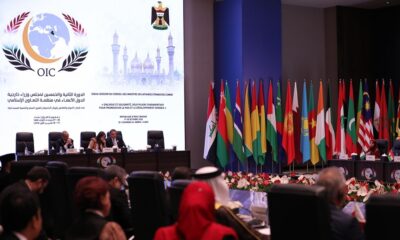


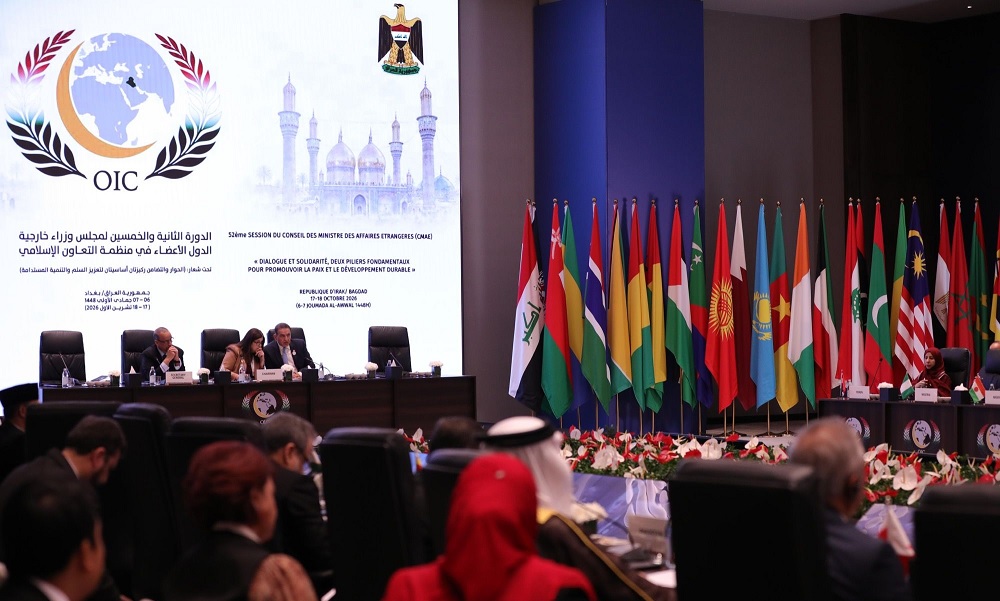
“In Afghanistan, we will continue dialogue with the de facto authorities on the rights of women and girls to education and work, based on Islamic values, and support the humanitarian and economic needs of the Afghan people,” he said addressing the OIC Council of Foreign Ministers in Baghdad, Iraq.
At the meeting, Turkish Foreign Minister Hakan Fidan also said the situation in Afghanistan, Sudan and Somalia was challenging and should be at the top of the meeting’s agenda.
Latest News
Mullah Baradar urges UNAMA not to overlook Afghanistan’s economic and security achievements
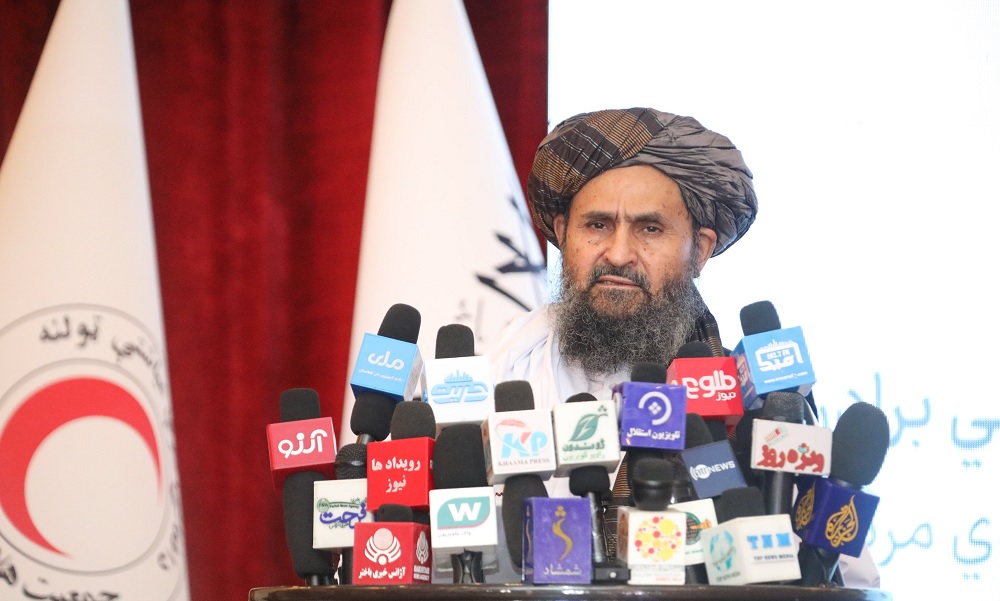
Mullah Abdul Ghani Baradar, the Islamic Emirate of Afghanistan’s Deputy Prime Minister for Economic Affairs, has urged the United Nations Assistance Mission in Afghanistan (UNAMA) to publish its reports on Afghanistan impartially, taking the country’s realities into account and not overlooking its economic and security achievements.
He made the remarks on Sunday at a ceremony organised by the Afghan Red Crescent Society to mark the special week dedicated to supporting people in need.
Baradar said: “It is not fair for Afghanistan’s economic and security achievements to be ignored in reports, while UNAMA, as an opposing and hostile party, focuses on the negative aspects.”
The deputy prime minister for economic affairs said many Afghans were facing a severe economic and humanitarian crisis due to recent droughts, seasonal floods, earthquakes and the forced return of thousands of families to the country. He said addressing these challenges required serious attention.
He called on wealthy individuals, traders, investors, charitable organisations and international humanitarian agencies to provide practical assistance and cooperate with the Afghan Red Crescent Society.
Meanwhile, Noorulhaq Anwar, head of the General Directorate of Administrative Affairs, called on Afghanistan’s neighbouring countries to stop harassing and suppressing Afghans and depriving them of economic opportunities.
Referring to relations between neighbours, Anwar said neighbours should help reduce one another’s difficulties rather than make people’s lives harder through economic pressure.
Without naming any specific country, Anwar added that Afghanistan’s neighbours were still harassing and suppressing Afghans and depriving them economically.
Latest News
Hegseth says only a few NATO allies were involved in fighting in Afghanistan
Recalling his deployment to Afghanistan, Hegseth said he would visit NATO headquarters in Kabul, where the flags of around 50 countries were displayed.



ACL: League leaders Sorkh Poshan claim another 3 points

Tahawol: Afghanistan’s empty seat at OIC Meeting

Toofan Herat beat Istiqlal Kabul 2-0 in Afghanistan Champions League clash

Saar: Islamic Emirate–Pakistan clashes discussed

Dogharoun border handling 70% of Iran’s exports to Afghanistan

Cricket Bonanza: Afghanistan set for packed international schedule

Afghanistan says 28 killed, 32 captured in Nuristan operation

Silk Road highway in Wakhan corridor now reaches the China border

CNN, MS NOW and Politico sue Trump, challenging White House ban

Dogharoun handles 60% of Iran’s exports to Afghanistan
Tahawol: Afghanistan’s empty seat at OIC Meeting
Saar: Islamic Emirate–Pakistan clashes discussed

France rocked by nationwide clashes, looting and fires

Tahawol: Russian economic delegation’s visit to Kabul

Saar: Discussion on harsh criticism of Pakistan at Moscow meeting
-

 Sport5 days ago
Afghan futsal coach: Brazil tournament is first step towards new goals and World Cup
-
 Latest News5 days ago
Afghan official says Durand Line crossings to remain closed until Islamabad accepts demands
-
 Latest News4 days ago
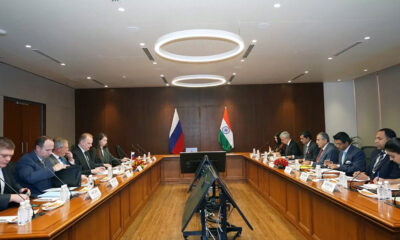
India, Russia hold security talks on Afghanistan and Pakistan amid regional tensions
-
 Latest News5 days ago
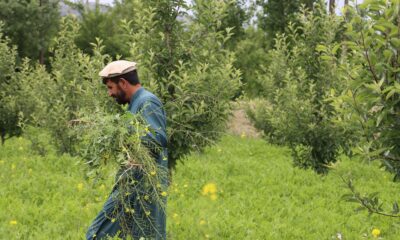
Afghan farmers adopt climate-resilient innovations to improve food security
-
 Latest News5 days ago
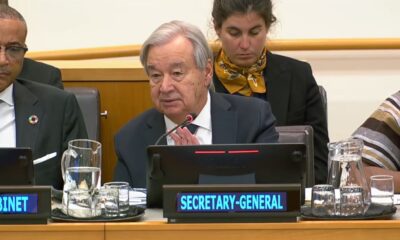
Guterres proposes 60 job cuts at UNAMA
-
 Latest News4 days ago
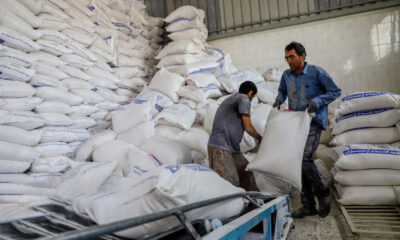
Uzbekistan gains ground in Afghanistan’s flour market as Kazakhstan loses exports
-
 Regional5 days ago
Saudi Aramco administrative building attacked, limited fire reported
-

 World5 days ago
Yemen hospitals overwhelmed by surge in war casualties, Red Cross warns