
Latest News
Former UNAMA chief gives frank opinion on current crisis

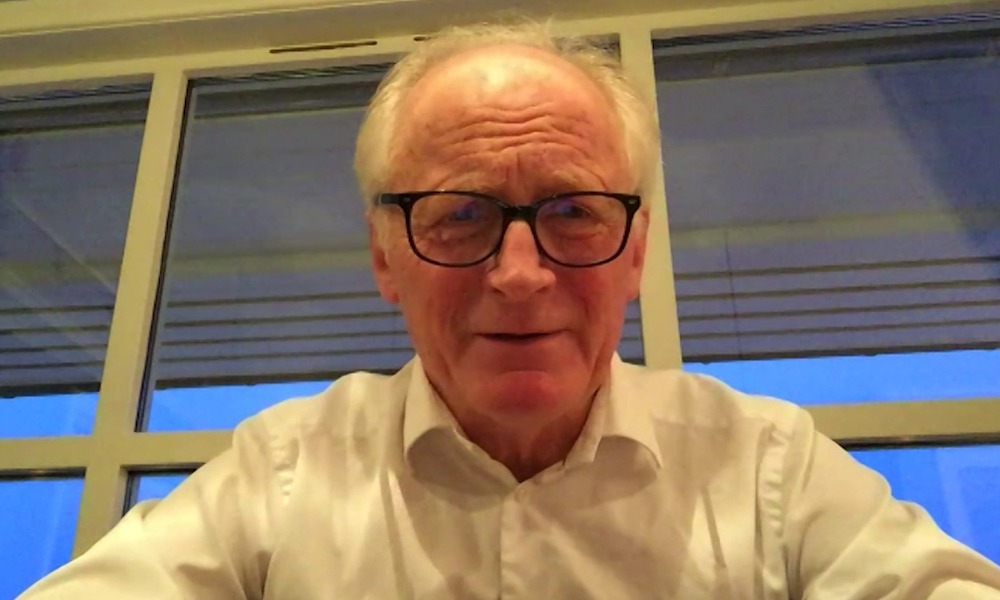
Kai Eide, former head of UNAMA has pointed a finger at Afghanistan’s leaders and said there is little unity among them and that hostile statements made could undermine the peace process.
Referring specifically to the first vice president, Eide said: “I see Amrullah Saleh, the vice president, constantly (making) what I would call rather poisonous statements.
“Yes we need a reduction in the level of violence, but we also need a reduction in the level of polemics that are being thrown out there,” he said adding that this affects “the atmosphere in a bad way”.
In an exclusive interview with Ariana News, Eide said he was shocked at the lack of preparation for peace talks on the part of the Afghan government.
He said discussions had been held for months, ahead of the launch of negotiations in Doha, but that government had been wholly underprepared for the talks.
One example he cited was that members of the High Council for National Reconciliation were only appointed in the lead up to the start of the peace talks. He said the lack of preparedness was “shocking” to him.
He also blasted government and said there was no unity among its leaders and that consensus is needed among Afghan politicians adding that
He said the insufficient preparations for peace talks was “shocking” to him even though officials have had a long time to get the structure right.
He questioned the reason for this and asked if this was “foot dragging or what is the behind this. Certainly there is controversy among the government leaders.”
He also questioned why a technical team for the peace talks had only recently been established and pointed out that modalities and procedures are difficult topics to discuss and decide on and said these can not be discussed just days before negotiations resume.
Clearly frustrated over the speed at which things have been done he said: “Get a structure in place!.”
Regarding the second round of talks, he said he is “worried” that the republic’s team is not ready but also stated that he is not sure if the Taliban team really knows what they want from this round of negotiations.
He said to date the Taliban has really only focused on discussions of a military nature opposed to talks which are centered on civilian and political-related topics.
Asked about the Taliban and who they are, Eide said he thinks they have changed but whether they have changed enough, only time will tell.
However, he said he did not think they can rule Afghanistan again? “No I don’t think so”. Do they want a different relationship with the international community? “Yes I think so,” he said.
“Do they know how to get there? I am very unsure.”
“Their experience is from negotiating military matters now over the last two years and their experience negotiating civilian issues, political issues is very minimal.”
He said he often asks himself whether the Taliban knows themselves where they are heading and what their red lines are.
“Sometimes I hear very combative statements from them regarding issues of key importance.”
On incoming US president Joe-Biden he said he does not think the incoming president will reverse outgoing President Donald Trump’s decision to withdraw troops
But he said he had expected spoilers to come out after the US and Taliban signed their agreement in February last year.
However, what was of serious concern to him was the high levels of violence.
Blunt and to the point he implied that circles within Kabul who do not want the peace talks to progress could be using the high levels of violence as an excuse “to say look the Taliban again. They don’t want to admit. They hiding their face. They really don’t want peace.”
“But I am also worried about the level of violence,” he said implying that if the Taliban, as they claim, are not behind the targeted killings, they “could have reassured the government and the international community” that they would reduce violence “and do it in a way that is visible.
He said violence “is highly counterproductive” and “I wish that would stop immediately”
He also said a ceasefire, although necessary, is “unrealistic at this stage” but what is realistic is that there needs to be a significant reduction of violence – as seen in other conflicts in the past.
Eide stated there is a lack of unity within the Kabul government – which is “frustrating”, especially in light of two “so-called presidents” having taken oath last year which was bad for the Afghanistan democracy.
This was in reference to last year’s election standoff between Ghani and his then CEO Abdullah Abdullah, who is now the Chairman of the High Council for National Reconciliation (HCNR).
He said this was testimony to Afghan leaders not being united – specially after having two election candidates each declare themselves winners and hold their own inauguration ceremonies..
According to Eide, this fiasco not only caused a lot of time to be lost but it also sent out a disappointing message around the world – with the international community asking why could the country’s leaders not unite.
“What I am afraid of is that disagreement is still underlying and hampers the efficiency of the government.
“When you have claims all the time that the agreement is not respected etc; you see Dr Abdullah doing his thing, saying his thing; you see president Ghani saying sometimes other things, and vice president Saleh certainly on a more hostile note whenever he expresses his view.”
“If you want to succeed then you have to be united. And you have to demonstrate a united front,” he said.
Anything else makes you be seen as weak and you cannot afford to be weak in times like this, he said.
On US agreement with the Taliban, Eide said Trump’s plan “to end the endless wars” including the Afghan conflict was not well thought out and that the decision to withdraw troops was based on his election campaign promises to end wars the US is involved in.
“I think the question of withdrawal of American forces and international forces was only a matter of time. It would not have lasted much longer under the circumstances.
But he stressed that there was sometimes “no compromise” even though Afghanistan was a democracy.
Eide said it was not possible to have half a democracy and the system as it is needed to be accepted.
In line with this he said the discussions on what type of political system will be established will “be a great challenge” . He also pointed out that another question was around the rights and freedoms of the individual Afghan, including Afghan women and girls.
He said specifically with rights, for women and children and the media, it was critical that this was at 100 percent. He said one can’t go with 50 percent of rights – and that there was no compromise on this.
He said he did not see how a democratic system and peoples’ rights could be negotiated and that it was clear cut – you either “accept them or you don’t accept them”.
But going back to violence, he said it was critical to get the levels of violence down so as to create a calmer atmosphere so negotiators can sit and discuss issues without being distracted.
He also pointed out that the recent calls by officials and Ghani to hold the talks in Afghanistan was not necessary. He stated that it was normal for peace talks to be held in a third country.
He said by raising these types of issues only distracts from the “central issues that are confronting you at the moment.
On the comments by Saleh, the vice president’s office told Ariana News that the first VP has constantly emphasized the need for a reduction in violence and “Saleh has put all of his efforts for maintaining peace in the country.”

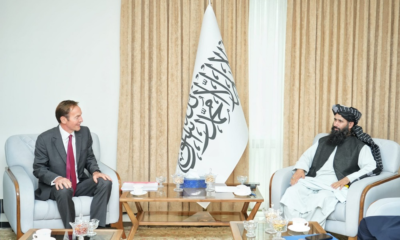

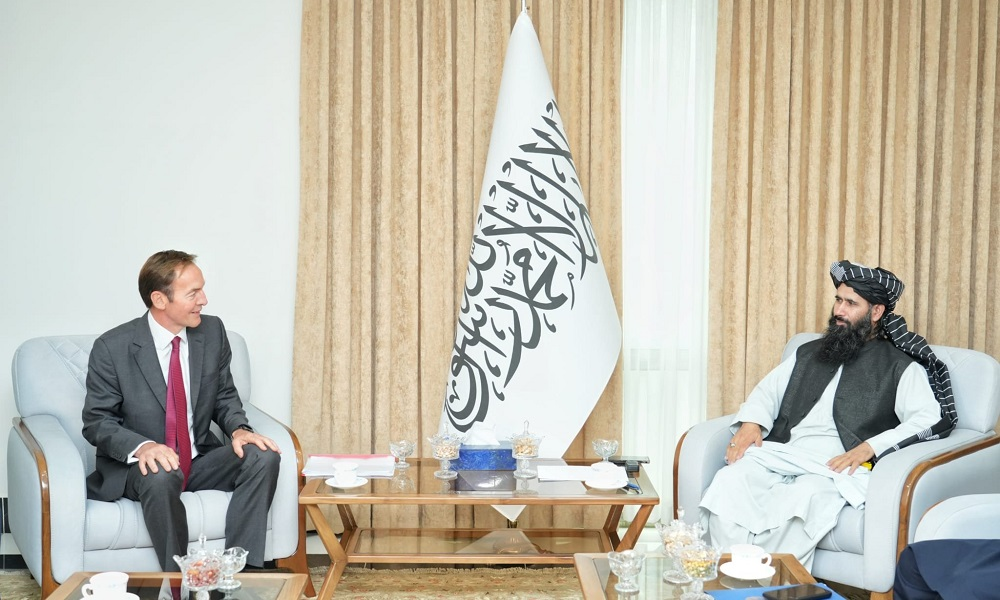
Mohammad Naeem, Deputy Minister for Finance and Administration at the Ministry of Foreign Affairs of the Islamic Emirate of Afghanistan, met on Wednesday with Richard Lindsay, the UK’s Special Representative for Afghanistan.
The Ministry of Foreign Affairs said the two sides discussed Afghanistan’s political, economic and security situation, regional stability, humanitarian assistance and consular services.
Naeem expressed appreciation for the UK’s humanitarian assistance and cooperation with Afghanistan and stressed the importance of continuing cooperation between the two sides.
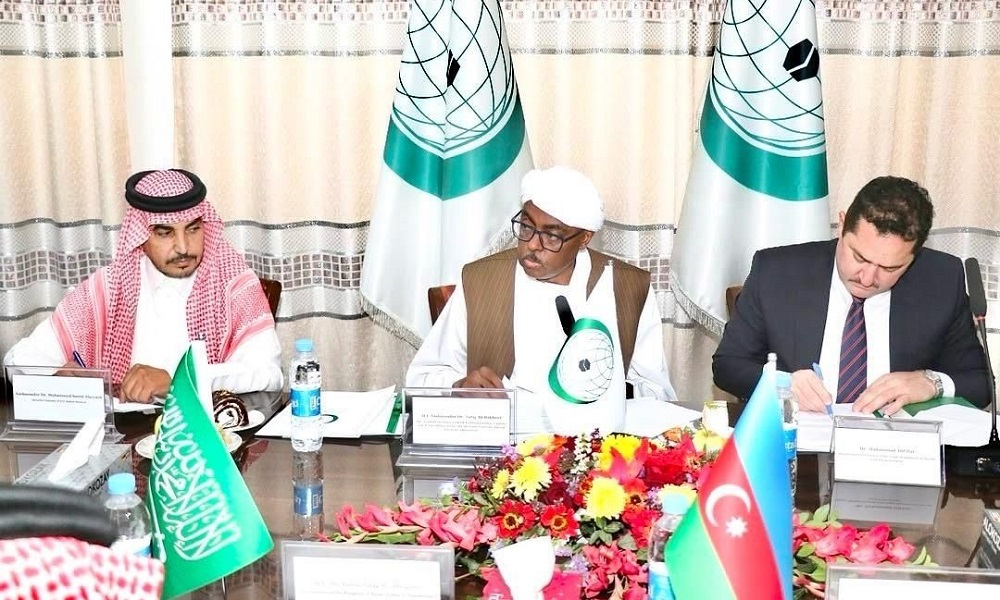
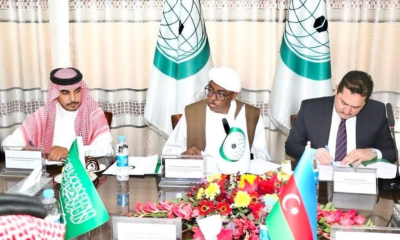
The Organization of Islamic Cooperation’s (OIC) Special Envoy to Afghanistan, Ambassador Dr Tarig Ali Bakheet, has briefed ambassadors and heads of mission from OIC member states in Kabul on the outcomes of his official visit to the country.
The briefing followed meetings with Afghanistan’s authorities and international partners, focusing on humanitarian assistance, counter-terrorism efforts, healthcare, education and measures to improve livelihoods.
According to the OIC, discussions also explored opportunities to strengthen cooperation in addressing Afghanistan’s humanitarian and development challenges.
Bakheet emphasised the need for OIC member states to coordinate their efforts and maintain cooperation to support the Afghan people, particularly in meeting the country’s ongoing humanitarian needs and development priorities.
The meeting also provided an opportunity for diplomats to exchange views on the OIC’s current activities in Afghanistan and discuss potential areas for future engagement.
The OIC, a grouping of Muslim-majority countries, has continued to engage on Afghanistan through diplomatic contacts and humanitarian initiatives, with a focus on supporting the population and addressing the country’s social and economic needs.
The briefing comes as Afghanistan continues to face significant humanitarian and economic challenges, making international assistance and coordination important for the delivery of essential services and the improvement of livelihoods.
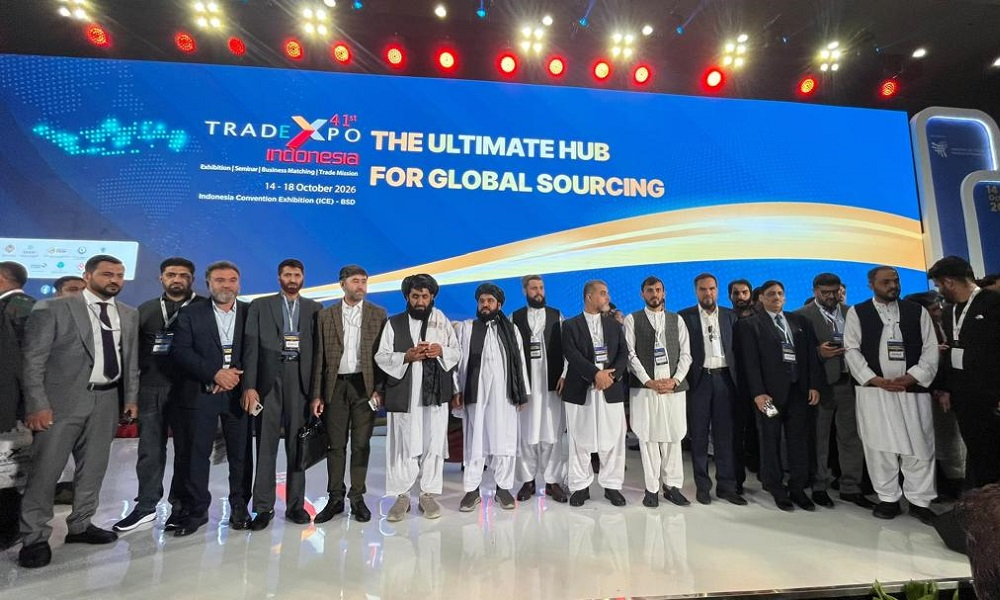
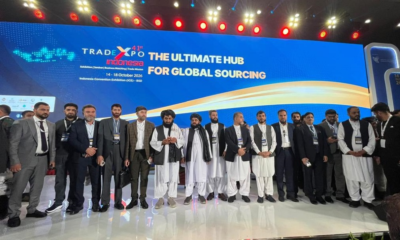
Habibullah Omar, deputy for cultural affairs at the Afghanistan Chamber of Commerce and Investment, led a 50-member business delegation to the 41st International Exhibition in Indonesia.
The delegation included members of the leadership of the Kabul and Balkh chambers of commerce and investment, along with representatives of Afghanistan’s private sector.
During the exhibition, Omar visited various booths, held discussions with exhibitors and learned about the products on display.
He also highlighted investment opportunities in Afghanistan and domestic trade exhibitions, urging businesspeople and representatives from various sectors to invest in the country’s commercial sector.


Afghanistan and UK stress expanding bilateral cooperation

OIC envoy briefs Kabul diplomats on talks with Afghan authorities

Afghan delegation attends 41st international exhibition in Indonesia

Afghan official says Durand Line crossings to remain closed until Islamabad accepts demands

Yemen hospitals overwhelmed by surge in war casualties, Red Cross warns

Cricket Bonanza: Afghanistan set for packed international schedule

UN warns of mounting humanitarian and human rights pressures in Afghanistan

Afghanistan says 28 killed, 32 captured in Nuristan operation

CNN, MS NOW and Politico sue Trump, challenging White House ban

Silk Road highway in Wakhan corridor now reaches the China border

Tahawol: Warnings over worsening insecurity in Pakistan discussed

Saar: Concerns over potential return of US military bases to Afghanistan discussed

Tahawol: Kabul’s criticism of Islamabad’s policy toward Afghanistan

Saar: Pakistan deploying army in KP

Tahawol: EU appointing new envoy for Afghanistan
-
 Latest News4 days ago
Pakistan issues new directives for Afghan medical students and doctors
-
 Latest News4 days ago
Iranian lawmaker praises Afghanistan’s support, accuses Pakistan of ‘hypocrisy’
-
 World5 days ago
US imposes sanctions on ICC amid dispute over international prosecutions
-
 Regional3 days ago
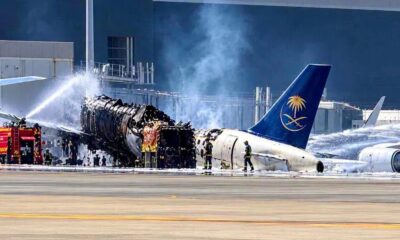
Houthis warn airlines to avoid Saudi airports after deadly Riyadh attack
-
 Sport5 days ago
Bangladesh reach 317/8 on Day One against Afghanistan in Test match
-
 Business4 days ago
Afghan-Austrian partnership aims to boost carpet exports to European markets
-
 Sport3 days ago
Afghanistan Champions League second half to kick off on October 16
-

 World2 days ago
One dead in new attack on Saudi airport, a day after Houthi strike kills 13