
Regional
Flames, smoke seen near Riyadh airport; Houthis claim attacks on Saudi capital
The Saudi-led military coalition fighting the Houthis said its air defences had destroyed a missile fired by the Yemeni group toward Riyadh early on Saturday.

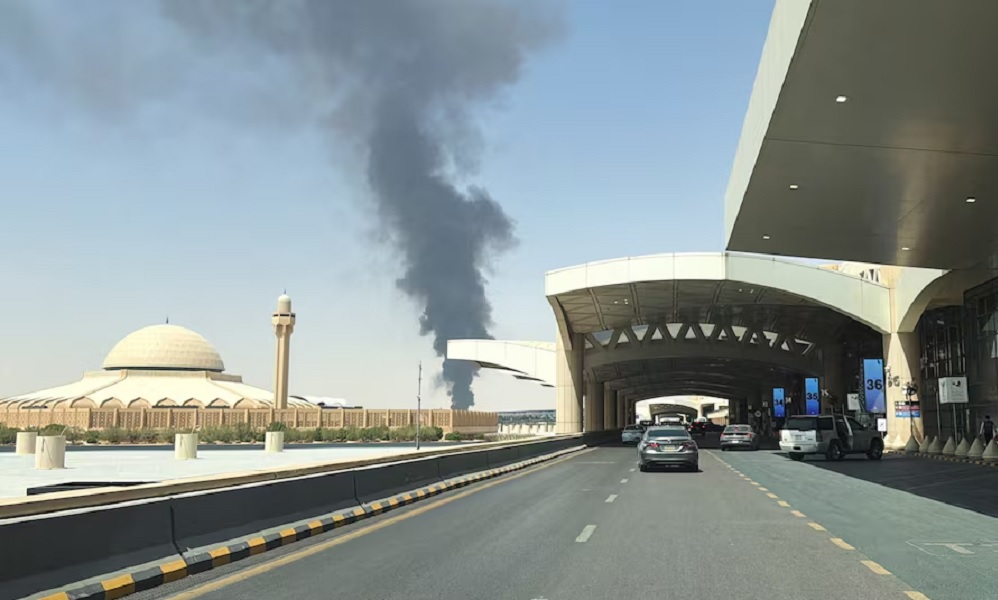
Yemen’s Houthis said they attacked “sensitive” sites in the Saudi capital Riyadh on Saturday with missiles and drones, hours after flames and a large plume of smoke were seen near the city’s main airport.
Saudi Arabia had sent alerts overnight warning of potential danger around Riyadh, amid an escalation in attacks by the Houthis in the kingdom, Reuters reported.
Reuters video and photographs showed a huge pillar of black smoke rising in the area, with the airport highway, main terminal building and other facilities in the foreground. At one point in the video, flames were visible rising from behind what appeared to be fuel tanks.
While the Iranian-backed Houthis have launched repeated attacks against Saudi Arabia since July, Saturday’s claim appeared to be their first reported strike on Riyadh since the current escalation began.
The Houthis did not specify what they had targeted in Riyadh, but said they had also attacked an Aramco facility in the Red Sea city of Yanbu, a key Saudi oil export hub.
They said the operation came as a response to an attack in the Yemeni capital Sanaa.
The Saudi-led military coalition fighting the Houthis said its air defences had destroyed a missile fired by the Yemeni group toward Riyadh early on Saturday.
In a statement, the coalition also said it had foiled attacks targeting civilians in the Saudi cities of Bish and Farasan in the southwest and Taif in the west, as well as Yanbu on the Red Sea coast. It did not say whether there was any damage.
Saudi civil defence sent the alerts by phone overnight for potential danger of aerial attacks in Riyadh and the city of Al-Kharj east of the capital, before issuing an all-clear on Saturday morning. A Reuters journalist in Riyadh’s Olaya area heard booms before the all-clear was sent.
Although some alerts had been issued in Riyadh this year after the start of the US-Iran war, these were the first since the escalation with the Houthis began in July.
The fighting between the Houthis and Saudi Arabia has developed as a new theatre of conflict in the wider war that began with US and Israeli strikes against Iran at the end of February. US President Donald Trump has rebuffed Saudi requests for direct US military intervention against the Houthis.
A US State Department security alert issued on Saturday for Americans in the Middle East cited Houthi attacks. The State Department urged US citizens in the region to “exercise heightened vigilance” and that Americans outside the Middle East “should seriously reconsider travel to and through the region.”
HOUTHI WARNING
The Houthis, who control the most populous parts of Yemen and much of the north, have been launching attacks against Saudi Arabia since declaring a naval blockade against Riyadh in July, with strikes targeting Saudi vessels in the Red Sea.
The attacks have targeted Saudi cities, energy infrastructure and shipping, creating new threats to global oil supplies and putting at risk the main alternative Red Sea route for Gulf exports while traffic through the Strait of Hormuz remains blockaded.
Turkish Foreign Minister Hakan Fidan said Saudi Arabia may have military needs due to the ongoing Houthi attacks and Turkey was ready to help under a trilateral defence pact that also includes Pakistan.
It was unclear what kind of support Turkey might provide but Fidan, in an interview with broadcaster NTV, said Saudi needs could include “some technical issues.”
The trilateral agreement signed last month stipulates that an armed attack on any of the three countries would be regarded as an attack on all of them.
Mohsen Rezaei, secretary of Iran’s Supreme National Security Council, told Al Jazeera in an interview aired on Saturday that Tehran wanted the war between Saudi Arabia and the Houthis to end, adding that he believed Yemenis also wanted a settlement with Saudi Arabia.
Rezaei also said Iran had conveyed its conditions to mediators for re-engaging in stalled negotiations with the United States, including “ending the war on all fronts”.
Consultations were continuing with Qatari and Pakistani mediators and Tehran was awaiting a response from Trump, Rezaei said.
The UN Security Council in a statement on Friday “condemned in the strongest terms continued Houthi attacks against the Kingdom of Saudi Arabia, including attacks impacting civilian and energy infrastructure, which have resulted in the injury of civilians, including women and children.”
In the statement, the Security Council also condemned “Houthi military escalation in Yemen”.




Regional
Iran says US voted ‘No to War’ after Republican midterm losses
The comments came after US President Donald Trump acknowledged that the war with Iran and rising petrol prices had contributed to the Republicans’ poor election performance.
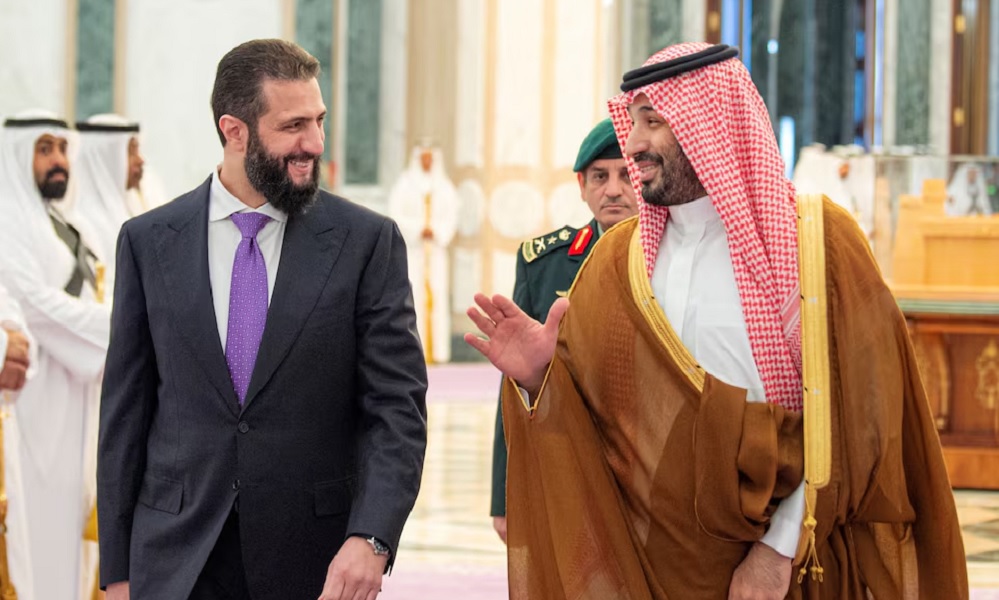
Saudi Arabia and Syria signed a cooperation agreement between the two countries’ defense ministries on Wednesday, Saudi state news agency SPA reported, as Yemen’s Iran-aligned Houthi group continues its missile and drone attacks on the kingdom.
The agreement was signed during a visit by Syrian President Ahmed al-Sharaa to Riyadh, where he met Saudi Crown Prince Mohammed bin Salman. It was their second meeting in Saudi Arabia in less than a month, according to Reuters.
No details were provided on what the agreement entails. Reuters reported last month that Syria was carefully weighing providing military assistance to Saudi Arabia amid the kingdom’s escalating war against the Houthis in Yemen.
A Syrian diplomat said at the time that any request for military cooperation or exchange of expertise “would take place exclusively through official channels and within the framework of the bilateral agreements governing relations between our two brotherly countries.”
Saudi Arabia has been requesting assistance far and wide, from the US to Europe and the Middle East, for both defensive and offensive support in a renewed war against the Houthis.
The two countries also signed several other agreements during Sharaa’s visit to Saudi Arabia. The kingdom has been providing financial assistance to Syria and played a key role in re-establishing Damascus’ ties with world powers after the overthrow of Bashar al-Assad.
The Saudi Fund for Development signed six agreements with Syria’s Finance Ministry on Wednesday for the provision of concessional development loans worth over $403 million to support development and service sectors in Syria, the Syrian ministry said.
Regional
Iran says contacts over ending war continue after talks finish with no breakthrough
On Monday, Trump said Iran wants to make a deal to end the war and that such an agreement “could happen.” He did not immediately provide details.
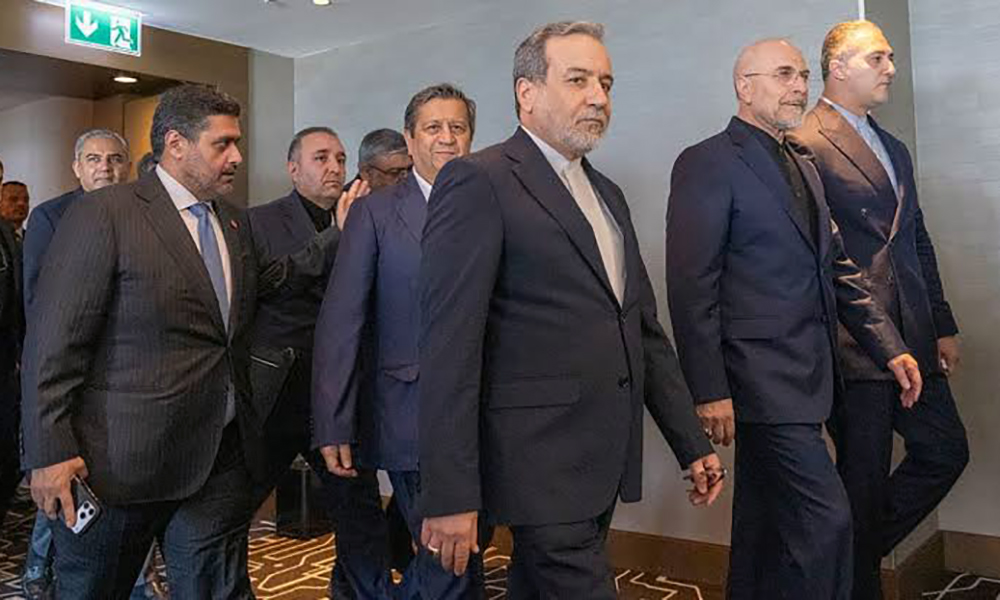
Contacts between Iran and the United States to end their eight-month war are continuing, Tehran said on Monday, after days of Iranian talks with Qatari mediators ended with altered proposals but no breakthrough.
“Consultations through mediators are very intensive. We have presented our conditions and proposals and everything depends on the political rationality of Washington,” Iranian Foreign Minister Abbas Araqchi said in comments carried by state media outlet IRNA.
Amid fears the conflict could reignite after Tuesday’s midterm elections in the United States, China and Russia both spoke out on Monday against the possibility of renewed military action in a war that has hit the global economy.
While oil prices fell nearly 4% on Monday on hopes that the latest round of mediation could lead to a diplomatic solution to the crisis, Iranian sources said they believed a new US attack was still more likely than a deal.
Iran’s Foreign Ministry spokesperson Esmaeil Baghaei said the plan Iran had submitted in September to end the war remained the focus of discussions, but he confirmed comments attributed to Araqchi on Saturday that the proposal could be shortened.
“The basis of dialogue and talks between Iran and the US via mediators is still Iran’s seven-step proposal, which is now condensed, making it possible to implement it within two days,” he said.
US President Donald Trump rejected the seven-step proposal in September.
The plan would call for the US to end its blockade on Iranian ports, Iran to reopen the Strait of Hormuz waterway, a US waiver on Iranian oil sales, the cancellation of new sanctions on Iran and then talks on other issues.
Baghaei reiterated that condensing the plan would not change Iran’s underlying stance that a return to talks on the country’s nuclear programme could only happen after it verified that all its conditions were met.
Asked whether the possibility of transferring Iran’s highly enriched uranium stockpile to another country was raised in the talks, and whether Iran might agree to that, he said no.
An official briefed on the talks said Iran’s negotiators had left on Sunday but not because of any problems in the talks, and added that a draft proposal was being circulated without elaborating.
Qatari mediators traveled to Tehran on Monday night for talks with Araqchi on a version of the draft US-Iran deal that has been under negotiation for the past eight days, an official briefed on the talks said.
On Monday, Trump said Iran wants to make a deal to end the war and that such an agreement “could happen.” He did not immediately provide details.
The war, which the US and Israel launched suddenly on February 28, has led to Iran’s closure of the key Strait of Hormuz waterway, the US blockade on Iranian ports, repeated bouts of Iranian drone and missile fire on Gulf states and renewed conflict in Yemen.
Trump has repeatedly said there would be no new attack on Iran before Tuesday’s midterm elections. Iran has said it will respond to any resumed attack aggressively with plans to strike targets both within and outside the Middle East.
China’s Foreign Minister Wang Yi said on Monday that all parties to the conflict should focus on political solutions rather than resorting to arms again, after a meeting with senior Iranian security official Ali Bagheri Kani in Beijing.
China, a major customer for Gulf energy products, is engaging more actively in Middle East diplomacy this week, hosting Oman’s Sultan Haitham bin Tariq al-Said, whose country flanks the southern side of the Strait of Hormuz.
Wang also met Saudi Arabia’s national security advisor Musaed bin Mohammed al-Aiban in Beijing on Monday, China’s Foreign Ministry said, adding that all sides should work to safeguard regional energy and shipping lane security.
In Moscow, the Russian Foreign Ministry said reports of new military action against Iran were a cause for extreme concern and called for increased diplomatic efforts.
Russian President Vladimir Putin spoke by phone with Iran’s top security official Mohsen Rezaei on Monday, Iranian state media reported.
Underscoring the risks to global energy supply, a Qatari liquefied natural gas (LNG) tanker was struck in the Gulf by unidentified objects on Friday, its operator Nakilat said on Sunday.
While attacks on oil tankers in the Gulf and Red Sea have been common during the conflict, attacks on LNG carriers have been rare, with the last reported incident with a Qatari tanker happening in early July.

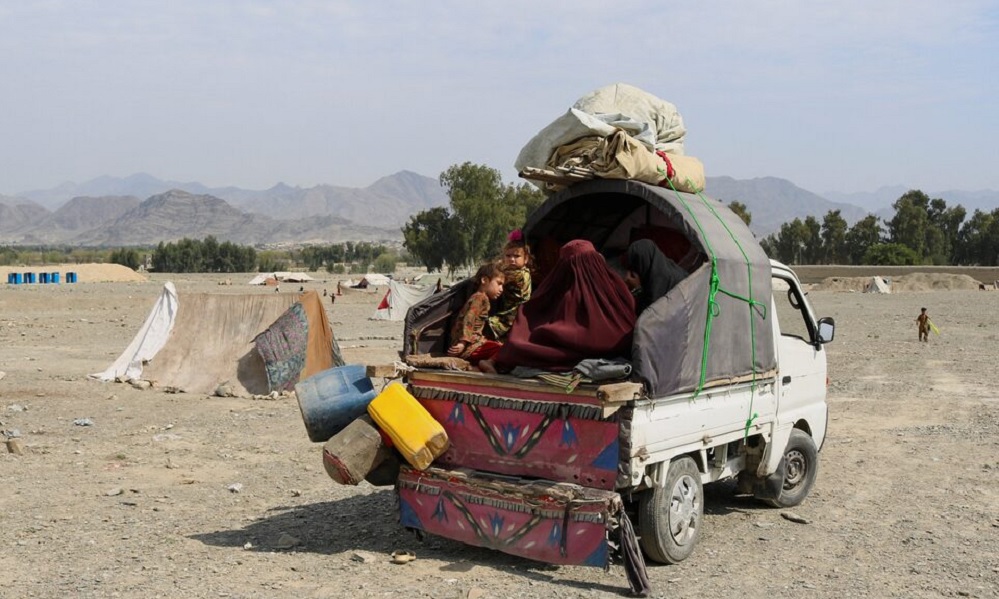
90 million displaced people at risk from climate threats, UN refugee agency says
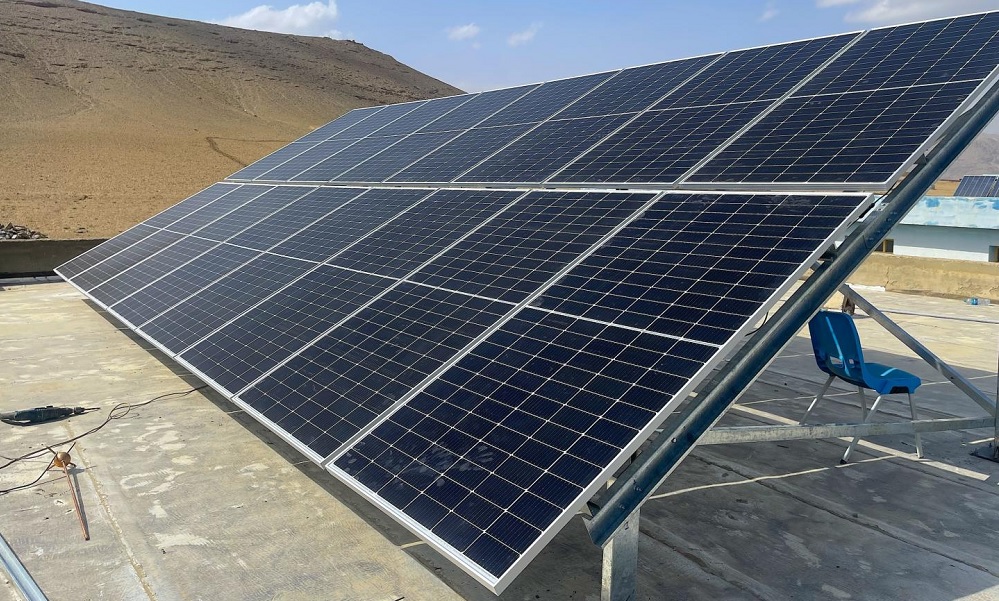
Afghanistan has potential to generate 220 GW of solar power: UNDP
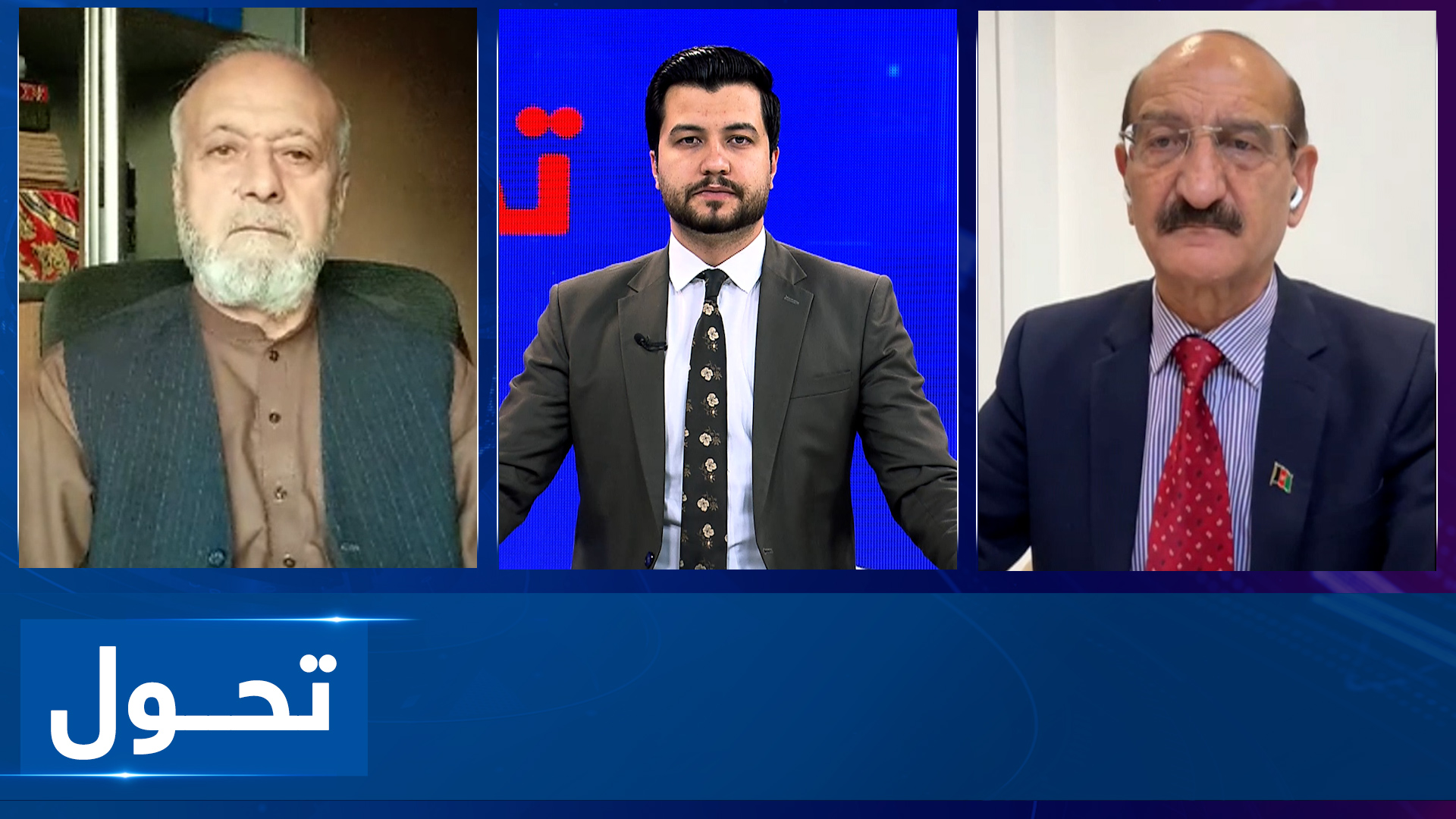
Tahawol: Calls for stronger joint action against terrorism discussed
Saar: Impact of closing trade routes between Kabul-Pakistan discussed
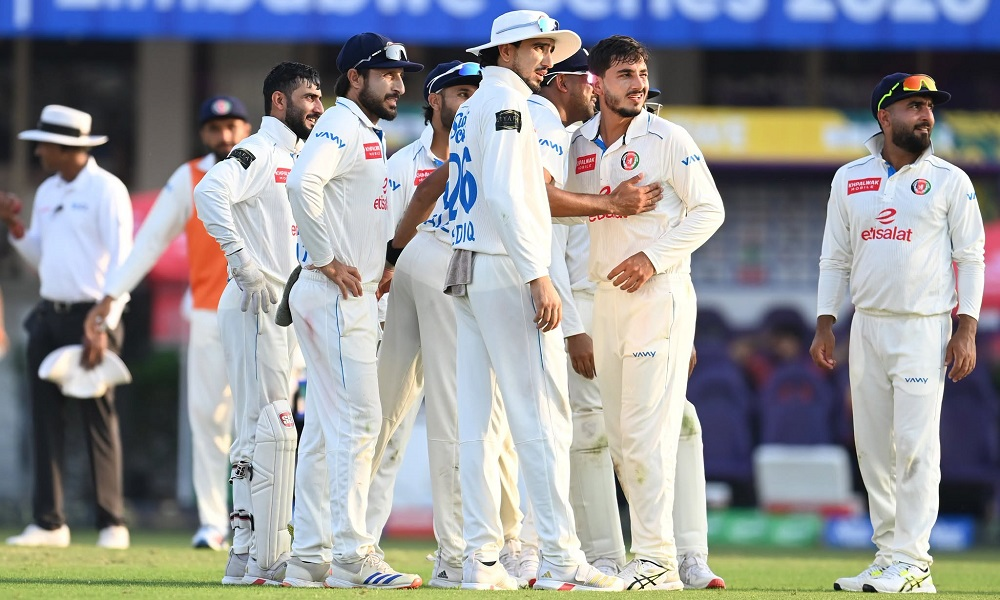
Brendan Taylor century puts Zimbabwe in control against Afghanistan on day one

Afghanistan finish runners-up after 6-0 defeat to Brazil in futsal final

Trump says US will not attack Iran before midterm elections in November

Lionel Messi bids tearful farewell to Argentina after 3-0 win over Benin

Afghan futsal coach: Brazil tournament is first step towards new goals and World Cup

Trump says US may strike Iran’s ‘Pickaxe Mountain’ nuclear facility
Tahawol: Calls for stronger joint action against terrorism discussed
Saar: Impact of closing trade routes between Kabul-Pakistan discussed

El-Sayed’s historic victory opens a new chapter for Muslim Americans
Tahawol: Russia’s Moscow Format for Afghan issues discussed
Saar: Afghanistan’s second invitation to Global Climate Summit discussed
-
 Sport5 days ago
Afghanistan crowned 2026 Hong Kong Sixes champions after beating Australia in final
-
 Sport4 days ago
Afghanistan futsal team thrash Panama 5-0 in flying start to Dakar Youth Olympics
-
 Sport4 days ago
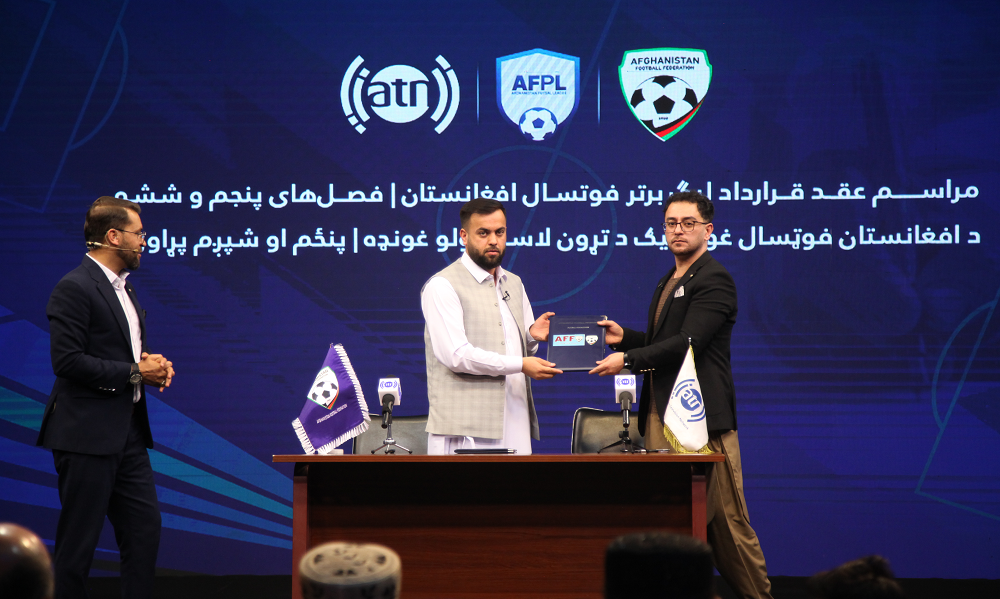
ATN signs deal to broadcast Afghanistan Futsal Premier League seasons 5 and 6
-
 Sport5 days ago
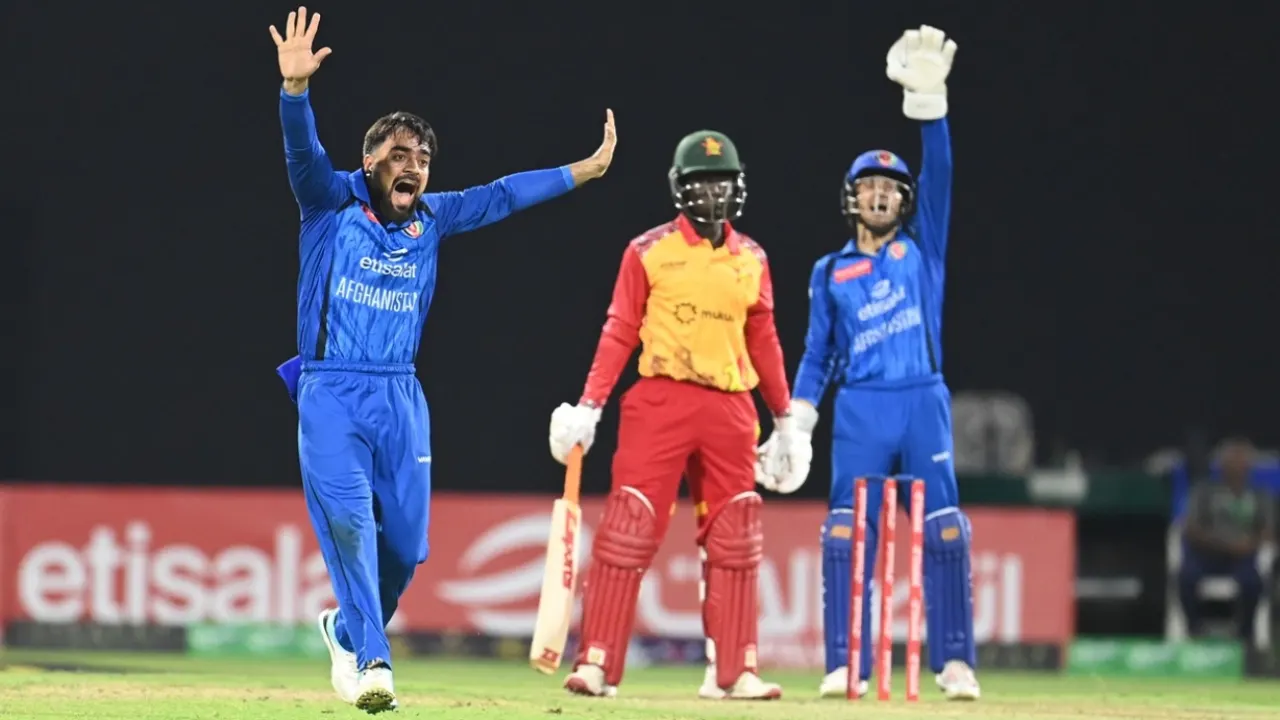
Afghanistan target T20I clean sweep against Zimbabwe in Sharjah
-
 World3 days ago
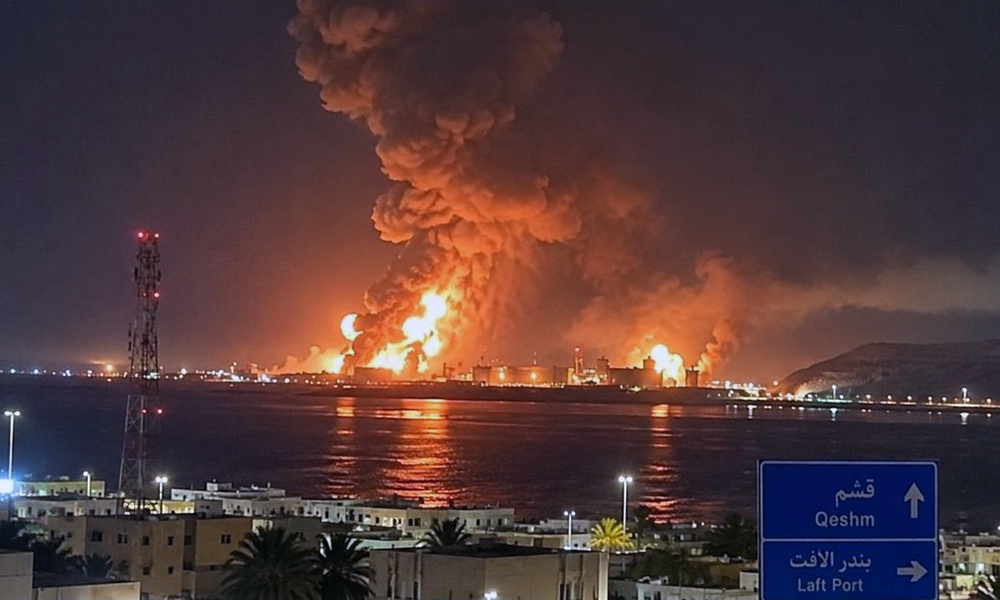
US carries out ‘defensive’ strikes on Iran’s Qeshm Island, officials say
-
 Sport4 days ago
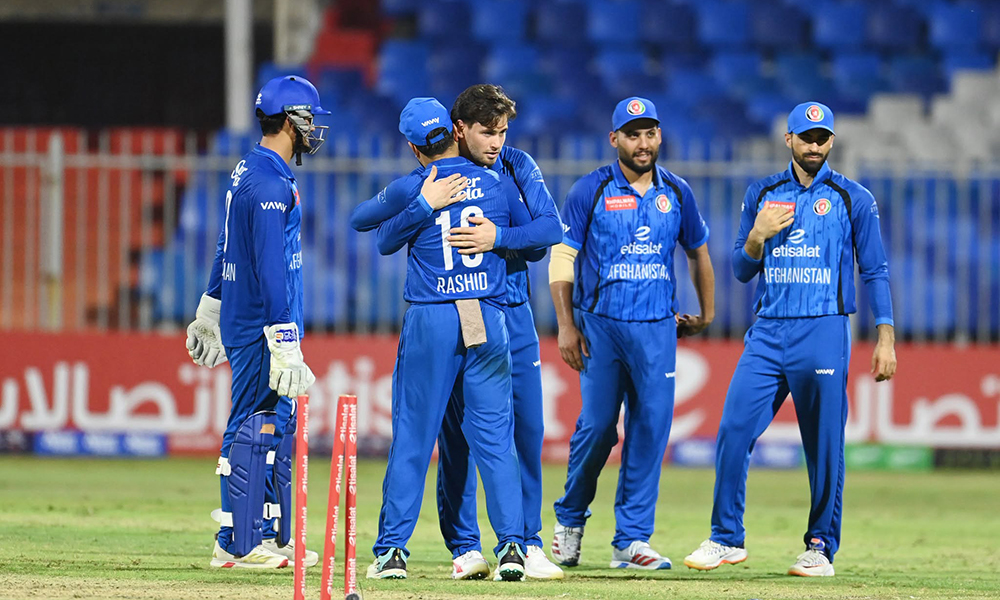
Afghanistan achieve their highest ICC Men’s ODI team ranking
-
 Latest News4 days ago
Trump claims he could have won Afghanistan war in three weeks
-

 Latest News5 days ago
Pakistan welcomes US offer to facilitate dialogue with Afghanistan, while Kabul rejects Islamabad’s allegations