
Latest News
Ending domestic differences ends the war in Afghanistan – Sirajuddin Haqqani

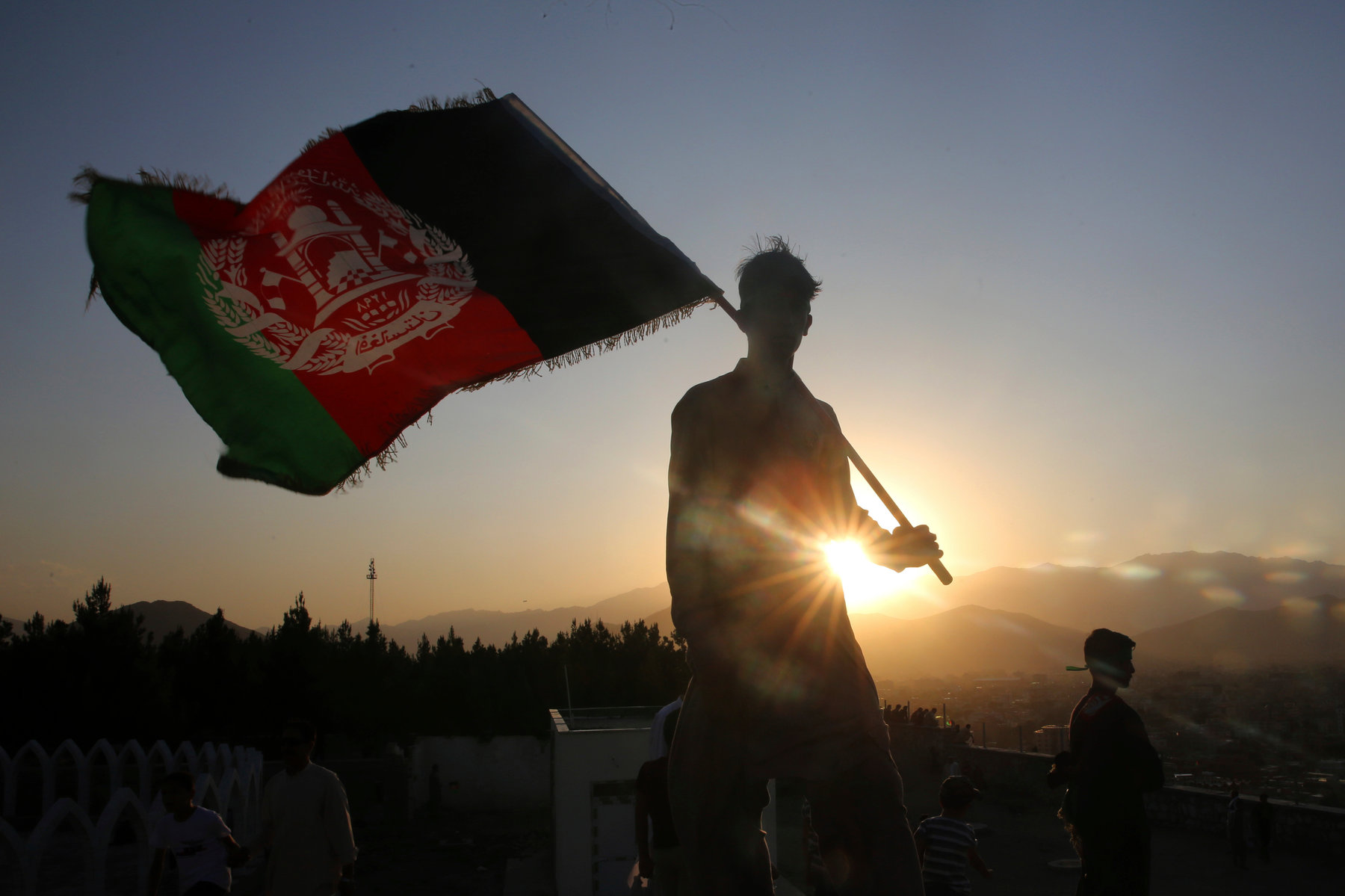
 As the US and Taliban representatives are about to sign a peace deal, Sirajuddin Haqqani, the deputy leader of the Taliban said that “No peace agreement” comes without mutual compromises.
The two laterals are reportedly expected to sign a peace agreement following a 7-day probationary period of ‘reduction in violence’ later this month.
Haqqani, in a letter published by the New York Times, said that the Taliban “are about to sign an agreement with the United States and we are fully committed to carrying out its every single provision, in letter and spirit.”
He stressed that achieving the potential of the agreement, ensuring its success and earning lasting peace in Afghanistan would depend on an equally scrupulous observance by the United States of each of its commitments.
“Only then can we have complete trust and lay the foundation for cooperation — or even a partnership — in the future,” Haqqani said.
The letter noted the need for lasting peace in Afghanistan, as Haqqani said that the Afghans have suffered for more than four decades, “The long war has exacted a terrible cost from everyone… Everyone has lost somebody they loved.”
“Everyone is tired of war. I am convinced that the killing and the maiming must stop,” said Haqqani adding, “My fellow Afghans will soon celebrate this historic agreement.”
Meanwhile, Haqqani said that if the US and Taliban could reach an agreement, the intra-Afghan disagreement should be resolved through dialogue.
Haqqani, in the letter, considers the idea that Afghanistan is being used by disruptive groups to threaten regional and global security, calling it “inflated” and “politically motivated exaggerations” by the players of the war.
He writes, “We have already suffered enough from foreign interventions. We will take all measures in partnership with other Afghans to make sure the new Afghanistan is a bastion of stability and that nobody feels threatened on our soil.”
Afghanistan cannot afford to live in isolation. The new Afghanistan will be a responsible member of the international community, Haqqani said.
He further states that Afghans will remain committed to all international conventions as long as they are compatible with Islamic principles, adding that other countries are expected to respect the sovereignty and stability of Afghanistan and consider it as a ground for cooperation rather than competition and conflict.
Source: New York Times







Latest News
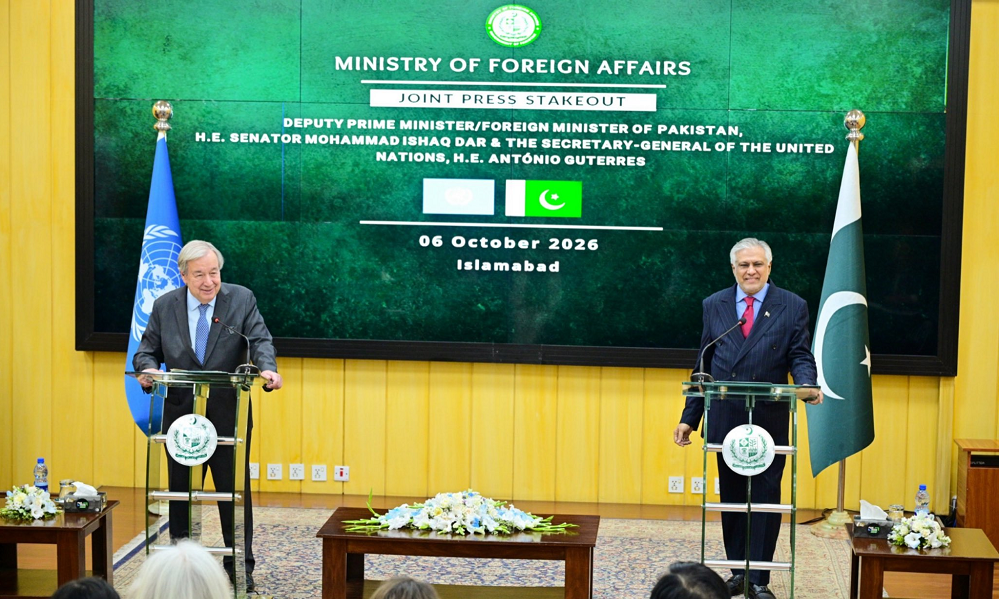
Afghan returns from Pakistan must be voluntary, safe and dignified: Guterres
Guterres added that the United Nations remains committed to working with Pakistan to uphold protection principles and ensure that the return of Afghans takes place voluntarily and in a safe and dignified manner.
Latest News
Afghanistan, Pakistan interested in normalizing relations: Lavrov
Lavrov described the failure to adopt a final document as “unpleasant” but said this issue should not be exaggerated.
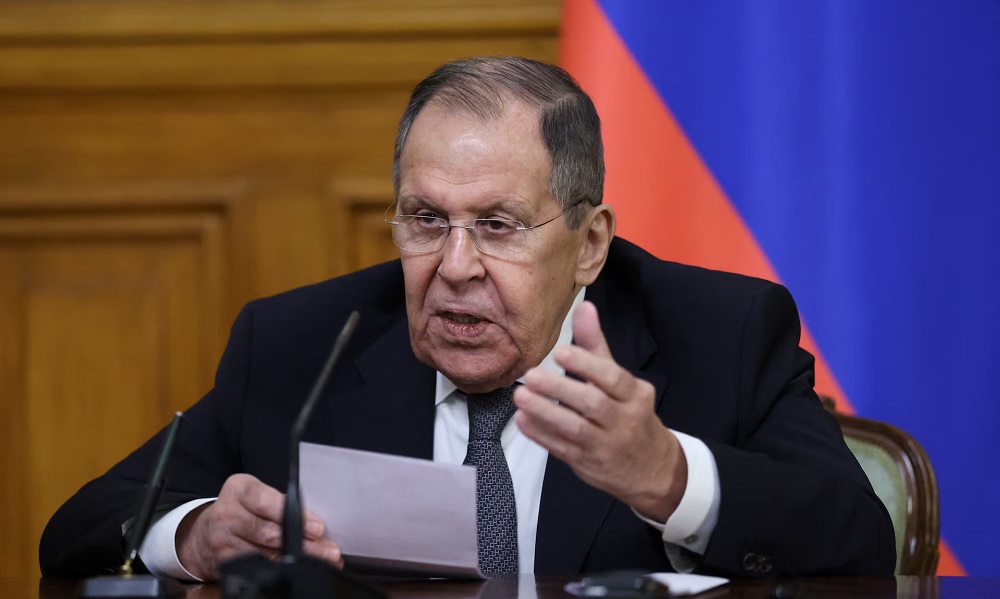
Russian Foreign Minister Sergey Lavrov says Afghanistan and Pakistan are both interested in normalizing relations despite recent tensions between the two countries.
Speaking at a press conference in Moscow on Tuesday, Lavrov said the differences between Kabul and Islamabad had affected the recent Moscow Format meeting on Afghanistan, preventing the participants from reaching agreement on a final statement.
Lavrov described the failure to adopt a final document as “unpleasant” but said the situation should not be exaggerated.
He said Daesh poses a challenge to both Afghanistan and Pakistan, carrying out attacks in the two countries and creating problems for their governments.
“I have no doubt that both Afghanistan and Pakistan are interested in normalizing relations,” Lavrov said.
He added that Russia would continue efforts to help resolve the existing and emerging issues between Kabul and Islamabad.
Lavrov also called on countries outside the region to refrain from interfering in regional affairs.
He said Afghanistan and other countries in the region continue to face the consequences of what he described as “gross interference by Western countries,” which he said has contributed to the current challenges in the region.
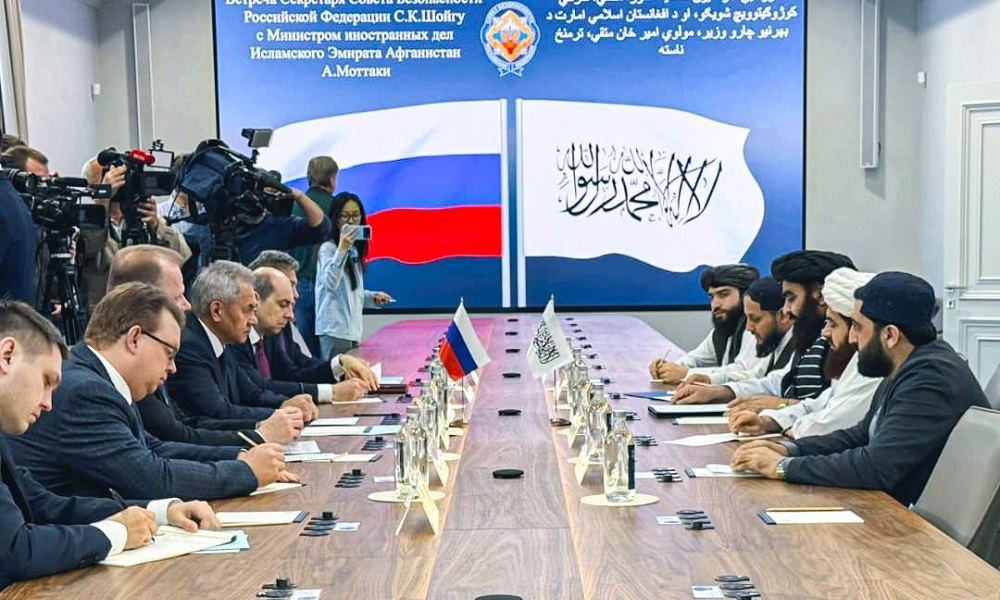
Amir Khan Muttaqi, Minister of Foreign Affairs, met on Tuesday with Sergei Shoigu, Secretary of Russia’s Security Council, to discuss bilateral relations, regional security, and security cooperation.
In a statement issued on Tuesday, the Ministry of Foreign Affairs of the Islamic Emirate said the two sides also discussed counter-narcotics efforts and expanding security cooperation between Afghanistan and Russia.
Muttaqi, referring to the positive progress in political relations between the two countries, thanked Russia for recognizing the Islamic Emirate of Afghanistan and stressed the importance of strengthening security cooperation, regular consultations, and expanding economic and trade relations.
The Foreign Minister also said Afghanistan would continue its efforts to ensure regional security and combat narcotics, and supports expanding cooperation with regional countries through direct contacts and practical cooperation.
Meanwhile, Sergei Shoigu described Afghanistan-Russia relations as expanding in various areas and expressed satisfaction with Afghanistan’s efforts to maintain security and combat narcotics.
The Secretary of Russia’s Security Council emphasized that Moscow would continue political consultations and practical cooperation with Afghanistan.


Afghan returns from Pakistan must be voluntary, safe and dignified: Guterres

Afghanistan, Pakistan interested in normalizing relations: Lavrov

Vance says Iran must cut enrichment to end war

Tahawol: Discussion on outcome of Moscow Format meeting

ACL: Sarbaz Yashlar and Khurasan Faryab play out goalless draw

Saudi energy group signs major Afghanistan deals covering gas exploration and pipeline plans

Khalilzad: Afghanistan ready to attract major investment

UAE firm eyes investment in Salang’s second tunnel and pharmaceutical factories

US Treasury ratchets up pressure on Iran with sweeping new aviation sanctions

AI could pose ‘existential’ risk to humanity, UN rights chief warns
Tahawol: Discussion on outcome of Moscow Format meeting

Saar: Expansion of relations between Kabul and Moscow discussed

Tahawol: Afghanistan-Iran: shared opportunities and challenges discussed

Saar: Pakistan’s hostile policy toward Afghanistan discussed

Tahawol: Doha process seeks new cooperation opportunities
-

 Sport2 days ago
Cricket Bonanza: Afghanistan set for packed international schedule
-
 Sport5 days ago
ACB announces Afghanistan squads for Bangladesh, Zimbabwe series
-
 Latest News5 days ago
Russia expects to ease Afghanistan-Pakistan tensions at Moscow Format meeting
-
 International Sports5 days ago
Afghanistan to face Pakistan, India and Australia at 2027 Cricket World Cup
-
 Regional5 days ago
Saudi-led coalition says Houthis attacked power station for Prophet’s Mosque in Medina
-
 Regional5 days ago
Cargo stacks up as Pakistan seizes containers to block capital routes
-
 Latest News4 days ago
Kazakhstan, Uzbekistan and UAE sign MoU on CASA railway project via Afghanistan
-
 Regional4 days ago
Pakistan says Mecca pact members to hold emergency talks on engaging Houthis