
Latest News
Dozens of Daesh militants surrender to IEA in Nangarhar: Officials

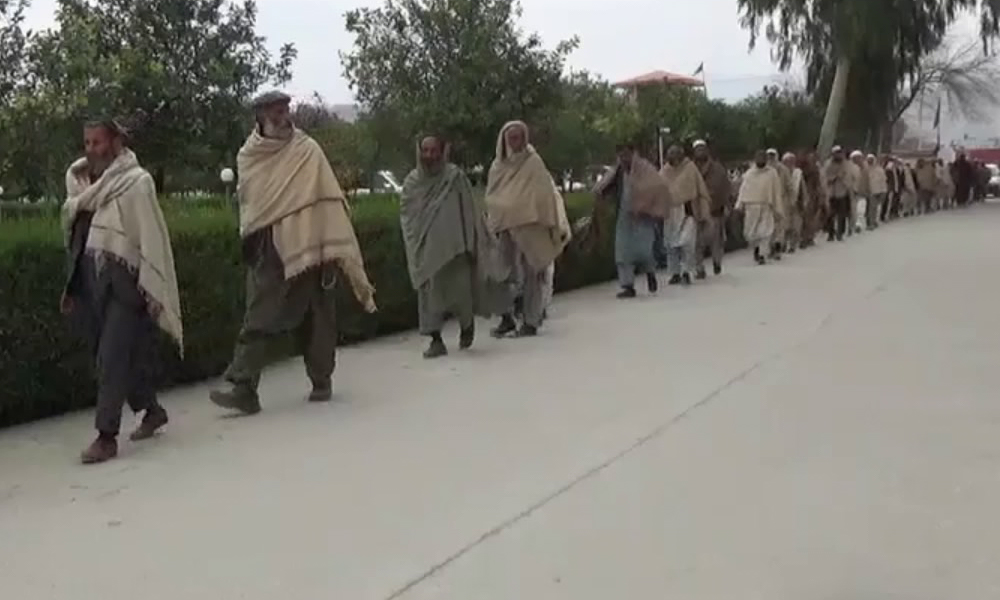
At least 50 Daesh (ISIS-K) militants have surrendered to Islamic Emirate of Afghanistan (IEA) forces in the eastern province of Nangarhar, local officials said on Sunday.
According to the IEA, the militants surrendered following mediation efforts by tribal elders.
Dr. Bashir, head of Nangarhar Intelligence Directorate, said that based on an amnesty decree, Daesh militants surrendered to the IEA and that the process is “ongoing”.
“Fifty of them are Daesh, who came from eight districts and surrendered to Islamic Emirate,” said Bashir.
The militants have also expressed remorse and said they regret having joined the group.
“They (Daesh) are very cruel people. I regret what I did. I came here by myself, on my own will, and surrendered to the Islamic Emirate. We did not come here by force,” said Inamullah, one former Daesh militant.
“We are thankful to the Taliban (IEA), they are our compatriots, and forgive us. We regret our past activities. We will not repeat our [past] activities in future,” said Pasarly, another former Daesh fighter.
Nangarhar’s tribal elders have however warned the newly surrendered militants that they will face harsh consequences if they rejoin Daesh.
“We have brought them here; they vowed that they will not rejoin Daesh; and they regret their past actions,” said Ghulam Ali Malik, a tribal elder.
“The tribal elders said if the former militants rejoin Daesh, they will burn down their homes and will expel them from Afghanistan,” said Malik Zainuddin, another tribal elder.
This comes after over 500 Daesh members surrendered to the IEA in Nangarhar following the takeover of power in mid-August.


Latest News
Kabul–Tehran call highlights growing ties and support for diplomatic solutions
Iran’s Foreign Minister Abbas Araghchi, for his part, praised the continued growth of ties between Tehran and Kabul and expressed support for further expanding cooperation in areas of mutual interest.
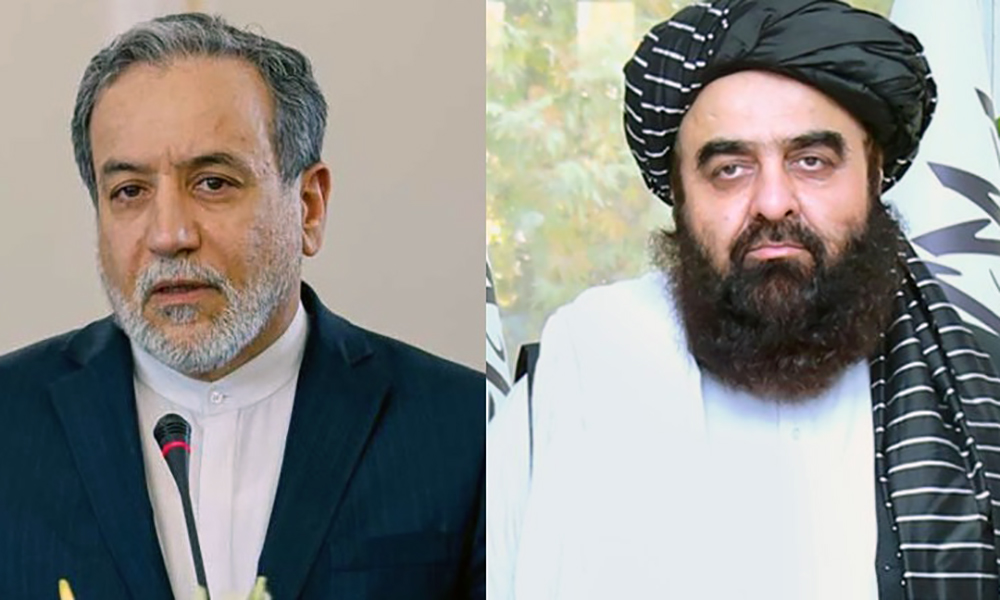
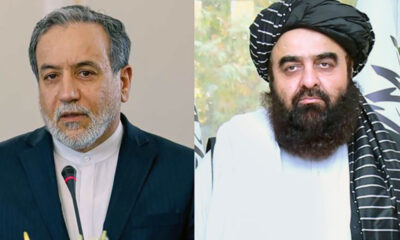
Afghanistan and Iran have reaffirmed their commitment to strengthening bilateral relations and advancing regional dialogue during a phone call between their foreign ministers.
Afghanistan’s Foreign Minister Amir Khan Muttaqi described bilateral cooperation as positive and steadily progressing, welcoming increased trade and expanding collaboration across multiple sectors.
Muttaqi also underscored the importance of diplomacy, calling ongoing engagement between Iran and the United States a constructive development, and stressing that outstanding issues should be resolved through dialogue and negotiation.
Iran’s Foreign Minister Abbas Araghchi, for his part, praised the continued growth of ties between Tehran and Kabul and expressed support for further expanding cooperation in areas of mutual interest.
He also briefed his Afghan counterpart on the latest developments in talks between Iran and the United States.
Officials say the exchange reflects a shared interest in sustaining dialogue, deepening economic links, and promoting greater stability across the region.
Latest News
Pakistan ramps up deportations of Afghan refugees, rights group warns
More than 146,000 Afghans have been deported from Pakistan in 2026 alone, with numbers rising in April. Detainees are typically transferred to holding centres before being expelled.
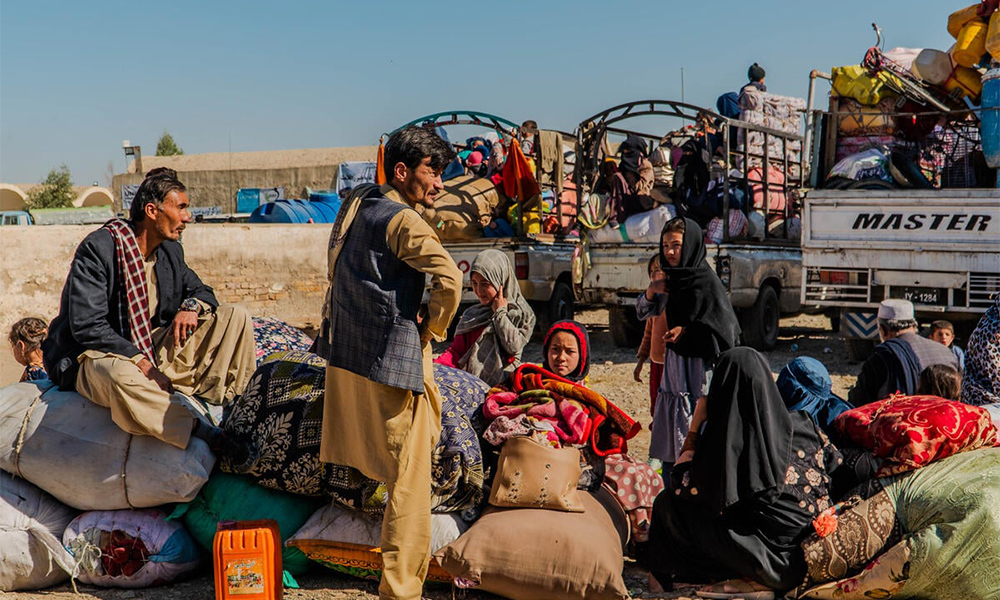
Pakistani authorities have escalated raids, detentions and forced returns of Afghan refugees following renewed border clashes with Afghanistan, according to Human Rights Watch.
The group said police operations in several cities have included door-to-door searches, late-night raids and arrests without warrants. Afghans with valid visas have reportedly been detained alongside undocumented migrants, many of whom lack paperwork after Pakistan stopped renewing refugee registration documents in 2023.
More than 146,000 Afghans have been deported from Pakistan in 2026 alone, with numbers rising in April. Detainees are typically transferred to holding centres before being expelled.
Refugees interviewed by the group described arrests during everyday activities, confiscation of money and phones, and demands for bribes. Fear of detention has also prevented many from seeking medical care or sending children to school.
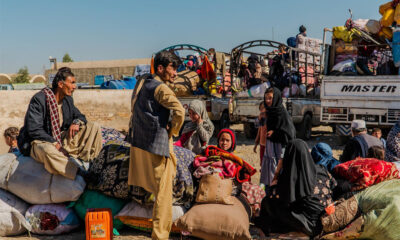
Human Rights Watch also reported cases of family separations and children being deported alone. Some returnees have ended up in overcrowded border camps in Afghanistan with limited access to food, shelter and healthcare.
The crackdown follows escalating violence along the disputed Durand Line frontier with Pakistan since late 2025. Rights groups say the forced returns may violate international law, including the prohibition on sending people back to countries where they risk persecution or harm.
Latest News
Sweden to lead EU outreach to IEA as bloc weighs Afghan deportations
The talks – expected to focus on deportation procedures – are being prepared jointly by Sweden and the European Commission.
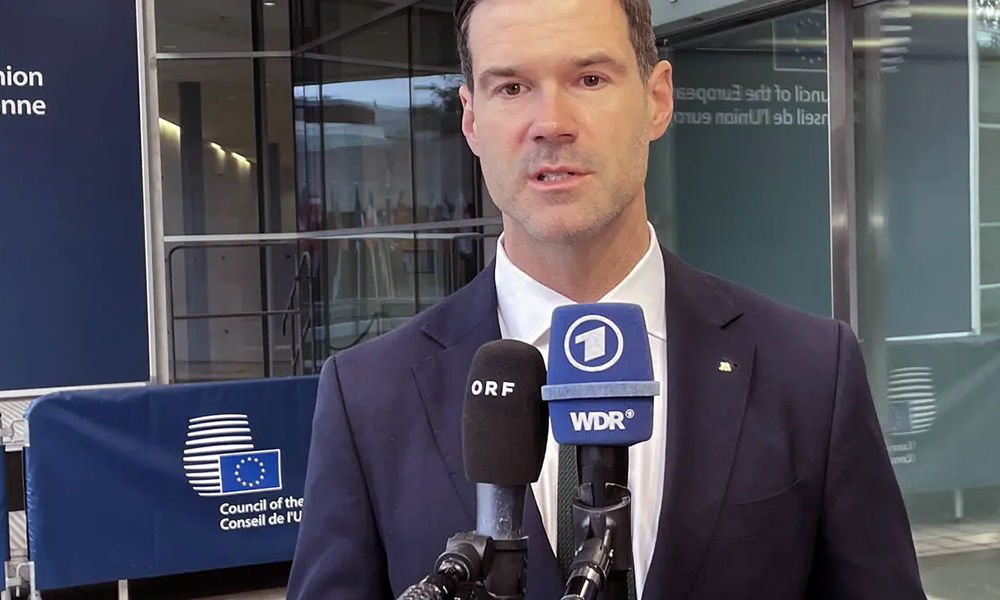
Sweden has confirmed it will play a key role in facilitating renewed European Union engagement with Afghanistan’s Islamic Emirate authorities, as Brussels intensifies efforts to coordinate the return of Afghan nationals from member states.
The move follows reports that an IEA delegation could travel to Brussels in the coming months for sensitive, technical-level discussions with EU and national officials.
The talks – expected to focus on deportation procedures – are being prepared jointly by Sweden and the European Commission.
Sweden’s Migration Minister, Johan Forssell, confirmed Stockholm’s involvement, stating that Sweden would work with the Commission to invite a technical delegation from Kabul to continue dialogue in Brussels.
The discussions are expected to include representatives from the Commission, the EU’s diplomatic arm – the European External Action Service – and a small group of member states, including Belgium and Sweden.
The initiative was reportedly prompted in part by Belgium’s migration authorities and builds on a joint EU-Belgian mission to Kabul earlier this year, which laid the groundwork for further engagement with Afghanistan’s rulers.
EU officials have meanwhile increasingly acknowledged the need for limited, pragmatic engagement – particularly on migration management.
A spokesperson for the European Commission confirmed that preparations are underway for follow-up talks after the Kabul visit, though it remains unclear whether the EU executive will formally host the meeting in Brussels.
The outreach reflects growing pressure within the bloc to adopt a more coordinated approach to Afghan returns.
In late 2025, Belgium led an initiative backed by 19 EU countries calling for stronger cooperation on deporting Afghan nationals convicted of crimes, highlighting divisions within the EU over migration policy and the legal and ethical complexities of returning individuals to Afghanistan.


CASA-1000 power project on track to launch in 2027

Kabul–Tehran call highlights growing ties and support for diplomatic solutions

ATN secures five-year broadcast deal for Afghanistan Wrestling Premier League

Pakistan ramps up deportations of Afghan refugees, rights group warns

Sweden to lead EU outreach to IEA as bloc weighs Afghan deportations

IEA supreme leader orders replacement of foreign terminology in official documents

Russia deems US military presence in Afghanistan unacceptable

Afghanistan hosts inaugural Afghanistan–Central Asia Consultative Dialogue to strengthen regional cooperation

TAPI gas pipeline advances 25 km in Afghanistan

Russia backs Uzbekistan–Afghanistan trade hub, praises regional economic cooperation

Tahawol: Russia’s Security Concerns Over Afghanistan discussed

Saar: Islamic Emirate delegation’s visit to Brussels discussed

Tahawol: Pakistan’s failed efforts to impose war in Afghanistan discussed

Saar: Demand for the country’s exports to Iran discussed

Tahawol: Fragile ceasefire between Iran and US discussed
-
 Business5 days ago
Afghanistan moves toward self-sufficiency in car battery production
-

 Latest News3 days ago
Afghanistan launches media platform to improve access to information
-
 Latest News4 days ago
Afghanistan to airlift 30,000 pilgrims to Saudi Arabia in 96 flights for Hajj 2026
-
 Latest News2 days ago
Afghanistan, Belarus hold talks on fuel imports
-
 Business4 days ago
Afghan commerce minister highlights trade trust and market stability at Antalya Forum
-

 Regional4 days ago
Ships crossing Hormuz need OK from IRGC, unfreezing funds part of deal, Iran official says
-
 Latest News4 days ago
Afghanistan and Russia discuss expansion of banking cooperation in Moscow meeting
-

 World2 days ago
UAE seeks US financial backstop amid Iran war fallout, warns of possible shift from dollar