
Latest News
DoD mum on regional troop presence plans after withdrawal


Defense officials say they will maintain some US troop presence near Afghanistan for counterterrorism operations into the future, but would not say where that force would be based or whether it could be in place before all American troops leave the war-torn country.
According to Military Times, David Helvey, acting assistant secretary of defense for Indo-Pacific Affairs said during a hearing before the House Armed Services Committee on Wednesday: “Those planning efforts are in parallel [with the drawdown], but they’re not linked.”
“We have a substantial capability in the Middle East. We’ll still have the ability to prosecute terrorism from positions around the region. Looking at what that footprint is going to be like within the region is going to be an important part of the equation,” he said.
The official withdrawal of US troops started on May 1 and is expected to be finished by September 11.
On Tuesday, US Central Command officials said withdrawal work is already six percent to 12 percent complete.
Defense officials have also been reluctant to unveil their post-withdrawal plans for the region, promising a regional security force but providing few details.
Meanwhile, Helvey told the house committee on Wednesday that military leaders will “be able to help to manage and mitigate the threat of terrorism that can emanate from Afghanistan,” thanks to established relationships with the government there.
He also noted that officials are reassessing their force levels throughout the region now, and looking for “areas that are closer to Afghanistan” for positioning American troops. Helvey declined to name any specific countries that may host a sizable contingent of service members.
He also declined to elaborate on how many US military forces would be stationed at American diplomatic facilities in Afghanistan, saying only that the issue is under review.
Helvey said “we’ve learned a lot over the past 20 years in how to address transnational terrorist threats” and echoed comments from Biden that the country needs to work more closely with international partners to root out and eliminate terrorist groups, Military Times reported.
Several Republican lawmakers took exception to that overview, saying that a more detailed strategy is needed to offset the “hasty” withdrawal of troops.
But Military Times reported that House Armed Services Committee Chairman Adam Smith pushed back on that criticism, calling the Biden plan “the best decision in a series of bad options” for the country.
“You cannot tell me that after 20 years, doing the same thing for another one or five or 10 years would have changed anything,” he said. “We would have been asking people to die to not accomplish anything. That’s a really tough thing to do.”







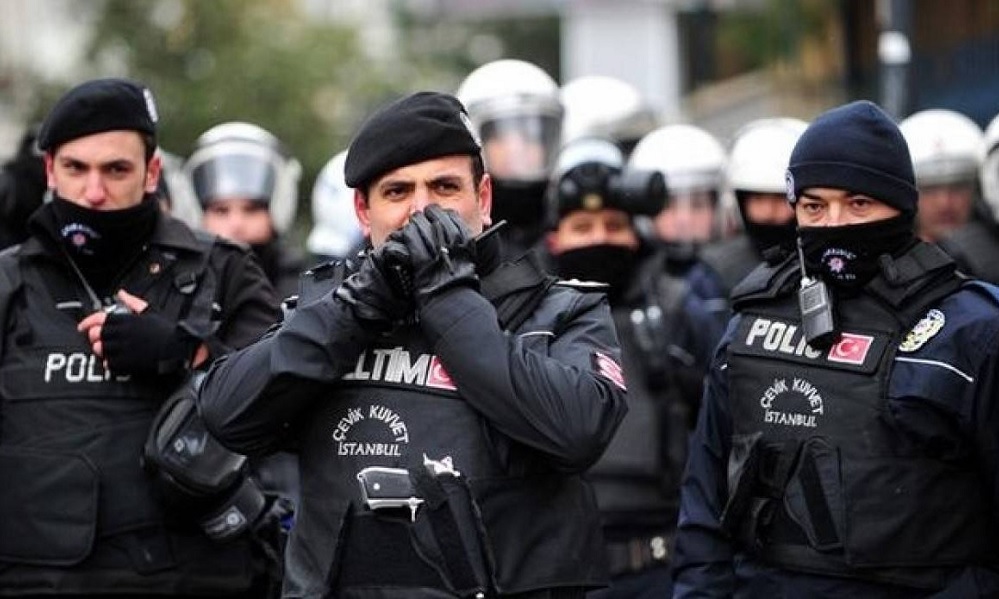
Turkish intelligence agents have captured a senior member of Daesh near the Durand Line, reportedly preventing planned suicide attacks in Turkey and other countries, according to Turkey’s state-run Anadolu Agency on Monday.
The suspect, identified as Mehmet Goren, is a Turkish citizen. He was apprehended during a covert operation and transferred to Turkey. Details on the timing of the operation or the involvement of Afghan and Pakistani authorities were not disclosed.
According to the report, Goren had risen through the ranks of Daesh and was allegedly tasked with carrying out suicide bombings in Turkey, Pakistan, Afghanistan, and Europe.
Daesh has a history of deadly attacks in Turkey, including the January 1, 2017 shooting at an Istanbul nightclub that killed 39 people.
Anadolu Agency reported that Goren’s arrest also provided intelligence on the group’s recruitment strategies and planned activities.
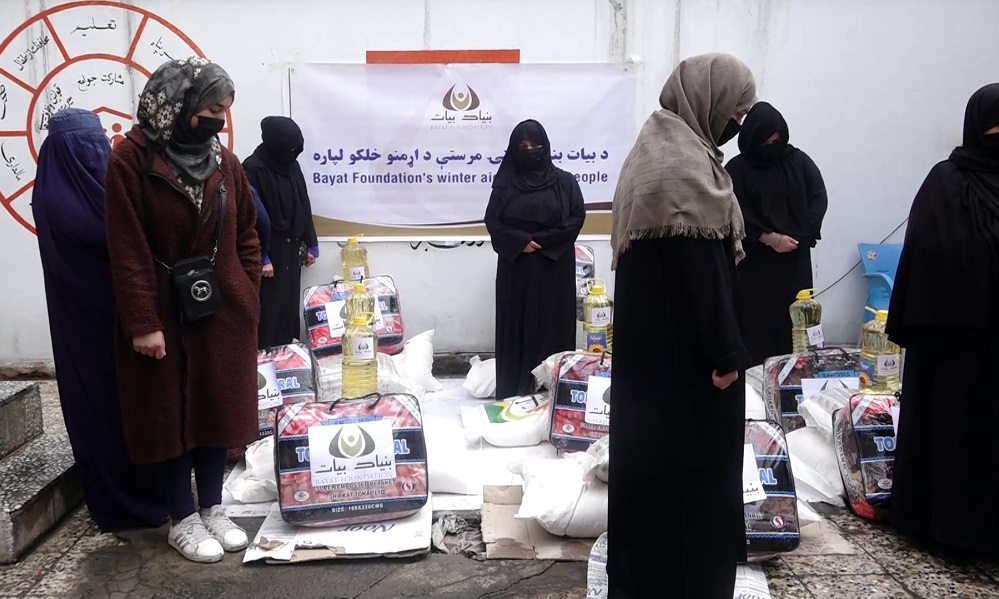
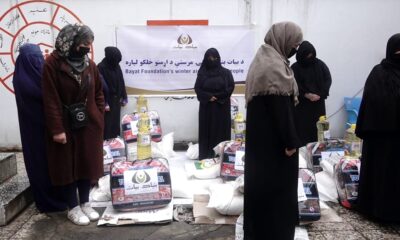
Dozens of needy families in Kabul’s fifth district have received essential winter assistance from the Bayat Foundation, as part of ongoing efforts to ease hardship during the cold season and worsening economic conditions.
According to foundation officials, the aid package includes staple food items such as flour, rice, and cooking oil, along with warm blankets to help families cope with freezing temperatures. Haji Mohammad Ismail, Deputy Head of Bayat Foundation, said the distribution began in Kabul and will soon be expanded to other provinces.
“Our assistance includes flour, rice, cooking oil, and blankets,” Ismail said. “Today, we started distributing these items in Kabul’s fifth district, and God willing, the aid will reach other provinces in the near future.”
Afghanistan continues to face widespread poverty, unemployment, and food insecurity, with many families struggling to meet basic needs, particularly during winter when access to work and heating becomes more difficult.Humanitarian organizations and charitable foundations have stepped up relief efforts to support those most affected.
Beneficiaries welcomed the assistance, describing it as a lifeline. “May God bless you for helping the poor. We had nothing and no work,” said one recipient. Another added, “Thank you for your help. Our flour was almost finished.”
Bayat Foundation officials stressed that winter aid distributions will continue in Kabul and other provinces in the coming days, as part of their broader commitment to supporting needy families across the country.
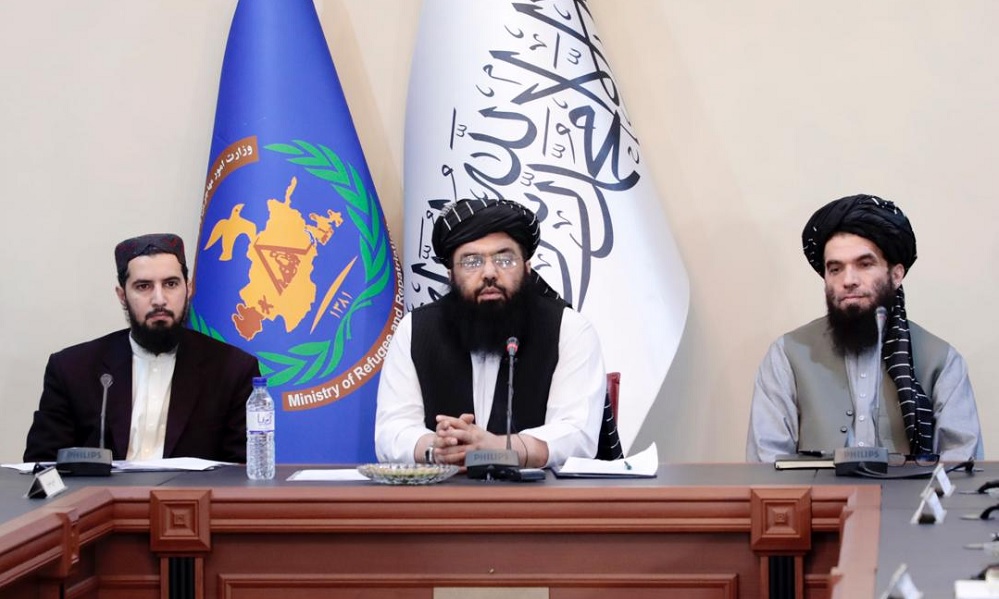
Since the Islamic Emirate came to power, approximately 6.8 million Afghans have returned home, either voluntarily or forcibly, from neighboring countries and other nations, according to the Minister of Refugees and Repatriation.
Mawlawi Abdul Kabir, speaking at a meeting on finalizing a draft plan for a permanent migration solution in Afghanistan, added that 1.3 million Afghans have been internally displaced due to natural disasters during the same period.
With winter approaching, widespread poverty and severe cold are threatening thousands of lives. Meanwhile, the forced expulsion of Afghan migrants from neighboring countries, particularly Iran and Pakistan, continues.
The Islamic Emirate has repeatedly urged neighboring states to allow migrants to return voluntarily. According to UNHCR, over two million Afghans have returned from Iran and Pakistan since the start of 2025.


Tahawol: Return of 6.8 million Afghan refugees to IEA rule

Saar: Pakistan army chief’s allegations against Afghanistan

Turkish intelligence captures a Daesh member near the Durand Line

Dozens of needy families in Kabul receive winter aid from Bayat Foundation

Nearly seven million Afghan refugees return home since Islamic Emirate’s takeover

Afghanistan economy under pressure as Pakistan shocks reshape trade flows

Gaza death toll tops 70,000, health ministry says

Afghanistan offers tax breaks, free land to attract Indian investors

Iran rerouting more oil to China through Indonesia to dodge US sanctions

Islamic Emirate declines to attend Tehran meeting on Afghanistan
Tahawol: Return of 6.8 million Afghan refugees to IEA rule
Saar: Pakistan army chief’s allegations against Afghanistan

Tahawol: CSTO’s security concerns over Afghanistan

Saar: UNAMA’s activities in Afghanistan reviewed

Tahawol: Iran’s pledges to facilitate trade with Afghanistan discussed
-
 Latest News3 days ago
Afghan border forces prevent illegal entry of hundreds into Iran
-
 Latest News3 days ago
Pakistan summons Afghan diplomat over deadly attack in North Waziristan
-
 Latest News2 days ago
Afghan health minister calls for medical cooperation between Kabul and New Delhi
-
 Latest News1 day ago
Afghanistan signs 30-year deal for marble mining in Daikundi
-
 Latest News3 days ago
Japan allocates nearly $20 million in humanitarian aid for Afghanistan
-
 Latest News2 days ago
Karzai urges reopening of girls’ schools and universities for Afghanistan’s bright future
-
 Health5 days ago
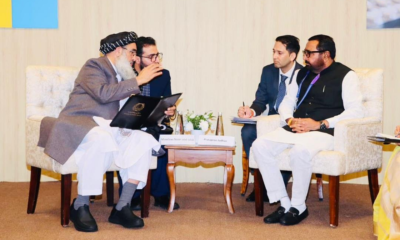
Afghanistan seeks India’s support in standardizing traditional medicine
-

 World5 days ago
US readies new Russia sanctions if Putin rejects peace deal, Bloomberg News reports