
Latest News
Dismissal of Mohaqiq ‘Does not Help Stability, National Unity’: CE Abdullah

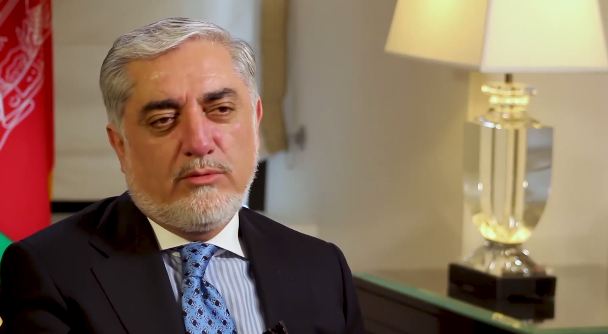
Chief Executive Abdullah Abdullah who is at World Economic Forum in Davos, says the dismissal of his second deputy Mohammad Mohqiq by the president is a “disrespect” to the political agreement which upon the National Unity Government was formed after rigged 2014 presidential elections.
Mohaqiq was sacked from his position, following a presidential decree released on Thursday.
Speaking to Aljazeera, Abdullah said that the move “does not help stability, it does not help national”.
He said based on the agreement, the National Unity Government will end after the July presidential elections.
The Presidential Palace said that Mohaqiq has been dismissed based on article 64 and clause 13 of Afghanistan’s constitution.
The acting chief of Hezb-i-Wahdat Islami, meanwhile, warned if the president does not reverse his decision, the party will use all legal channels to protest against the government.
This is not the first time as Abdullah is expressing his disagreement over President Ashraf Ghani’s decision, two leaders have had disagreements on a number of issues in the past including over appointment of cabinet members and elections.

Latest News
IEA’s supreme leader chairs cabinet meeting in Kandahar, urges stronger religious education and public service
The IEA leader stressed that strengthening the country’s Islamic system depends on expanding religious education and increasing public awareness of Islamic teachings.
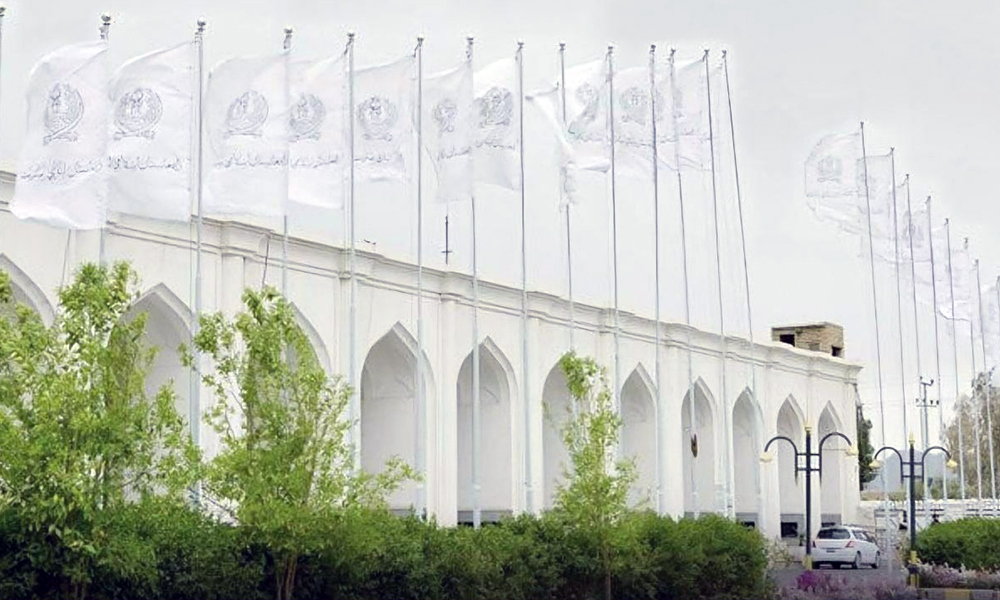
The supreme leader of the Islamic Emirate of Afghanistan (IEA), Hibatullah Akhundzada, chaired a meeting of the Council of Ministers in Kandahar, where he called for greater emphasis on religious education, justice, accountability, and public service, according to Deputy Spokesman Hamdullah Fitrat.
Speaking at the meeting, Akhundzada provided guidance to cabinet members on carrying out their responsibilities, implementing Sharia-based directives, addressing public concerns, and serving citizens with sincerity and commitment, Fitrat said.
The IEA leader stressed that strengthening the country’s Islamic system depends on expanding religious education and increasing public awareness of Islamic teachings. He urged officials to uphold Islamic values, provide religious guidance, and work to protect society from influences he described as harmful to moral and religious principles.
Akhundzada also underscored the importance of justice, humility, accountability, and ethical conduct among government officials, saying their actions should reflect Islamic teachings and set a positive example for the public.
According to Fitrat, the supreme leader further called for the expansion of Islamic education nationwide, noting that knowledge and strong religious conviction contribute to stability and effective governance.
The Council of Ministers also reviewed the implementation of previous decisions and discussed a range of administrative, economic, social, and political issues. Officials presented progress reports on ongoing programs, while decisions were taken on measures aimed at improving educational services and strengthening the country’s economic and political sectors.
Latest News
Iran warns Afghan migrants against unauthorized anti-IEA protests
Officials emphasized that all public gatherings are required to comply with Iranian law and obtain official authorization before being held.
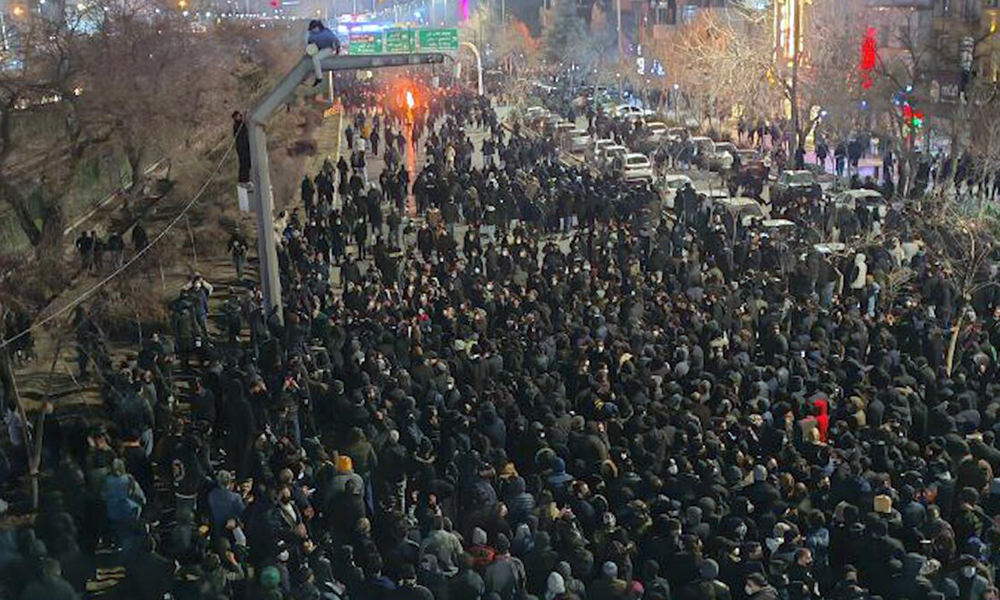
Iranian authorities have warned Afghan migrants living in the country that any protest, demonstration, gathering, or sit-in directed against the Islamic Emirate of Afghanistan (IEA) must receive prior approval from relevant government authorities or participants could face legal consequences.
The warning was issued in a notice published by the Directorate General of the Bureau for Aliens and Foreign Immigrants Affairs (BAFIA) in Razavi Khorasan Province. Officials emphasized that all public gatherings are required to comply with Iranian law and obtain official authorization before being held.
According to the notice, reported by Tasnim News Agency on June 12, any call by foreign nationals for demonstrations or public assemblies without a permit is considered illegal and may lead to legal action. Authorities also urged Afghan migrants to ensure that all activities are conducted in accordance with the laws and regulations of the Islamic Republic of Iran.
The directive comes amid ongoing engagement between Tehran and the administration of the Islamic Emirate of Afghanistan. Relations between the two sides have remained relatively close in recent years, with both governments maintaining diplomatic contacts and cooperation on a range of issues.
The warning has drawn attention as discussions surrounding Afghan migrant communities and regional political developments continue, particularly during periods of heightened tension in the region.
Latest News
US deports Afghan migrants to conflict-hit Central African Republic
The Central African Republic is considered one of the world’s poorest nations and has endured decades of violence, political unrest and human rights challenges.
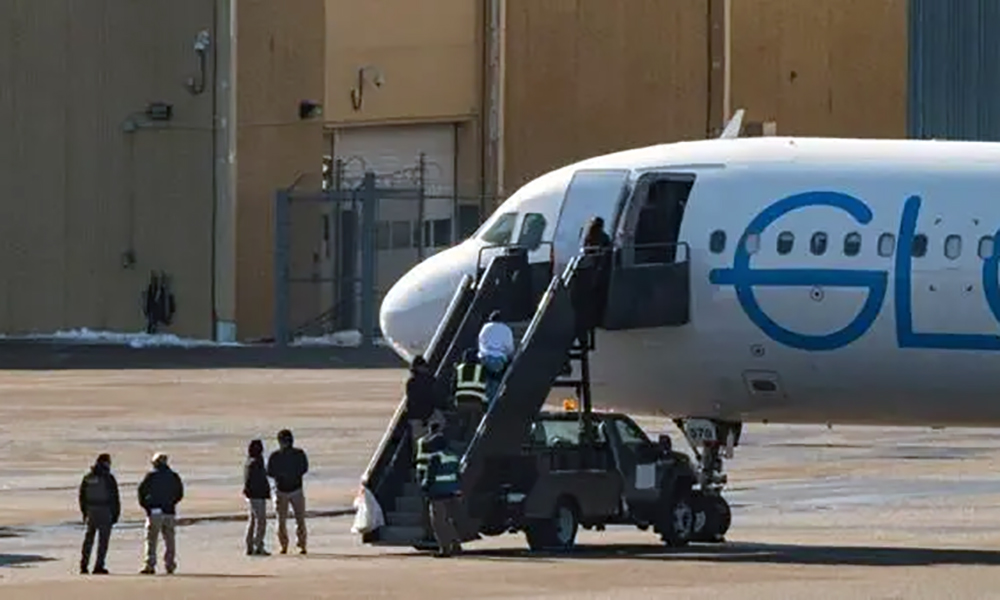
The United States has deported a group of migrants, including citizens of Afghanistan, Iran, Iraq and Armenia, to the Central African Republic, a country facing ongoing insecurity, armed conflict and political instability.
According to reports by CBS News, around 20 migrants were transferred from the US to the Central African Republic on Friday. The group reportedly included Afghan nationals, although authorities have not released detailed information about their identities or legal status.
The Central African Republic is considered one of the world’s poorest nations and has endured decades of violence, political unrest and human rights challenges. The US State Department has issued one of its highest travel warnings for the country, advising American citizens not to travel there due to security concerns.
The deportations are part of the Trump administration’s policy of sending certain migrants to so-called “third countries” as part of broader immigration enforcement measures. US officials say the initiative is aimed at accelerating the removal of migrants who no longer have legal authorization to remain in the country.
The move has drawn criticism from immigration lawyers and human rights advocates. They argue that some deportees had previously received legal protections preventing their return to their countries of origin because of fears of persecution, conflict or other serious risks.
Rights groups have also expressed concern over the fate of those sent to the Central African Republic, warning that transferring migrants to a country where they have no family ties, legal status or support network could expose them to significant humanitarian and security challenges.
The Central African Republic is the latest country to reportedly cooperate with Washington in accepting third-country deportees. Several countries in Africa and Latin America have previously agreed to receive migrants deported from the United States under similar arrangements.
Observers say the policy marks a significant expansion of US deportation efforts and has intensified debate over the treatment and protection of vulnerable migrants.


IEA’s supreme leader chairs cabinet meeting in Kandahar, urges stronger religious education and public service

Iran warns Afghan migrants against unauthorized anti-IEA protests

US thrash Paraguay 4-1 for dream World Cup start

US deports Afghan migrants to conflict-hit Central African Republic

Afghanistan highlights investment opportunities at China–South Asia Cooperation Forum

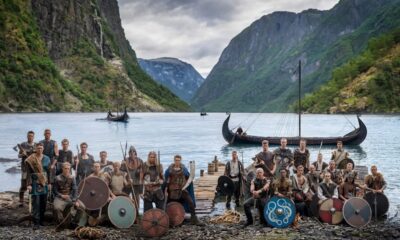
Norway’s Viking-inspired World Cup team photo goes viral

Large blast near Beit Shemesh part of pre-planned test: Israeli defense firm

Trump returns from China with stability but little progress

Afghanistan announce squad for India series

Afghanistan, Russia sign military cooperation agreement

Tawsia: Increase in Afghanistan’s saffron exports discsused

Tahawol: Middle East crisis and future of Islamic world discussed

Saar: Kabul-Islamabad informal talks in Istanbul discussed

Tahawol: Fresh Pakistani military attacks on Afghanistan discussed

Saar: Emphasis on continued Indian support for Afghanistan discussed
-
 International Sports4 days ago
Norway’s Viking-inspired World Cup team photo goes viral
-

 International Sports3 days ago
One Day to Go: Everything you need to know about FIFA World Cup 2026
-

 International Sports4 days ago
Upsets and historic milestones highlight men’s action at Rome Taekwondo Grand Prix
-
 Latest News4 days ago
Karzai, UK envoy react after protest dispersed in Herat
-
 Latest News4 days ago
Uzbek company keen to establish mineral processing plant in Afghanistan
-
 Latest News3 days ago
Pakistani airstrikes on civilian areas in three Afghan provinces kill 13
-

 Sport5 days ago
Debutant Suthar shines as India secure Test victory over Afghanistan
-

 Sport2 days ago
Afghanistan A edge India A by four runs in rain-hit Tri-Nation opener