
Latest News
Court hears Mullah Mansour used fake identities to buy insurance and properties



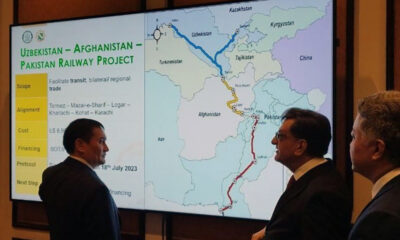



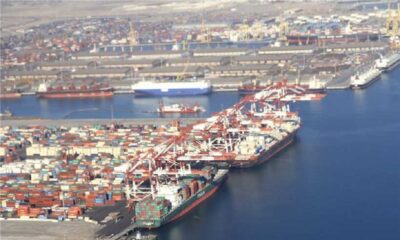

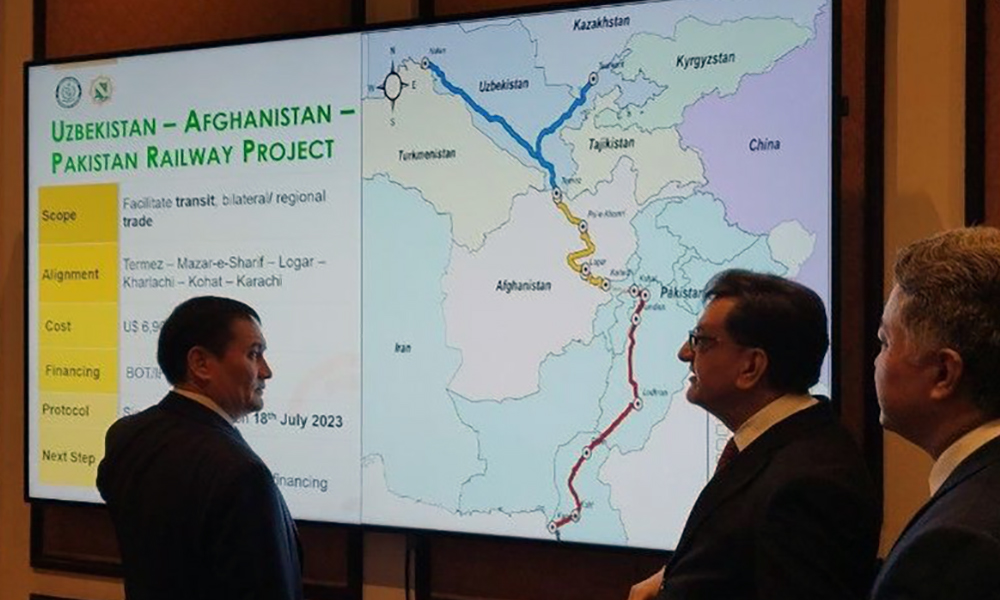
Uzbekistan has addressed major organizational matters related to the Trans-Afghan railway project, with work now focused on preparing its feasibility study, according to Trend citing the Uzbek Ministry of Transport.
The country is also continuing construction of the China–Kyrgyzstan–Uzbekistan railway as part of broader efforts to strengthen its transit and connectivity capacity.
In international road transport, Uzbekistan has rolled out an electronic permit (E-permit) system in cooperation with Kyrgyzstan and Azerbaijan, aimed at simplifying cross-border transport procedures and improving logistics efficiency.
Furthermore, 24 transport and logistics facilities nationwide have been designated as international dry ports, reinforcing Uzbekistan’s role as a regional transport and logistics hub.
Earlier in July, the first meeting of the foreign ministers of Afghanistan, Uzbekistan, and Pakistan was held in Kabul, where a framework intergovernmental agreement was signed. This agreement laid the foundation for conducting a feasibility study of the Uzbekistan–Afghanistan–Pakistan Trans-Afghan Railway.
Under the trilateral plan, the proposed 573-kilometer rail line will link Termez in Uzbekistan to Mazar-i-Sharif and Logar in Afghanistan, before extending to Kharlachi in Pakistan. Once operational, the railway is expected to transport up to 20 million tonnes of cargo annually, substantially lowering transport costs and shortening transit times.
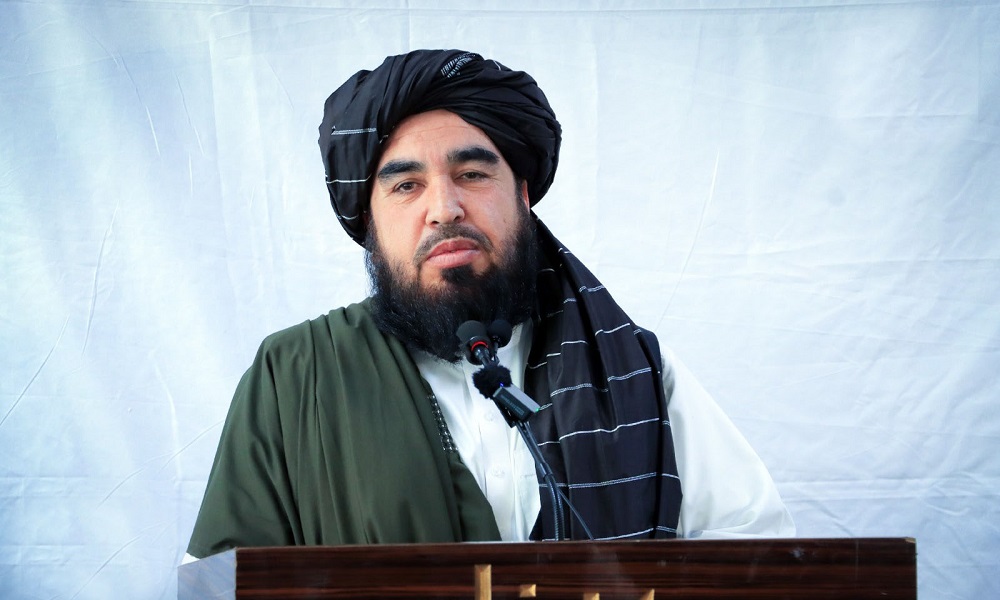
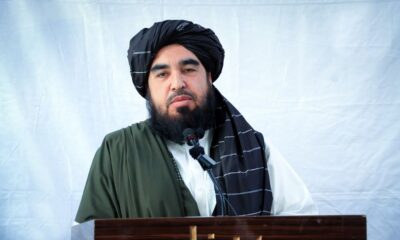
Da Afghanistan Breshna Sherkat (DABS) officially introduced Al-Haj Mullah Abdul Haq Hamkar as its new Chief Executive Officer, following a special decree by the Islamic Emirate’s Supreme Leader Amir al-Mu’minin Sheikh Hibatullah Akhundzada.
The ceremony was attended by senior officials, including representatives from the Ministries of Defense and Interior, provincial authorities, national institutions, the former DABS CEO Abdul Bari Omar, and directors and staff of the company.
Speakers highlighted recent progress at DABS, efforts to improve transparency and services, and the company’s move from losses toward profitability. In his remarks, Hamkar emphasized the importance of orderly transfer of responsibilities, obedience to leadership, and expanding electricity services, noting the central role of power supply in daily life and economic development.
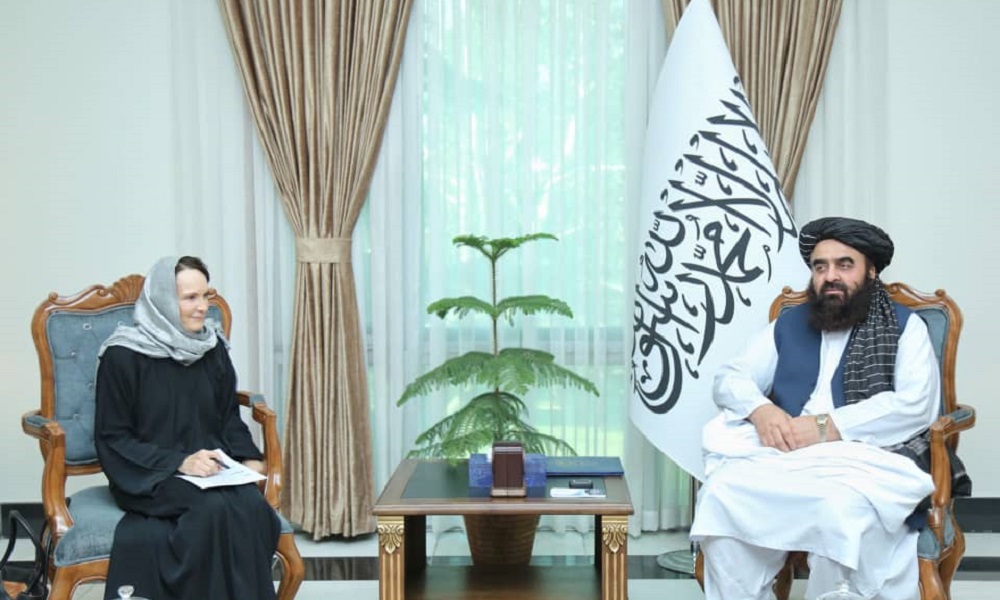
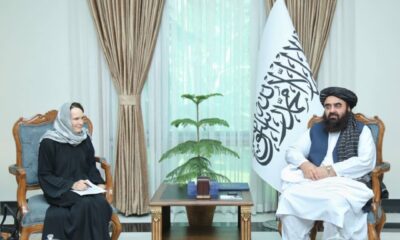
Amir Khan Mutaqi, the Minister of Foreign Affairs, met on Tuesday in Kabul with Georgette Gagnon, Officer-in-Charge of the UN Assistance Mission in Afghanistan (UNAMA).
According to a statement from the Ministry of Foreign Affairs, the meeting covered the upcoming visit of Rosemary DiCarlo, UN Under-Secretary-General for Political and Peacebuilding Affairs, to Kabul, as well as the progress and upcoming meetings of the Doha Process working groups on counter-narcotics and private sector support, and other related issues.
The statement added that Muttaqi said the Islamic Emirate has made satisfactory progress in the Doha Process working groups, but opposing parties have yet to achieve significant results regarding alternative livelihoods and banking issues.
He emphasized that it is necessary for the relevant parties to take effective steps in these areas to enable progress in other sectors as well.
Gagnon referred to DiCarlo’s visit at the end of this month and called for cooperation in this regard.
She also evaluated the outcomes of previous sessions of the two Doha Process working groups positively and noted that further attention would be given to these matters.


Uzbekistan pushes forward with Trans-Afghan railway project

Trump urges Iranians to keep protesting, saying ‘help is on its way’

Tahawol: Expansion of Afghanistan–India relations discussed

Saar: Possible Iran–US conflict reviewed

DABS names Abdul Haq Hamkar as new CEO

Afghanistan exports 10 containers of batteries to Saudi Arabia and UAE for first time

Pakistani cleric condemns lifetime immunity for Army Chief as un-Islamic

Turkey withdraws from Afghanistan-Pakistan mediation amid rising tensions

Afghanistan signs 30-year deal for marble mining in Daikundi

Sharp drop in exports to Afghanistan drives Pakistan’s trade deficit surge
Tahawol: Expansion of Afghanistan–India relations discussed
Saar: Possible Iran–US conflict reviewed

Tahawol: Donald Trump says Iran wants to talk to US

Saar: KP Chief Minister denies claims of Afghan soil being used against Pakistan

Tahawol: Iran’s ongoing crisis and its consequences discussed
-
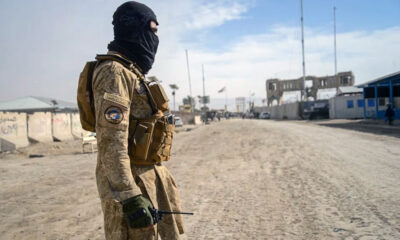
 Latest News4 days ago
ICG report says Pakistan most impacted by IEA’s return in Afghanistan
-
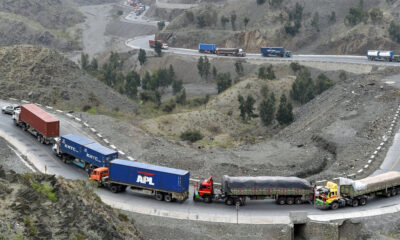
 Business5 days ago
Pakistan–Afghanistan bilateral trade plunges 53% in first half of fiscal year
-
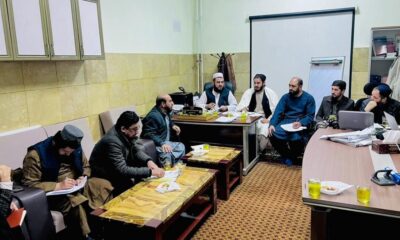
 Latest News4 days ago
Health Ministry holds meeting on halting medicine imports from Pakistan
-
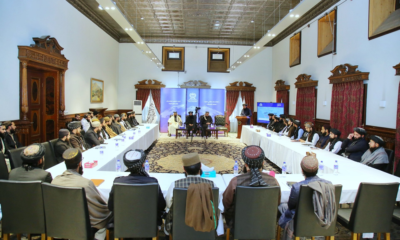
 Latest News3 days ago
Afghan Foreign Ministry holds diplomacy training program with Qatar’s cooperation
-

 International Sports3 days ago
ATN secures broadcast rights to Carabao Cup semis across Afghanistan
-
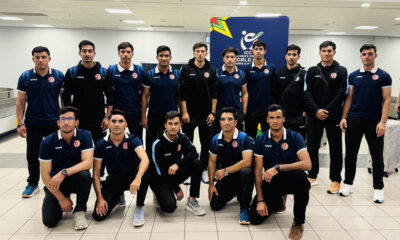
 Sport5 days ago
Afghanistan announce under-19 squad for 2026 World Cup
-
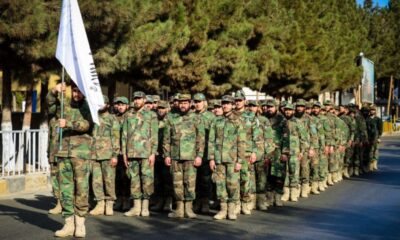
 Latest News3 days ago
Afghanistan’s Ministry of Defense to recruit more forces
-
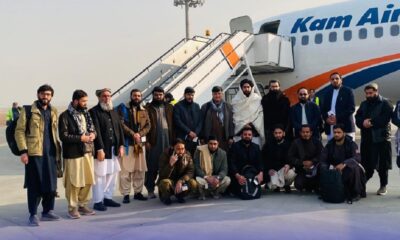
 Latest News3 days ago
Afghanistan’s mines ministry sends technical team to Uzbekistan for training