
Latest News
Commandos free 24 from Taliban prisons, who had been ‘extensively’ tortured

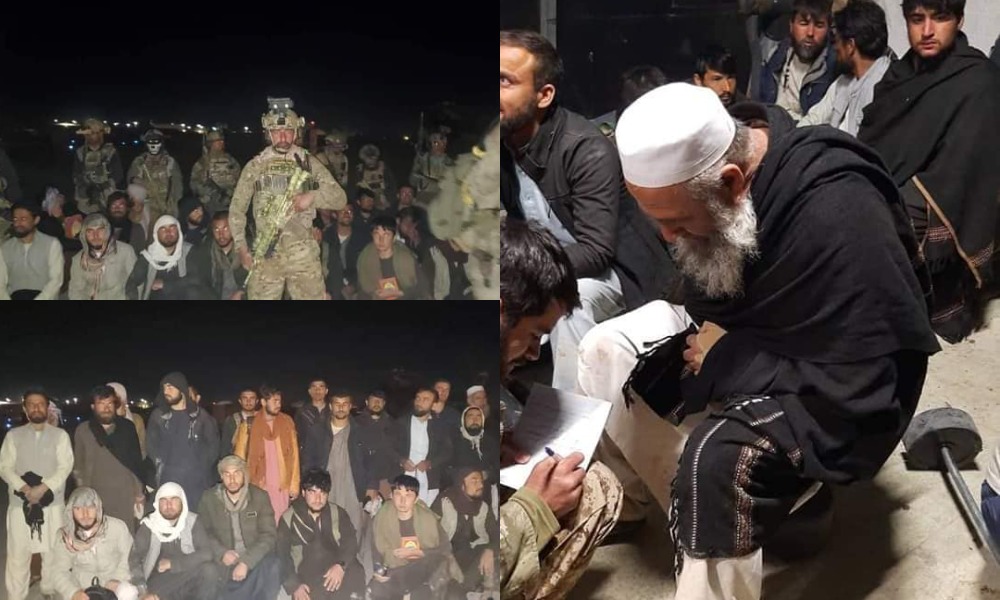
Afghan commando forces freed 23 security force members and one civilian from a Taliban prison in Kunduz on Wednesday, 217 Pamir Corps said in a statement.
Mohammad Ali Yazdani, commander of the corps, said the Taliban prison was in Qashlaq Kabuli area of Khan Abad district, in Kunduz province and that it was destroyed during the operation.
According to the officials, 16 of the prisoners are members of the Afghan National Army (ANA), four of them are commando forces, two were police, and one was a National Directorate of Security (NDS) soldier and one other was a civilian.
The ministry of defense also confirmed the operation in a tweet and stated the freed “prisoners were extensively tortured by the Taliban.”
Taliban have not commented about the operation and prisoners so far.
This comes just days after Afghan commando forces rescued 42 people – 25 soldiers and 17 civilians – from a Taliban prison in Baghlan province.
The rescue operation was conducted on Monday in the Ali Khwaja village in the Baghlan-e-Markazi district of the province.

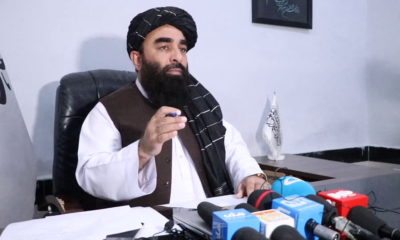


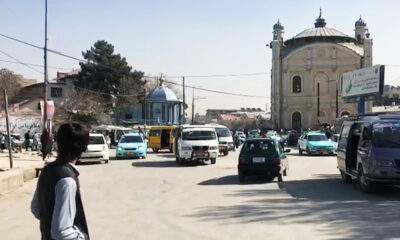

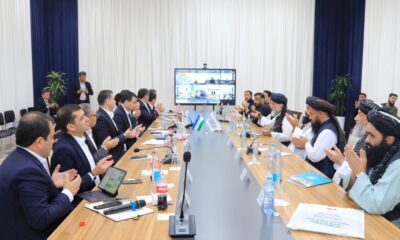

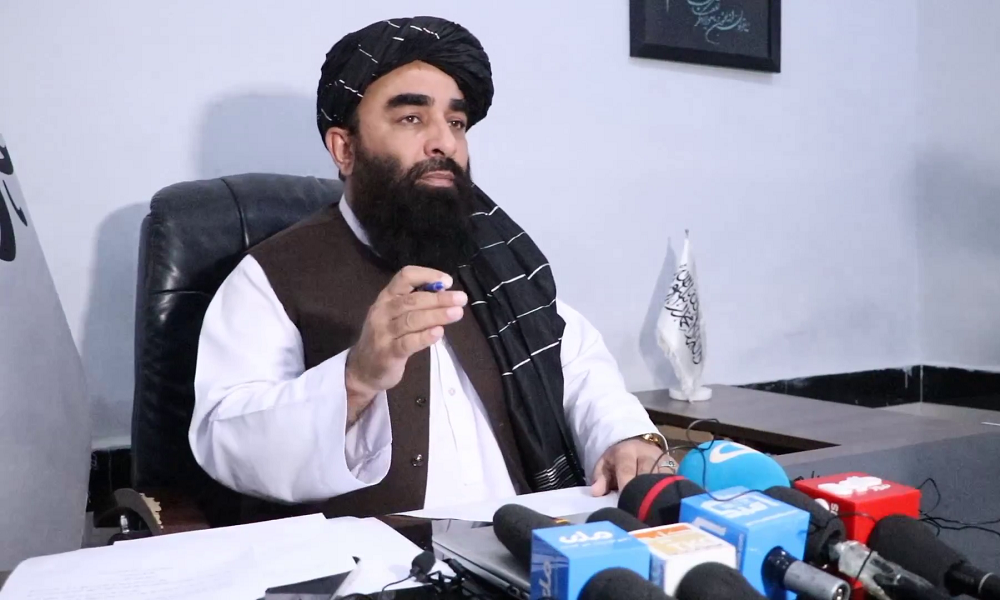
The spokesperson of the Islamic Emirate of Afghanistan, Zabihullah Mujahid, says that a special circle in Pakistan has launched a mission to destabilize the region following the recent escalation of conflicts between the two countries.
Speaking at a press conference in Kandahar province on Friday, Mujahid urged regional countries to put a stop to the “troublemakers.”
Mujahid stated that Afghan air forces had precisely targeted Pakistani military centers.
In response to a question about what position the Islamic Emirate would take if regional countries called for a halt to the war, he said that the Islamic Emirate seeks a peaceful resolution of issues and that they have previously held several rounds of negotiations and discussed the matters; however, the Pakistani side has not been prepared to resolve the issues through peaceful dialogue.
The spokesperson of the Islamic Emirate emphasized that the Pakistani side consistently attempts to fabricate pretexts for war and links its internal issues to Afghanistan.
Mujahid further stated that Pakistani aircraft are still patrolling Afghanistan’s airspace.
Last night, following retaliatory attacks by Afghan forces on Pakistani military facilities across the Durand Line, Pakistan’s military regime carried out airstrikes on locations in three Afghan provinces.
Mujahid confirmed that Pakistani forces bombed certain areas in Kabul, Kandahar, and Paktia.
He added that during the fighting that began Friday night, 13 Afghan soldiers were “martyred” and 22 others were wounded.
The Islamic Emirate of Afghanistan described the operation as retaliation for Pakistan’s previous attacks in Nangarhar and Paktika earlier this week.
The Afghan Ministry of National Defense also announced that in these clashes, Afghan forces killed 55 Pakistani soldiers, captured several others, and seized two military headquarters along with 19 security posts.
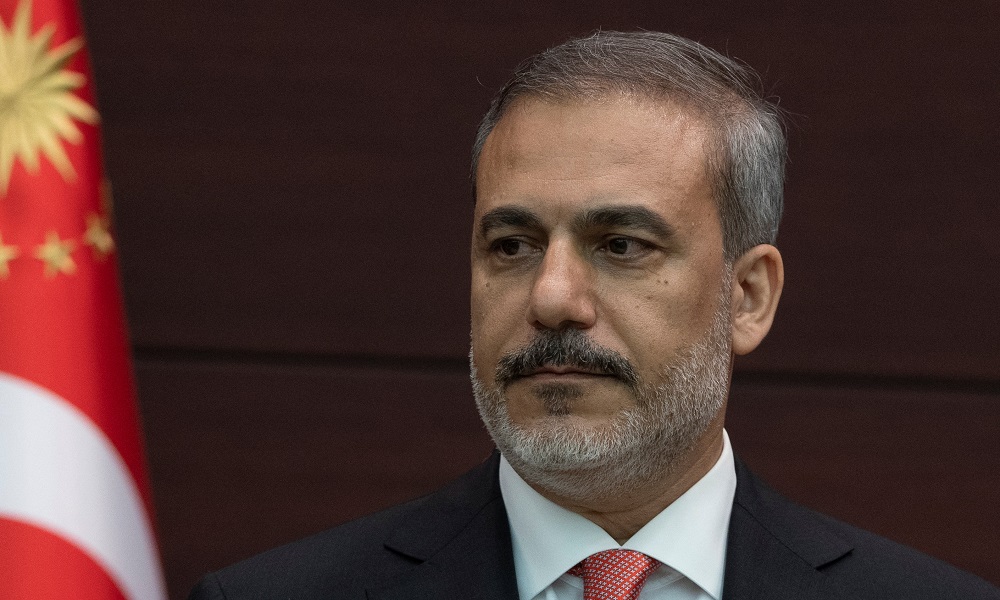
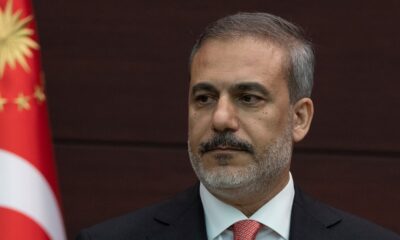
Turkish Foreign Minister Hakan Fidan on Friday exchanged phone conversations with both Afghan and Pakistani top diplomats as well as other regional prominent actors amid growing tension between the two neighboring countries.
Fidan spoke on the phone with Afghan Foreign Minister Amir Khan Muttaqi and Pakistani Foreign Minister Mohammed Ishaq Dar, Turkish media reported citing sources.
The initiative came after the two countries attacked each other.
Turkish media reported that Fidan also spoke with Qatari Foreign Minister Sheikh Mohammed bin Abdurrahman Al Thani and Saudi Foreign Minister Prince Faisal bin Farhan to discuss the recent developments between Afghanistan and Pakistan.
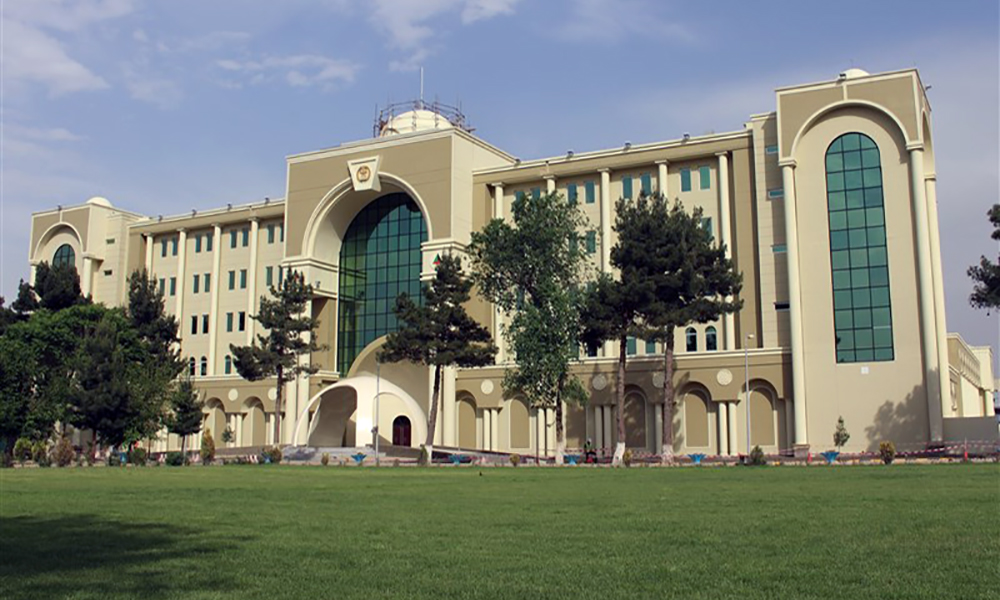
Afghan Air Force conducted airstrikes against Pakistani military targets in Islamabad and other cities on Friday, Afghanistan’s Ministry of National Defense said.
The strikes were carried out at 11:00a.m. near Faizabad in Islamabad, targeting a military camp, the Nowshera Cantt, Jamrud Military Colony, and Abottabad.
According to the Ministry, the operations successfully hit key military sites, centers, and facilities. The strikes were conducted in response to Pakistani military air raids carried out last night in Kabul, Kandahar, and Paktia.


Tahawol: Carrying out retaliatory operations against Pakistan discussed

Saar: Resumption of retaliatory operations against Pakistan discussed

IEA: Special circle in Pakistan has launched mission to destabilize region

Turkey launches initiative to diffuse Afghanistan-Pakistan tension

Afghan Air Force conducts airstrikes in Islamabad, other cities

IEA releases three Pakistani soldiers to mark Ramadan

AFC Futsal Asian Cup: Afghanistan to face Iran in crucial Group D clash

Afghanistan’s Chief of Armed Forces underscores readiness and equipment for national defense

Afghanistan welcomes investment and technology partnerships with India

Afghanistan shine on Day Two of AFC Futsal Asian Cup Indonesia 2026
Tahawol: Carrying out retaliatory operations against Pakistan discussed
Saar: Resumption of retaliatory operations against Pakistan discussed

Tahawol: IEA’s military response against Pakistan discussed

Saar: Discussion on silence over Pakistan’s attacks in Afghanistan

Tahawol: Reviewing relations between Pakistan, Qatar and Afghanistan
-
 Latest News5 days ago
Russia estimates up to 23,000 terrorists present in Afghanistan
-
Latest News4 days ago
IEA rejects Russia’s claims of foreign militants in Afghanistan
-
 Latest News4 days ago
UNAMA reports civilian casualties from Pakistani airstrikes in Afghanistan
-

 International Sports4 days ago
AFC Champions League Elite gears up for Round of 16 as league stage concludes
-

 Sport3 days ago
Richard Pybus appointed as head coach of Afghanistan’s national cricket team
-
 Latest News5 days ago
UK’s Reform party pledges visa ban affecting Afghanistan and five other states
-
 World5 days ago
Mexican military kills cartel boss ‘El Mencho’ in US-backed raid
-
 World2 days ago
India’s Modi backs Israel in address at Israeli parliament