
Latest News
Child marriage prevalent human rights violation in Afghanistan: UN

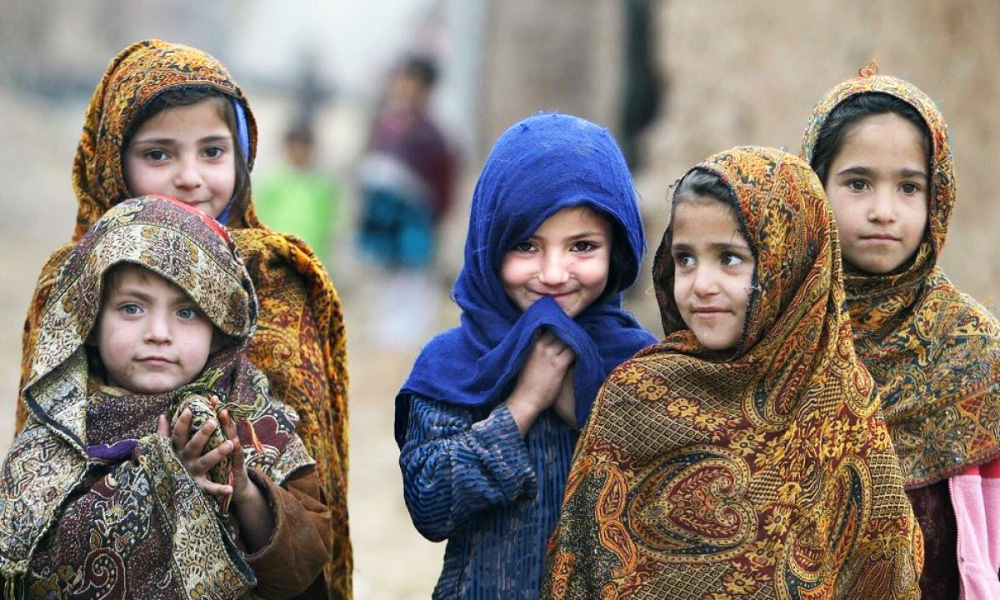
Child marriage is the most prevalent human rights violation in Afghanistan, the United Nations Population Fund (UNFPA) said in a statement.
Every year, millions of girls are subjected to practices that harm them physically and emotionally, with the full knowledge and consent of their families, friends, and communities, the UNFPA said.
According to the statement released on Tuesday, conflict, poverty, and holding on to certain traditional beliefs and behaviors put underage girls at risk in Afghanistan, especially in remote and rural areas.
“These risks not only prevent girls from their human rights, but also their social rights, and prevents them from education, harms their protection, and increases health threats including their reproductive health and the ability to choose if and when they have children,” the statement said.
“Harmful practices against girls cause profound and lasting trauma, robbing them of their right to reach their full potential,” says UNFPA Executive Director Dr. Natalia Kanem.
Many harmful practices are human rights violations because they arise from discriminatory gender norms that perpetuate inequality. And they are imposed on women and girls, regardless of consent.
The UN said that violence against women has been increased during the lockdown. The Attorney General Office of Afghanistan recorded 249 cases of beatings during the Coronavirus quarantine.
“The pandemic both makes our job harder and more urgent as so many more girls are now at risk,” Dr. Kanem says. “We will not stop until the rights, choices, and bodies of all girls are fully their own.”
The UNFPA noted that governments should ensure these practices end because they have ratified the international treaties to protect the rights of women and children.
“Afghanistan has signed on most international conventions to protect children, including early marriage. From the policy perspective, the National Action Plan for the Elimination of Early and Child Marriage (NAP ECM) in Afghanistan has been adopted and is key progress towards prevention and ending the early marriage in the country, but it needs implementation continues to be a challenge,” read the statement.
Child marriage is a fundamental violation of human rights that robs girls of their education, health, and long term prospects. The elimination of child marriage requires joint action of the Government of Afghanistan, religious communities, civil society, and national and international partners.
“We need to renew our commitment and ensure this harmful practice is prevented, and girls and their rights are respected,” the organization said.

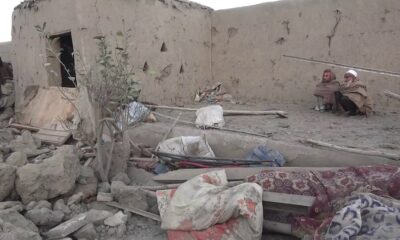
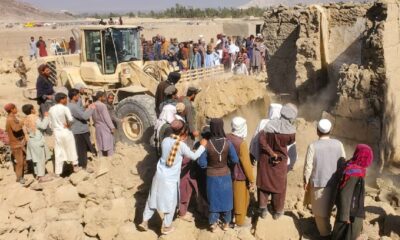

The Ministry of Education reported the tragic losses, highlighting the impact of strikes on civilians and students in the region.
Education Ministry spokesman Mansoor Ahmad Hamza also said that a student at a religious seminary was injured in Barmal district of Paktika province, another area affected by the Pakistani military attacks over the weekend.
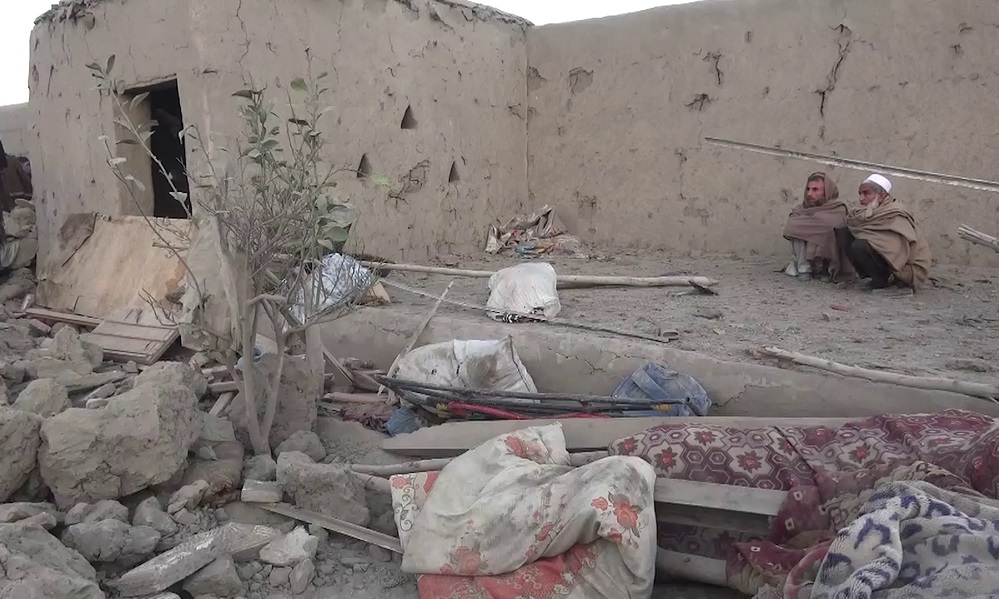
Dozens of civilians have reportedly been killed or injured in the airstrikes, which Afghan authorities say targeted residential homes and community areas in both Nangarhar and Paktika provinces.
Local sources describe scenes of devastation, with families searching through rubble and emergency personnel rushing to rescue trapped individuals.
Afghanistan’s Ministry of National Defense condemned the strikes, saying they constitute a violation of Afghan sovereignty and have caused significant civilian harm.
Officials reiterated that Afghan territory must not be used for attacks against other countries and called for restraint and dialogue to prevent further escalation.
The strikes come amid ongoing tensions along the disputed Durand Line between Afghanistan and Pakistan, where security concerns and accusations of militancy have frequently strained relations between Kabul and Islamabad. Analysts note that repeated civilian casualties risk further inflaming regional tensions and complicating diplomatic efforts to reduce violence along the frontier.
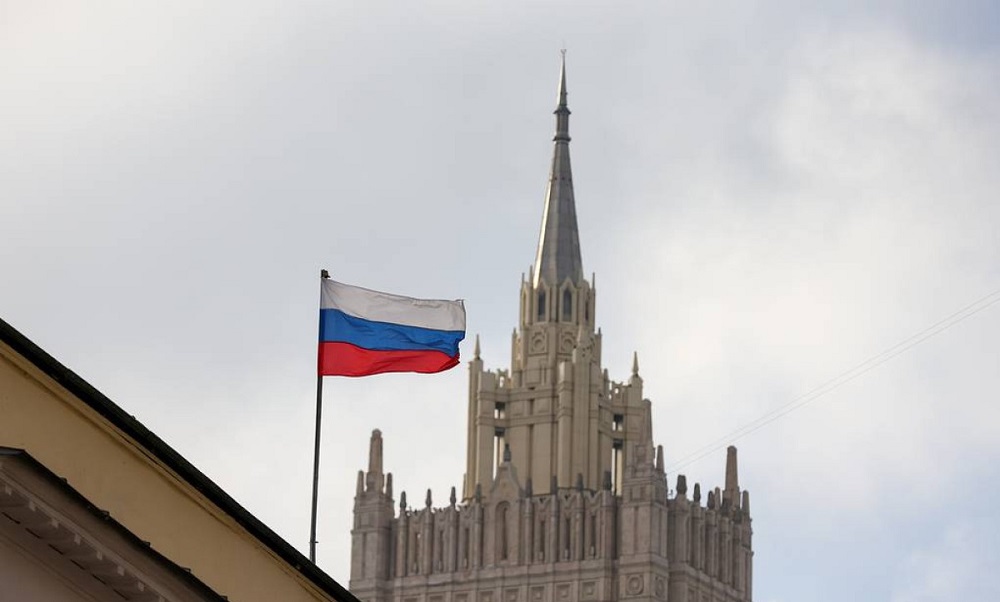
The Russian Foreign Ministry has estimated that around 20,000 to 23,000 fighters from various international terrorist groups are present in Afghanistan, contributing to ongoing security and political challenges in the country.
The ministry noted that over half of these fighters are foreign nationals.
Among the larger groups, Daesh is believed to number around 3,000, the Tehreek‑e-Taliban Pakistan (TTP) 5,000–7,000, and al Qaeda 400–1,500.
Smaller groups reportedly include the East Turkestan Islamic Movement (ETIM), the Islamic Movement of Uzbekistan (IMU/Turkestan Islamic Party), and Jamaat Ansarullah.
According to the ministry, Daesh remains the only group actively hostile toward the Afghan authorities, though it reportedly lacks the capacity to seize territory, focusing instead on undermining public confidence.
Afghan security efforts over the past 18 months are credited with significantly reducing attacks attributed to Daesh.
The Islamic Emirate of Afghanistan has consistently maintained that it will not allow Afghan soil to be used against any other country and continues to deny the presence of armed groups operating freely within the country.
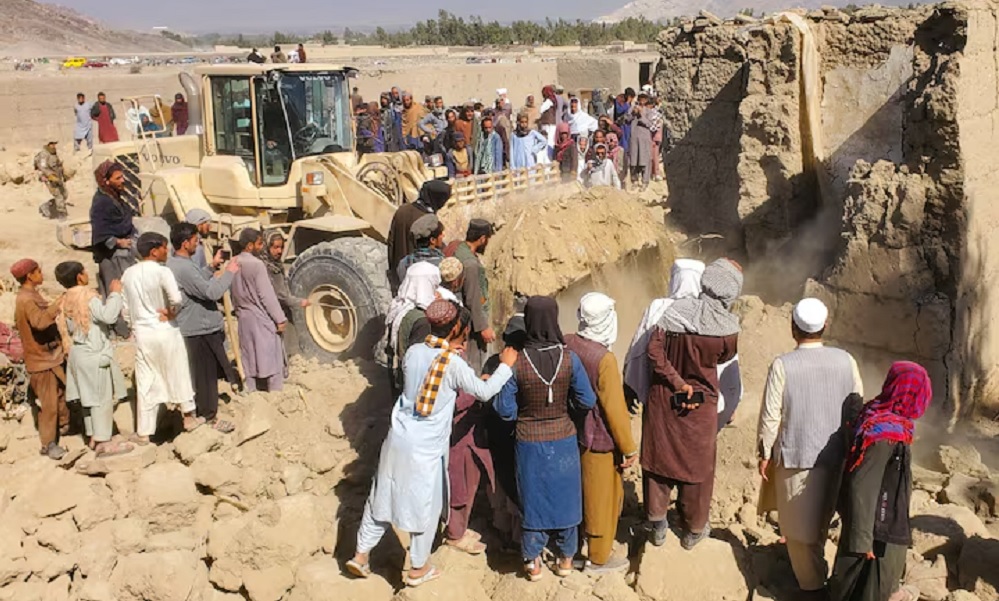
Afghanistan’s acting representative to the United Nations has formally raised concerns at the UN Security Council following overnight airstrikes this week it says were carried out by Pakistan inside Afghan territory.
Nasir Ahmad Faiq, acting chargé d’affaires of Afghanistan’s mission to the UN, announced on Monday that a formal complaint had been submitted regarding the strikes, which reportedly resulted in civilian casualties.
In a statement posted on X, Faiq called for “the immediate cessation of such actions, a thorough and impartial review, full respect for Afghanistan’s territorial integrity, and strict adherence to the Charter of the United Nations and international law.”
According to Afghan officials, the strikes took place late Saturday night in eastern Nangarhar and south-eastern Paktika provinces.
Authorities say dozens of civilians, including women and children, were killed or wounded when residential areas were hit.
Islamabad has previously maintained that it reserves the right to act against militant groups it says operate near or along the disputed Durand Line. Afghan officials, however, have consistently rejected allegations that Afghan territory is being used to launch attacks against Pakistan.
The latest incident comes amid heightened tensions between Kabul and Islamabad over security concerns and cross-Durand Line militancy, further complicating already fragile bilateral relations.


Eight schoolchildren among those killed in Pakistani airstrikes in Afghanistan

Russia estimates up to 23,000 terrorists present in Afghanistan

Afghanistan lodges complaint with UN over Pakistani airstrikes

US companies are welcome to join TAPI project: Turkmenistan’s ex-president

Mexican military kills cartel boss ‘El Mencho’ in US-backed raid

AFC Futsal Asian Cup 2026: Day One Review

IEA releases three Pakistani soldiers to mark Ramadan

AFC Futsal Asian Cup: Afghanistan to face Iran in crucial Group D clash

Afghanistan’s Chief of Armed Forces underscores readiness and equipment for national defense

Afghanistan welcomes investment and technology partnerships with India

Tahawol: Repeat crimes by Pakistani military in Afghanistan discussed

Saar: Pakistani military regime’s airstrikes on Afghanistan

Tahawol: US military review for attack against Iran discussed

Saar: Afghanistan’s expanding ties with Central Asia discussed

Tawsia: Calls for implementing development and infrastructure projects
-
 Latest News4 days ago
Afghanistan welcomes investment and technology partnerships with India
-

 Sport4 days ago
Afghan Peaks founder climbs Aconcagua to promote Afghanistan’s mountain potential
-

 Latest News3 days ago
Indian customs seize Chinese walnuts falsely declared as Afghan
-

 Business4 days ago
Pakistan allows re-export of stranded Afghan transit cargo
-
 Latest News3 days ago
Pakistan’s Punjab to send home 20 more Afghans in repatriation drive
-

 Latest News4 days ago
Pakistan signals possible air strikes as Kabul releases Pakistani soldiers in goodwill move
-

 Latest News2 days ago
Moldova bans Afghan airlines over safety concerns
-
 Latest News1 day ago
Afghanistan vows retaliation after Pakistan launches air strikes