
Latest News
Abdullah Blames Taliban for Sabotaging Peace Opportunities

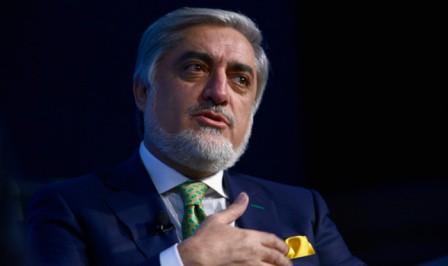
Abdullah Abdullah on Monday blamed the Taliban insurgent group for sabotaging the opportunities for peace by refusing to sit with the Afghan government.
Abdullah said that Taliban is committing a humanitarian crime by emphasizing on the continuation of the war.
“Taliban is taking responsibility for all bloodsheds and continuation of the war. The Taliban are sabotaging every opportunity for peace. This is a crime that the Afghan people will judge about,” Abdullah said.
Meanwhile, Afghan and Western officials have told the Daily Telegraph that talks between Taliban and U.S. officials have faced with deadlock, with the militants continuing to demand an immediate U.S. troop withdrawal and refusing to negotiate with the Afghan government.
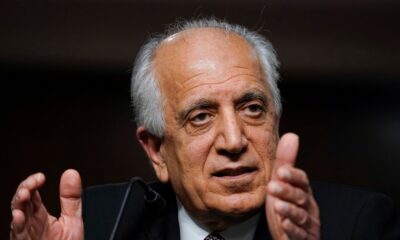
At the same time, the U.S. Special Envoy for Afghan Peace Zalmay Khalilzad will launch the seventh round of talks with Taliban negotiators in Qatar after a tour to six countries in order to find a breakthrough for Afghan peace process.
The U.S. envoy will travel to Afghanistan, Belgium, Germany, Pakistan, Qatar, and the United Arab Emirates.
On Monday, Khalilzad said in a tweet that he had briefed Pakistani leaders in Islamabad on progress the U.S. has made in the last month, adding that he has discussed what Pakistan can do to help advance the Afghan peace process.
In a statement, the U.S. Embassy in Kabul said that Khalilzad has met with Pakistani Prime Minister Imran Khan, MFA Additional Secretary Aftab Khokher and Chief of Army Staff General Qamar Bajwa.
Political experts in Kabul believe that if the two sides of talks do not show more flexibility there is a risk of losing the opportunities for peace in the war-torn country.
“The hopes are changing to disappointments because the two sides do not have logical stances,” said Daud Nadi, an Afghan political commentator.
“America is seeking to bring Taliban to peace like Hekmatyar but they will fail on their efforts,” said Sayed Akbar Agha, a former Taliban official.
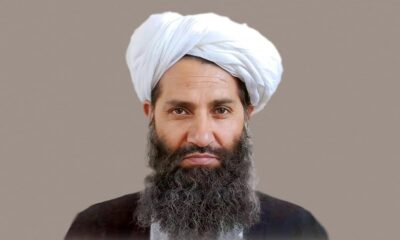
Recently, the Taliban leader Mullah Hibatullah Akhundzada, in a message on the occasion of Eid, said that their insurgency will continue until they achieve their objective.
He accused the Afghan government for trying to sabotage the ongoing dialogue between prominent Afghan politicians and the insurgent group.
In addition, he invited Washington to remain a sincere partner in the negotiation process.
However, there was no sign of agreeing on a ceasefire or opening direct talks with the Afghan government on his message.




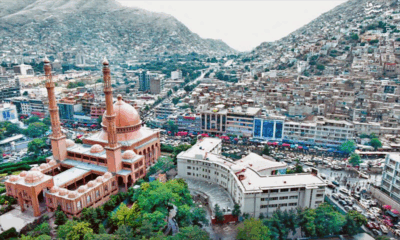




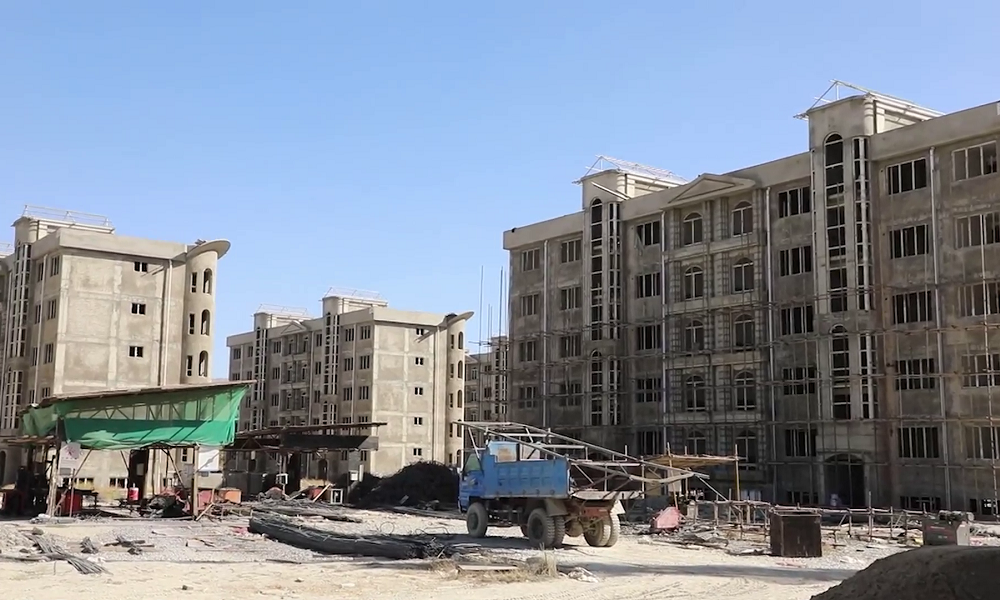
Officials from the Ministry of Urban Development and Housing say efforts are underway to address the growing housing shortage across Afghanistan through new development initiatives in multiple provinces, including Kabul.
According to the ministry, 41 sites have been allocated in Kabul city for the construction of residential townships, with building work expected to begin soon.
The ministry said it is also working to expand housing investment in cooperation with the private sector as part of broader urban development plans.
Private sector representatives say investment in the housing sector remains a key priority, stressing that Afghanistan has strong potential for real estate development amid rising population growth.
Economic analysts also say the country offers favorable conditions for investment in housing and have called on the ministry to provide further incentives and facilitation for private investors.
They add that improved conditions could attract hundreds of millions of dollars in investment and create employment opportunities for thousands of people nationwide.
Latest News
Khalilzad calls for Afghanistan-Pakistan dialogue after airstrikes
He further noted that Türkiye has offered to support the process by hosting an operational coordination center in Ankara to facilitate monitoring efforts.
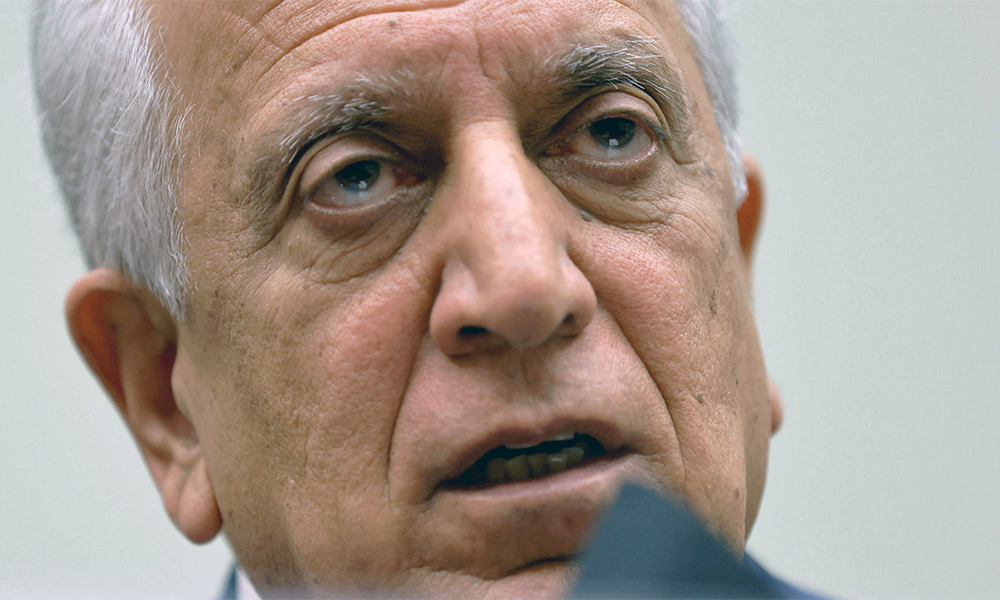
Zalmay Khalilzad, former U.S. special representative for Afghanistan reconciliation, has called for renewed diplomatic engagement between Afghanistan and Pakistan following reports of Afghan operations targeting ISIS-K sites in Pakistan.
In a post on X, Khalilzad referenced the statement issued by Afghanistan’s Ministry of Defense regarding operations in Pakistan’s Balochistan and Khyber Pakhtunkhwa provinces, where militant hideouts were reportedly targeted.
He warned that rising tensions between the two neighboring countries risk further instability and urged both sides to resolve disputes through dialogue rather than escalation.
Khalilzad emphasized the need for a bilateral agreement ensuring that neither country’s territory is used by individuals or groups to threaten the security of the other. He added that Afghanistan has expressed readiness for such an arrangement.
He further noted that Türkiye has offered to support the process by hosting an operational coordination center in Ankara to facilitate monitoring efforts.
The former envoy also called on Qatar, Saudi Arabia, the United Arab Emirates, and Türkiye to intensify diplomatic efforts aimed at helping Afghanistan and Pakistan reach a peaceful and sustainable agreement.
His remarks come amid renewed tensions between Kabul and Islamabad, with growing international calls for restraint and dialogue to prevent further escalation in the region.
Latest News
IEA says Afghan air forces strike ISIS-K targets inside Pakistan
The ministry said initial assessments show that key pre-identified targets were successfully hit during the operation.
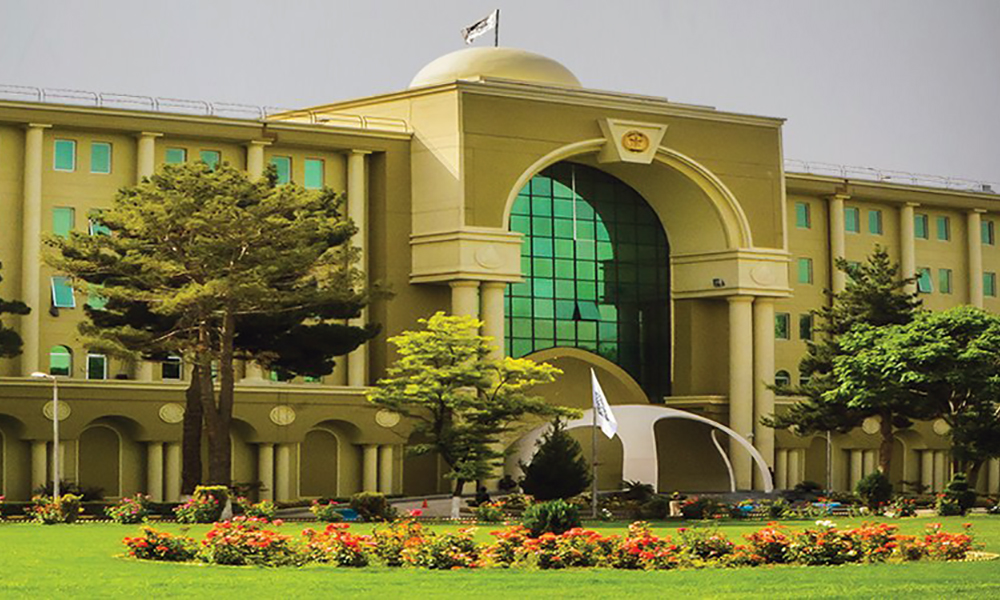
The Ministry of Defense of Afghanistan announced on Friday that Afghan air forces carried out overnight strikes targeting Islamic State Khorasan Province (ISIS-K) positions in Pakistan’s Balochistan and Khyber Pakhtunkhwa provinces.
In a statement, the ministry said the targeted sites were being used by ISIS elements, allegedly backed by intelligence-linked networks, to plan and coordinate attacks against Afghanistan. It added that the locations had previously been connected to deadly attacks carried out inside the country.
According to the statement, strikes were conducted in the Gulistan area of Killa Abdullah district and the Shakar Ab Jungle Gardi area of Chagai district in Balochistan. Another operation reportedly targeted a facility in the Qambar Khel area of Orakzai district in Khyber Pakhtunkhwa, where senior ISIS-K figures were said to be active.
The ministry said initial assessments show that key pre-identified targets were successfully hit during the operation. It emphasized that Afghanistan will use all available capabilities to counter threats against its national security and prevent future attacks.


Tawsia: Last week’s key economic developments discsused

Afghanistan moves to tackle housing shortage with new projects in Kabul

Uzbekistan, Afghanistan push to expand trade and investment cooperation

Khalilzad calls for Afghanistan-Pakistan dialogue after airstrikes

IEA says Afghan air forces strike ISIS-K targets inside Pakistan

Norway’s Viking-inspired World Cup team photo goes viral

Afghanistan announce squad for India series

Afghanistan, Russia sign military cooperation agreement

Major pharma firms eye investment in Afghanistan

Afghanistan expands oil production as investment in Amu Darya fields grows
Tawsia: Last week’s key economic developments discsused

Tahawol: Afghanistan–UN ongoing engagement discussed

Saar: Trump’s remarks on US military equipment in Afghanistan discussed

Tahawol: Passage of 3 Iranian tankers through US naval blockade discussed

Saar: Discussion on outcome of G7 summit in France
-
 Latest News4 days ago
TAPI project advances in Afghanistan as 84kms of pipeline laid
-

 International Sports5 days ago
World Cup 2026: Havertz, Ayari and Balogun lead Golden Boot standings
-

 Latest News4 days ago
EU, Central Asian representatives meet in Kazakhstan to discuss Afghanistan cooperation
-

 Regional5 days ago
Global leaders react to announcement of US-Iran peace agreement
-
 Latest News4 days ago
Afghanistan to host regional meeting of strategic research centers in Kabul
-
 Business1 day ago
Afghanistan signs $67 million contract for cement production in Samangan
-
 Latest News5 days ago
Peshawar economy under pressure amid ongoing crossing closures
-

 Sport2 days ago
2nd ODI: India crush Afghanistan by 170 runs to seal series lead