
Latest News
Car Bombing in Kabul Left Casualties ‘Mostly’ to Civilians

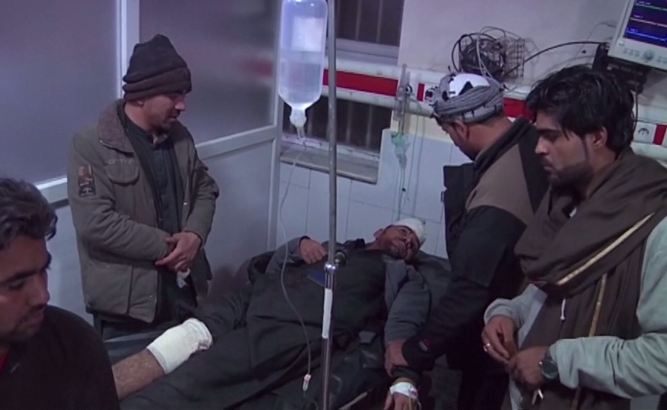

Car-bomb blast near Green Village compound in eastern Kabul on Monday left casualties mostly to civilians including children and women.
The Interior Ministry said that the attack killed at least four people including two security guards of Green Village – a compound housing foreign workers in Kabul – and 114 more wounded including children and women.
“We didn’t find clues to indicate that the militants had entered the compound,” Najib Danish, Spokesman of the Interior Ministry said. “We are currently investigating the incident.”
According to the residents, it was a huge blast and its shockwaves were heard almost throughout the city. The targeted guesthouse is located close to residential area.
“We want this guesthouse to be moved far from the residential areas,” said Ghulam Jilani, a victim of the incident.
Financial Loses
The blast was triggered by an explosive-packed car which also incurred financial losses to the people, living in nearby residential houses. The residents urged the government to help them in this regard.
“All windows and glasses of our house were destroyed,” Obaidullah said. “We should receive assistance,” another resident Rahimullah pleaded.
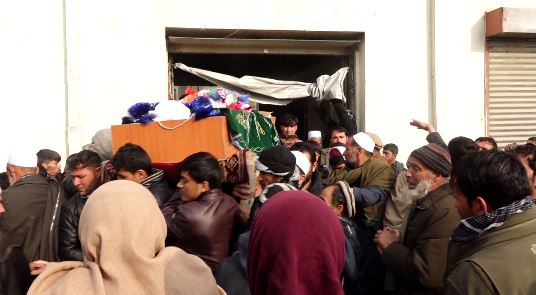
People carrying coffin of Zakir, a young man, who was killed in Monday’s car bomb attack in Kabul, 15/01/2018. Photo: Ariana News.
They also asked the government to ensure their security.
Zakir was one of those killed in the attack. He was recently graduated from the school and married a couple of months ago.
“Only two months passed from his marriage before being killed,” Zakir’s cousin Ahmad Zia Noor said. “He was a fresh school graduate and was studying at an educational center in the area.”
The Taliban claimed responsibility for the attack, asserting that it targeted foreign nationals in the capital.

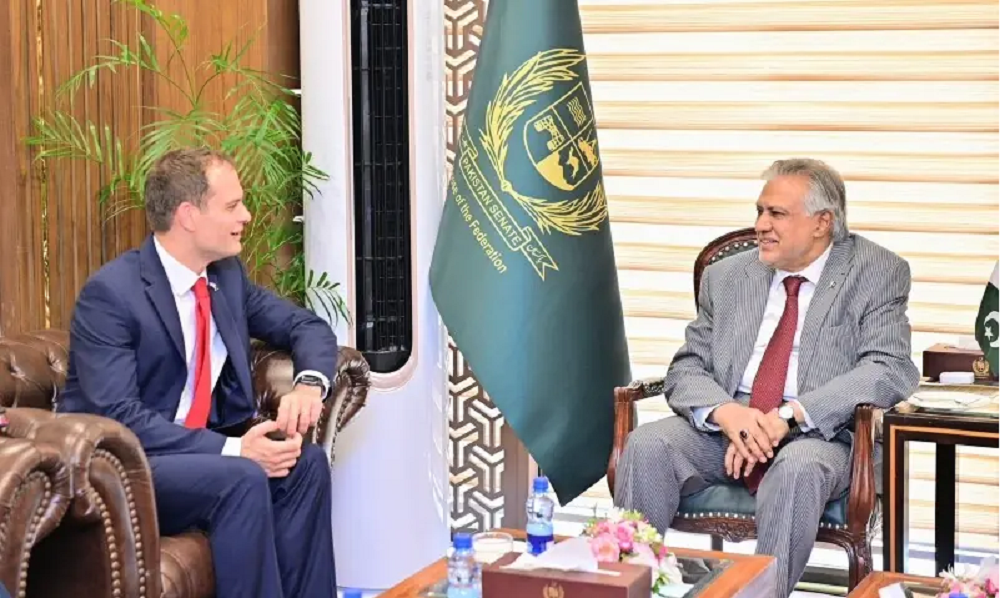
The United Kingdom has called on Pakistan and Afghanistan to work together to prevent further tensions and address security concerns through dialogue and cooperation.
Speaking to Dawn newspaper during a visit to Islamabad, British Parliamentary Under-Secretary for the Middle East, Afghanistan and Pakistan, Hamish Falconer, stressed that preventing further escalation should remain a top priority for both countries.
His remarks came amid growing security concerns and rising tensions between Pakistan and Afghanistan. Pakistani authorities have repeatedly expressed concerns about militant groups that they say operate from Afghan territory and carry out attacks inside Pakistan, a charge Afghanistan denies.
“The most effective way forward is through dialogue,” Falconer said, adding that both Islamabad and Kabul must ensure that their territories are not used to threaten one another.
The British official also expressed concern over the loss of civilian lives in the region, saying that no country wants to see civilian casualties, whether in Pakistan or Afghanistan.
On the issue of Afghan refugees in Pakistan, he stressed the importance of respecting international legal obligations while acknowledging the complexity of the matter. He said the issue should primarily be addressed through cooperation between Pakistan and Afghanistan.
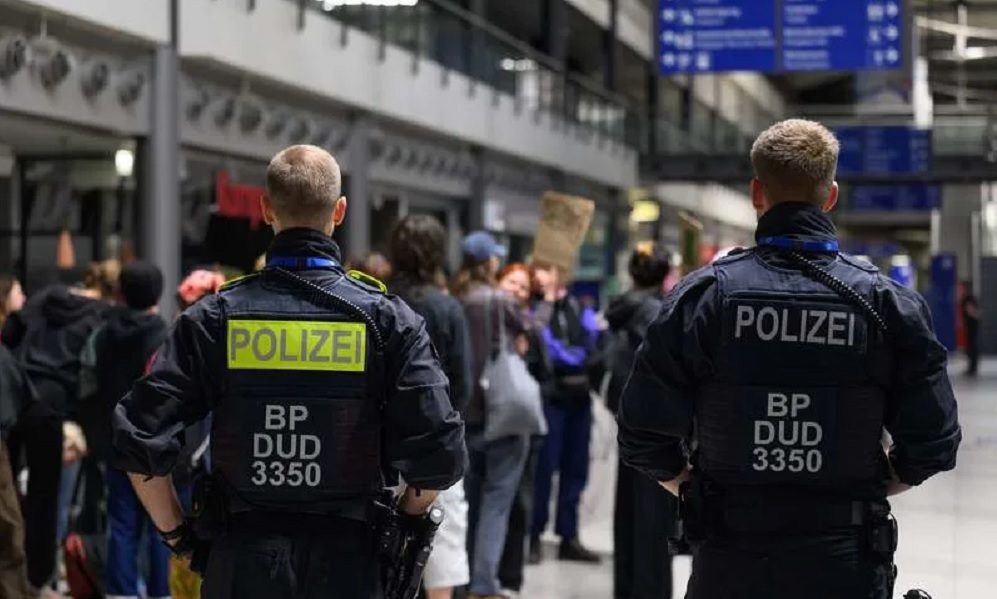
Germany has deported around 30 Afghan men to Afghanistan on a charter flight, continuing Berlin’s policy of returning foreign nationals found guilty of major criminal offenses.
According to German news agency dpa, the deportees included individuals convicted of crimes such as rape, manslaughter, and sexual assault. Five German states reportedly registered approximately 30 people for the latest deportation flight.
The aircraft departed overnight from Leipzig/Halle Airport in eastern Germany and was expected to arrive in Kabul on Tuesday.
The operation follows an agreement between the German government and Afghan authorities that allows Germany to conduct regular deportation flights to Afghanistan.
In August 2024, Germany deported 28 convicted Afghan offenders to Kabul from Leipzig, marking the first such deportation since the Islamic Emirate returned to power in 2021. The flight was carried out with the assistance of Qatar.
Since then, German authorities have organized additional deportations to Afghanistan, including both individual removals on commercial flights and group deportations on charter aircraft.
International Sports
World Cup: Mbappe sets new France scoring record as Les Bleus defeat Senegal 3-1

France began their FIFA World Cup 2026 campaign with a 3-1 victory over Senegal, inspired by a record-breaking performance from captain Kylian Mbappe at MetLife Stadium on Tuesday.
Mbappe scored twice, taking his international tally to 58 goals and surpassing France’s previous all-time scoring record. The Real Madrid star opened the scoring early in the second half before adding a spectacular late strike to seal the win. Substitute Bradley Barcola also found the net for Les Bleus.
Despite the convincing scoreline, France struggled to find their rhythm during a lacklustre first half. Senegal created several dangerous opportunities and came close to taking the lead through Nicolas Jackson and Ismaila Sarr, but failed to capitalize on their chances.
France emerged a transformed side after the break. Michael Olise played a key role in the turnaround, providing the creativity that sparked the French attack. Mbappe broke the deadlock with a composed finish before Barcola doubled the advantage after coming off the bench.
Senegal briefly threatened a comeback when Ibrahim Mbaye pulled a goal back in stoppage time, but Mbappe responded moments later with a stunning long-range effort that flew into the corner of the net, ensuring a memorable night for the French captain.
The victory gives France an important three points in Group I and underlines their status as one of the favourites to lift the World Cup trophy. While Didier Deschamps’ side showed signs of vulnerability in the opening 45 minutes, their attacking quality proved decisive once they found their stride.
For Senegal, the defeat was a disappointing outcome after an encouraging performance, but they will take confidence from the chances they created against one of the tournament’s strongest teams.


UK urges Pakistan and Afghanistan to prevent further escalation

Germany deports around 30 men to Afghanistan

World Cup: Mbappe sets new France scoring record as Les Bleus defeat Senegal 3-1

Afghan national pleads not guilty in deadly National Guard shooting near White House

G7 leaders express optimism for peace after Trump’s ‘very good’ Zelenskiy meeting

Norway’s Viking-inspired World Cup team photo goes viral

Afghanistan announce squad for India series

Afghanistan, Russia sign military cooperation agreement

Major pharma firms eye investment in Afghanistan

Afghanistan expands oil production as investment in Amu Darya fields grows

Tahawol: New chapter in regional cooperation discussed

Saar: Extension of UNAMA Mission in Afghanistan discussed

Tahawol: US and Iran’s preliminary agreement to end war

Saar: UNSC meeting on Afghanistan

Tahawol: Pakistan PM defending Durand Line fencing
-
 Latest News2 days ago
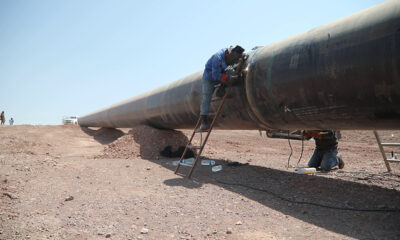
TAPI project advances in Afghanistan as 84kms of pipeline laid
-
 Regional3 days ago
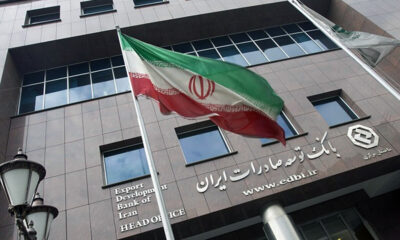
Iran banks hit by major cyber attack
-
 Latest News5 days ago
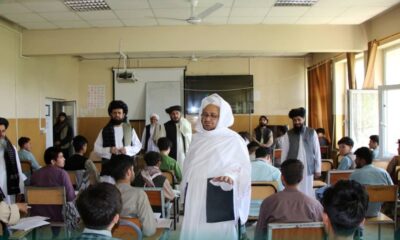
Final round of 1405 Kankor exam concludes in Afghanistan
-
 Latest News4 days ago
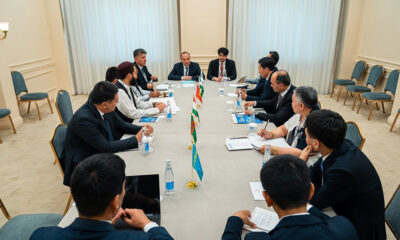
Central Asia–Afghanistan dialogue underscores regional connectivity and stability
-

 Business5 days ago
New Kabul city project faces delays as officials call for greater oversight
-
 Latest News3 days ago
Afghan officials press Chinese delegation on Mes Aynak mining project
-

 International Sports2 days ago
World Cup 2026: Havertz, Ayari and Balogun lead Golden Boot standings
-
 Latest News3 days ago
WFP navigates complex route to deliver emergency food aid to Afghan schoolchildren