
Latest News
Tanker Blast Injures At least One Person in Nangarhar

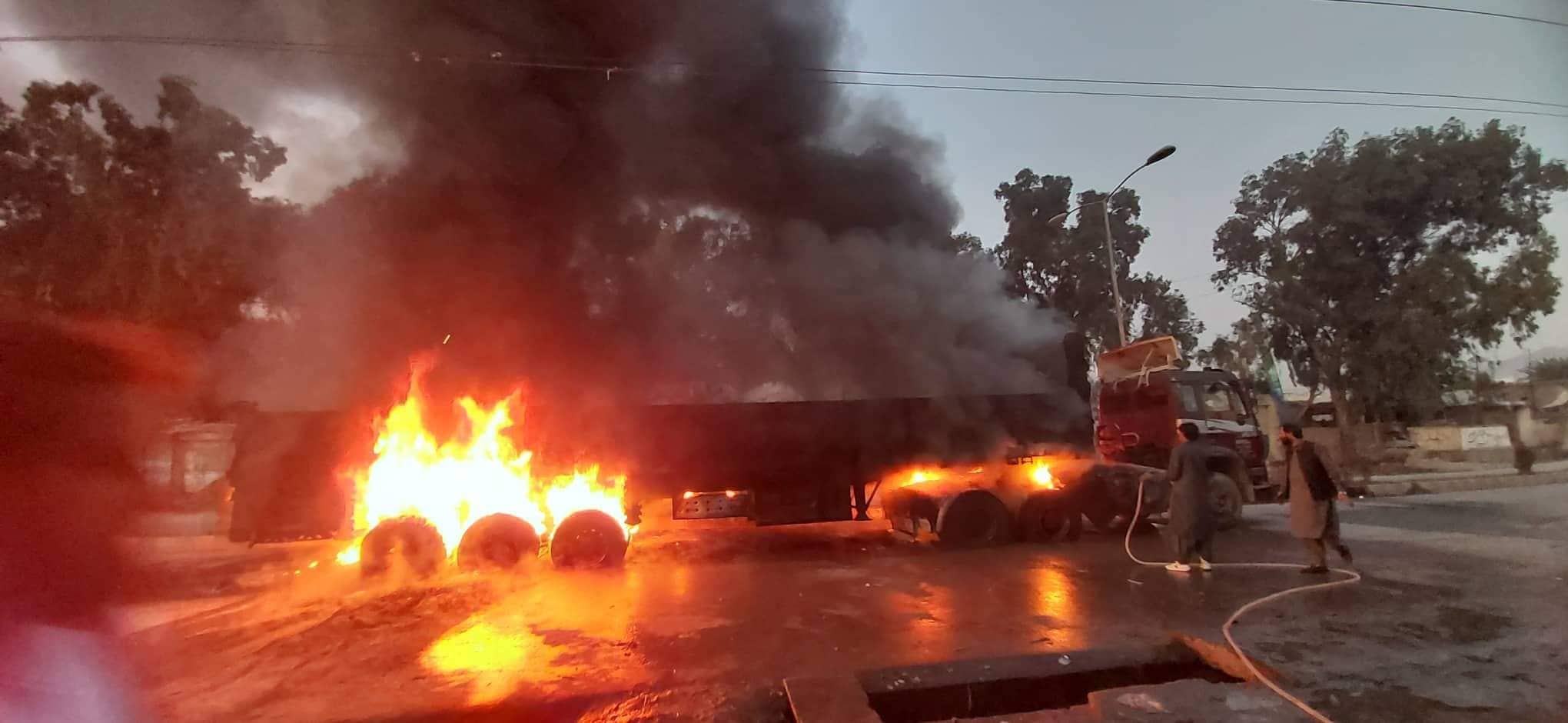

A tanker caught fire after a magnetic bomb attached to it was detonated in the capital of Nangarhar Province late on Saturday afternoon, an official said.
The Provincial Governor spokesman Ataullah Khogyani told Ariana News that the incident took place in the PD7 area of Jalalabad City.
Khogyani said initial reports suggest that one person was wounded in the blast. He said the tanker was completely burned as a result of the fire.
There was no claim of responsibility for the explosion.
Nangarhar is among the most volatile provinces in east Afghanistan, where insurgent groups are actively operating in a number of its districts. Last week officials confirmed that Islamic State-Khorasan, also known as Daesh, has been eradicated in the province, following months of fighting.
By Hesamuddin Hesam






Latest News
Fighting along Durand Line leaves thousands of Afghan children without access to education
Local authorities report that some schools remain closed due to ongoing insecurity and overcrowding in refugee settlements.
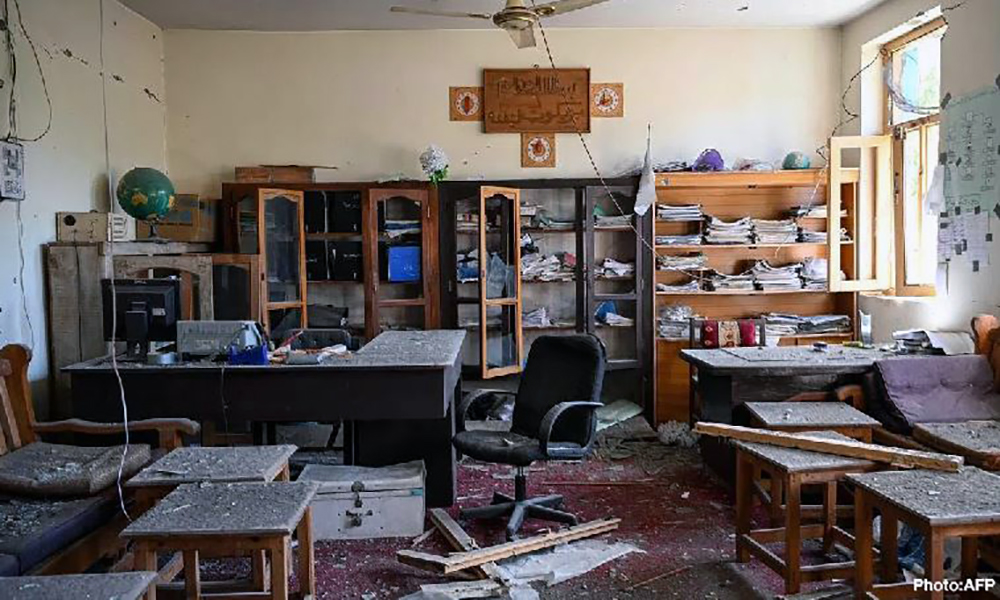
Recent clashes along the Durand Line between Afghanistan and Pakistan have left thousands of Afghan children without access to education, according to an AFP report. The violent conflict, particularly in northeastern Afghanistan, has not only displaced families but also caused significant damage to educational infrastructure, with several schools reportedly destroyed in the fighting.
In the village of Barikot in Kunar province, schools were directly hit by shelling, leading to the destruction of classrooms and forcing many residents to flee. Witnesses described seeing school facilities, including books, laboratories, and classroom equipment, severely damaged and rendered unusable. “This is the school where I studied. I feel very sad,” one local resident told AFP, reflecting the deep emotional toll the destruction has had on the community.
The UN Office for the Coordination of Humanitarian Affairs (OCHA) highlighted that at least 22 schools in northeastern Afghanistan are urgently in need of reconstruction. Around 12,000 students have been left without education due to the ongoing conflict, further exacerbating the challenges faced by families in the region.
The report also pointed out that over 94,000 people have been displaced as a result of the clashes, with many now living in temporary camps under dire conditions. Humanitarian organizations are warning of the urgent need for shelter, clean water, healthcare, and educational support to address the growing crisis.
Local authorities report that some schools remain closed due to ongoing insecurity and overcrowding in refugee settlements. Efforts are being made to relocate displaced families to more organized camps, but the overall humanitarian situation remains precarious.
As the conflict continues to impact both the daily lives and futures of those in the affected areas, residents are expressing concern over the long-term impact on education. With children living in harsh conditions in makeshift camps, many fear that the disruption to schooling will have lasting effects on the region’s future.
Latest News
Pentagon panel completes key phase of Afghanistan withdrawal review, vows full accounting
A final report is expected to be presented to the Defense Secretary and released publicly in the coming months.
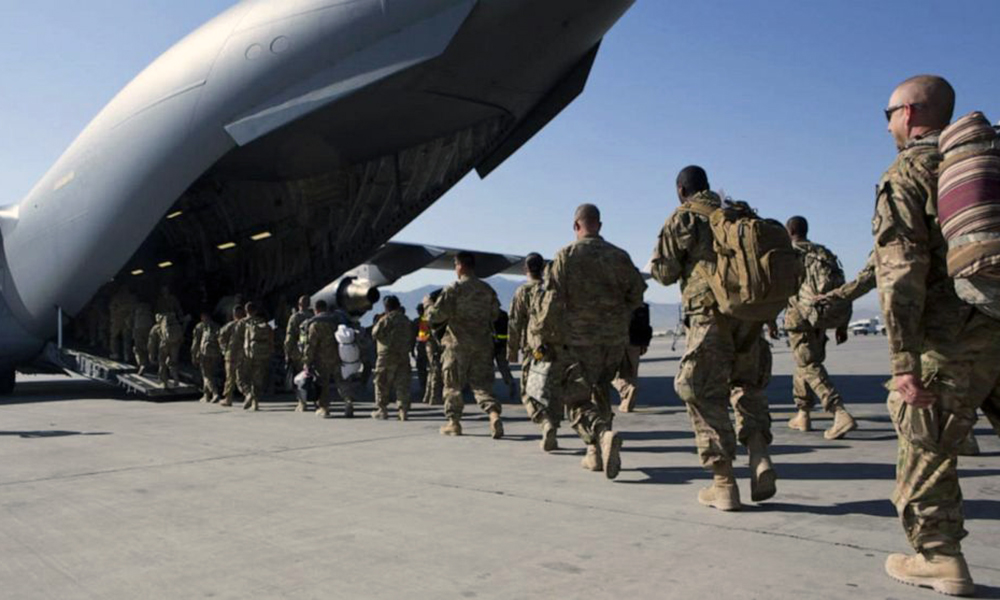
The United States Department of Defense said a special review panel examining the 2021 Afghanistan withdrawal has completed a major phase of its work, including extensive interviews with senior military and civilian leaders.
In a statement, the department said the Afghanistan Withdrawal Special Review Panel—chaired by Sean Parnell—has concluded the substantive portion of its interviews as part of what officials describe as one of the most comprehensive after-action military reviews in modern history.
According to the department, the panel was established by Defense Secretary Pete Hegseth at the direction of Donald Trump. Its mandate is to conduct a full-scale examination of the planning and execution of the U.S. withdrawal from Afghanistan in August 2021.
Officials said the panel interviewed a wide range of key figures involved in the withdrawal, including senior military leaders such as Mark A. Milley, Kenneth F. McKenzie Jr., and Austin S. Miller.
In addition to interviews, the panel has reviewed more than nine million documents gathered from multiple U.S. government agencies and prior Defense Department efforts. The department noted this far exceeds the scope of an earlier review conducted under former Defense Secretary Lloyd Austin, which examined roughly 3,000 documents.
“The Secretary Austin-led effort was significantly narrower in scope and over-classified at the highest levels, limiting public access to critical information,” the statement said.
The Defense Department said the ongoing review aims to deliver the most transparent and comprehensive account to date of the events surrounding the withdrawal, including identifying systemic, institutional, and leadership failures that contributed to the collapse of the former Afghan government.
“Our purpose is to ensure that such a tragedy is never repeated,” the statement said, emphasizing accountability to the American public as a central objective.
The department added that the panel is now working to integrate its findings, cross-reference previous reviews, and finalize recommendations. A final report is expected to be presented to the Defense Secretary and released publicly in the coming months.
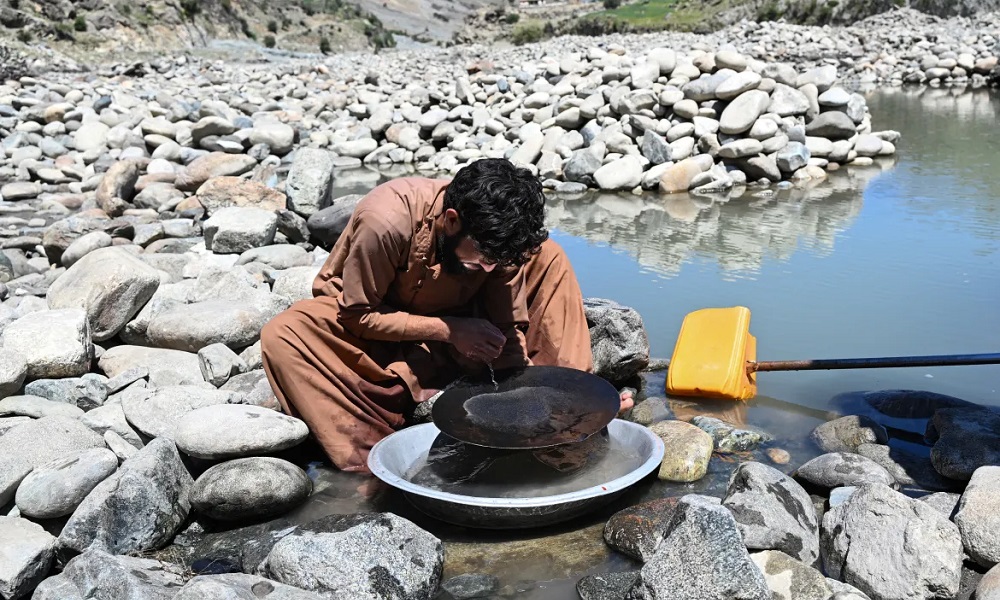
Hundreds of men in eastern Afghanistan are scouring riverbeds for tiny flecks of gold as they seek alternative sources of income in a country with limited employment opportunities, according to recent reports.
In Kunar province, along the rugged slopes of the Hindu Kush near Pakistan, groups of workers dig into the rocky bed of the Kunar River, sifting through stones and sediment in search of gold dust.
The labour-intensive process involves excavating rocks from dry sections of the riverbed and washing them with water to separate out potential gold particles. In some areas, men carry heavy sacks of material down steep slopes before filtering it through sieves and pans.
For many, the work is driven by economic necessity. One miner, a father of eight who left construction work in Kabul, said the lack of job opportunities had forced him to find income wherever possible.
Despite the effort, returns are modest. Gold pieces are often “smaller than a grain of wheat,” though some workers report finding up to one gram in a week, which can fetch around 8,000 Afghanis (about $125).
Gold panning in the region has been practiced for more than a decade, with techniques passed on from miners in other parts of the country. Local officials estimate that thousands of people are now engaged in the activity, which is permitted when done using traditional methods.
Authorities have, however, faced pressure from residents to curb the use of heavy machinery in mining, citing concerns about environmental damage to rivers and surrounding mountains.
Afghanistan’s mineral resources have long been underdeveloped due to decades of conflict, but interest in the sector has grown in recent years, with authorities promoting mining as a potential driver of economic activity.


Fighting along Durand Line leaves thousands of Afghan children without access to education

Uzbekistan launches exchange-based trade system with Afghanistan to boost bilateral commerce

Pentagon panel completes key phase of Afghanistan withdrawal review, vows full accounting

China steps up Iran diplomacy while seeking smooth summit with Trump

Trump says he may go to Islamabad if Iran deal reached

IEA supreme leader orders replacement of foreign terminology in official documents

Russia deems US military presence in Afghanistan unacceptable

Afghanistan hosts inaugural Afghanistan–Central Asia Consultative Dialogue to strengthen regional cooperation

TAPI gas pipeline advances 25 km in Afghanistan

Afghani strengthens nearly 10% against US dollar amid banking sector reforms

Tahawol: Russia’s readiness to mediate between Kabul-Islamabad discussed

Saar: Pakistan Army Chief’s trip to Iran discussed

Tahawol: Cooperation between Afghanistan and Central Asia discussed

Saar: Calls for recognition of IEA discussed

Tahawol: Calls to strengthen Afghanistan’s border security
-
 Latest News4 days ago
China establishes new Xinjiang county near sensitive border region
-
 Latest News5 days ago
UN warns of critical funding shortfall for humanitarian aid in Afghanistan
-
 Latest News3 days ago
Pakistan urged to halt deportation of Afghan refugees as concerns mount
-
 Latest News5 days ago
Global outrage triggered after deadly attack on civilians in Herat
-
 Latest News5 days ago
IEA FM calls Kabul-Pakistan talks ‘positive’ in meeting with Turkish envoy
-
 Business3 days ago
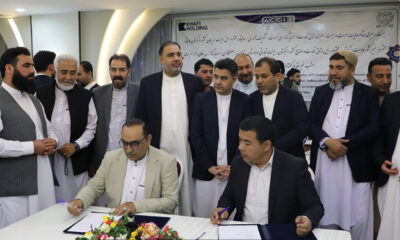
Afghanistan, Uzbekistan strengthen ties with $524 million in trade deals
-

 International Sports4 days ago
RCB, Gujarat Titans secure wins in Sunday IPL double-header
-
 Regional4 days ago
US military says it will start blockade of all ships going to and from Iran on Monday