
World
Biden, Kadhimi seal agreement to end U.S. combat mission in Iraq

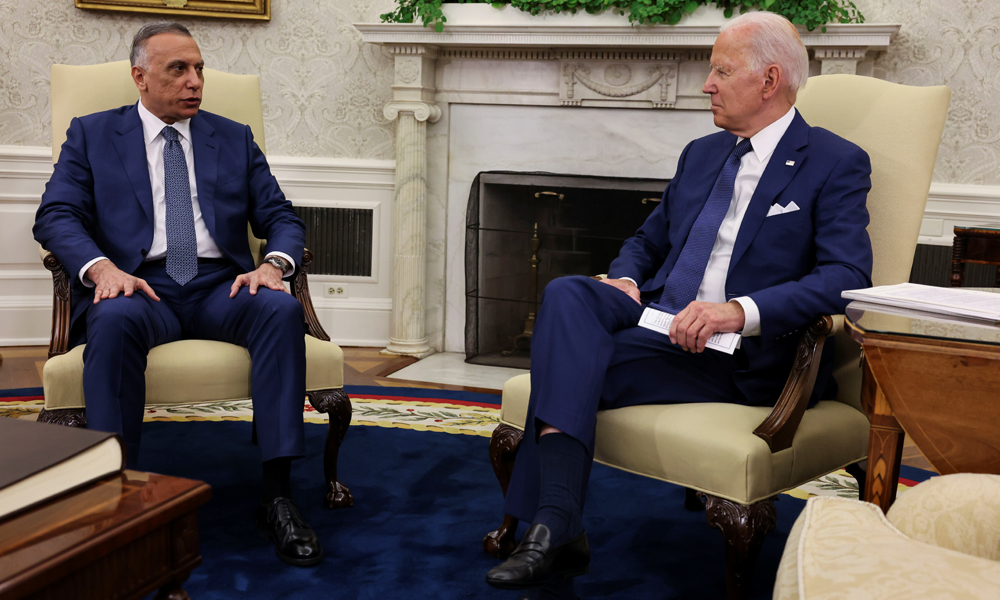
U.S. President Joe Biden and Iraqi Prime Minister Mustafa al-Kadhimi sealed an agreement on Monday formally ending the U.S. combat mission in Iraq by the end of 2021, but U.S. forces will still operate there in an advisory role.
The agreement comes at a politically delicate time for the Iraqi government and could be a boost for Baghdad.
Kadhimi has faced increasing pressure from Iran-aligned parties and paramilitary groups who oppose the U.S. military role in the country.
Biden and Kadhimi met in the Oval Office for their first face-to-face talks as part of a strategic dialogue between the United States and Iraq.
“Our role in Iraq will be … to be available, to continue to train, to assist, to help and to deal with ISIS as it arises, but we’re not going to be, by the end of the year, in a combat mission,” Biden told reporters as he and Kadhimi met.
There are currently 2,500 U.S. troops in Iraq focusing on countering the remnants of Islamic State. The U.S. role in Iraq will shift entirely to training and advising the Iraqi military to defend itself.
The shift is not expected to have a major operational impact since the United States has already moved toward focusing on training Iraqi forces.
Still, for Biden, the deal to end the combat mission in Iraq follows decisions to carry out an unconditional withdrawal from Afghanistan and wrap up the U.S. military mission there by the end of August.
Together with his agreement on Iraq, the Democratic president is moving to formally complete U.S. combat missions in the two wars that then-President George W. Bush began under his watch nearly two decades ago.
A U.S.-led coalition invaded Iraq in March 2003 based on charges that then-Iraqi leader Saddam Hussein’s government possessed weapons of mass destruction. Saddam was ousted from power, but such weapons were never found.
In recent years, the U.S. mission was focused on helping defeat Islamic State militants in Iraq and Syria.
“Nobody is going to declare mission accomplished. The goal is the enduring defeat of ISIS,” a senior administration official told reporters ahead of Kadhimi’s visit.
The reference was reminiscent of the large “Mission Accomplished” banner on the USS Abraham Lincoln aircraft carrier above where Bush gave a speech declaring major combat operations over in Iraq on May 1, 2003.
“If you look to where we were, where we had Apache helicopters in combat, when we had U.S. special forces doing regular operations, it’s a significant evolution. So by the end of the year we think we’ll be in a good place to really formally move into an advisory and capacity-building role,” the official said.
U.S. diplomats and troops in Iraq and Syria were targeted in three rocket and drone attacks earlier this month. Analysts believed the attacks were part of a campaign by Iranian-backed militias.
The senior administration official would not say how many U.S. troops would remain on the ground in Iraq for advising and training. Kadhimi also declined to speculate about a future U.S. drawdown, saying troop levels would be determined by technical reviews.
Kadhimi, who is seen as friendly to the United States, has tried to check the power of Iran-aligned militias. But his government condemned U.S. air strikes against Iran-aligned fighters along its border with Syria in late June, calling it a violation of Iraqi sovereignty. read more
In remarks to a small group of reporters after the talks, Kadhimi stressed that his government was responsible for responding to such attacks. He acknowledged that he had reached out to Tehran to address them.
“We speak to Iranians and others in an attempt to put a limit to these attacks, which are undermining Iraq and its role,” he said.
The United States plans to provide Iraq with 500,000 doses of the Pfizer/BioNTech (PFE.N), COVID-19 vaccine under the global COVAX vaccine-sharing program. Biden said the doses should arrive in a couple of weeks.
The United States will also provide $5.2 million to help fund a U.N. mission to monitor October elections in Iraq.
“We’re looking forward to seeing an election in October,” said Biden.






World
Trump declares Iran ceasefire extension with peace talks in doubt
The U.S. and Israel began the war on February 28 with aerial bombardments of Iran.
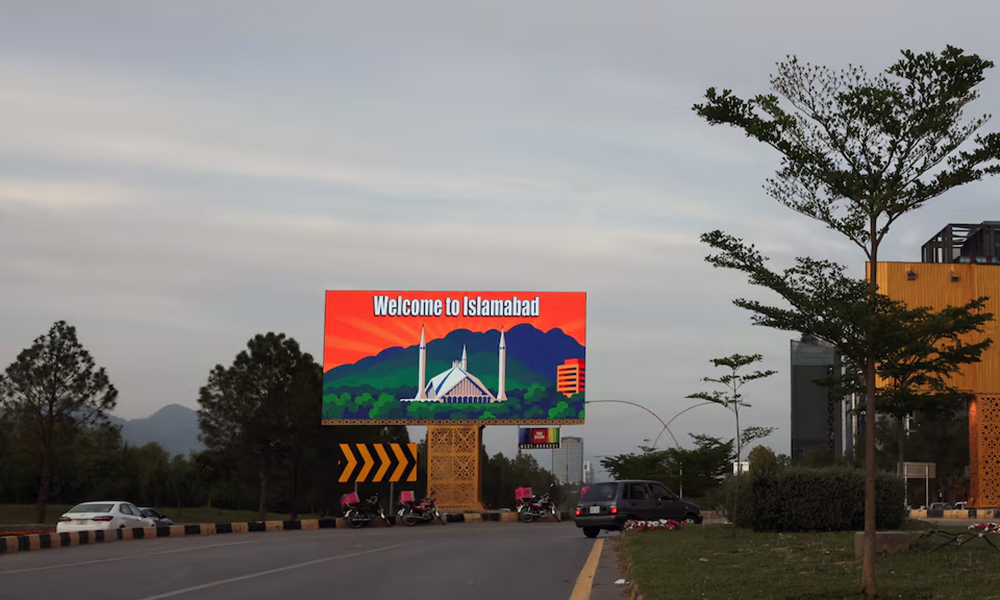
U.S. President Donald Trump said he would indefinitely extend the ceasefire with Iran to allow for further peace talks, although it was not clear on Wednesday if Iran or Israel, the U.S. ally in the two-month war, would agree, Reuters reported.
Trump said in a statement on social media the U.S. had agreed to a request by Pakistani mediators “to hold our Attack on the Country of Iran until such time as their leaders and representatives can come up with a unified proposal … and discussions are concluded, one way or the other.”
Pakistan’s leaders have hosted peace talks in Islamabad to end a war that has killed thousands of people and shaken the global economy.
But even as he announced what appeared to be a unilateral ceasefire extension, Trump also said he would continue the U.S. Navy’s blockade of Iran’s trade by sea, considered an act of war by Iran.
There was no response early on Wednesday to Trump’s announcement from senior Iranian officials, although some initial reactions from Tehran suggested Trump’s comments were being treated skeptically.
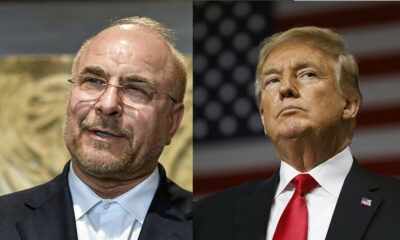
Tasnim News Agency, affiliated with the Islamic Revolutionary Guards Corps, said Iran had not asked for a ceasefire extension and repeated threats to break the U.S. blockade by force. An adviser to Iran’s lead negotiator, the speaker of parliament Mohammad Baqer Qalibaf, said Trump’s announcement carried little weight and may be a ploy.
Trump’s wartime rhetoric has veered between extremes. In an expletive-filled threat against Iran only two weeks ago he promised that a “whole civilization will die tonight”, while at other times he has appeared keen to end the violence and market uncertainty, read the report.
With his announcement, Trump again pulled back at the last moment from his threats to bomb Iran’s power plants and bridges. United Nations Secretary General António Guterres and others have condemned those threats, noting international humanitarian law forbids attacks targeting civilians and civilian infrastructure.
The U.S. and Israel began the war on February 28 with aerial bombardments of Iran. The conflict quickly spread to Gulf states that host U.S. military bases and to Lebanon once the Iran-allied militant group Hezbollah joined the fighting.
Israeli Prime Minister Benjamin Netanyahu has for decades sought to oust Iran’s leadership, but Trump has given shifting and sometimes contradictory rationales for joining Israel to launch the war and how he foresees it ending, stirring confusion in global markets.
U.S. stock futures rose, the dollar wavered and oil prices turned lower on Wednesday after Trump’s announcement.
More than 5,000 civilians have been killed across the region and hundreds of thousands displaced so far, mostly in Iran and Lebanon, and the war has led to the virtual closure of the Strait of Hormuz, a vital chokepoint in global energy markets between Iran and Oman, sending oil prices soaring and fears that the global economy could enter a recession.
Iran has repeatedly exploited its ability to control the passage of oil tankers and other ships in the strait in response to U.S. and Israeli attacks.
Trump said in his statement he was willing to extend the ceasefire because “the Government of Iran is seriously fractured, not unexpectedly so,” a reference to U.S.-Israeli assassinations of some of the country’s leaders in the war’s first weeks, including the late Supreme Leader Ayatollah Ali Khamenei, who has been succeeded by his son, Reuters reported.
A few hours before his announcement, Trump had told the CNBC news channel that he was not inclined to continue the temporary truce and the U.S. military was “raring to go.”
Those comments came as tentatively scheduled peace talks in Islamabad seemed on the verge of falling apart: U.S. Vice President JD Vance, whose presence has been requested by the Iranians, had planned to return to Pakistan on Tuesday but a White House official said he had not yet departed Washington and was taking part in additional policy meetings.
Before Trump’s latest announcement, a senior Iranian official told Reuters that Iran’s negotiators had been willing to attend another round of talks if the U.S. abandoned a policy of pressure and threats, and rejected negotiations aimed at surrender.
Iran has condemned the U.S. Navy intercepting and seizing two commercial Iranian ships at sea as part of its blockade, the second earlier on Tuesday, with its foreign ministry accusing the U.S. of “piracy at sea and state terrorism.” The U.S., joined by multiple other countries, has condemned Iran for impeding freedom of navigation in the Strait of Hormuz.
Hours after extending the ceasefire, Trump doubled down on the U.S. blockade, saying in a social media post that lifting it would undermine any chance of a peace deal “unless we blow up the rest of their Country, their leaders included.”
A first session of talks 10 days ago produced no agreement, with much of the focus on Iran’s stockpiles of highly enriched uranium, read the report.
Trump wants to take the uranium out of Iran in order to prevent the country from enriching it further to the point where it could develop a nuclear weapon. Iran says it has only a peaceful civilian nuclear program and a sovereign right to continue that as a signatory of the nuclear weapons non-proliferation treaty.
World
Trump: New deal with Iran will be better than old one
With a two-week ceasefire set to expire in the coming days, prospects for a second round of talks between the U.S. and Iran in Pakistan were not clear.
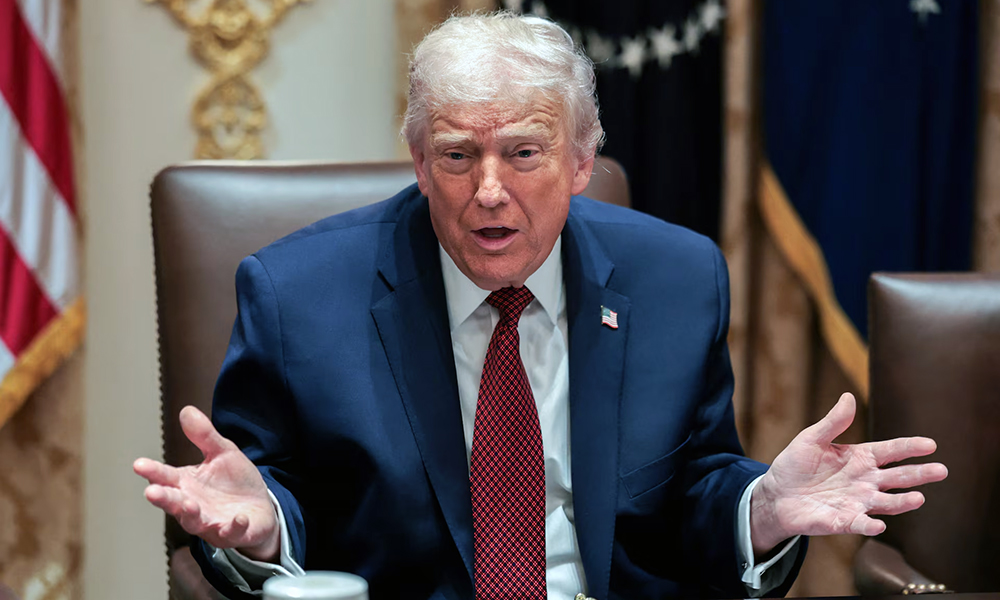
President Donald Trump said on Monday he believed a nuclear deal the U.S. is currently negotiating with Iranwill be better than a 2015 international agreement to curb Tehran’s nuclear program, Reuters reported.
“The DEAL that we are making with Iran will be FAR BETTER than the JCPOA, commonly referred to as ‘The Iran Nuclear Deal’,” Trump wrote in a social media post after concerns expressed by Democrats and some nuclear experts that he is rushing negotiations on a highly complex topic.
During his first White House term, Trump in 2018 withdrew from the Joint Comprehensive Plan of Action agreed to by Iran, the United States and world powers, calling it “the worst deal ever.”
The United States and Israel began attacking Iran more than seven weeks ago in a conflict that Trump has said aims to prevent Iran from getting a nuclear weapon.
With a two-week ceasefire set to expire in the coming days, prospects for a second round of talks between the U.S. and Iran in Pakistan were not clear, read the report.
“I am under no pressure whatsoever, although, it will all happen, relatively quickly!” Trump added in a Truth Social post.
It is currently unclear what kind of deal could be credibly agreed to by the United States and Iran in a short amount of time. The 2015 agreement, which also involved France, Germany, China, Britain and Russia, took two years to negotiate and involved some 200 specialists spanning nuclear physics, sanctions, finance and law.
World
UAE seeks US financial backstop amid Iran war fallout, warns of possible shift from dollar
Emirati officials indicated that while the UAE has so far avoided the most severe economic impacts of the conflict, it may require financial support if conditions worsen.

The United Arab Emirates has held discussions with the United States over securing a potential financial backstop as the fallout from the Iran conflict threatens to strain its economy, according to a report by The Wall Street Journal.
Citing U.S. officials, the report said the idea of support measures — including a possible currency swap arrangement — was raised by UAE Central Bank Governor Khaled Mohamed Balama during meetings in Washington with Treasury Secretary Scott Bessent, as well as officials from the Treasury and the Federal Reserve.
Emirati officials indicated that while the UAE has so far avoided the most severe economic impacts of the conflict, it may require financial support if conditions worsen. They also signalled that tighter dollar liquidity could push the country to use alternative currencies, including the Chinese yuan, for oil sales and other transactions.
Oil disruption and capital risks
The talks come as the conflict has disrupted key sectors of the UAE economy. Damage to energy infrastructure and restrictions on tanker traffic through the Strait of Hormuz have affected a major source of dollar-denominated revenue.
Officials cited in the report also pointed to rising risks of capital flight and market volatility, potentially challenging the UAE’s role as a regional financial hub.
The Emirati dirham remains pegged to the U.S. dollar and is supported by foreign currency reserves estimated at around $270 billion. However, analysts say the conflict has increased pressure through capital outflows and broader economic disruption.
US cautious on swap arrangements
Currency swap lines, typically managed by the Federal Reserve, are extended selectively during periods of financial stress. The Fed maintains standing arrangements with major economies including the UK, Japan, Canada, Switzerland and the euro area.
According to the report, U.S. officials said the Federal Open Market Committee is unlikely to approve a swap line for the UAE, citing relatively limited financial integration with U.S. markets.
During previous crises — including the 2008 global financial crisis and the COVID-19 pandemic — the Federal Reserve expanded swap facilities to stabilise global dollar funding markets. The U.S. Treasury has also provided alternative support in some cases, including a $20 billion swap arrangement for Argentina through the Exchange Stabilization Fund last year.
Regional impact and financial measures
The discussions follow a period of intense hostilities before a ceasefire took effect on April 17. UAE authorities said Iran launched more than 2,800 drones and missiles during the conflict, most of which were intercepted.
The disruption to oil flows forms part of a broader regional shock, which the International Energy Agency has described as one of the most severe supply disruptions on record.
Gulf states have moved to bolster liquidity in response. Abu Dhabi raised around $4 billion through private placements earlier this month, while Bahrain established an estimated $5 billion swap line with the UAE to support financial stability, the WSJ reported.
Outlook and policy considerations
A recent report by S&P Global said the UAE’s strong fiscal and external buffers should help absorb economic shocks, but warned that prolonged disruption to oil exports and infrastructure damage could weigh on the outlook.
The UAE has also considered measures such as freezing Iranian assets held within the country, a step that could further affect trade and financial flows.
Finance ministers and central bankers attending meetings of the International Monetary Fund and the World Bank in Washington said recovery is unlikely to be immediate. Saudi Finance Minister Mohammed Al-Jadaan noted that logistical disruptions to oil shipments could persist for weeks even after hostilities subside.
U.S. Treasury officials have also asked Gulf countries to outline reconstruction and financing needs, signalling readiness to provide support if required.


Tahawol: Ceasefire extension between US and Iran discussed

Saar: Rising arbitrary arrests of Afghan refugees in Pakistan discussed

IEA ambassador, Khyber Pakhtunkhwa chief minister discuss Afghan refugee situation

Public Health Minister, WHO envoy discuss healthcare services in Afghanistan

IPL 2026: Sunrisers dominate Delhi Capital with record-breaking batsmen show

IEA supreme leader orders replacement of foreign terminology in official documents

Russia deems US military presence in Afghanistan unacceptable

Afghanistan hosts inaugural Afghanistan–Central Asia Consultative Dialogue to strengthen regional cooperation

TAPI gas pipeline advances 25 km in Afghanistan

Russia backs Uzbekistan–Afghanistan trade hub, praises regional economic cooperation
Tahawol: Ceasefire extension between US and Iran discussed
Saar: Rising arbitrary arrests of Afghan refugees in Pakistan discussed

Tahawol: Russia’s Security Concerns Over Afghanistan discussed

Saar: Islamic Emirate delegation’s visit to Brussels discussed

Tahawol: Pakistan’s failed efforts to impose war in Afghanistan discussed
-

 Latest News4 days ago
Afghanistan launches media platform to improve access to information
-
 Latest News3 days ago
Afghanistan, Belarus hold talks on fuel imports
-
 Latest News5 days ago
Afghanistan to airlift 30,000 pilgrims to Saudi Arabia in 96 flights for Hajj 2026
-
 Regional5 days ago
Ships crossing Hormuz need OK from IRGC, unfreezing funds part of deal, Iran official says
-
 Business5 days ago
Afghan commerce minister highlights trade trust and market stability at Antalya Forum
-
 Latest News5 days ago
Afghanistan and Russia discuss expansion of banking cooperation in Moscow meeting
-

 World3 days ago
UAE seeks US financial backstop amid Iran war fallout, warns of possible shift from dollar
-
 World5 days ago
Ghalibaf accuses Donald Trump of ‘false claims’, warns on Strait of Hormuz