
Latest News
Ban on opium cultivation in Afghanistan cost farmers $1.3 billion

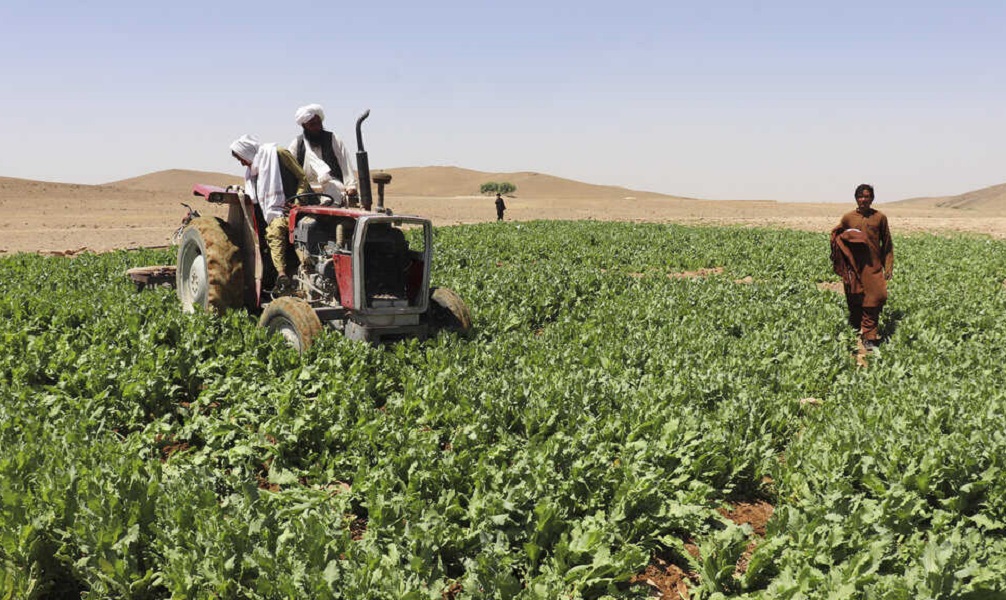
The ban on opium cultivation precipitated a staggering $1.3 billion loss in farmers’ incomes, equivalent to approximately 8 percent of the country’s GDP, the World Bank said in a new report.
The bank said that over the past two fiscal years, the real GDP of Afghanistan contracted by 26 percent, and the country’s economic outlook remains uncertain, with the threat of stagnation looming large until at least 2025.
According to the report, structural deficiencies in the private sector and waning international support for essential services are anticipated to impede any semblance of economic progress.
Half of Afghanistan’s population lives in poverty and 15 million people face food insecurity, it noted.
“Afghanistan’s long-term growth prospects depend on a significant shift from its previous reliance on consumption-driven growth and international aid to a more resilient, private sector-led economy that capitalizes on the country’s strengths,” said Melinda Good, World Bank Country Director for Afghanistan.
“For a sustainable future, Afghanistan needs to address harmful gender policies, invest in health and education, and focus on the comparative advantages it has in the agricultural and extractive sectors.”
The World Bank pointed out that the increase in Afghanistan’s trade deficit is another challenge for the country’s economy. According to the bank’s report, in 2023, Afghanistan’s imports increased by 23% and reached $7.8 billion.

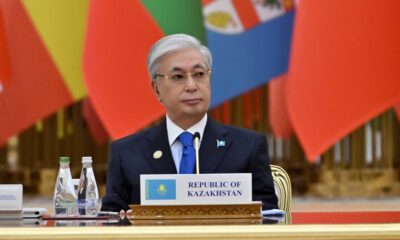


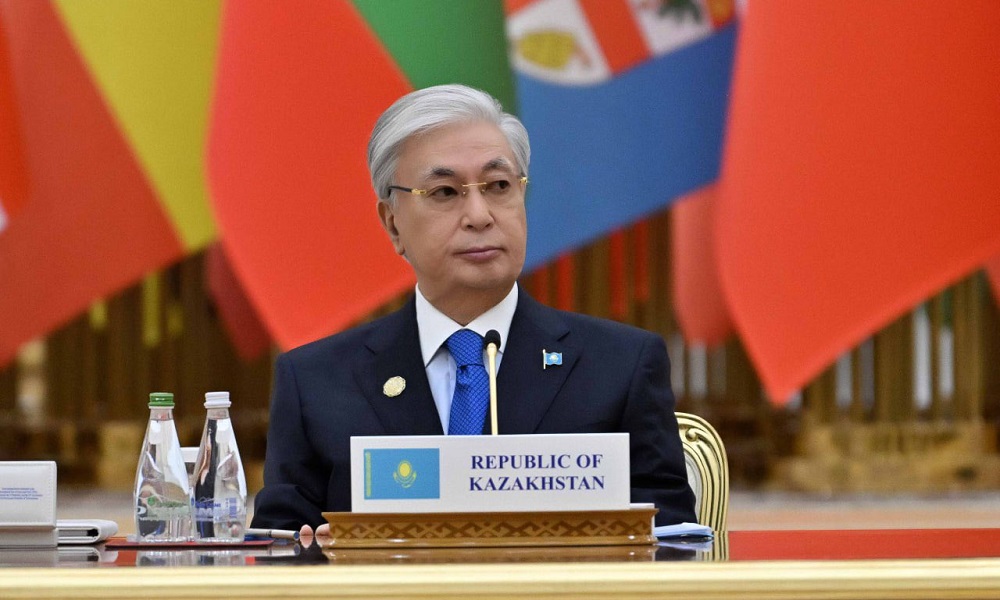
Kazakhstan’s President Kassym-Jomart Tokayev has emphasized the continuation of humanitarian assistance to Afghanistan, stating that the ongoing provision of such aid plays an important role in ensuring regional security.
Speaking at the international conference “Peace and Trust” in Ashgabat, the capital of Turkmenistan, Tokayev described addressing complex humanitarian challenges and the reconstruction of Afghanistan as a necessity.
“To ensure regional security, we consider it essential to continue providing assistance to Afghanistan, including by strengthening international efforts to address complex humanitarian issues and the reconstruction of this country. Kazakhstan remains committed to supporting the people of Afghanistan through humanitarian aid, educational projects, trade development, and food security initiatives,” he said.
Meanwhile, experts believe that sustainable improvement of the humanitarian situation in Afghanistan requires broad cooperation from the international community and support for the country’s economic development.
“Investment can be defined as one of the fundamental drivers of the economic cycle, and whenever Afghan traders do not take their money out of the country and instead invest domestically, it naturally leads to greater growth and dynamism in Afghanistan’s economy,” said Abdul Zahoor Modabber, an economic analyst.
As the humanitarian crisis in Afghanistan continues, reports by international relief organizations indicate that millions of citizens of the country are in urgent need of food, health, and livelihood assistance.
The reduction in funding for aid organizations, the impacts of climate change, and the return of migrants have increased concerns about a further deterioration of the humanitarian situation in the country.
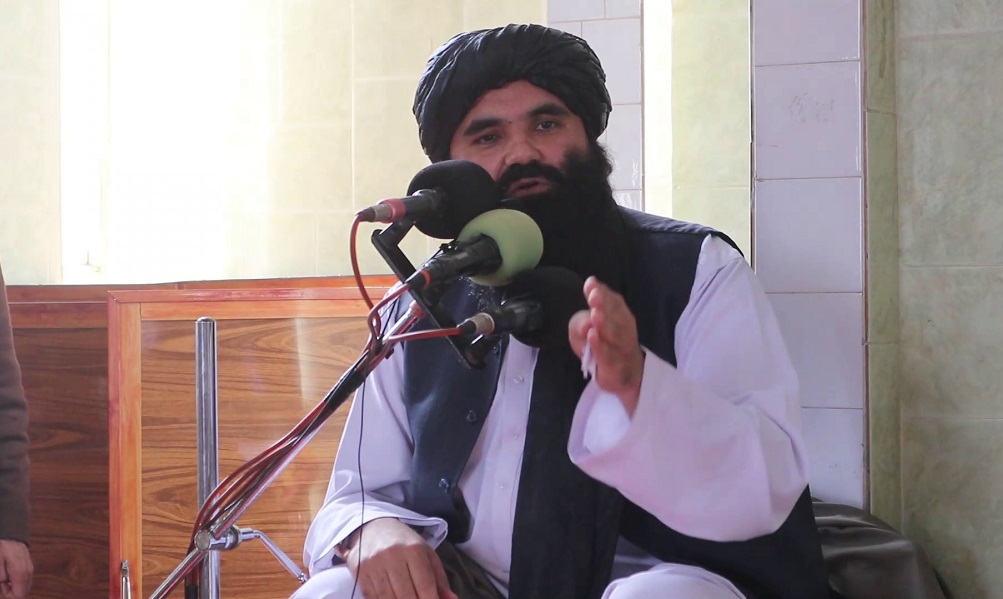
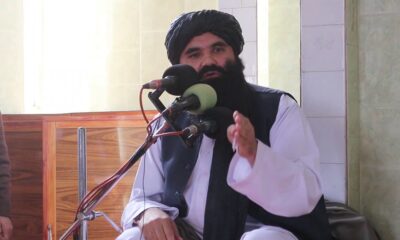
Khalifa Sirajuddin Haqqani, Minister of Interior of the Islamic Emirate of Afghanistan, said during a visit to Khost province on Friday that any government which rules through fear cannot be considered a true government.
“A government is one that is loved by its people, one that serves them with respect and compassion, and from whose behavior people learn ethics and sincerity,” he said.
Haqqani also stressed that Afghans who opposed the Islamic Emirate in the past should be tolerated and treated in a way that helps eliminate hostility and animosity, paving the way for national cohesion.


Continued aid to Afghanistan vital for regional security: Kazakh president

Islamic Emirate declines to attend Tehran meeting on Afghanistan

Sirajuddin Haqqani: A government that intimidates its people is not a true government

Afghanistan’s health minister likely to visit India next week

Top Pakistani, British officials discuss Afghan relocation

Pakistan will lose big market in both Afghanistan, Central Asia: Sarhadi

Afghanistan records $580m in fruit exports in six months

Tashkent: Central Asian leaders say regional stability hinges on Afghanistan

Afghan Abdalyan beat Sri Lanka A by 3 wickets in Rising Stars Asia Cup opener

Afghanistan U19 cricket team defeats India A U19

Saar: Calls to avoid using Afghan soil against nations

Tahawol: UNSC meeting outcome regarding Afghanistan discussed

Saar: Ongoing Kabul–Islamabad tensions discussed

Tahawol: Pakistan’s warning on Afghanistan reiterated

Saar: UN’s meeting on Afghanistan reviewed
-

 Sport4 days ago
ILT20: Desert Vipers edge Gulf Giants in historic super over thriller
-

 Latest News2 days ago
Muttaqi: Afghanistan’s progress requires both religious and modern education
-

 Regional4 days ago
Six Pakistani soldiers killed in TTP attack in Kurram District
-

 Business4 days ago
Trade bodies warn almost 11,000 Afghan transit containers stuck at Karachi port
-
 World4 days ago
Powerful 7.6 earthquake hits northern Japan, tsunami warnings issued
-

 Latest News3 days ago
Trump calls Afghanistan a ‘hellhole’ country as US expands immigration restrictions
-

 Sport5 days ago
Sorkh Poshan Khafi defeats Sarsabz Yashlar 4-0 in Afghanistan Champions League
-

 Sport3 days ago
Commanding wins for Arman FC and Sarsabz Yashlar in Afghanistan Champions League