
Latest News
Atmar wraps up Riyadh trip, claims it was a significant success

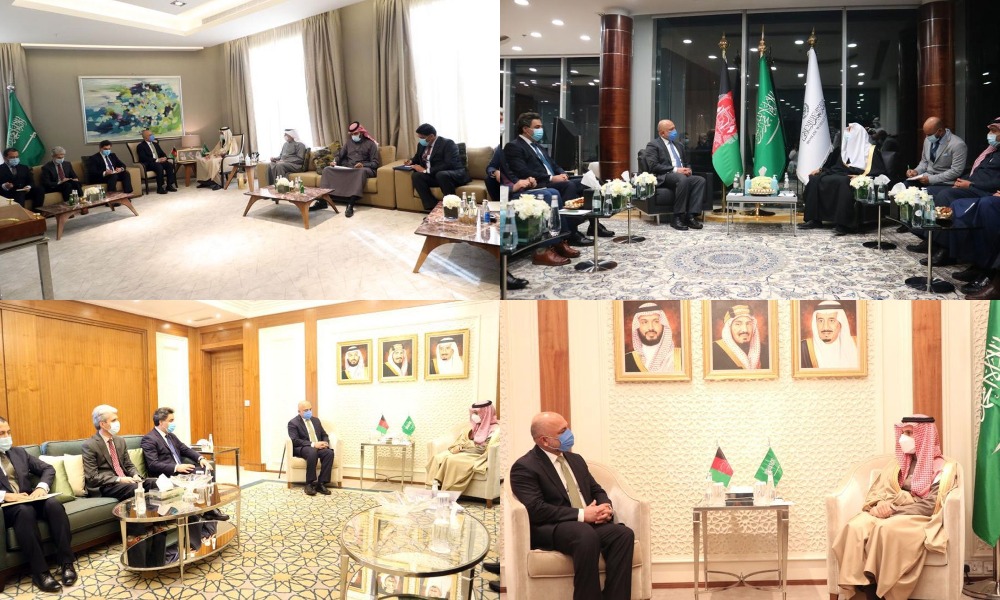
Foreign Minister Haneef Atmar has wrapped up his official visit to Saudi Arabia and reported back on a number of new developments, including Saudi’s support of a historic Muslim World League summit to end the war in Afghanistan
In his report, Atmar said: “The Muslim World League shall hold a historic international conference of leading thinkers, scholars, and muftis of the Islamic World to support the cessation of hostilities, the end of bloodshed, and the success of the Afghan peace process.
“The government of Saudi Arabia announced its support for the International Ulema Conference and the global consensus to end the war in Afghanistan.
“Mohammad bin Abdulkarim Al-Issa the Secretary-General of the Muslim World League, rejected the crimes and terrorist acts in Afghanistan from the Islamic point of view,” Atmar stated.
According to his report, the head of the Organization of Islamic Cooperation (OIC) “supported the government’s flexible stance on peace and political participation.”
In another major development, Atmar said both sides “agreed to send a technical team (from Saudi Arabia) to Afghanistan to expertly examine the investment opportunities in the mineral resources (mining sector) and assess the comparative advantages in producing and exporting agricultural and food products, and Afghanistan’s accession to regional supply and value chain.”
Atmar also stated it was agreed Riyadh would send a technical team from the Islamic Development Bank (IsDB) to examine Afghanistan’s capacities and assess possible opportunities in various sectors to allow Afghanistan to join the Member Country Partnership Strategy and enter into partnership with the IsDB.
He stated that he had signed a Memorandum of Understanding on Scientific and Educational Cooperation with the Saudi ministry of education.
As stated in his report, the MoU will increase consultations and collaboration on scholarships, teacher training, as well as specialized and vocational training programs.
“Saudi Arabia pledged to build a specialist hospital along with a medical school in Kabul.
“Both sides agreed to expedite the establishment of the International Islamic University in Nangarhar. In this regard, both decided to establish a technical group in cooperation with OIC, IsDB, and SDF to provide specialized advice and assistance in financing, design, and management of the university,” he stated.
Atmar was in Saudi Arabia from January 20 to 23 and met with various Saudi Arabian officials.
In his meeting with his Saudi counterpart it was agreed to increase contact on ongoing bilateral consultations in order to realize the vision of the two countries’ leaders to further strengthen political relations and economic cooperation, and contribute to peace and stability, Atmar stated.
Afghan and Saudi officials also agreed to finalize a mutual Comprehensive Economic Cooperation Framework involving four sectors: trade; investment; guest workers; and development cooperation.
Both sides agreed to hold semi-annual meetings at the level of the Co-Chairs of the Joint Commission to evaluate agreements and progress and they stressed the need to expand transportation lines and remove barriers around shipment of Afghanistan’s primary export goods to Saudi Arabia.
On his first day in Saudi, Atmar performed the Hajj Umrah and pilgrimage to Medina.Atmar wraps up Riyadh trip, claims it was a significant success
Foreign Minister Haneef Atmar has wrapped up his official visit to Saudi Arabia and reported back on a number of new developments, including Saudi’s support of a historic Muslim World League summit to end the war in Afghanistan
In his report, Atmar said: “The Muslim World League shall hold a historic international conference of leading thinkers, scholars, and muftis of the Islamic World to support the cessation of hostilities, the end of bloodshed, and the success of the Afghan peace process.
“The government of Saudi Arabia announced its support for the International Ulema Conference and the global consensus to end the war in Afghanistan.
“Mohammad bin Abdulkarim Al-Issa the Secretary-General of the Muslim World League, rejected the crimes and terrorist acts in Afghanistan from the Islamic point of view,” Atmar stated.
According to his report, the head of the Organization of Islamic Cooperation (OIC) “supported the government’s flexible stance on peace and political participation.”
In another major development, Atmar said both sides “agreed to send a technical team (from Saudi Arabia) to Afghanistan to expertly examine the investment opportunities in the mineral resources (mining sector) and assess the comparative advantages in producing and exporting agricultural and food products, and Afghanistan’s accession to regional supply and value chain.”
Atmar also stated it was agreed Riyadh would send a technical team from the Islamic Development Bank (IsDB) to examine Afghanistan’s capacities and assess possible opportunities in various sectors to allow Afghanistan to join the Member Country Partnership Strategy and enter into partnership with the IsDB.
He stated that he had signed a Memorandum of Understanding on Scientific and Educational Cooperation with the Saudi ministry of education.
As stated in his report, the MoU will increase consultations and collaboration on scholarships, teacher training, as well as specialized and vocational training programs.
“Saudi Arabia pledged to build a specialist hospital along with a medical school in Kabul.
“Both sides agreed to expedite the establishment of the International Islamic University in Nangarhar. In this regard, both decided to establish a technical group in cooperation with OIC, IsDB, and SDF to provide specialized advice and assistance in financing, design, and management of the university,” he stated.
Atmar was in Saudi Arabia from January 20 to 23 and met with various Saudi Arabian officials.
In his meeting with his Saudi counterpart it was agreed to increase contact on ongoing bilateral consultations in order to realize the vision of the two countries’ leaders to further strengthen political relations and economic cooperation, and contribute to peace and stability, Atmar stated.
Afghan and Saudi officials also agreed to finalize a mutual Comprehensive Economic Cooperation Framework involving four sectors: trade; investment; guest workers; and development cooperation.
Both sides agreed to hold semi-annual meetings at the level of the Co-Chairs of the Joint Commission to evaluate agreements and progress and they stressed the need to expand transportation lines and remove barriers around shipment of Afghanistan’s primary export goods to Saudi Arabia.
On his first day in Saudi, Atmar performed the Hajj Umrah and pilgrimage to Medina.

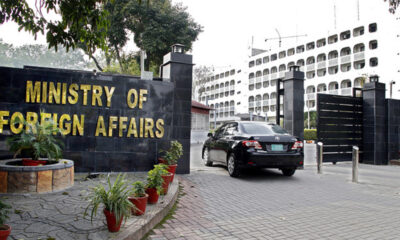



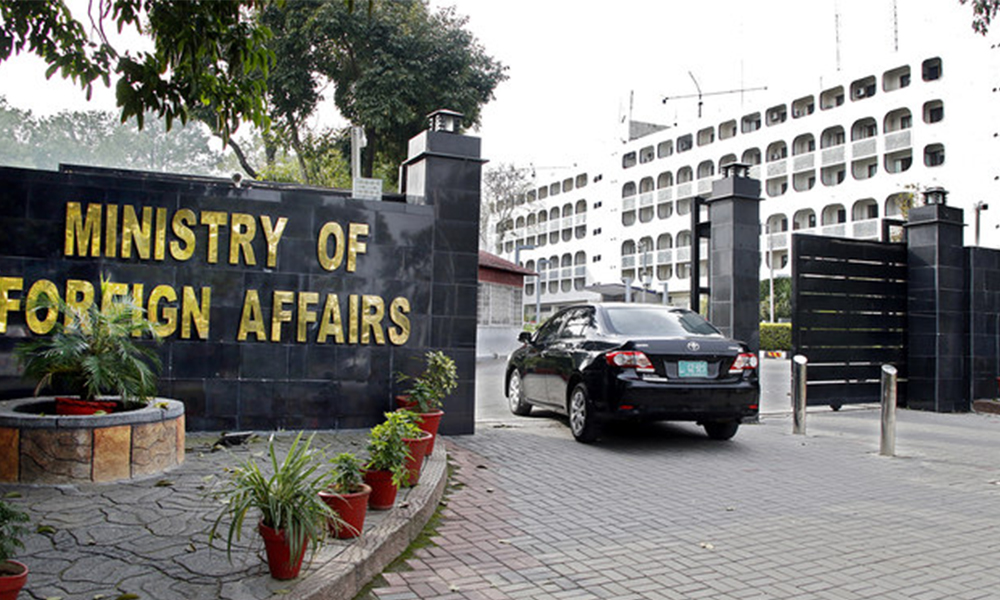
Pakistan on Friday summoned Afghan Deputy Head of Mission in Islamabad to convey “strong demarche” over a deadly attack on a military camp in North Waziristan District that killed four Pakistani soldiers.
In a statement, Pakistan’s Ministry of Foreign Affairs said the attack was carried out by a faction of Tehreek-i-Taliban Pakistan (TTP).
The statement said that Pakistan conveyed “grave concern over the continued support and facilitation” provided by the Islamic Emirate to TTP.
Pakistan has demanded “a full investigation and decisive action against the perpetrators and facilitators of the terrorist attacks launched against Pakistan from Afghan soil.”
It urged the Islamic Emirate “to take immediate, concrete and verifiable measures against all terror groups operating from its territory, including their leadership, and deny the continued use of Afghan soil for terrorism against Pakistan.
According to the statement, the Islamic Emirate has been “categorically informed that Pakistan reserves the right to defend its sovereignty and protect its citizens, and will take all necessary measures to respond to terrorism originating from Afghan soil.”
Pakistani officials have repeatedly claimed that attacks in the country are originated from Afghan soil, a charge the Islamic Emirate denies.
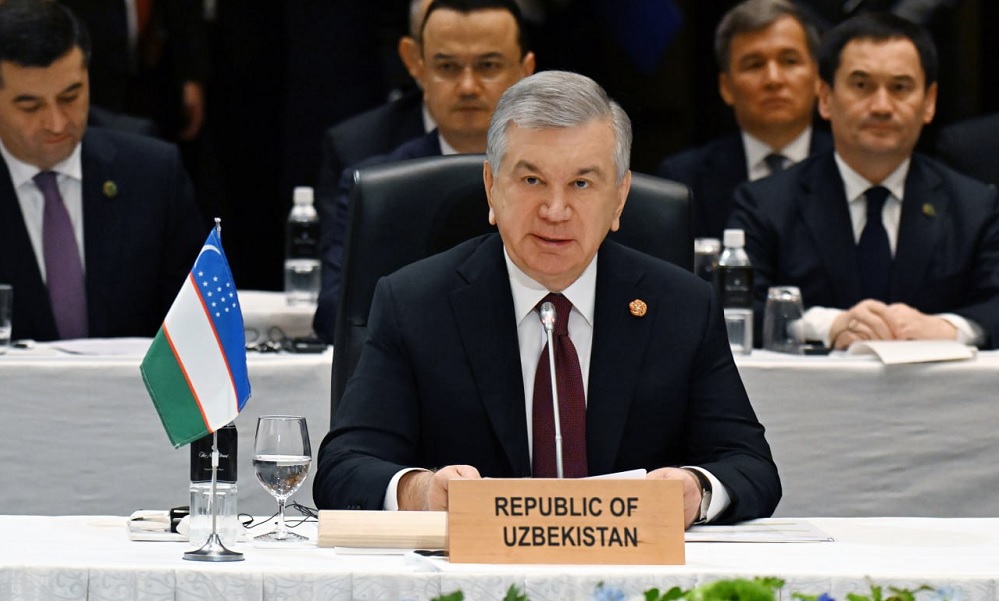
President of Uzbekistan Shavkat Mirziyoyev has underscored Afghanistan’s continued importance in regional cooperation, saying the country remains one of the key areas of interaction among regional partners.
Addressing the first summit of the “Central Asia Plus Japan” dialogue, Mirziyoyev said participating countries share a common aspiration to see Afghanistan become peaceful, stable, and oriented toward meaningful development.
The Uzbek president praised Japan’s longstanding and consistent support for Afghanistan, noting that Tokyo has for many years been among the leading donors and partners assisting the Afghan people.
He expressed confidence that coordinated efforts and joint contributions by regional countries and Japan would help improve living standards in Afghanistan, advance socio-economic and infrastructure development, and facilitate the country’s active involvement in regional economic projects.
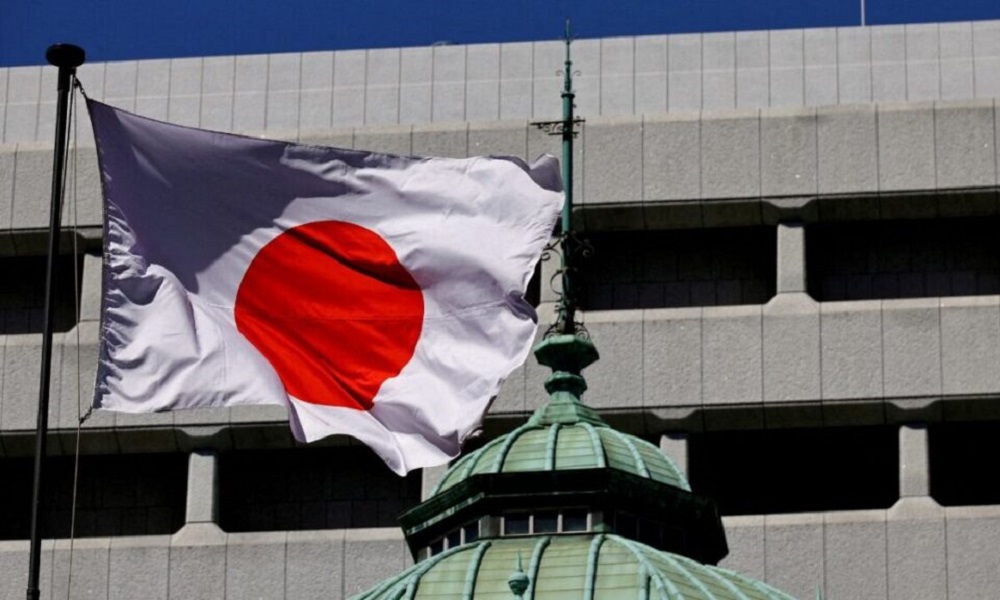
The Embassy of Japan in Afghanistan announced on Friday that the country has allocated $19.5 million in humanitarian assistance to Afghanistan.
In a statement, the Japanese Embassy said it hopes the aid will help bring positive change to the lives of vulnerable Afghans.
According to the statement, the assistance will cover the basic humanitarian needs of vulnerable communities in Afghanistan.
The embassy added that the aid will be delivered through United Nations agencies, international organizations, and Japanese non-governmental organizations operating in Afghanistan.
Japan’s total assistance to Afghanistan since August 2021 has reached more than $549 million.


Pezeshkian pledges to facilitate Iran-Afghanistan trade

Pakistan summons Afghan diplomat over deadly attack in North Waziristan

Uzbek president stresses Afghanistan’s role in regional economic projects

US hits Daesh in Syria with large retaliatory strikes, officials say

Tawsia: India’s enthusiasm for investing in Afghanistan discussed

Afghanistan U19 cricket team defeats India A U19

Afghanistan economy under pressure as Pakistan shocks reshape trade flows

Gaza death toll tops 70,000, health ministry says

India set to establish pharmaceutical factories in Afghanistan: MoIC

Afghanistan offers tax breaks, free land to attract Indian investors
Tawsia: India’s enthusiasm for investing in Afghanistan discussed

Tahawol: Global concerns over migration escalation discussed

Saar: Calls for Afghanistan’s balanced, economy-oriented foreign policy discussed

Tahawol: Discussion on regional countries’ meetings on Afghanistan

Saar: Regional efforts to address Afghanistan-Pakistan issues discussed
-
 Latest News5 days ago
Germany speeds up admission of Afghans from Pakistan
-

 Sport5 days ago
IPL 2026 Auction set for Abu Dhabi with $28.6 million purse at stake
-
 Latest News5 days ago
Afghanistan to establish independent oil and gas authority
-
 Latest News4 days ago
IEA supreme leader stresses enforcement of Sharia law and sincere public service
-

 International Sports5 days ago
ILT20: Desert Vipers qualify for playoffs with five-wicket win over Dubai Capitals
-

 International Sports5 days ago
ATN secures broadcast rights for four major AFC sporting events
-

 Sport4 days ago
ILT20: Sharjah Warriorz secure 11-run victory over Gulf Giants
-

 International Sports3 days ago
IPL 2026: Teams take shape after auction as franchises balance star power and depth