
Latest News
Anti-corruption reforms must remain priority in Afghanistan: UN

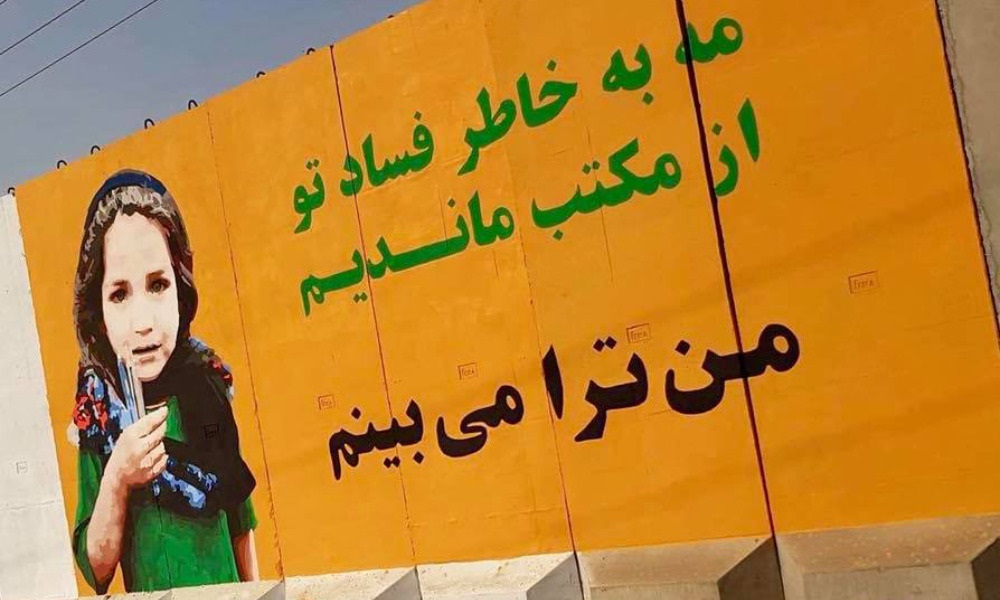
The UN Assistance Mission in Afghanistan (UNAMA) in a report said Thursday that sustained and effective efforts in fighting corruption in Afghanistan remain critical for the country’s future.
“Anti-corruption efforts and integrity reforms must be key priorities for Afghanistan’s leadership, especially so given the country’s pressing challenges and opportunities around peace and development,” said Deborah Lyons, the UN Secretary-General’s Special Representative for Afghanistan.
“Anti-corruption efforts and integrity reforms must be key priorities for #Afghanistan’s leadership, especially so given the country’s pressing challenges and opportunities around peace and development.” – UN envoy @DeborahLyonsUN. Read more: https://t.co/d0b1NBprX4. pic.twitter.com/bEMLj6TYWS
— UNAMA News (@UNAMAnews) June 18, 2020
“Addressing the COVID-19 crisis and building a peaceful, healthy, and prosperous Afghanistan requires integrity and accountability – fundamental principles for the future of any nation,” Lyons added.
UNAMA’s fourth annual anti-corruption report, titled ‘Afghanistan’s Fight against Corruption: Crucial for Peace and Prosperity,’ reviews the progress Afghanistan has made in anti-corruption reform and provides analysis and recommendations to support Afghanistan’s institutions in combatting corruption to improve the lives of all citizens who must grapple each day with the issue.
The report describes how anti-corruption reforms slowed in 2019, with fewer legislative and strategic initiatives undertaken to fight corruption than in previous years. The report outlines how Afghanistan’s 2017 anti-corruption strategy, which was a temporary policy document, ended without a successor. In addition, the report notes, the institutional gaps left by stalled progress in both strategy and implementation were not filled by the expected establishment of an independent anti-corruption commission.
The report makes several recommendations to Afghanistan’s government, recognizing that its previous anti-corruption efforts had yet to positively impact the lives of most Afghans, and concludes that, notwithstanding the many legal and policy reforms that have been undertaken, corruption remains one of the most significant obstacles to Afghanistan’s long-term peace and prosperity.
The report also acknowledges notable areas of progress, such as the Anti-Corruption Justice Centre enhancing its ability to prosecute and adjudicate high-level corruption cases.
“Additional progress in all areas of the fight against corruption is crucial, as the international community faces daunting economic challenges that continue to draw attention away from Afghanistan,” said Lyons, who is also head of UNAMA. “The upcoming development coordination conference in Geneva is expected to reinvigorate much-needed international support to Afghanistan, but the country needs to make further headway in battling corruption.”
Fighting corruption in #Afghanistan must remain a priority. It’s crucial for peace & prosperity. New UN report reviews progress in reform, provides analysis & recommendations to tackle the blight. UN committed to back concerted government efforts. More: https://t.co/d0b1NBprX4. pic.twitter.com/2K3MZdBukA
— UNAMA News (@UNAMAnews) June 18, 2020
The report recommends that the government develops a realistic long-term strategy that builds on past achievements; that the anti-corruption commission is swiftly established; that the law-enforcement capacity dedicated to corruption investigations and related arrests be boosted; that oversight and management of public resources be strengthened; and that justice sector reforms be prioritized by fostering judicial independence.
The report also recommends that the justice sector improve the transparency and accountability of its work and independently adjudicates corruption cases; that the National Assembly collaborates with the executive in anti-corruption reforms while strengthening internal accountability and integrity; and that civil society and the international community support anti-corruption reforms.
The United Nations remains committed to supporting Afghanistan in further implementing its obligations under the UN Convention against Corruption, which Afghanistan ratified in 2008.
The United Nations Convention against Corruption is the only legally binding universal anti-corruption instrument. The Convention’s far-reaching approach and the mandatory character of many of its provisions make it a unique tool for developing a comprehensive response to a global problem. The majority of UN Member States are parties to the Convention.


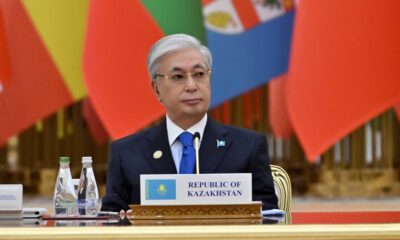

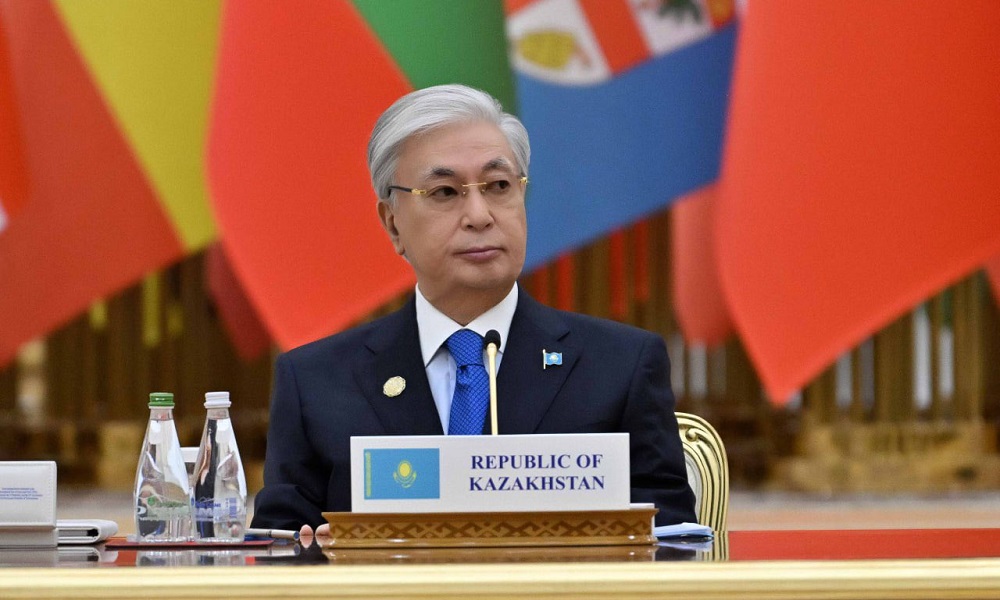
Kazakhstan’s President Kassym-Jomart Tokayev has emphasized the continuation of humanitarian assistance to Afghanistan, stating that the ongoing provision of such aid plays an important role in ensuring regional security.
Speaking at the international conference “Peace and Trust” in Ashgabat, the capital of Turkmenistan, Tokayev described addressing complex humanitarian challenges and the reconstruction of Afghanistan as a necessity.
“To ensure regional security, we consider it essential to continue providing assistance to Afghanistan, including by strengthening international efforts to address complex humanitarian issues and the reconstruction of this country. Kazakhstan remains committed to supporting the people of Afghanistan through humanitarian aid, educational projects, trade development, and food security initiatives,” he said.
Meanwhile, experts believe that sustainable improvement of the humanitarian situation in Afghanistan requires broad cooperation from the international community and support for the country’s economic development.
“Investment can be defined as one of the fundamental drivers of the economic cycle, and whenever Afghan traders do not take their money out of the country and instead invest domestically, it naturally leads to greater growth and dynamism in Afghanistan’s economy,” said Abdul Zahoor Modabber, an economic analyst.
As the humanitarian crisis in Afghanistan continues, reports by international relief organizations indicate that millions of citizens of the country are in urgent need of food, health, and livelihood assistance.
The reduction in funding for aid organizations, the impacts of climate change, and the return of migrants have increased concerns about a further deterioration of the humanitarian situation in the country.
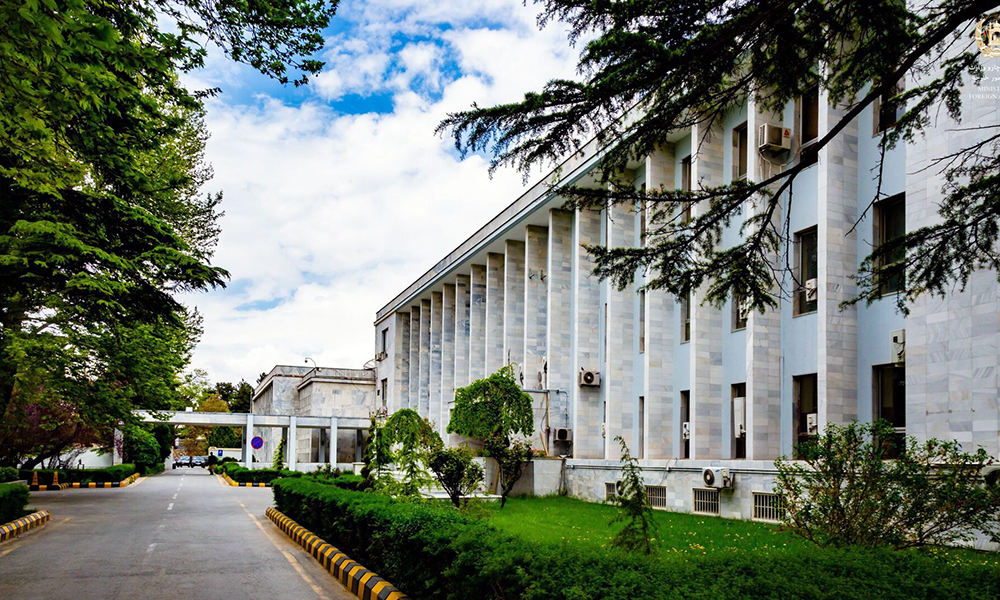
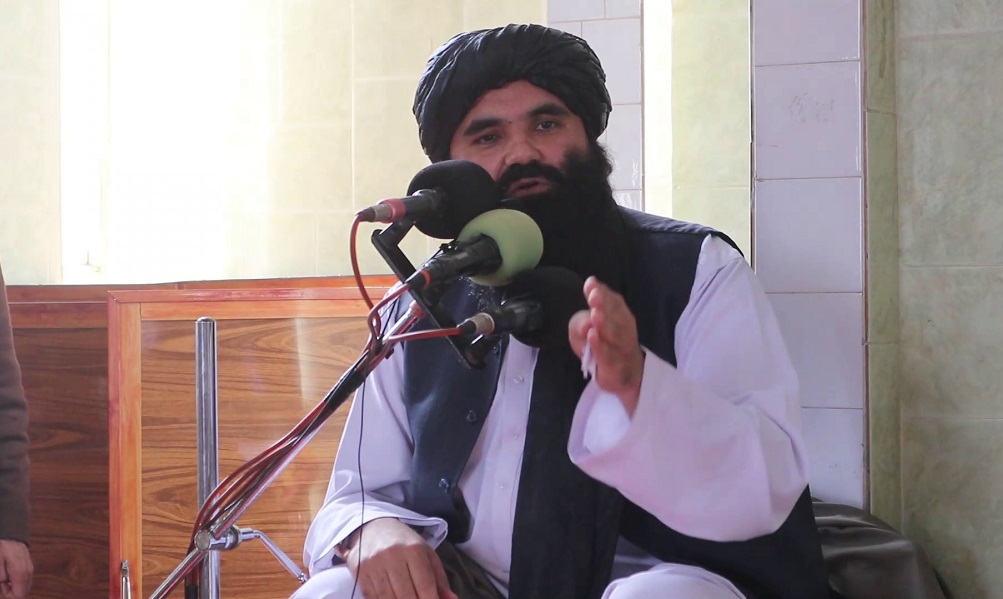
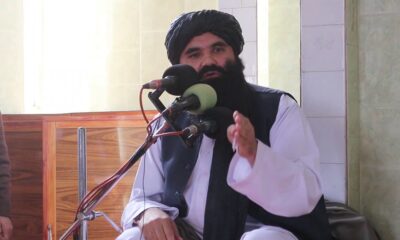
Khalifa Sirajuddin Haqqani, Minister of Interior of the Islamic Emirate of Afghanistan, said during a visit to Khost province on Friday that any government which rules through fear cannot be considered a true government.
“A government is one that is loved by its people, one that serves them with respect and compassion, and from whose behavior people learn ethics and sincerity,” he said.
Haqqani also stressed that Afghans who opposed the Islamic Emirate in the past should be tolerated and treated in a way that helps eliminate hostility and animosity, paving the way for national cohesion.


ACL: Jawanan Perozi 1-0 Arman FC; Abu Muslim Farah 2-0 Sarsabz Yashlar

Continued aid to Afghanistan vital for regional security: Kazakh president

Islamic Emirate declines to attend Tehran meeting on Afghanistan

Sirajuddin Haqqani: A government that intimidates its people is not a true government

Afghanistan’s health minister likely to visit India next week

Pakistan will lose big market in both Afghanistan, Central Asia: Sarhadi

Afghanistan records $580m in fruit exports in six months

Tashkent: Central Asian leaders say regional stability hinges on Afghanistan

Afghan Abdalyan beat Sri Lanka A by 3 wickets in Rising Stars Asia Cup opener

Afghanistan U19 cricket team defeats India A U19

Saar: Calls to avoid using Afghan soil against nations

Tahawol: UNSC meeting outcome regarding Afghanistan discussed

Saar: Ongoing Kabul–Islamabad tensions discussed

Tahawol: Pakistan’s warning on Afghanistan reiterated

Saar: UN’s meeting on Afghanistan reviewed
-

 Latest News2 days ago
Muttaqi: Afghanistan’s progress requires both religious and modern education
-

 Sport4 days ago
ILT20: Desert Vipers edge Gulf Giants in historic super over thriller
-

 Regional4 days ago
Six Pakistani soldiers killed in TTP attack in Kurram District
-

 Business4 days ago
Trade bodies warn almost 11,000 Afghan transit containers stuck at Karachi port
-

 World4 days ago
Powerful 7.6 earthquake hits northern Japan, tsunami warnings issued
-

 Latest News3 days ago
Trump calls Afghanistan a ‘hellhole’ country as US expands immigration restrictions
-

 Sport3 days ago
Commanding wins for Arman FC and Sarsabz Yashlar in Afghanistan Champions League
-
 Latest News5 days ago
Pakistan’s top general calls on IEA to pick between ties with Islamabad or TTP