
Health
Amazon ends COVID paid leave for U.S. workers


Giant online retailer Amazon.com Inc (AMZN.O) will end its paid time-off policy for employees with COVID-19 from May 2, the company told U.S.-based staff on Saturday.
The change follows the availability of COVID-19 vaccines and revised guidance from the U.S. Centers for Disease Control and Prevention, it said.
The U.S.-based staff will now get five days of excused, unpaid leave following a confirmed COVID-19 diagnosis, Amazon told workers in a message it provided to Reuters.
“We can continue to safely adjust to our pre-COVID policies,” the company said, citing the sustained easing of the pandemic, the availability of vaccines and treatments, and updated public health guidance.
The changes come amid a stream of challenges for Amazon after a recent effort to unionize some warehouses. In April, workers at its warehouse in New York City voted to form the first union.
On Saturday, Amazon said it is halting site-wide notifications of positive cases in facilities, unless required by law, as well as efforts to encourage vaccination.
In January, Amazon trimmed paid leave for workers with the virus to one week, or up to 40 hours. Before that, they got two weeks of paid time off for COVID-19.






Health
Millions of Afghans continue to rely on humanitarian health services
Sharafat Zaman, spokesperson for the Ministry of Public Health of the Islamic Emirate, announced the establishment of over 400 health centers in remote areas.
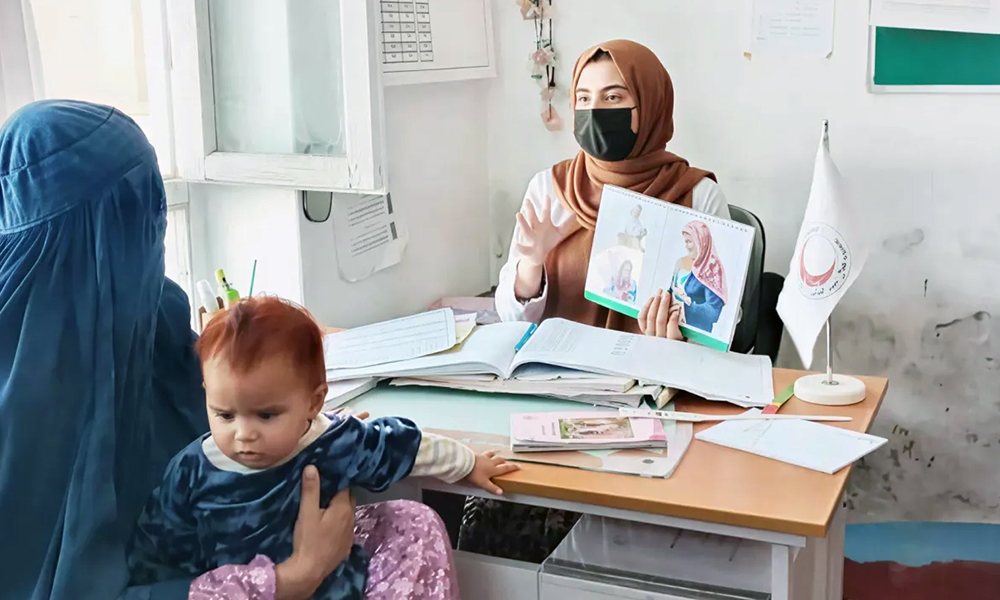
On April 7, World Health Day 2026, attention has once again turned to the serious challenges facing Afghanistan’s healthcare system, where years of conflict, economic difficulties, natural disasters, and resource shortages have left millions with limited access to essential health services.
Despite these challenges, the International Committee of the Red Cross (ICRC) has reported that its support for 46 Basic Health Clinics and one district hospital of the Afghan Red Crescent Society (ARCS) has played a crucial role in improving healthcare access for local communities.
According to the ICRC, in 2025 around 1.2 million patients, most of them women and children, received preventive care and early treatment at these facilities. Providing care at the earliest stages of illness has helped reduce pressure on larger hospitals.
The United Nations also highlighted World Health Day by praising the efforts of healthcare workers in Afghanistan, noting that strengthening the health sector and improving access to quality care remains an urgent necessity.
Meanwhile, Richard Bennett, UN Special Rapporteur on Human Rights in Afghanistan, expressed concern over restrictions on women’s access to healthcare, warning that limits on the training and work of female health staff could weaken the country’s health system.
At the same time, Sharafat Zaman, spokesperson for the Ministry of Public Health of the Islamic Emirate, announced the establishment of over 400 health centers in remote areas, aiming to expand healthcare coverage and improve medical services across the country.
The UN Office for the Coordination of Humanitarian Affairs (OCHA) estimates that in 2026 more than 14.4 million people in Afghanistan will require humanitarian health assistance. Experts note that the country’s health system remains heavily dependent on international support, as many families cannot afford private healthcare services.
In addition to general healthcare, programs addressing malnutrition have been strengthened in collaboration with UNICEF and the World Food Programme, providing therapeutic food to children suffering from malnutrition in clinics across Afghanistan.
The ICRC has also supported emergency departments in provincial hospitals during 2024–2025 to enhance emergency response, upgrade medical equipment, and train staff. Furthermore, through the Basic Emergency Care (BEC) program, 256 healthcare workers, including 115 women, received life-saving training to strengthen emergency medical services.
The continued support from humanitarian organizations plays a vital role in saving lives and ensuring vulnerable communities across Afghanistan have access to essential health services.
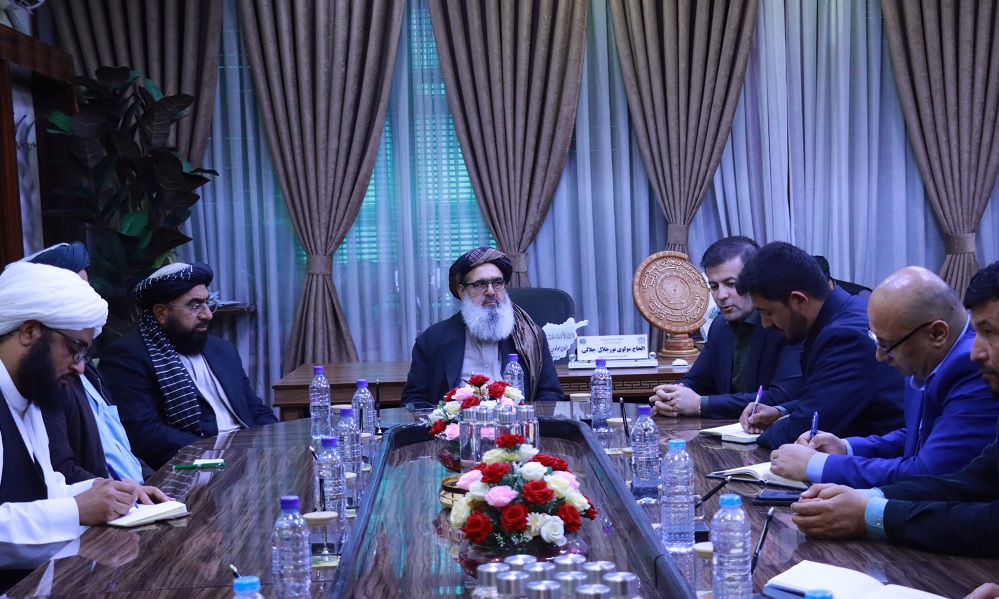
Afghanistan’s Minister of Public Health, Noor Jalal Jalali, held talks with Abdullah Azizov, head of the pharmaceutical industry development authority of Uzbekistan, and his accompanying delegation in Kabul to discuss expanding cooperation in the health sector.
The meeting focused on strengthening pharmaceutical trade, facilitating travel for Afghan patients seeking treatment in Uzbekistan, enhancing the capacity of health workers, implementing the previously signed memorandum of understanding between the two countries, and encouraging investment in pharmaceutical production in Afghanistan.
Jalali emphasized the importance of ensuring the quality of medicines, providing standardized healthcare services, and improving coordination between the two countries to deliver reliable health services to the public.
He also noted that sustained cooperation could help strengthen health systems and respond more effectively to the needs of the population, stressing that joint efforts should lead to practical and measurable progress.
Azizov expressed Uzbekistan’s readiness to expand cooperation with Afghanistan in pharmaceutical production, exports, technical knowledge transfer, and capacity building for healthcare professionals.
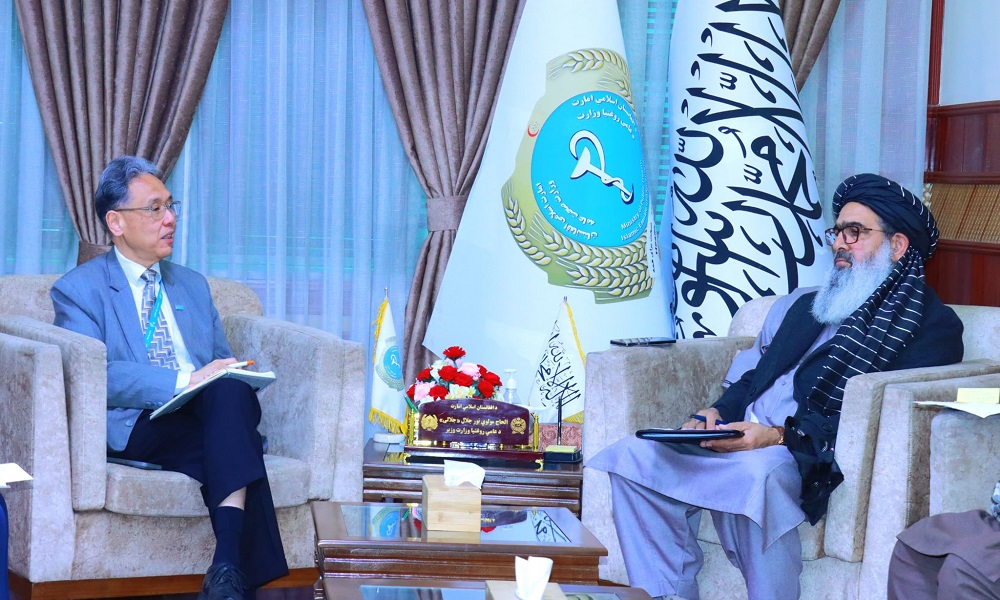
Afghanistan’s Minister of Public Health, Noor Jalal Jalali, met with the head of the World Health Organization in Afghanistan, Edwin Ceniza Salvador, to discuss expanding healthcare services and strengthening coordination in the country.
According to a statement issued Tuesday by the Ministry of Public Health, the meeting was attended by officials from the WHO and other representatives and focused on key health sector priorities and areas of mutual cooperation.
Participants discussed the expansion of health services across Afghanistan, capacity-building initiatives for healthcare workers, and the development of cancer-related services. They also reviewed operational coordination, transparency in the delivery of health services, and preparations for upcoming health-related meetings.
During the meeting, Jalali emphasized the importance of aligning health projects and services with the ministry’s national policies and strategic documents.
He stressed that all health initiatives should be implemented based on the priorities and needs identified by the Ministry of Public Health.
The minister also urged WHO officials to enhance transparency and strengthen coordination with the ministry while taking practical steps to improve the quality of health services and ensure broader public access to healthcare across the country.
For his part, Salvador reaffirmed the WHO’s commitment to maintaining close cooperation with the Afghan health ministry and to delivering essential health services in accordance with the ministry’s policies and priorities.


IPL double-header delivers thrills as teams battle for momentum

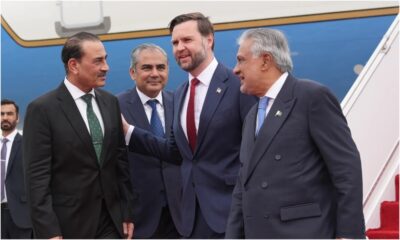
US-Iran talks end without breakthrough as Vance departs Pakistan

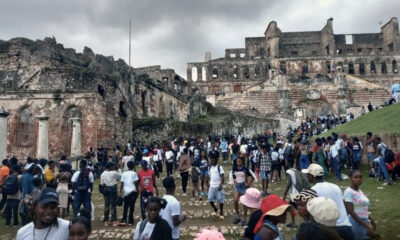
At least 30 dead in stampede at Haiti’s historic Laferriere Citadel

Tahawol: Historic US-Iran talks in Pakistan discussed

Saar: Talks between Iran and US in Pakistan discussed

IEA Supreme Leader issues Eid-ul-Fitr message urging unity and support for Islamic system

IEA supreme leader orders replacement of foreign terminology in official documents

14 Pakistani soldiers killed after military post falls along Durand line: MoD

Afghan airstrikes target Pakistani military sites in retaliation for air attacks

Turkmenistan, Afghanistan discuss steps to speed up land acquisition for TAPI pipeline
Tahawol: Historic US-Iran talks in Pakistan discussed
Saar: Talks between Iran and US in Pakistan discussed

Tawsia: New transit route with Tatarstan, MoU with Uzbekistan discussed

Tahawol: China to host 2nd round of Kabul–Islamabad talks discussed

Saar: Fragile ceasefire in the Middle East reviewed
-
 Latest News5 days ago
China seeking to build trust between Afghanistan and Pakistan
-
 Business5 days ago
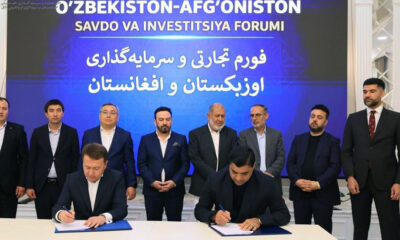
Afghanistan, Uzbekistan sign $400 million trade deals in push to deepen ties
-

 International Sports5 days ago
IPL 2026: Rain scuppers KKR vs PBKS match
-

 Business2 days ago
Etihad Airways to expand Kabul–Abu Dhabi flights to daily service amid surging demand
-
 Sport5 days ago
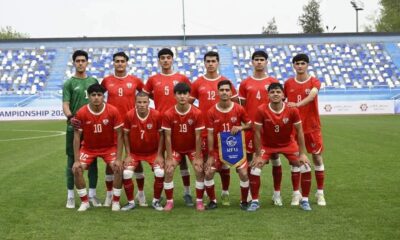
Afghanistan U-17s draw 0-0 against Turkmenistan in CAFA campaign
-
 Latest News5 days ago
Japan and UNDP launch $2.35 million livelihoods initiative in Afghanistan
-
 Regional4 days ago
Iran agrees to temporary ceasefire as US pauses attacks
-
 Latest News5 days ago
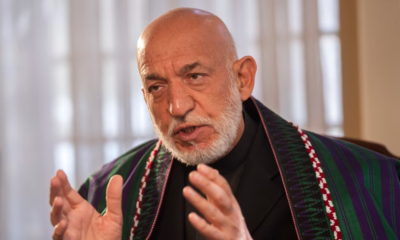
Karzai calls on UN to condemn Pakistan’s attacks on Afghan territory