
AGO records 1,173 Cases of violence against women

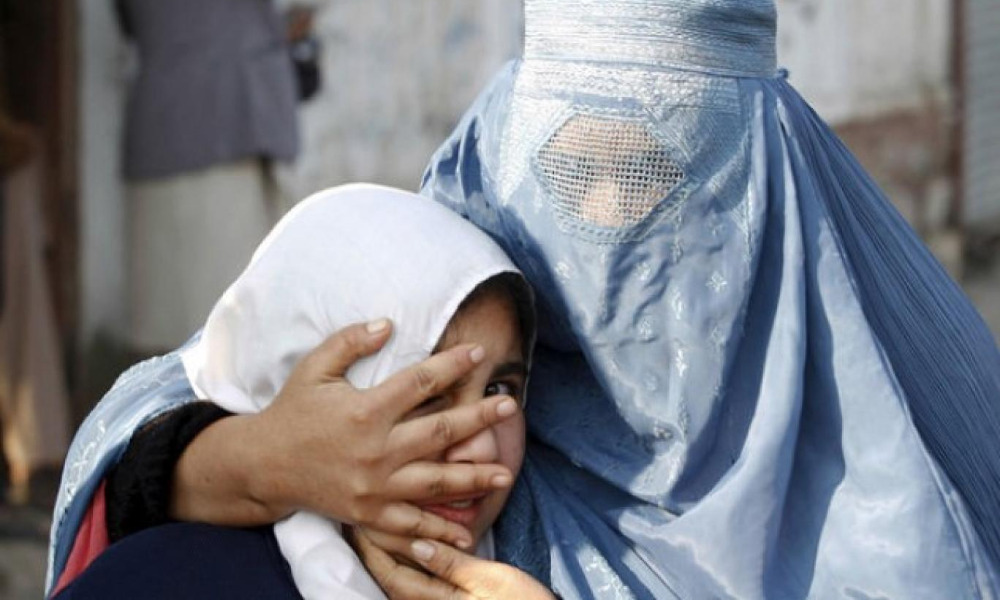
The Attorney General Office of Afghanistan (AGO) has recorded 1,173 cases of violence against women in the past six months.
The most common types of these violence cases include rape, beatings, harassment, forced marriage, obstruction of the right to marry, premature marriage, the prohibition of inheritance, and the prohibition of possession of the property.
The AGO said that 249 cases of beatings have been filed during the Coronavirus quarantine.
“During quarantine, men’s impatience could increase and we knew that violence would rise too; therefore, all our prosecutor’s office were open to the people and we had recorded 249 cases of beatings during quarantine throughout Afghanistan,” Sina Sheina Mansour, Deputy Attorney General for Violence against Women said.
According to the AGO, the figures include 541 cases of beatings, 141 cases of harassment, 121 cases of rapes and the rest were other acts of violence.
Meanwhile, Kabul witnessed 339 cases of violence, Herat recorded 94 cases, Daikundi reported 67 cases, Takhar registered 66 cases, Nangarhar saw 63 cases, Balkh witnessed 57 cases and the rest were reported in Faryab, Baghlan, Badakhshan and other provinces.
On the other hand, the Independent Human Rights Commission (IHRC) has recorded 754 cases of violence against women as well, most of them were registered in February by 215 cases.
“Domestic violence, forced marriages, not allowing a girl to marry by her family, absence of women’s husband and being hostage of destiny are the most key factors,” said Zabihullah Farhang, head of public relations for the IHRC.
Women’s rights defenders underline that the government should seriously investigate the cases of violence against women and culprits must be brought to justice.
Illiteracy, poverty, lack of religious knowledge, and bad traditions have been cited as the reasons for violence against women.

Science & Technology
Governments take websites offline as critical cyber flaws trigger global alert
Security patches were released prompting authorities to urge organisations to update affected systems immediately or take vulnerable services offline until they could be secured.

Governments and organisations across Europe and beyond have taken websites and online services offline after the discovery of two critical vulnerabilities in widely used web software triggered an international cyber-security alert.
The vulnerabilities affect PHP, a programming language used extensively to operate websites and online applications. Attackers could potentially exploit the flaws to execute malicious code remotely on vulnerable servers, threatening sensitive information and digital infrastructure.
Security patches were released on Wednesday, October 21, prompting authorities to urge organisations to update affected systems immediately or take vulnerable services offline until they could be secured.
The Netherlands, Finland, France, Belgium and Germany have also reported precautionary shutdowns affecting government websites and other public-facing services.
In the Netherlands, affected platforms included Overheid.nl, MijnOverheid.nl and DigiD. The country’s National Cyber Security Centre also temporarily took its own website offline.
Finland’s state IT services provider, Valtori, suspended public government web services as a precaution, while France’s Interior Ministry temporarily took the websites of local administrative authorities offline.
In Belgium, the Foreign Ministry took its websites offline amid concerns about potential exploitation, although the country’s cybersecurity centre said it had not observed attacks on Belgian websites at the time.
Germany’s federal IT service provider also temporarily disabled several websites, with officials saying the measure was precautionary and no security incidents were known to have occurred.
The disruption extended beyond government agencies. Websites and online services belonging to hospitals, educational platforms and other organisations were also affected, highlighting the potential reach of vulnerabilities in widely deployed software.
In Australia, the Australian Cyber Security Centre’s website, cyber.gov.au, was among the government services affected by the security alert. Australian authorities said they were not aware of active exploitation of the vulnerabilities.
In the United States, the National Security Agency and other cybersecurity authorities urged organisations to prepare for immediate updates and take vulnerable systems offline if they could not be secured promptly. The Wikimedia Foundation, which operates Wikipedia, also took some systems offline as a precaution while addressing the flaws.
Cybersecurity company Cloudflare reported seeing early attacks associated with the vulnerabilities, although reports of exploitation do not establish that every affected organisation suffered a breach.
The incident highlights the risks created by the internet’s reliance on shared software. PHP is used across a substantial proportion of websites, meaning a single vulnerability can affect organisations in multiple countries and sectors simultaneously.
Security specialists have urged website operators to identify affected systems, install the relevant patches and examine server logs for signs of unauthorised access. Applying an update may prevent further exploitation, but organisations must also investigate whether attackers gained access before their systems were secured.
Authorities have not established that all affected websites were breached. The precautionary shutdowns are intended to reduce exposure while administrators apply fixes and verify that their systems are safe to restore.
The alert has underscored the challenge facing governments and businesses in responding to critical software vulnerabilities that can rapidly become an international security concern.
World
Senior UAE diplomat Lana Nusseibeh enters race for UN chief
Nusseibeh, 48, said she was approached by multiple countries during the last UN General Assembly to put herself forward. She previously led the UAE’s successful campaign for election to the Security Council. Diplomats in New York say she is respected as a competent manager.
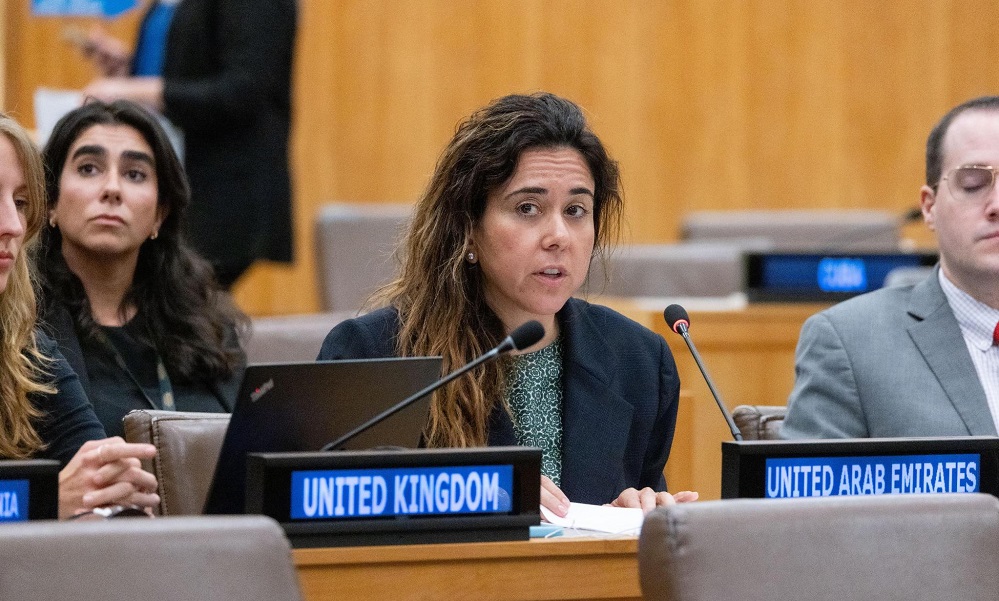
Senior UAE diplomat Lana Nusseibeh entered the race to become the next United Nations secretary-general on Wednesday, injecting a prominent Middle Eastern candidate into a contest that has struggled to produce a consensus choice among the Security Council’s most powerful members.
Nusseibeh, a former UAE ambassador to the UN for more than a decade, told Reuters she would seek to restore the world body’s role as a diplomatic problem-solver at a time of mounting global crises.
“It’s clear that today we need a secretary-general that can recommit to the future of multilateralism and the future of the United Nations as a problem-solver rather than as a spectator to the world’s crises,” she said shortly before going public with her candidacy.
Nusseibeh, the UAE minister of state for foreign affairs, is a late entrant to the race. An informal Security Council poll had placed former Costa Rican Vice President Rebeca Grynspan as the narrow frontrunner, sources have said.
Although Grynspan has led the informal “straw polls,” last week she and all other candidates received two or more opposing votes from the ultimately decisive five permanent members of the council — Britain, China, France, Russia and the US.
Council members are negotiating over whether to hold another poll this Friday or at a later stage.
ENTREPRENEURIAL DIPLOMACY
Nusseibeh, 48, said she was approached by multiple countries during the last UN General Assembly to put herself forward. She previously led the UAE’s successful campaign for election to the Security Council. Diplomats in New York say she is respected as a competent manager.
“It’s recognized today that we need someone who offers generational change for the organization,” she said.
Her UN tenure overlapped with the outbreak of the Gaza war in 2023 when she secured the adoption of Resolution 2720 paving the way for the delivery of humanitarian aid.
Nusseibeh said she secured support for the resolution by arranging a visit by council members to the Rafah border crossing to see for themselves the situation on the ground, describing the move as part of her “creative entrepreneurial diplomacy” that characterizes her approach.
RELENTLESS DIPLOMACY
As a top UAE diplomat, Nusseibeh has championed Abu Dhabi’s assertive foreign policy and heavy focus on countering political Islam.
The UAE has faced criticism over Sudan after UN sanctions monitors described allegations that it provided military support to the paramilitary Rapid Support Forces as credible. The UAE denies the allegations.
Asked how the allegations might affect her candidacy, Nusseibeh said she had taken leave from her UAE post and would focus on Sudan’s humanitarian crisis.
A Nusseibeh victory would make her the second UN chief from the Middle East, after Egypt’s Boutros Boutros-Ghali.
“I come from a country that is younger than the United Nations but our region is one that has been facing severe challenges,” she said.
She would also become the first woman to lead the UN, though Nusseibeh said she was not running on her gender.
“I think it would be great if the next secretary-general was a woman but I’m not running because I’m a woman; I’m running because I am stubbornly optimistic about the future of the United Nations and I believe we need someone who is relentless in the pursuit of diplomacy to open doors.”


Governments take websites offline as critical cyber flaws trigger global alert

Senior UAE diplomat Lana Nusseibeh enters race for UN chief

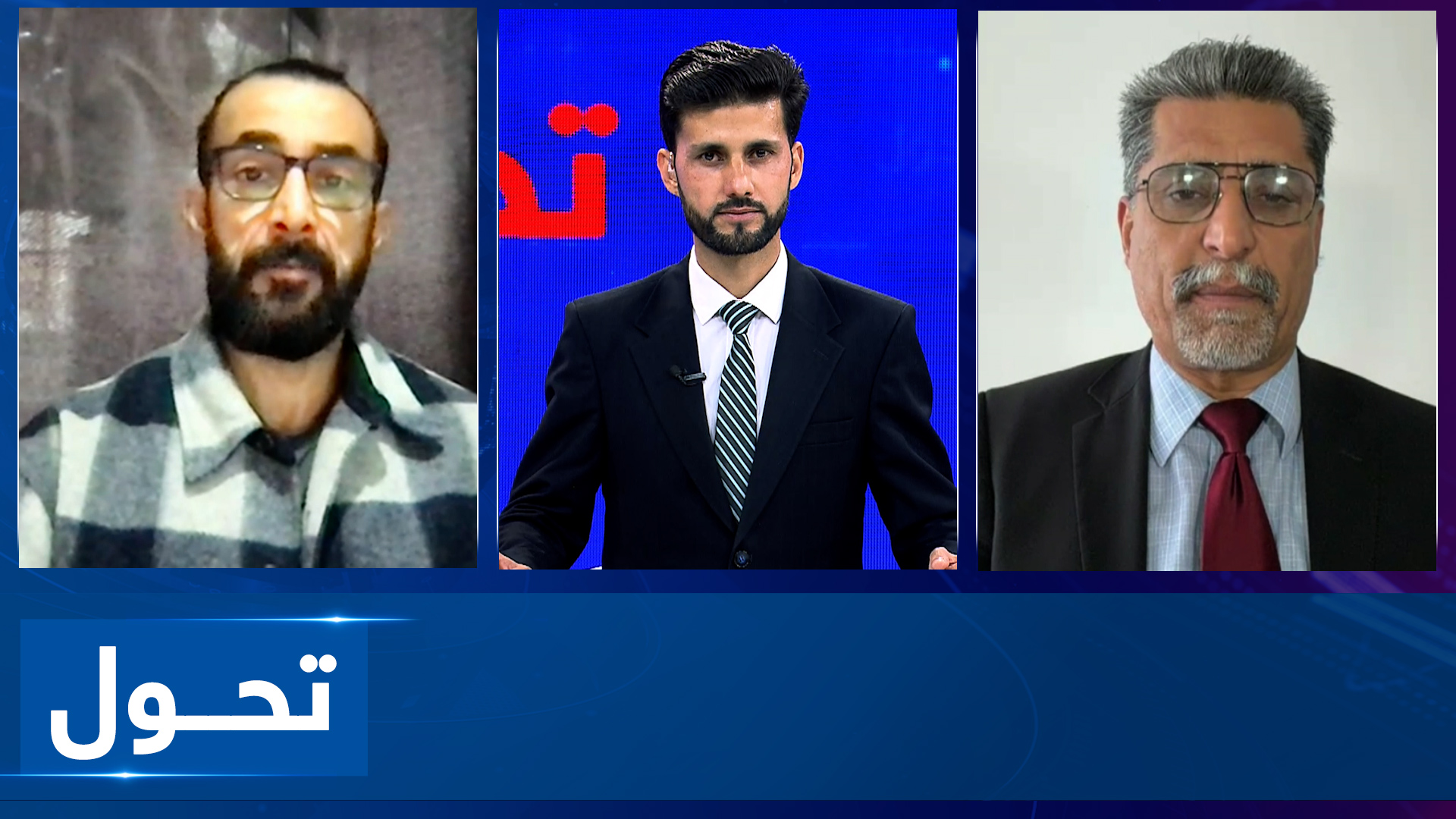
Tahawol: Doha meeting and Afghanistan’s political and economic future discussed

Saar: Concerns over expansion of conflict between Iran and US discussed

Afghanistan, world and Asian canoeing federations hold online meeting

Cricket Bonanza: Afghanistan set for packed international schedule

Afghanistan says 28 killed, 32 captured in Nuristan operation

Silk Road highway in Wakhan corridor now reaches the China border

Afghanistan on climate front line as Kabul faces groundwater warning

ACB announces Afghanistan squads for Bangladesh, Zimbabwe series
Tahawol: Doha meeting and Afghanistan’s political and economic future discussed
Saar: Concerns over expansion of conflict between Iran and US discussed

Governments warn citizens over security risks in France after riots

Tahawol: Iran’s reaction to Pakistan’s mediation discussed

Saar: Review of SCO meeting in Tajikistan
-
 World3 days ago
Violent protests spread across Europe as Albanian PM blames ‘foreign hand’
-

 Sport4 days ago
Afghanistan reach Brazil futsal tournament final after beating Cape Verde 4-2
-

 Sport3 days ago
Afghanistan finish runners-up after 6-0 defeat to Brazil in futsal final
-

 Latest News4 days ago
Hegseth says only a few NATO allies were involved in fighting in Afghanistan
-

 World4 days ago
France rocked by nationwide clashes, looting and fires
-

 Tahawol5 days ago
Tahawol: Russian economic delegation’s visit to Kabul
-

 Latest News5 days ago
Russian deputy prime minister to visit Afghanistan soon for trade and economic talks
-
 Business4 days ago
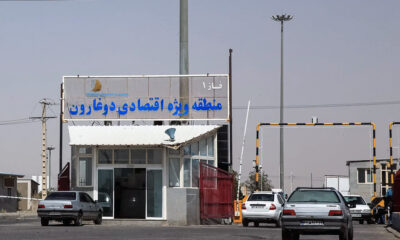
Dogharoun border handling 70% of Iran’s exports to Afghanistan