
Latest News
Afghans urge IEA to preserve historical sites


Afghans have called on the Islamic Emirate of Afghanistan (IEA) to help preserve the country’s rich heritage of historical sites which they say could attract thousands of foreign tourists a year.
Dozens of historical sites are dotted around the country, including the famous Bamiyan Buddha niches. However, many of these have fallen into disrepair after years of conflict.
One local tourist, who was visiting Bamiyan, said he decided to visit the province following the take over of the IEA and the improved security situation.
“We came to see the area where the statues of Bamiyan are located, as a historical place. Security in the country has improved since the Taliban (IEA) came to power. People can easily travel from one place to another which was not the case before,” said Amanullah Mahmoodzai.
Another local tourist visiting the Buddhas was Hussainullah who also urged the IEA to restore sites. He said the local Bamiyan residents would then benefit from an increase in tourism.
“This is a historical place worth visiting. If it is repaired, more tourists will come and help the people of the area,” he said.
Another wellknown site is the UNESCO World Heritage listed minaret of Jam in Ghor province.
The 65-metre high minaret was built around 1190 entirely of baked bricks and is famous for its intricate brick, stucco and glazed tile decoration.
Since 2002, the minaret has remained on the list of World Heritage in Danger as it is under serious threat of erosion and for the past seven years, experts have warned that it is in imminent danger of collapse.
But recently, the IEA assigned a team of 30 people to safeguard the structure.
After the IEA’s takeover, UNESCO Director-General Audrey Azoulay issued a statement calling “for the preservation of Afghanistan’s cultural heritage in its diversity, in full respect of international law, and for taking all necessary precautions to spare and protect cultural heritage from damage and looting.”
Afghanistan’s cultural heritage is vast as for millennia, it was a crossroads of many civilisations that left a remarkable legacy, from the Medes to the Mongols, Mughals and Durrani, to the kingdom and the long period of conflict that started in 1979.






Latest News
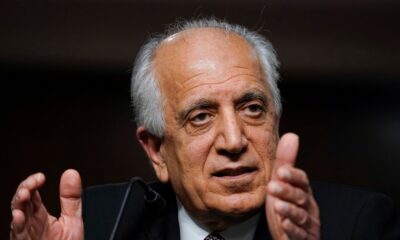
Ex-US envoy Khalilzad condemns Pakistan air attacks on Afghanistan
He described the situation as a tragedy for both Pakistan and its neighbors, urging the Pakistani leadership to reconsider its policies and change course.
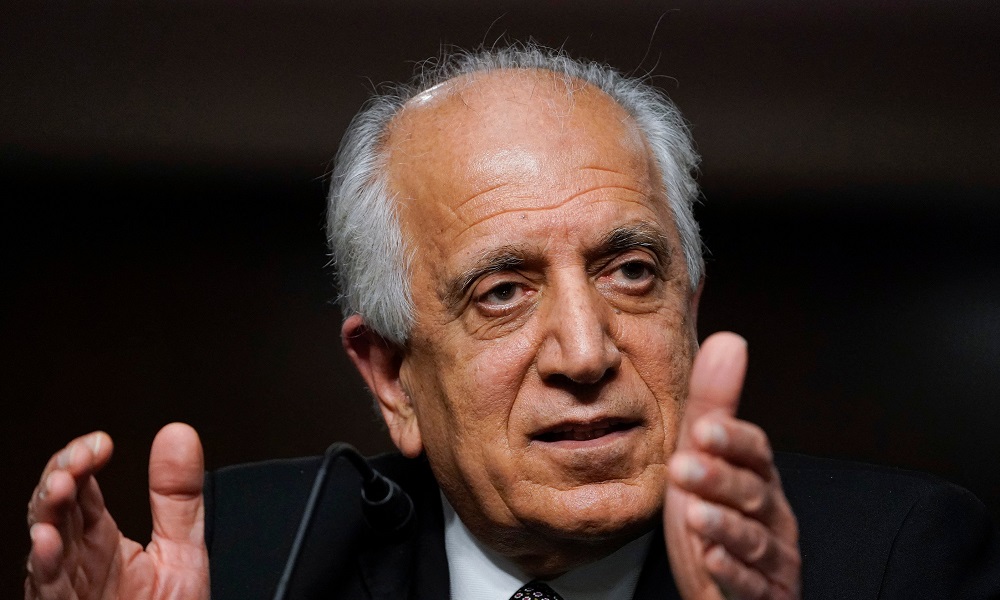
Former U.S. Special Envoy for Afghanistan, Zalmay Khalilzad, has strongly condemned Sunday’s airstrikes by Pakistan on Afghanistan. He stated that these attacks killed and wounded numerous innocent women, children, and elderly.
Khalilzad pointed to Pakistan’s long history of misgovernance, interference in minority rights, manipulation of democratic processes, and repeated military takeovers as the root causes.
He described the situation as a tragedy for both Pakistan and its neighbors, urging the Pakistani leadership to reconsider its policies and change course.
Latest News
Japan contributes $2.08 million to World Bank Trust Fund for Afghanistan
Japan has remained one of the major donors to Afghanistan’s humanitarian and development efforts.
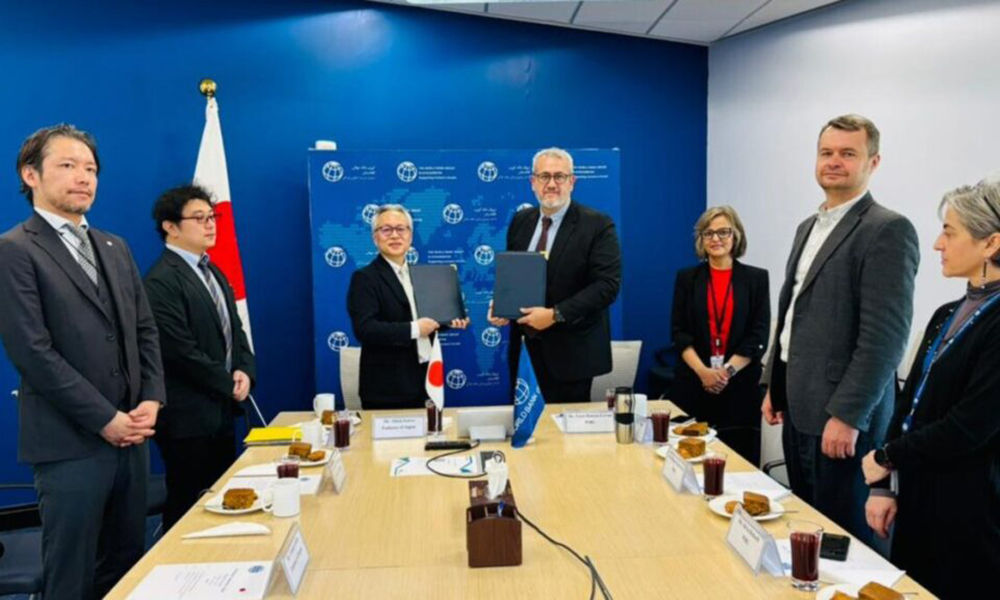
Japan has signed a $2.08 million contribution agreement with the World Bank to support humanitarian and livelihood programs in Afghanistan, its diplomatic mission in Kabul said on Sunday.
The funding will be channeled through the Afghanistan Reconstruction Trust Fund (ARTF), a multi-donor trust fund administered by the World Bank that finances essential services and development programs in the country.
In a statement, Japan said the contribution is intended to support people in need and promote livelihoods among vulnerable Afghans, including women and young people.
“Japan stands with the Afghan people,” the statement said.
Japan has remained one of the major donors to Afghanistan’s humanitarian and development efforts.
Latest News
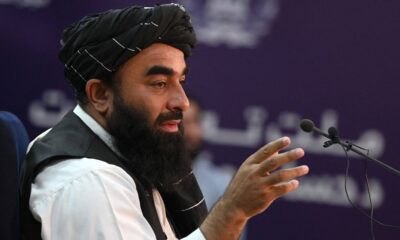
Mujahid: Afghanistan will target perpetrators, not civilians
In an interview with Ariana News, Mujahid claimed that a specific military circle within Pakistan is behind the latest tensions.
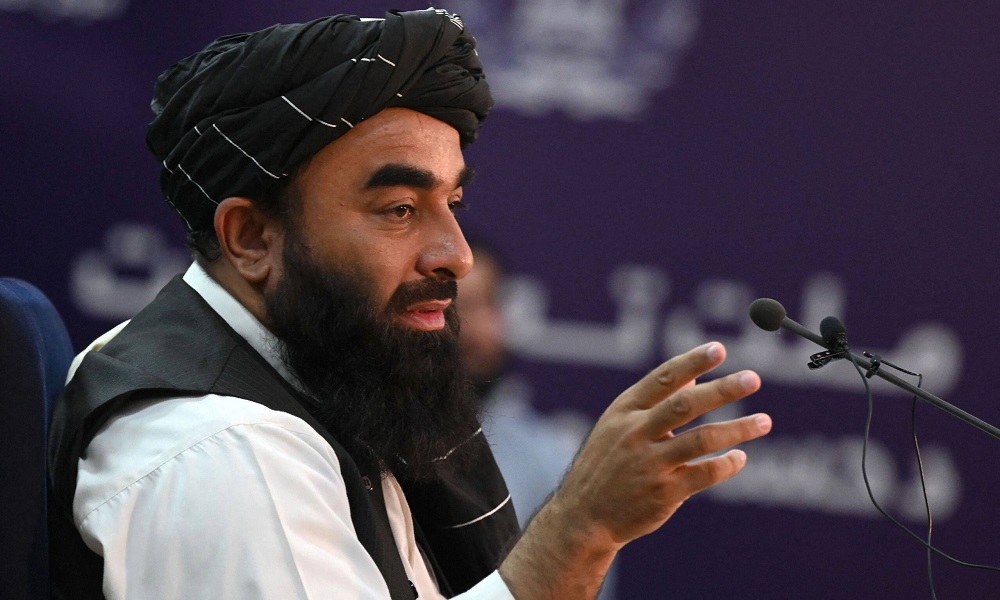
Zabihullah Mujahid, spokesman for the Islamic Emirate of Afghanistan, has warned that Pakistan’s recent actions will not go unanswered, stating that Afghan forces would target those directly responsible rather than civilians.
In an interview with Ariana News, Mujahid claimed that a specific military circle within Pakistan is behind the latest tensions.
He accused the group of acting on directives from external backers to carry out attacks and undermine relations between the two countries.
Mujahid emphasized that the Islamic Emirate distinguishes between civilians and those engaged in military operations, asserting that its response would be directed only at individuals responsible for what he described as crimes.
“We must make it clear that unlike Pakistan, we do not target civilians. Our target is the real criminals — Pakistani military personnel responsible for these acts,” he said.
This comes in the wake of airstrikes early Sunday morning on Nangarhar and Paktika provinces, which have sharply escalated tensions between Afghanistan and Pakistan.
Pakistani officials say the strikes targeted militant hideouts along the border, describing them as intelligence-based operations against armed groups accused of carrying out attacks inside Pakistan.
Islamabad has repeatedly blamed Tehrik-e-Taliban Pakistan (TTP) fighters for a surge in violence and has alleged that such groups operate from Afghan territory.
Afghan authorities, however, have condemned the strikes as a violation of the country’s sovereignty, reporting civilian casualties and damage to residential areas.
Officials in Kabul say the attacks have further strained already fragile relations between the two neighbors.
Cross-border tensions have flared repeatedly in recent years over security concerns, militant activity, and disputes along the disputed Durand Line. Diplomatic engagements and temporary de-escalation efforts have so far failed to produce a lasting solution, leaving the border region volatile and prone to renewed confrontation.


Iran and U.S. to meet on Thursday for talks

Ex-US envoy Khalilzad condemns Pakistan air attacks on Afghanistan

Tahawol: Repeat crimes by Pakistani military in Afghanistan discussed

Saar: Pakistani military regime’s airstrikes on Afghanistan

Japan contributes $2.08 million to World Bank Trust Fund for Afghanistan

AFC Futsal Asian Cup 2026: Day One Review

IEA releases three Pakistani soldiers to mark Ramadan

AFC Futsal Asian Cup: Afghanistan to face Iran in crucial Group D clash

Afghanistan’s Chief of Armed Forces underscores readiness and equipment for national defense

Afghanistan welcomes investment and technology partnerships with India
Tahawol: Repeat crimes by Pakistani military in Afghanistan discussed
Saar: Pakistani military regime’s airstrikes on Afghanistan

Tahawol: US military review for attack against Iran discussed

Saar: Afghanistan’s expanding ties with Central Asia discussed

Tawsia: Calls for implementing development and infrastructure projects
-
 Latest News5 days ago
Afghanistan’s Chief of Armed Forces underscores readiness and equipment for national defense
-
 Latest News4 days ago
Afghanistan welcomes investment and technology partnerships with India
-

 Sport4 days ago
Afghan Peaks founder climbs Aconcagua to promote Afghanistan’s mountain potential
-

 Latest News3 days ago
Indian customs seize Chinese walnuts falsely declared as Afghan
-

 Business4 days ago
Pakistan allows re-export of stranded Afghan transit cargo
-
 Latest News3 days ago
Pakistan’s Punjab to send home 20 more Afghans in repatriation drive
-

 Latest News4 days ago
Pakistan signals possible air strikes as Kabul releases Pakistani soldiers in goodwill move
-
 Business5 days ago
Afghanistan’s 2026 Development Framework meeting highlights self-reliance and economic stability