
Health
Afghans raise concern over rising cost of pharmaceuticals

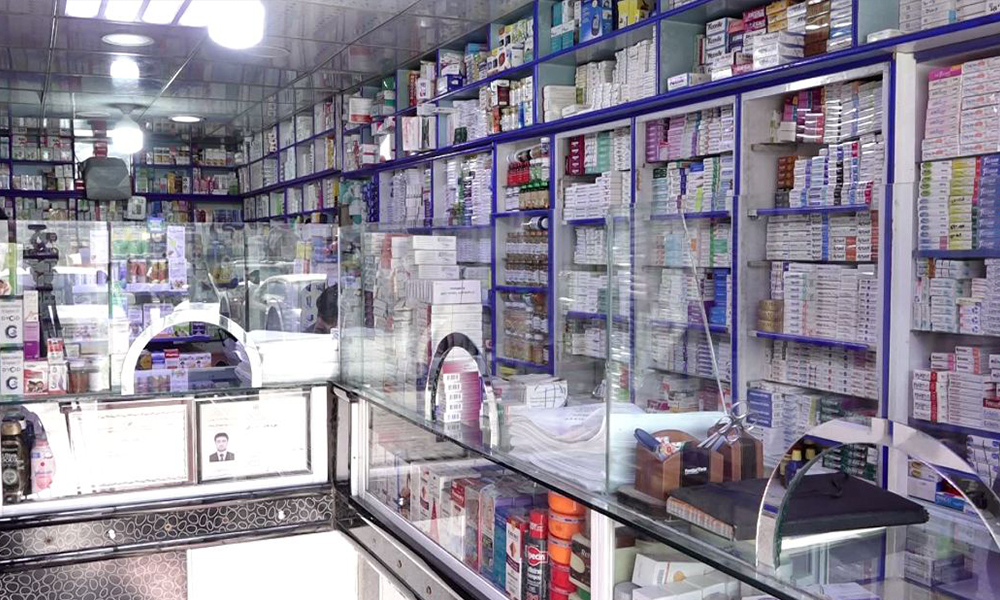
Afghans said Sunday that the cost of pharmaceutical drugs has doubled in the past month, on the back of a collapsing economy and struggling health sector.
“The medicine that costs 200 or 300 AFG, has now increased to 600 or 700 AFG. We urge the government to help the people and solve the problems,” said Hafizullah, a Kabul resident.
“[The price of] medicine has increased, it is imported,” said Mohammad Yaqoob, another Kabul resident.
Ministry of Public Health officials said Sunday that a commission has been established to monitor the price of pharmaceuticals on the market.
“A commission led by the deputy minister of public health will monitor the quality of medicine at the bazaar,” said Dr. Javed Hazher, spokesman for the Ministry of Health.
“Some countries have assisted Afghanistan [with medicine] and the aid will be continued Inshallah,” he said.
Afghanistan’s Medicine Union attributed the sharp price increase to the weak Afghani against the US dollar.
“First of all there is a difference in the exchange rate. Supply is low and demand is high and imports are not [back to] normal,” said Nimatullah Tawab Stanikzai, deputy head of the union.
Pharmacists meanwhile have voiced concern over the shortage of drugs.
“Prices have increased by 30% to 50%, and import routes are closed,” said Abdullah Masoumi, one Kabul pharmacist.
This comes amid an ongoing crisis in the health sector in the country and with limited supplies available a number of hospitals and clinics have had to close their doors.



Health
Afghanistan urges polio vaccination as cases reach 42
World Polio Day is observed annually on October 24 to raise awareness and strengthen global efforts to eliminate the disease.
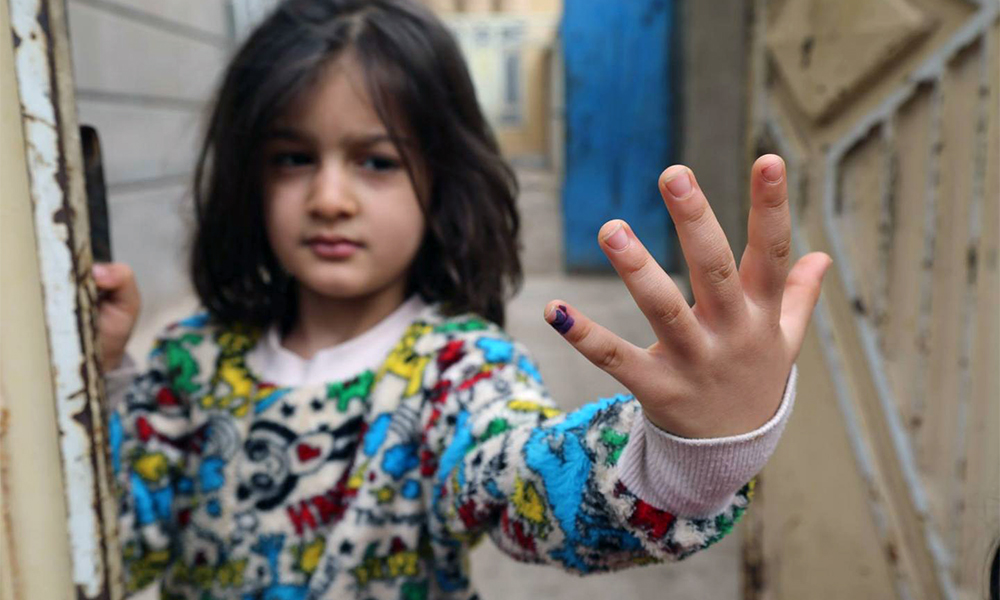
Afghanistan Free Polio has urged parents and caregivers to vaccinate their children against polio, warning of the continued need for vaccination efforts as the country marks World Polio Day on October 24.
In a message issued on Saturday, the organization called on families to ensure their children receive polio vaccines, stressing that every child has the right to grow up free from the disease.
The organization also emphasized the role of families and communities in preventing the spread of the virus and achieving a polio-free Afghanistan.
According to a previous report by the World Health Organization (WHO), six new polio cases had been recorded in Afghanistan, bringing the total number of cases reported since the beginning of 2026 to 42.
Afghanistan and Pakistan remain the only countries where polio has not been eradicated.
World Polio Day is observed annually on October 24 to raise awareness and strengthen global efforts to eliminate the disease.
Health authorities and public health organizations continue to stress that vaccination and community participation are essential to protecting children and preventing further transmission of the virus.
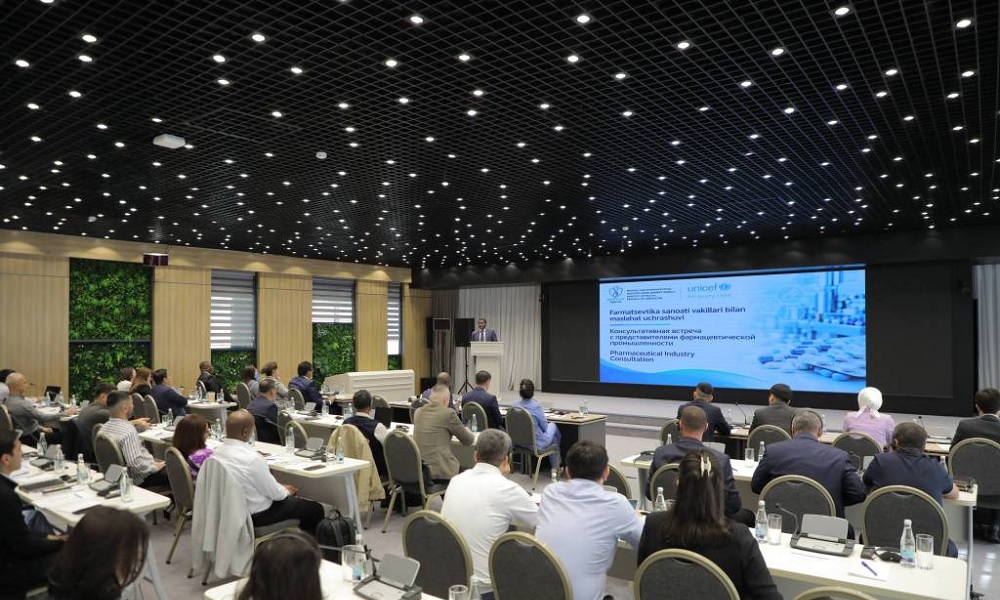
Uzbekistan’s Agency for the Development of the Medical and Pharmaceutical Industry has held talks with UNICEF representatives and local pharmaceutical companies on expanding cooperation and opportunities to supply medicines to Afghanistan.
The meeting was attended by Agency Director Abdulla Azizov, UNICEF Representative in Afghanistan Tajudeen Oyewale, and UNICEF Deputy Representative in Uzbekistan Geoffrey Ijumba.
According to Uzbekistan’s National News Agency, discussions focused on expanding access to international procurement platforms for Uzbek-made medicines, ensuring compliance with international quality standards, and improving transparency in pharmaceutical procurement and tender procedures.
The participants also explored mechanisms for bilateral agreements and potential medicine supplies to Afghanistan.
During the visit, the delegation toured BioPharma City, a pharmaceutical cluster under construction in the Tashkent region, and the Pharmaceutical Technical University. They were briefed on projects aimed at expanding domestic pharmaceutical production and training qualified specialists.
Health
WHO calls for greater mental health support in Afghanistan
World Mental Health Day is observed annually on October 10 to raise awareness of mental health challenges, reduce stigma and encourage access to appropriate care and support.
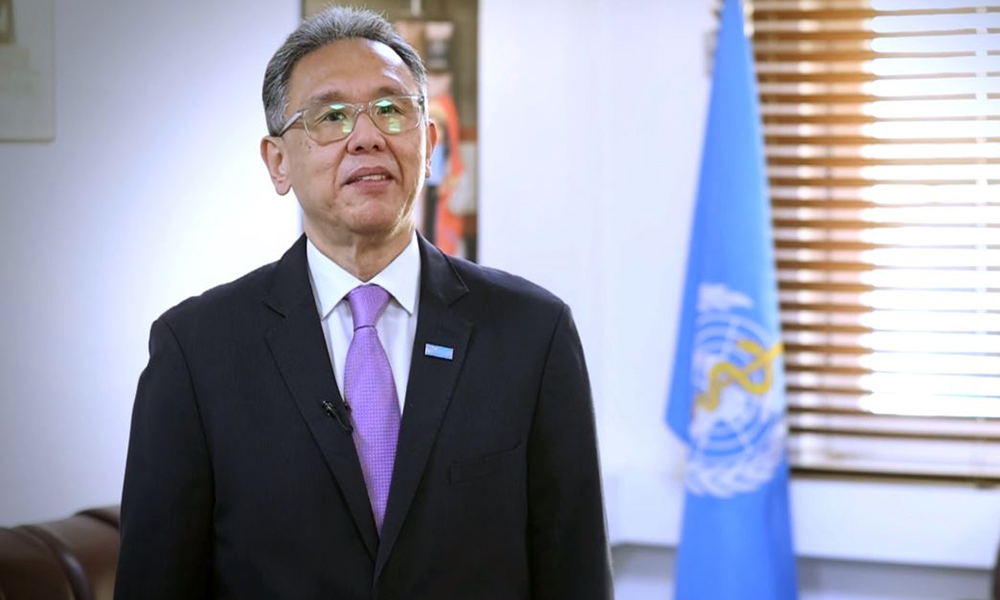
The World Health Organization (WHO) has called for greater attention to mental health care in Afghanistan, warning that many Afghans are experiencing psychological distress due to the loss of loved ones and the challenges of daily life.
Dr. Edwin Ceniza Salvador, the WHO representative in Afghanistan, made the remarks on Saturday, October 10, marking World Mental Health Day. He emphasized that mental health deserves the same level of attention as physical health and urged people experiencing psychological difficulties to seek support and recognize that they are not alone.
Salvador said that listening with empathy and without judgment, supporting one another and speaking openly about mental health issues can help build stronger families and healthier communities.
Highlighting this year’s World Mental Health Day theme, “Mental health in humanitarian emergencies,” he stressed the importance of listening to people’s personal experiences and ensuring their concerns and needs are heard.
He also called on Afghans to show greater compassion, support those facing emotional and psychological challenges, and strengthen community solidarity so that no one is left without care or assistance.
World Mental Health Day is observed annually on October 10 to raise awareness of mental health challenges, reduce stigma and encourage access to appropriate care and support.

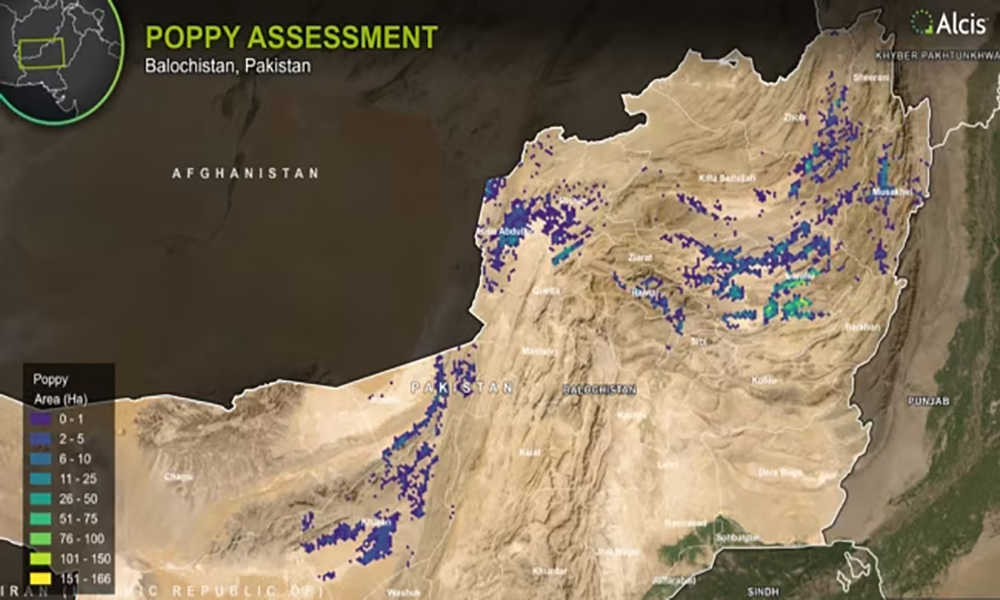
Afghanistan opium ban shifts cultivation to Pakistan and Iran, experts warn

Fazalhaq Farooqi leads record-breaking spending at ILT20 Season 5 auction
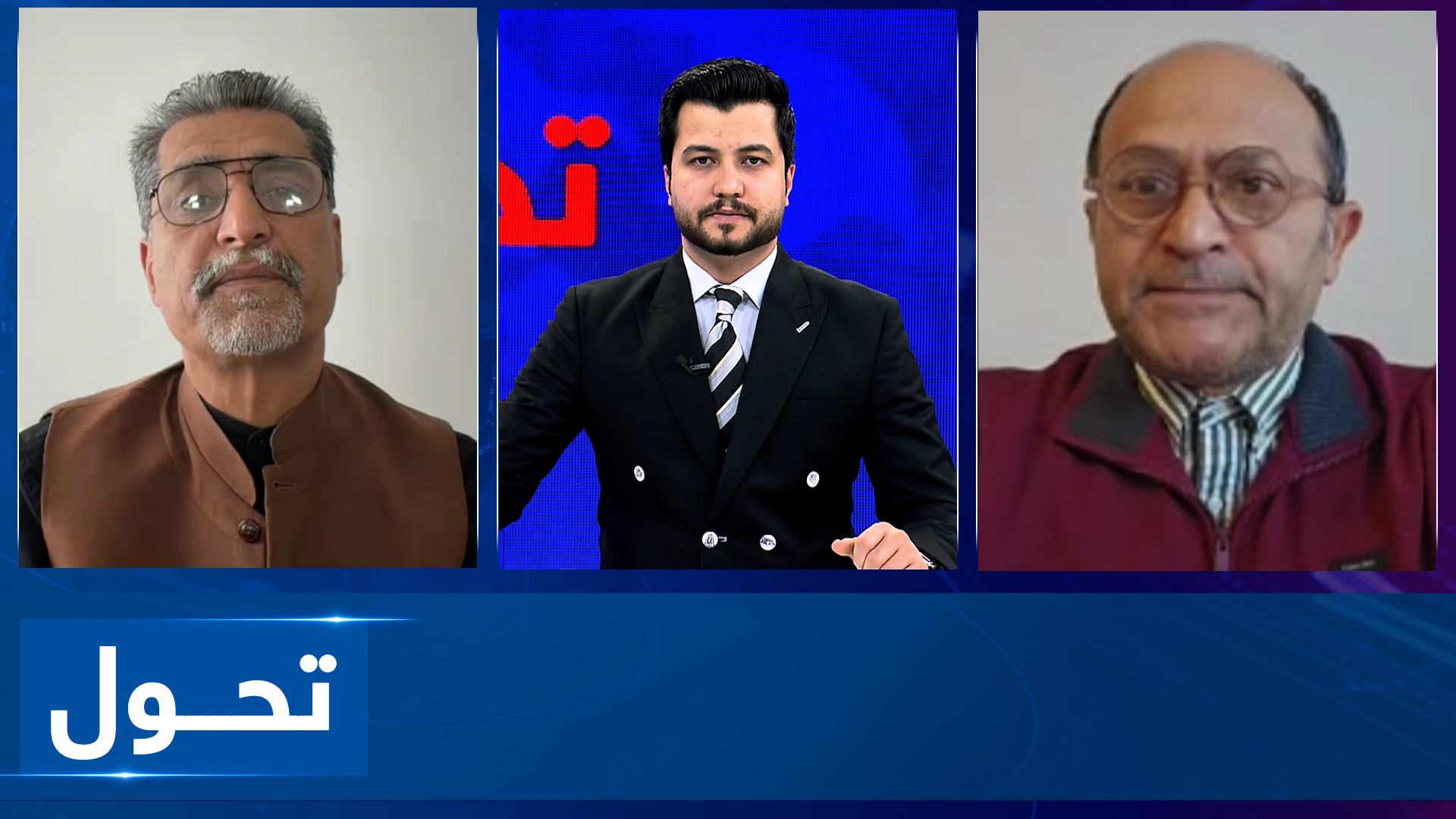
Tahawol: Ukraine war and ongoing peace efforts
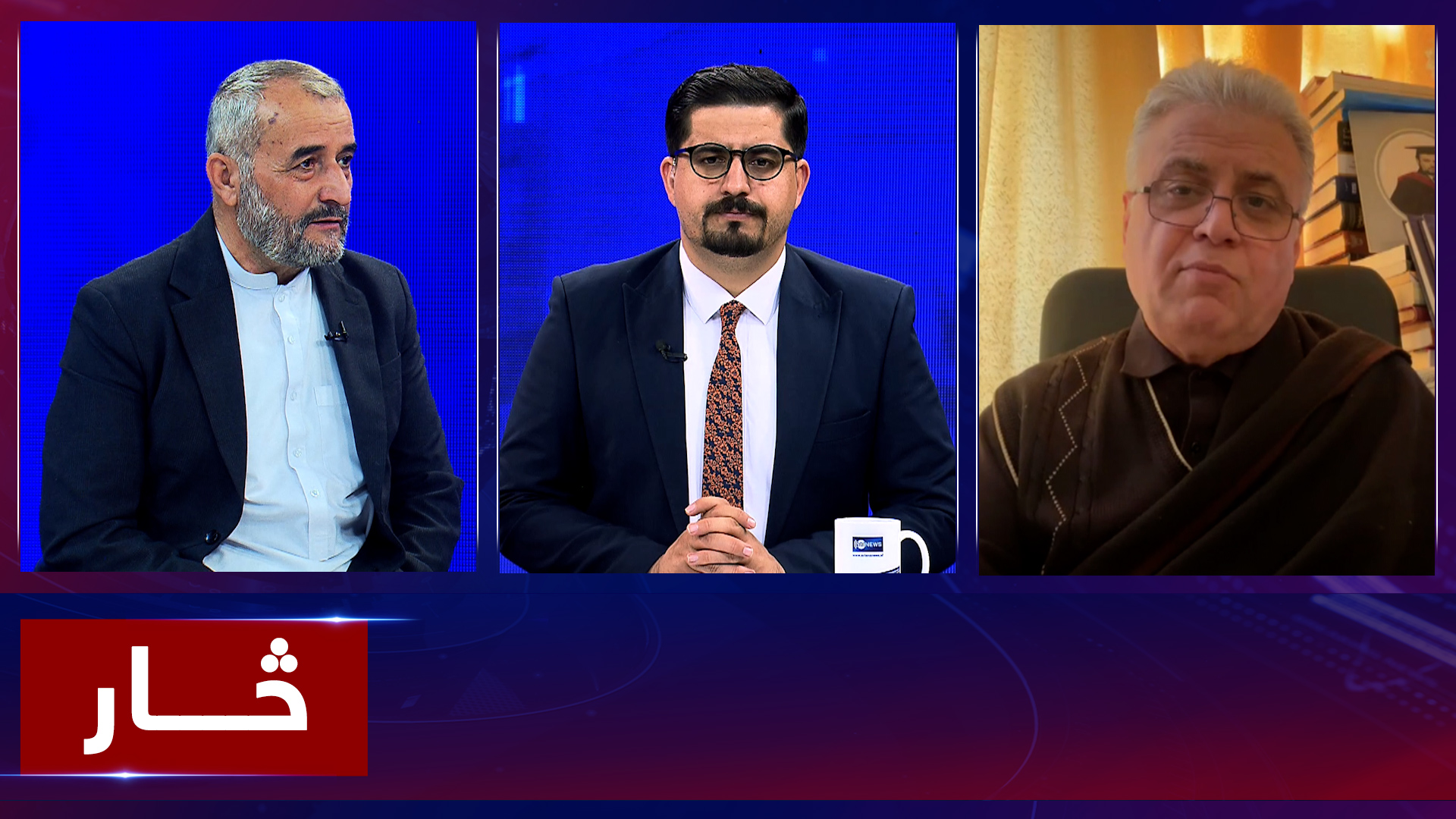
Saar: Obama’s remarks on Iran war
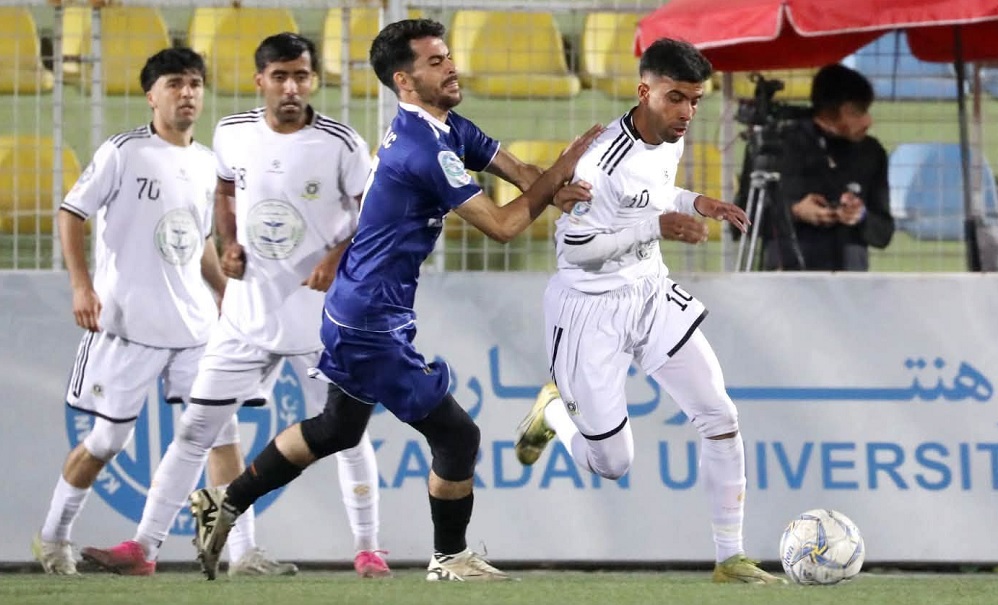
Aino Mina edge Omar Zawak 5-4 in Afghanistan Champions League

Cricket Bonanza: Afghanistan set for packed international schedule

Afghanistan on climate front line as Kabul faces groundwater warning

Afghanistan says 28 killed, 32 captured in Nuristan operation

ACB announces Afghanistan squads for Bangladesh, Zimbabwe series

Trump rejects Iranian proposal to open Hormuz and end fighting
Tahawol: Ukraine war and ongoing peace efforts
Saar: Obama’s remarks on Iran war
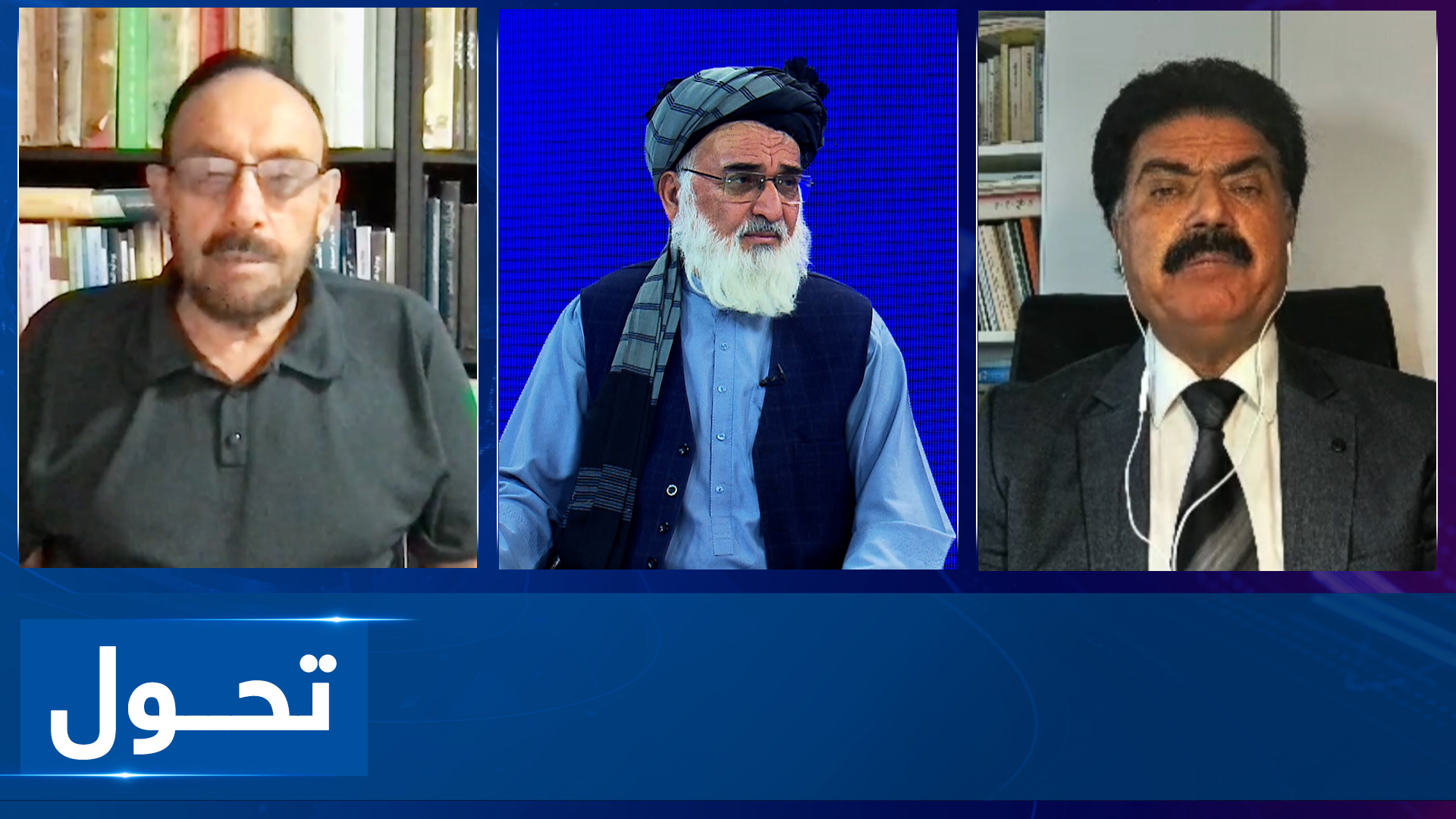
Tahawol: UN’s role in tackling global crises discsused
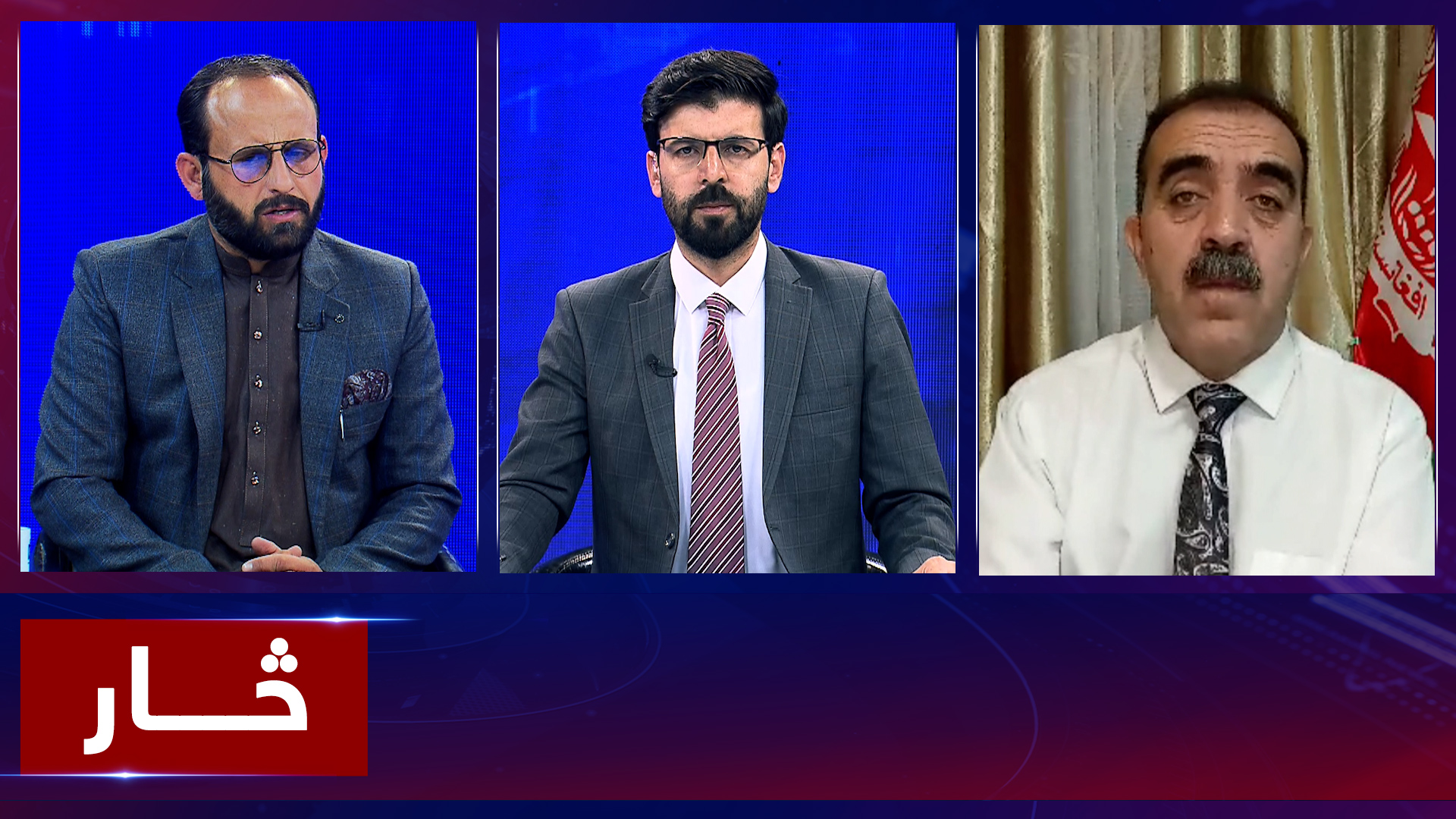
Saar: Pakistan’s blame on Kabul for its own failures discussed
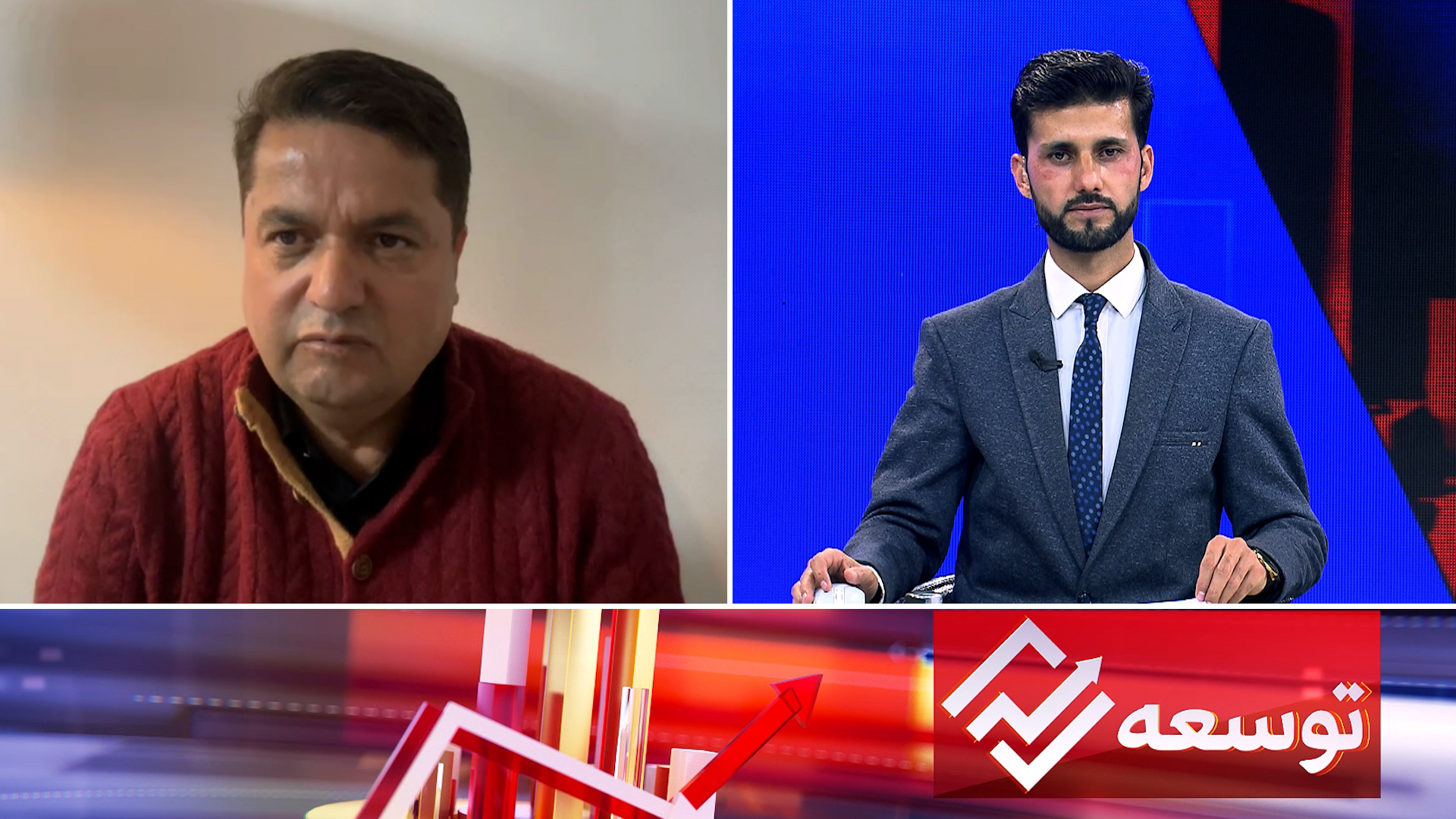
Tawsia: New opportunities in Afghanistan’s energy, trade and agriculture sectors discussed
-
 Latest News4 days ago
Afghanistan’s new Wakhan road to China faces major hurdles
-

 Science & Technology4 days ago
Governments take websites offline as critical cyber flaws trigger global alert
-

 World5 days ago
Governments warn citizens over security risks in France after riots
-
 Latest News4 days ago
CSTO to supply Tajikistan with weapons to strengthen Afghan border
-
 Latest News4 days ago
Russia to expand security and defence cooperation with Afghanistan
-
 Business3 days ago
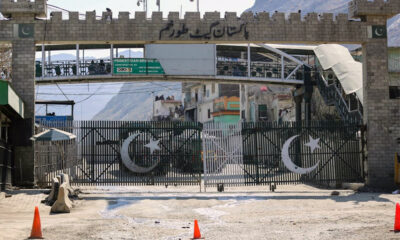
Pakistan exporters suffer billions in losses as Afghanistan trade halt continues
-
 Latest News2 days ago
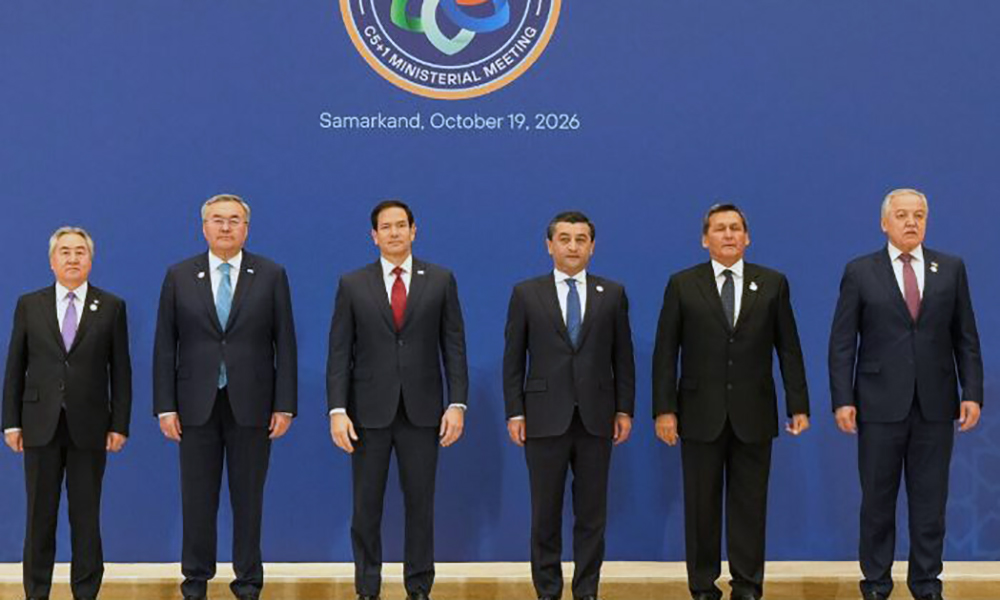
US Central Asia strategy faces challenges linked to Afghanistan’s political and security situation
-
 Business3 days ago
IMF forecasts 1.3 percent regional economic contraction in 2026