
Latest News
Afghanistan tops list for number of child casualties since 2005

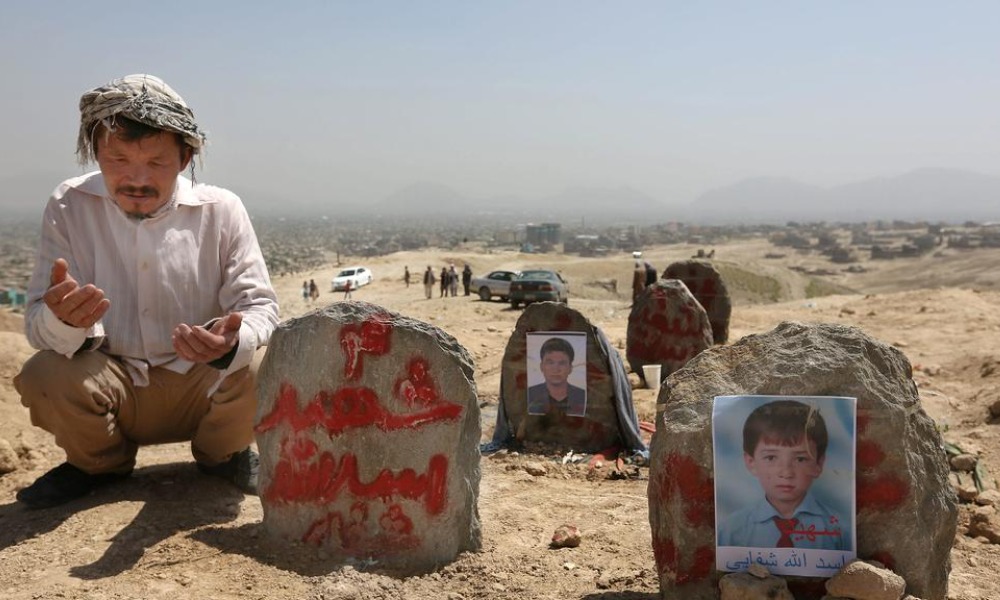
The United Nations Children’s Fund (UNICEF) said Friday that Afghanistan has witnessed the highest number of child casualties since 2005.
In a statement issued on Friday, UNICEF stated that more than 28,500 children have been killed in conflicts since 2005 in Afghanistan.
UNICEF said that Afghanistan, Yemen, Syria, and northern Ethiopia, are the places where “thousands of children paid a devastating price as armed conflict, inter-communal violence, and insecurity continued.”
According to the statement, Afghanistan has recorded 27 percent of all verified child casualties globally.
“Year after year, parties to conflict continue to demonstrate a dreadful disregard for the rights and wellbeing of children,” said UNICEF Executive Director Henrietta Fore.
“Children are suffering, and children are dying because of this callousness. Every effort should be made to keep these children safe from harm,” Fore added.
UNICEF stated that the Middle East and North Africa region has the highest number of verified attacks on schools and hospitals since 2005.
“Twenty-two such attacks were verified in the first six months of 2021,” read the statement.
According to UNICEF, 10,000 children have been killed or maimed in Yemen since fighting escalated in March 2015, the equivalent of four children every day.
“The use of explosive weapons, particularly in populated areas, is a persistent and growing threat to children and their families; in 2020, explosive weapons and explosive remnants of war were responsible for nearly 50 percent of all child casualties, resulting in more than 3,900 children killed and maimed,” the statement read.
UNICEF noted that 37 percent of abductions verified by the UN in 2020 have led to the recruitment and use of children in war.
“Verified abductions were highest in Somalia, followed by the Democratic Republic of the Congo (DRC) and the countries of the Lake Chad Basin: Chad, Nigeria, Cameroon and Niger.”
“Verified instances of sexual violence were highest in the DRC, Somalia and the Central African Republic,” the statement said.

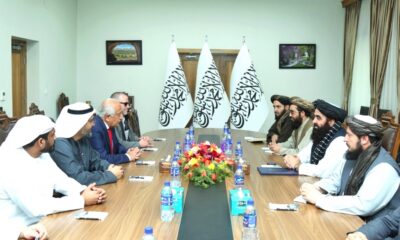



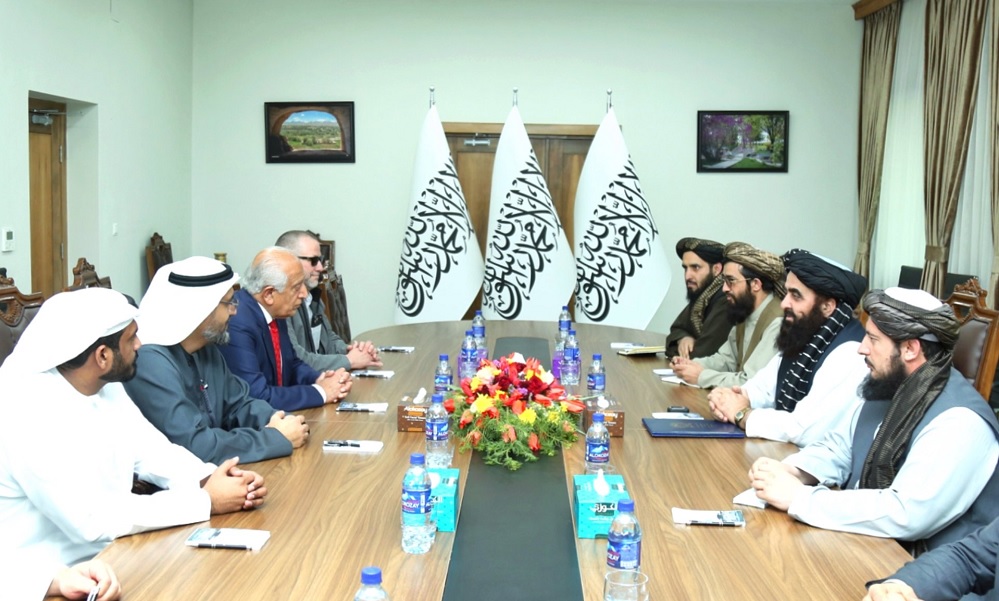
The Ministry of Foreign Affairs of the Islamic Emirate of Afghanistan has announced the release of American citizen Dennis Coyle from prison.
According to the ministry, Coyle’s mother had written to the leader of the Islamic Emirate demanding amnesty and the release of her son on the occasion of Eid, and the Supreme Court considered his imprisonment sufficient and decided to release him.

The United Kingdom has announced an additional £3 million (AFN 257 million) in humanitarian assistance to Afghanistan, aimed at supporting people affected by natural disasters and other shocks.
Richard Lindsay, in a post on X, said the funding will be used to provide essential nutrition supplies and related support to vulnerable populations.
The new allocation brings the UK’s total bilateral assistance to Afghanistan for the current financial year to £154 million (AFN 13.18 billion).
Latest News
Around 2.3 million tourists visited Afghanistan’s recreational areas during Eid: Ghufran
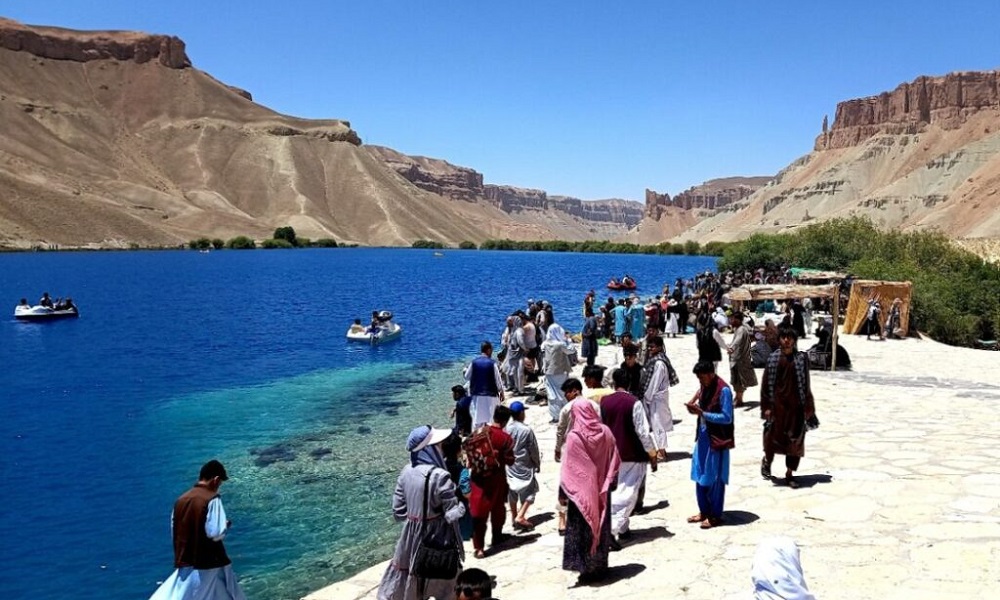
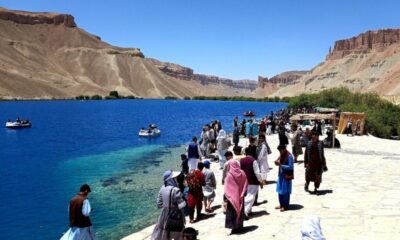
Khubaib Ghufran, spokesperson for the Ministry of Information and Culture, announced on Tuesday that over Eid al-Fitr holidays approximately 2.3 million domestic and foreign tourists visited the country’s recreational areas and natural attractions.
Ghufran said this level of tourist presence shows a significant increase compared to previous years and indicates growth and strengthening of the tourism sector.
Meanwhile, officials from the ministry’s departments, while emphasizing public cooperation in preserving the environment, maintaining cleanliness in public places, and protecting tourist attractions, stated that through extensive cooperation and efforts by security institutions, tourists were able to travel to different parts of the country with full confidence during the Eid holidays.
According to Ghufran, the Ministry of Information and Culture is working to develop and strengthen the tourism sector across the country and to provide more facilities and conveniences for tourists.
However, some tourists who traveled to various provinces praised the order, security, and hospitality of the people. They said that all provinces of Afghanistan have always been beautiful, but this year, with the current level of security and tourism facilities, their trips have become even more memorable.


Islamic Emirate releases American prisoner Dennis Coyle

UK announces additional £3 million in aid for vulnerable people in Afghanistan

Around 2.3 million tourists visited Afghanistan’s recreational areas during Eid: Ghufran

Berlin does not recognize IEA envoy as charge d’affaires of Afghan embassy

US allies in Middle East ‘edging closer’ to joining conflict

Pakistani military jet downed in Afghanistan’s Jalalabad, pilot captured alive

Afghan Air Force conducts airstrikes in Islamabad, other cities

Prominent Muslim scholar issues fatwa calling for Afghanistan-Pakistan ceasefire

Afghan air force strikes key Pakistani military installations in retaliatory operation

IEA: Special circle in Pakistan has launched mission to destabilize region

Tahawol: Possibility of US ground forces entering Iran war discussed

Saar: Using US prisoners as political pressure

Tahawol: Pakistan’s efforts to destabilise Afghanistan

Saar: Decline in international assistance to Afghanistan

Tawsia: Assessment of Afghanistan’s economic activities in 1404
-
 Sport4 days ago
Afghanistan national buzkashi falls short in Kokpar World Championship semifinals
-

 Sport3 days ago
Ireland to host Afghanistan for ODI series in August
-
 Latest News5 days ago
Security Sources: Pakistani military shelling in Kunar and Nuristan leaves female doctor dead
-
 Latest News3 days ago
Mojtaba Khamenei calls for improved Afghanistan–Pakistan relations, offers help
-
 Latest News2 days ago
Deadly violence likely without dialogue between Afghanistan and Pakistan: ICG
-

 Sport4 days ago
FIFA sanctions Israeli Football Association over discrimination violations
-

 Latest News3 days ago
Malaysian PM welcomes temporary Afghanistan–Pakistan truce, urges lasting peace
-
 Latest News4 days ago
IEA defense ministry accuses Pakistan of ceasefire violations