
Latest News
Afghanistan central bank raises limit on bank withdrawals to $400 a week


Afghanistan’s central bank has eased restrictions on bank withdrawals, lifting the maximum to $400 from dollar-denominated accounts or 30,000 Afghanis a week from the previous limit of $200 or 20,000 Afghanis, the central bank said on Wednesday.
The change, which sets a monthly limit on withdrawals of $1,200 or 100,000 Afghani, came amid growing economic hardship that has left millions in Afghanistan without work and facing hunger.
Even those with savings have struggled to pay for food and household necessities because of the strict limits on withdrawals that were brought in to prevent a run on banks.
Afghanistan’s foreign exchange reserves have been restricted following the Islamic Emirate of Afghanistan (IEA) take over in August, severely limiting the new administration’s room for financial manoeuvre.
Some $9.5 billion in central bank reserves remain blocked outside the country and international support given to the previous government has dried up.
This week, the IEA banned the use of foreign currencies for transactions like buying a car or a house, saying all contracts must be denominated in the Afghani currency.


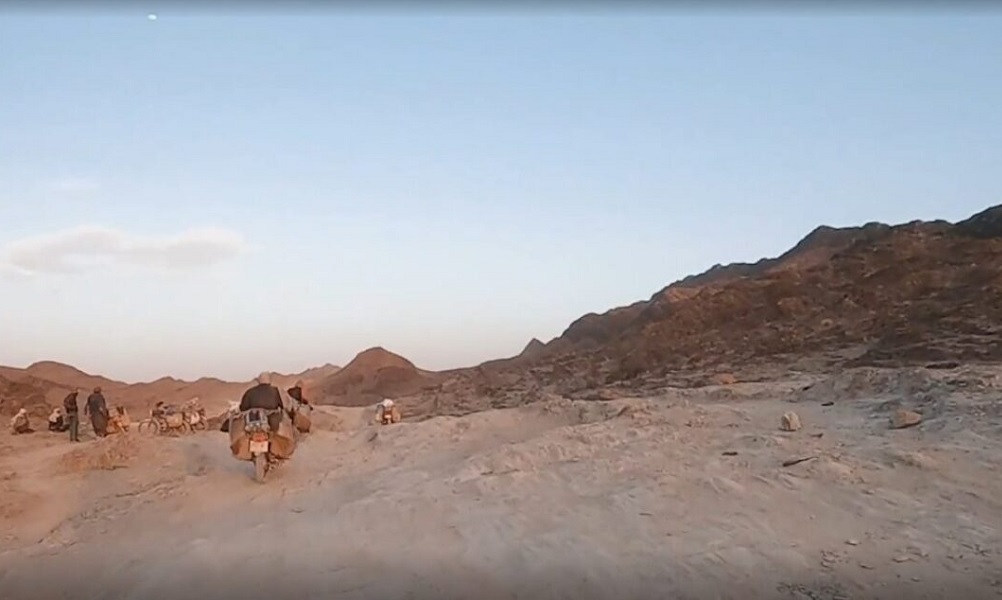
Three Afghan migrants, including a woman and a child, have been killed in a shooting by Iranian forces in Iran’s southeastern Sistan and Baluchestan province, according to the human rights organization Haalvsh.
The incident took place on Friday, November 20, in the Kalleh-Gan area of Saravan. Haalvsh said all three victims were shot in the head.
Citing local sources and eyewitnesses, the organization reported that the bodies were covered with a pile of stones after the shooting. Other Afghan migrants passing through the area later discovered the bodies.
The identities of the victims have not yet been established.
Latest News
OIC contact group discusses roadmap for phased engagement with Afghanistan’s authorities
Participants further discussed the importance of maintaining direct and constructive dialogue with Afghanistan’s authorities on issues of shared interest.
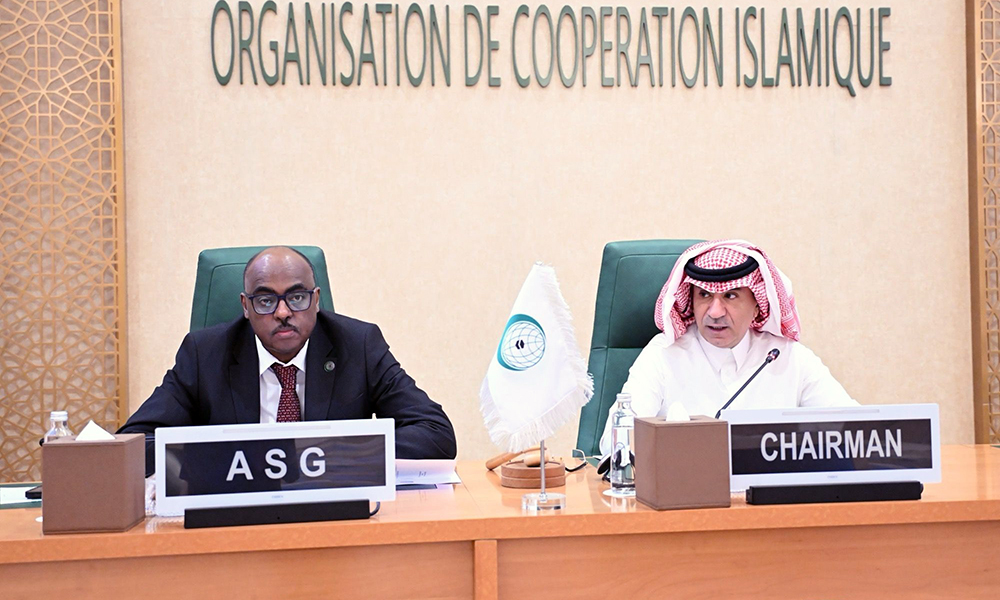
The Ministerial Contact Group of the Organization of Islamic Cooperation (OIC) on Afghanistan has held a preparatory technical meeting in Jeddah to discuss a roadmap outlining a structured and phased approach to engagement with Afghanistan’s authorities.
During the meeting, participants reviewed key issues concerning the OIC’s position on Afghanistan’s evolving political and humanitarian situation and explored ways to establish a systematic framework for communication and engagement with the country’s current authorities.
According to the OIC, the proposed roadmap is intended to guide the Contact Group’s engagement in a manner that serves the interests of the Afghan people while contributing to stability and development in the country.
The meeting also focused on identifying priority areas for the Group’s work, particularly the implementation of relevant resolutions adopted by the OIC Council of Foreign Ministers.
Participants further discussed the importance of maintaining direct and constructive dialogue with Afghanistan’s authorities on issues of shared interest.
The meeting forms part of the OIC’s efforts to establish a coordinated approach to its engagement with Afghanistan amid ongoing political and humanitarian challenges.
Latest News
Islamic Emirate disputes UN report on Afghanistan opium cultivation
The Islamic Emirate has repeatedly maintained that its ban on narcotics remains in force and that counter-narcotics operations are continuing across the country.
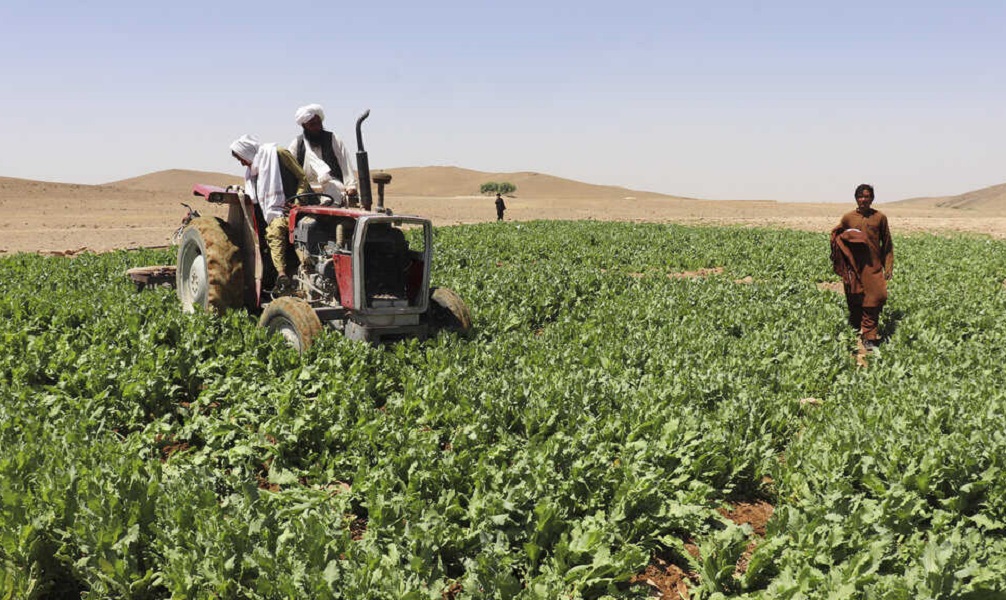
The Islamic Emirate of Afghanistan has disputed a new United Nations report estimating a sharp increase in opium poppy cultivation in 2026, saying the findings do not accurately reflect the results of its nationwide counter-narcotics operations.
The Afghanistan Opium Survey 2026, published by the United Nations Office on Drugs and Crime (UNODC), estimates that poppy cultivation has increased to more than 43,000 hectares, compared with approximately 10,000 hectares in 2025.
The report also estimates that opium production has risen to nearly 1,500 tonnes, up from around 300 tonnes last year. It identifies northeastern Afghanistan, particularly Badakhshan and Takhar, as major cultivation centres.
However, the Ministry of Interior has challenged the figures, arguing that the survey does not adequately account for eradication operations carried out by Afghan authorities.
The ministry said its counter-narcotics campaign had resulted in the destruction of poppy cultivation across approximately 23,000 hectares of land during 2026, maintaining that its own assessments show cultivation has been reduced to almost zero.
The UNODC report attributes the reported increase partly to economic pressures on farming communities and limited alternative livelihood opportunities. It also notes that cultivation remains significantly below pre-ban levels, when more than 200,000 hectares were planted with opium poppy.
The Islamic Emirate has repeatedly maintained that its ban on narcotics remains in force and that counter-narcotics operations are continuing across the country.
The differing assessments highlight a gap between the UN’s estimates and the figures presented by Afghan authorities, as Afghanistan continues its efforts to eliminate narcotics cultivation while addressing the economic challenges facing rural communities.

Three Afghan migrants, including woman and child, killed in Iran border shooting

Saar: Pakistan FM’s remarks on Afghanistan
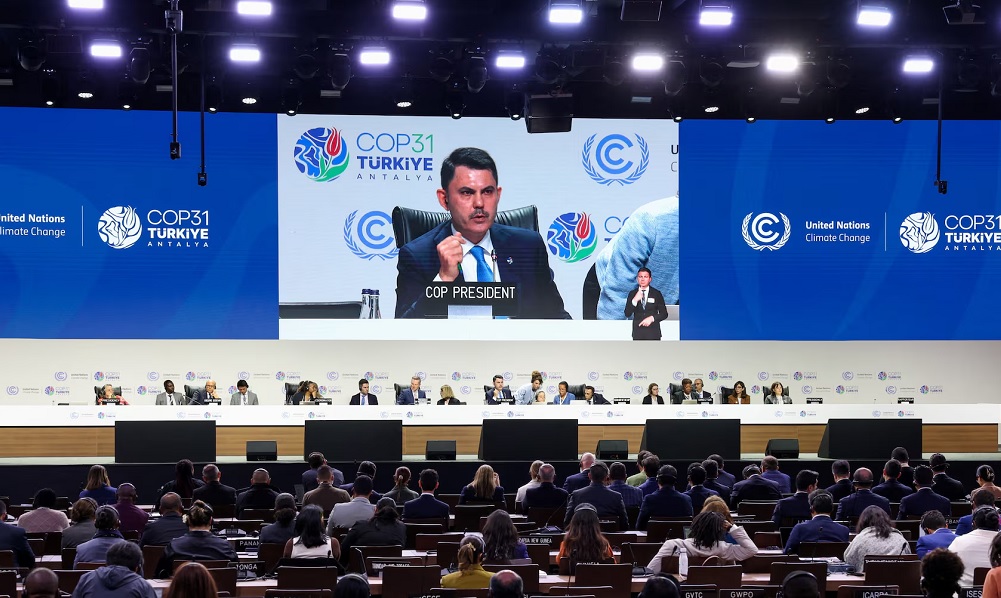
COP31 climate talks collapse as EU and others reject deal
OIC contact group discusses roadmap for phased engagement with Afghanistan’s authorities
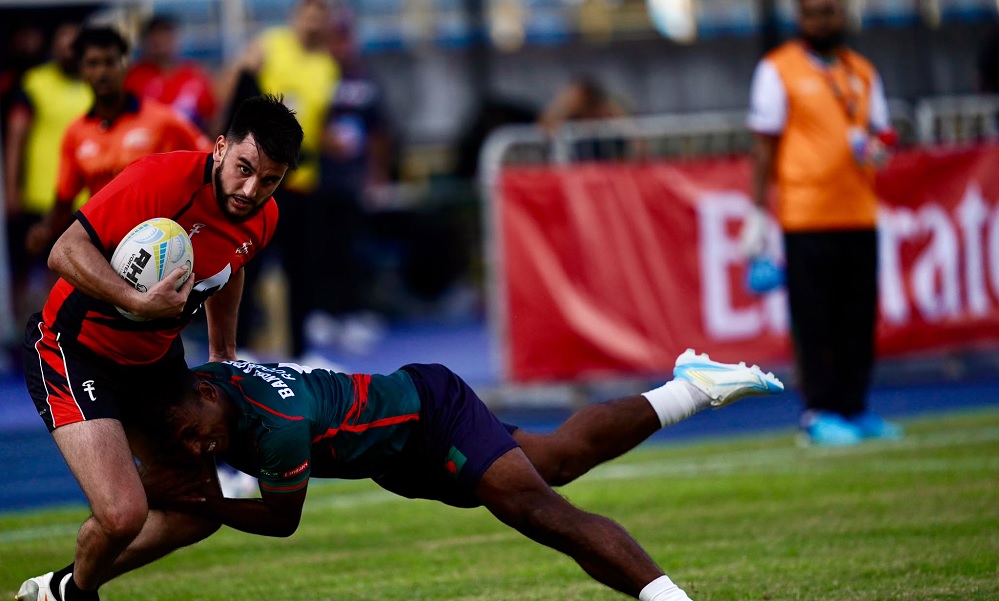
Afghanistan wins bronze at Asia Rugby Sevens Trophy 2026

US sanctions and blockade measures disrupt Iran’s trade with Afghanistan and regional neighbors
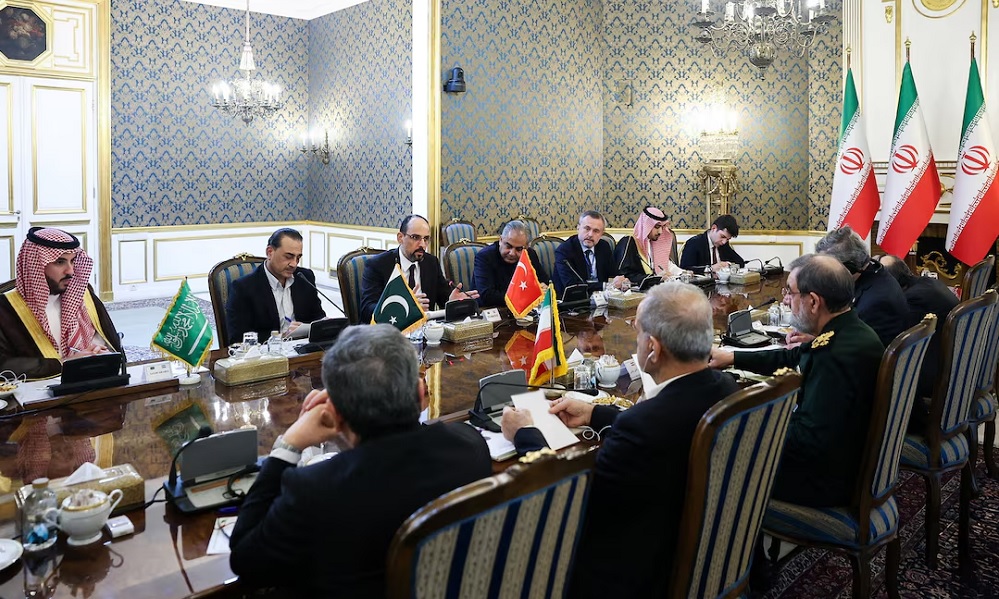
Saudi defence pact countries push for peace in Tehran as Houthis launch more attacks

England forward Kane crowned Ballon d’Or winner

Afghanistan to launch nationwide polio vaccination campaign

Afghanistan urges polio vaccination as cases reach 42
Saar: Pakistan FM’s remarks on Afghanistan
Tahawol: World Television Day discussed
Saar: Efforts to resolve Afghanistan-Pakistan tensions in Moscow reviewed
Tawsia: Afghanistan’s key economic highlights of the week discussed
Tahawol: Kazakhstan’s call for practical international engagement with Afghanistan
-
 Sport5 days ago
ATN to broadcast AFC Awards honoring Asia’s football stars
-
 Regional5 days ago
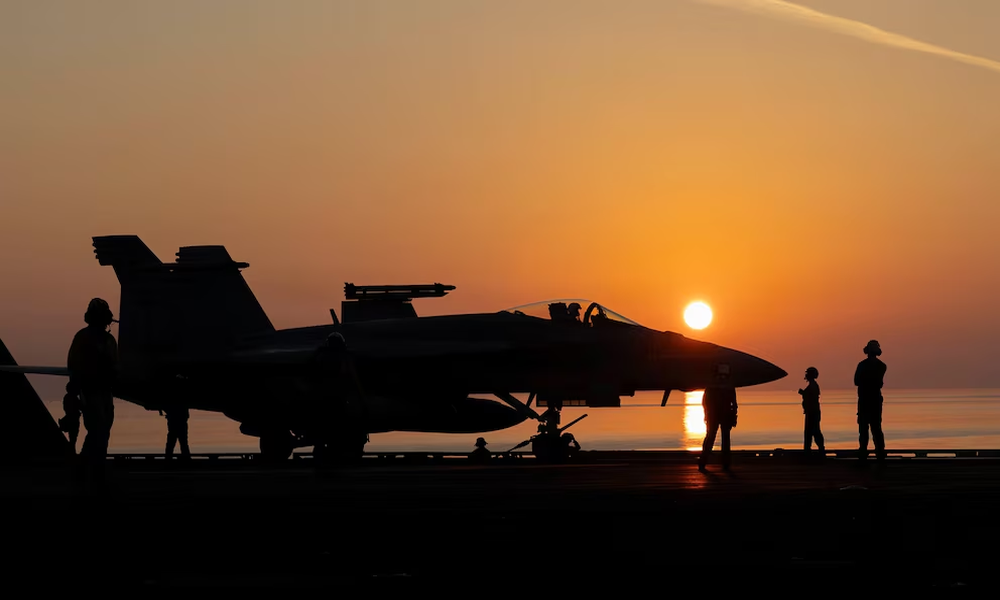
US strikes Iranian military site as Gulf states report fresh attacks
-
 Latest News5 days ago
Afghanistan’s economy grows despite rising food insecurity and water crisis: World Bank
-
 Latest News4 days ago
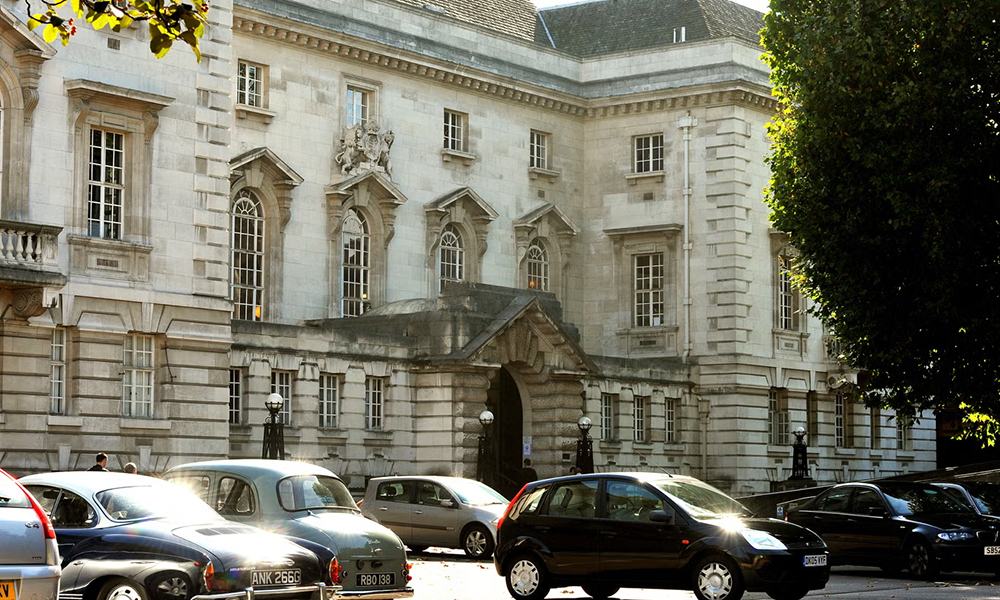
Two Afghan nationals convicted over sexual assault of 14-year-old girl on UK train
-
 Business5 days ago
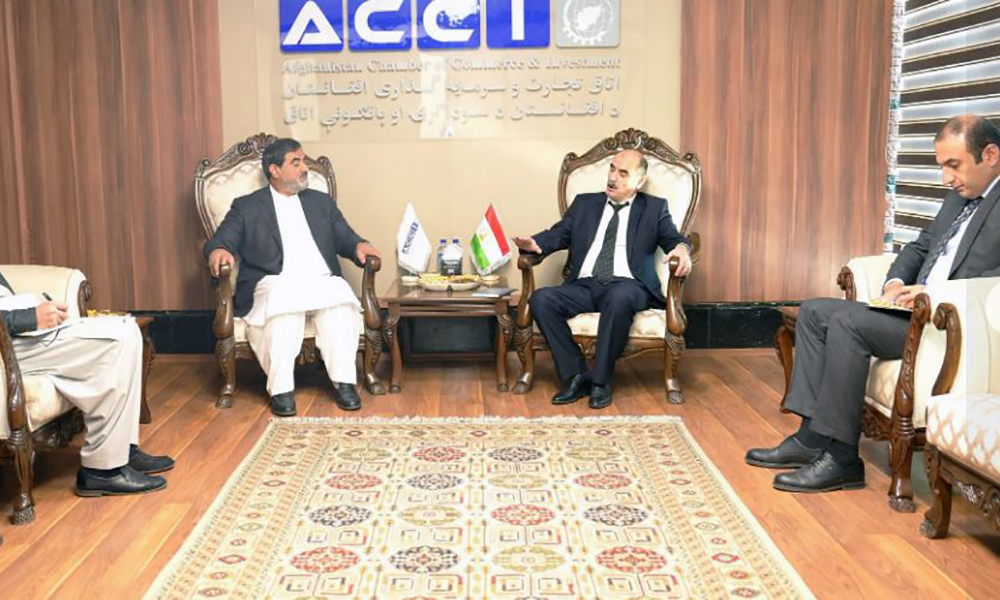
Tajikistan seeks to establish joint market along border with Afghanistan
-
 Latest News5 days ago
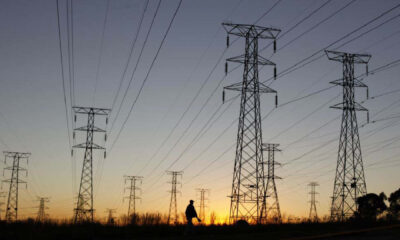
Pakistan invites Turkmenistan to join CASA-1,000 power project
-
 Sport4 days ago
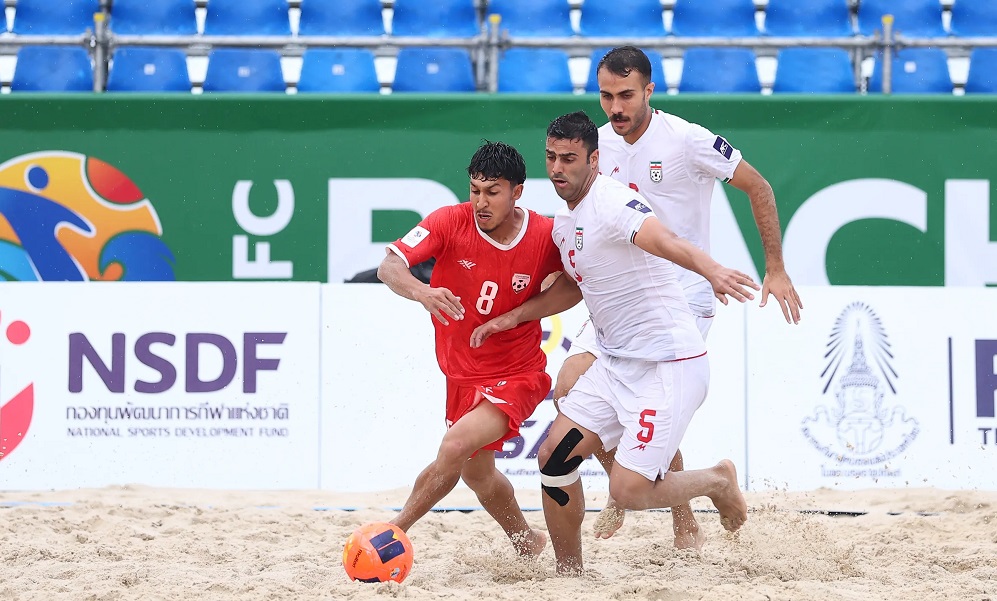
Afghanistan suffer 9-2 defeat to Iran in Beach Soccer Asian Cup opener
-
 Business4 days ago
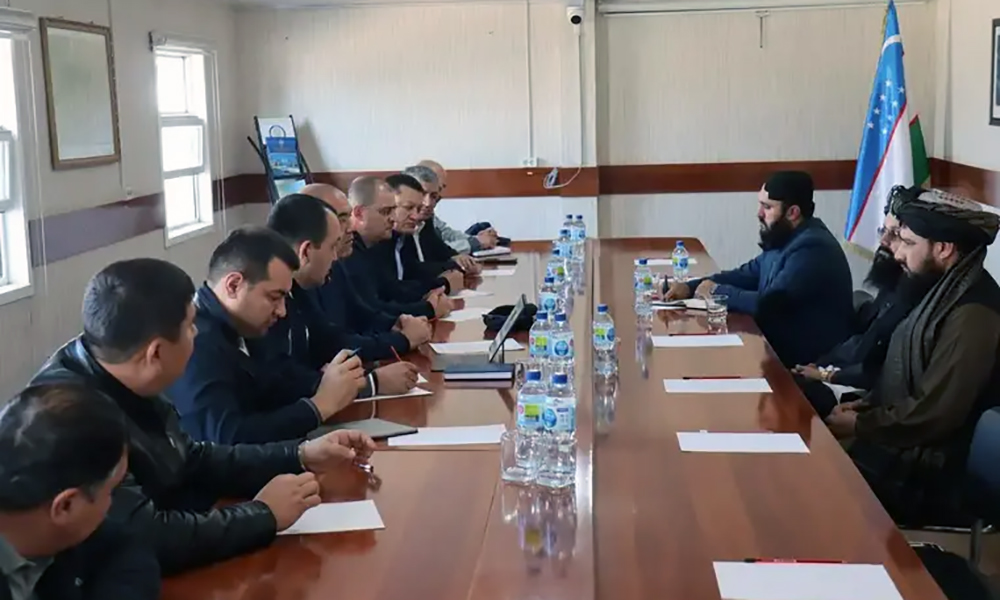
Afghanistan and Uzbekistan agree to expand railway cooperation and boost freight traffic