
Latest News
Presidential citadel reacts to Taliban “Spring Offensive”; stresses Afghan forces spirits unbroken

![TALIBAN_12 - 04 - 2016 - DARI - SOT.mpg_snapshot_00.44_[2016.04.12_18.42.55]](https://ariananews.af/wp-content/uploads/2016/04/TALIBAN_12-04-2016-DARI-SOT.mpg_snapshot_00.44_2016.04.12_18.42.55.jpg)
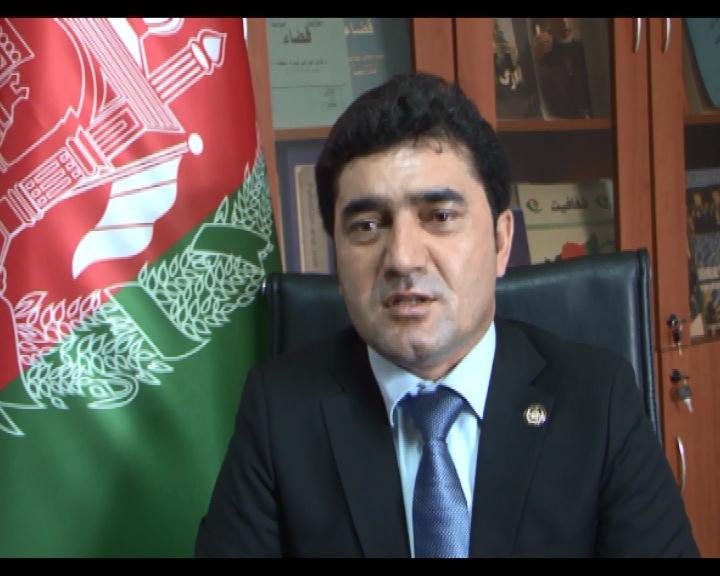
Afghanistan presidential palace in reaction to the announced statement by the Taliban to launch spring offensive said the Taliban’s “Omari” operation is not more than a propaganda and ineffective effort.
The Taliban declared the start of their fighting season on Tuesday, vowing to take control of more territory and launch large-scale attacks against the Afghan government and its foreign allies, including the U.S.
In an email to media, the militants said the spring offensive had begun at 5 a.m. They dubbed the campaign “Operation Omari” in honor of Taliban founder Mullah Mohammad Omar, who died three years ago.
“Jihad against the aggressive and usurping infidel army is a holy obligation upon our necks and our only recourse for re-establishing an Islamic system and regaining our independence,” the Taliban said in a statement.
The presidential Palace in reaction to the statement said Afghan security forces were prepared to respond to any kind of attack.
“The initiative on the battlefield is in hands of Afghan forces. The Afghan “Shafaq” operation has dealt a heavy blow to the Taliban,” Dawa Khan Mina Pal, President’s deputy spokesman said.
Meanwhile, the National Defense Ministry emphasizes that Taliban are weak against Afghan forces and the experience of Kunduz fall would not be repeated in the future.
“We had a fierce battle last year and we are trying to do not repeat the experience of Kunduz fall again,” Muhammad Radmanesh, deputy spokesman of defense ministry said.
In the meantime, a number of Afghan senators declared that the National Unity Government (NUG) must take serious measures against Taliban’s spring offensive.
The senators stressed to not compassionate to those who target the Afghan people.
They noted that the regional countries seek to rise insecurity in Afghanistan and the government should prevent such machinations.
“The government should take serious measures against the armed Taliban group started a spring offensive and mobilize security institutions to prevent their activities,” senator Jomaddin Geyanwal said.
“The security forces should have no mercy to those who do not want peace and use any option for their elimination,” senator Muhammad Asef Sidiqi said.
The High Peace Council (HPC) is also awaiting for Pakistan’s integrity in brining Taliban to the negotiation table.
“This is important that Pakistan’s honesty is still not clear as previously, the quartet meeting held between US, China, Pakistan and Afghanistan for peace,” Khaibar Ochqun, deputy of HPC said.
In line with recent statements, the militants also said they would establish good governance in areas they controlled and avoid civilian casualties and damage to infrastructure.
The seasons have long shaped violence in Afghanistan with fighting easing off in the winter, when mountain passes get snowed in, and picking up again in the spring and summer.
Fighting between the Afghan government and the Taliban is now in its 15th year, and the violence shows no sign of abating.

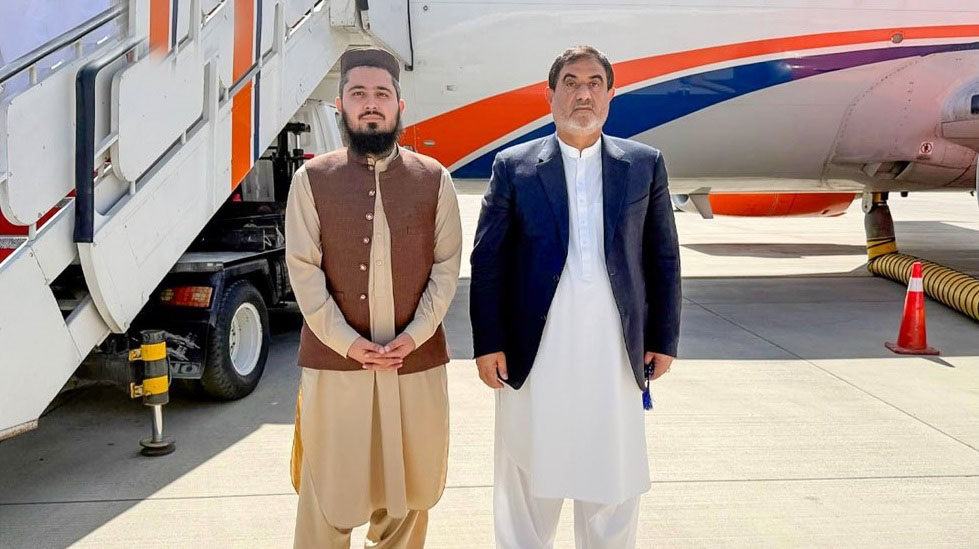
Sayed Karim Hashemi, chairman of the Afghanistan Chamber of Commerce and Investment (ACCI), has begun an official visit to Uzbekistan, India, and Kyrgyzstan as part of efforts aimed at strengthening Afghanistan’s regional economic ties.
ACCI said in a post on Saturday that the visit is focused on enhancing regional economic cooperation, attracting foreign investment into Afghanistan, and creating broader trade opportunities for Afghan businesses and traders.
Latest News
Central Asia–Afghanistan dialogue underscores regional connectivity and stability
Participants stressed that improved infrastructure links and stronger economic partnerships could play a key role in promoting stability and facilitating greater regional integration.
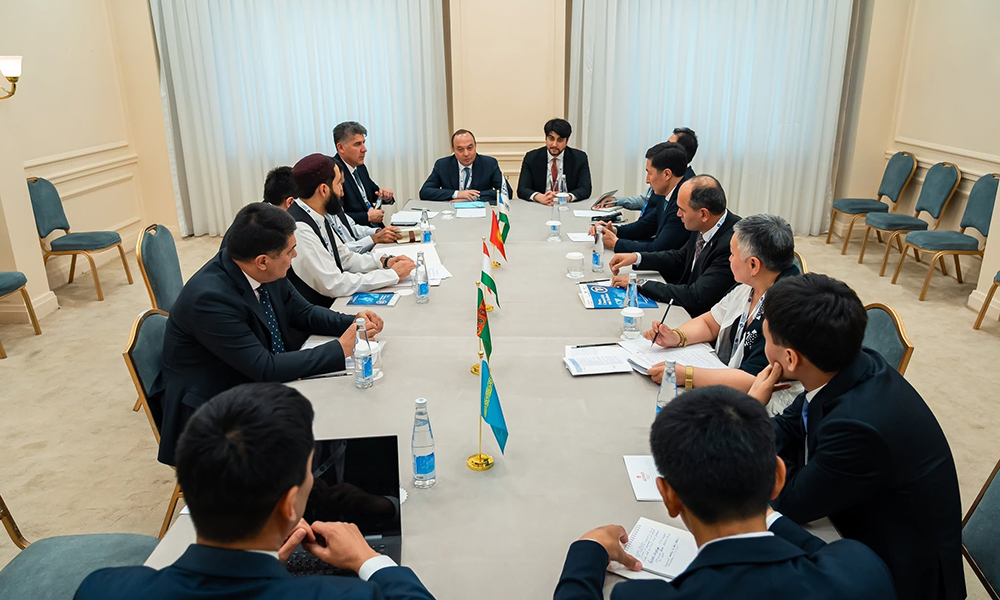
Policymakers, analysts, and regional stakeholders gathered on the sidelines of the Termez Dialogue on Connectivity between Central and South Asia to discuss the future of regional connectivity, economic cooperation, and stability between Central Asia and Afghanistan.
According to the Center for Strategic Studies Afghanistan, participants highlighted Afghanistan’s strategic position as a vital link between Central and South Asia, emphasizing the need for sustained engagement, practical cooperation, and inclusive economic initiatives to strengthen regional ties.
The discussions focused on expanding trade corridors, enhancing transport and energy connectivity, and fostering trust through continued dialogue among regional partners. Representatives from the Center for Strategic Studies, the Ministry of Foreign Affairs, and the Islamic Emirate of Afghanistan shared perspectives on regional priorities and opportunities for deeper cooperation.
Participants stressed that improved infrastructure links and stronger economic partnerships could play a key role in promoting stability and facilitating greater regional integration. They also underscored the importance of maintaining constructive dialogue to address common challenges and advance shared development goals.
The meeting concluded with a renewed commitment to building a stable, connected, and prosperous region. Attendees agreed that closer cooperation between Central Asian countries and Afghanistan is essential for unlocking broader economic opportunities and strengthening regional connectivity.
Latest News
IEA’s supreme leader chairs cabinet meeting in Kandahar, urges stronger religious education and public service
The IEA leader stressed that strengthening the country’s Islamic system depends on expanding religious education and increasing public awareness of Islamic teachings.
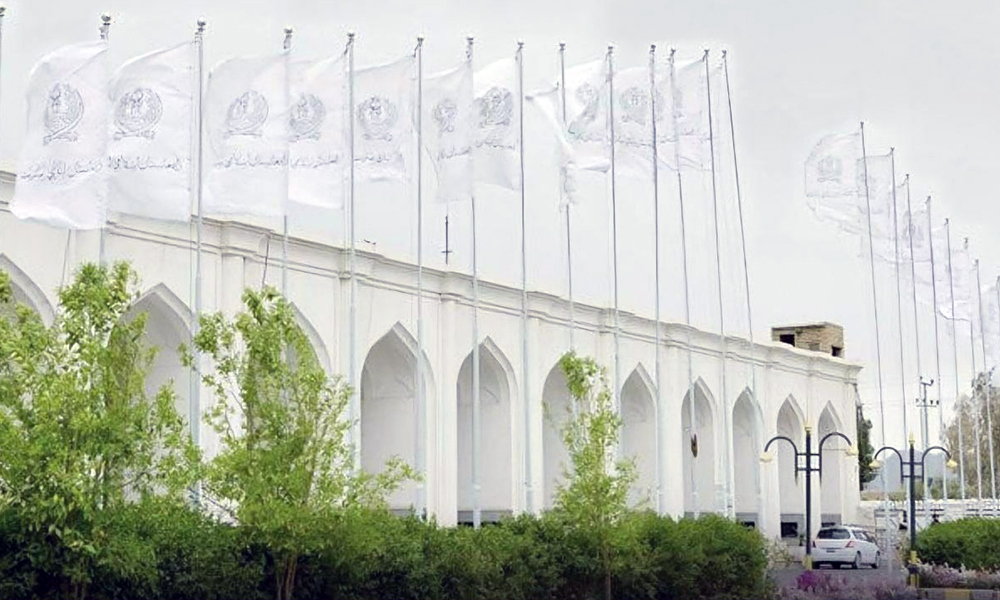
The supreme leader of the Islamic Emirate of Afghanistan (IEA), Hibatullah Akhundzada, chaired a meeting of the Council of Ministers in Kandahar, where he called for greater emphasis on religious education, justice, accountability, and public service, according to Deputy Spokesman Hamdullah Fitrat.
Speaking at the meeting, Akhundzada provided guidance to cabinet members on carrying out their responsibilities, implementing Sharia-based directives, addressing public concerns, and serving citizens with sincerity and commitment, Fitrat said.
The IEA leader stressed that strengthening the country’s Islamic system depends on expanding religious education and increasing public awareness of Islamic teachings. He urged officials to uphold Islamic values, provide religious guidance, and work to protect society from influences he described as harmful to moral and religious principles.
Akhundzada also underscored the importance of justice, humility, accountability, and ethical conduct among government officials, saying their actions should reflect Islamic teachings and set a positive example for the public.
According to Fitrat, the supreme leader further called for the expansion of Islamic education nationwide, noting that knowledge and strong religious conviction contribute to stability and effective governance.
The Council of Ministers also reviewed the implementation of previous decisions and discussed a range of administrative, economic, social, and political issues. Officials presented progress reports on ongoing programs, while decisions were taken on measures aimed at improving educational services and strengthening the country’s economic and political sectors.


ACCI chairman embarks on regional tour to boost trade and investment

Iranian private sector delegation arrives in Kabul to boost trade and investment cooperation

Central Asia–Afghanistan dialogue underscores regional connectivity and stability

IEA’s supreme leader chairs cabinet meeting in Kandahar, urges stronger religious education and public service

Iran warns Afghan migrants against unauthorized anti-IEA protests

Norway’s Viking-inspired World Cup team photo goes viral

Large blast near Beit Shemesh part of pre-planned test: Israeli defense firm

Trump returns from China with stability but little progress

Afghanistan announce squad for India series

Afghanistan, Russia sign military cooperation agreement

Tawsia: Increase in Afghanistan’s saffron exports discsused

Tahawol: Middle East crisis and future of Islamic world discussed

Saar: Kabul-Islamabad informal talks in Istanbul discussed

Tahawol: Fresh Pakistani military attacks on Afghanistan discussed

Saar: Emphasis on continued Indian support for Afghanistan discussed
-
 International Sports4 days ago
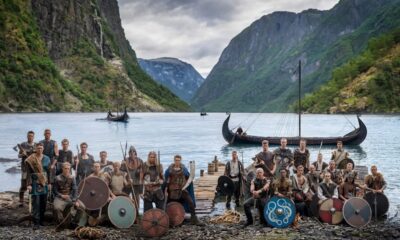
Norway’s Viking-inspired World Cup team photo goes viral
-

 International Sports3 days ago
One Day to Go: Everything you need to know about FIFA World Cup 2026
-

 International Sports4 days ago
Upsets and historic milestones highlight men’s action at Rome Taekwondo Grand Prix
-
 Latest News4 days ago
Karzai, UK envoy react after protest dispersed in Herat
-
 Latest News4 days ago
Uzbek company keen to establish mineral processing plant in Afghanistan
-
 Latest News3 days ago
Pakistani airstrikes on civilian areas in three Afghan provinces kill 13
-
 Sport2 days ago
Afghanistan A edge India A by four runs in rain-hit Tri-Nation opener
-
 Latest News4 days ago
Afghan central bank, AACC discuss expanding banking, trade and investment ties