
Latest News
Afghan gov’t should implement access to information law: Amnesty International

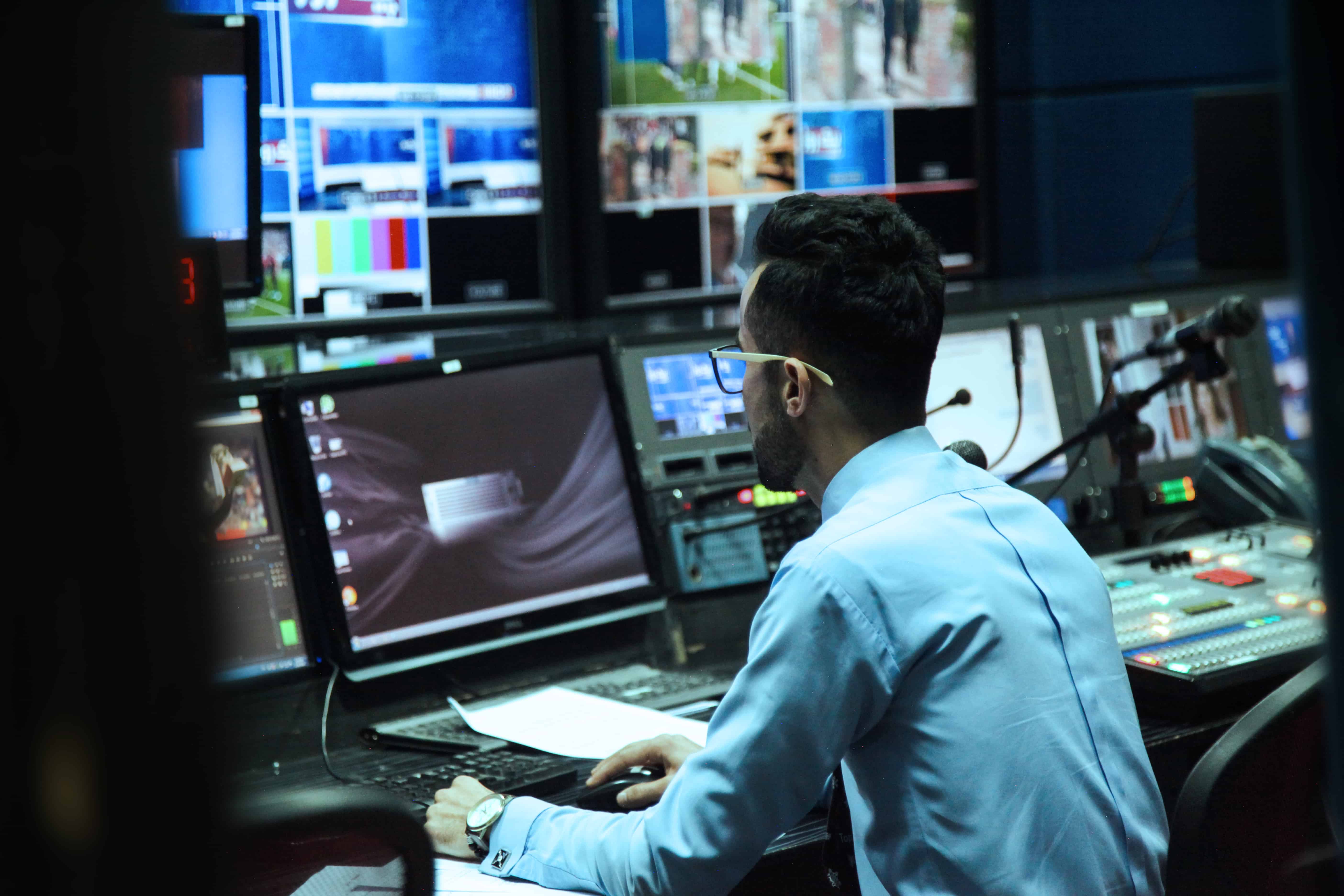
 The Afghan government should respect, protect and fulfill the right to information, Amnesty International said, Wednesday.
In Afghanistan, 30 different media organizations have called on the government to effectively implement the Afghan Access to Information Law, including providing information on key human rights issues.
“Afghanistan’s journalists are among the bravest in the world. Working in some of the most difficult conditions, they have faced threats, intimidation and violence for the work they do. The government must create an enabling environment, where they can carry their work freely and without fear,” said Omar Waraich, Deputy South Asia Director at Amnesty International.
“The government has a responsibility to not just protect journalists but provide access to information in line with Afghan laws and the country’s international obligations on the right to freedom of expression.”
In a joint statement, the 30 Afghan media organizations said they were being denied access to information from several government departments, including the Supreme Court, the Attorney General’s Office, the National Directorate for Security intelligence agency, the Ministry of Finance, the Central Bank of Afghanistan and the Ministry of Defence.
“The government must ensure people can access all the information necessary to realize their human rights and hold the authorities accountable for their actions in the spirit of transparency ,” Omar Waraich noted.
The journalists said they were being denied information on a series of cases involving corruption and human rights violations. These included night-time “search operations” by Afghan security forces that have caused civilian casualties, allegations of sexual abuse by government officials, and the abduction of two human rights defenders who exposed an alleged paedophile ring.
“Afghanistan has a strong law on access to information, but it is not being implemented properly. Journalists in Afghanistan have a right to access information held by public bodies and it is the right of the general public to receive information through them,” said Omar Waraich.
“The government must ensure people can access all the information necessary to realize their human rights and hold the authorities accountable for their actions in the spirit of transparency.”
In the pursuit of information from public bodies, journalists must not be intimidated, threatened or harmed in any other way. In the past, there have been cases where journalists in Afghanistan have been subject to abuse and even beaten by government officials for doing their jobs.
In 2019, according to the monitoring group Nai, ten journalists and media workers were killed in Afghanistan by armed groups, including the Taliban. In June 2019, the Taliban threatened to treat Afghan journalists as a military target in brazen violation of the laws of war.

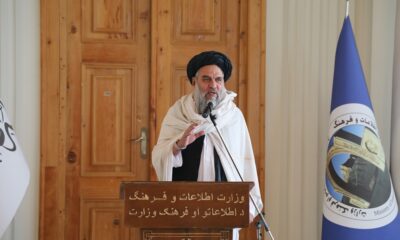





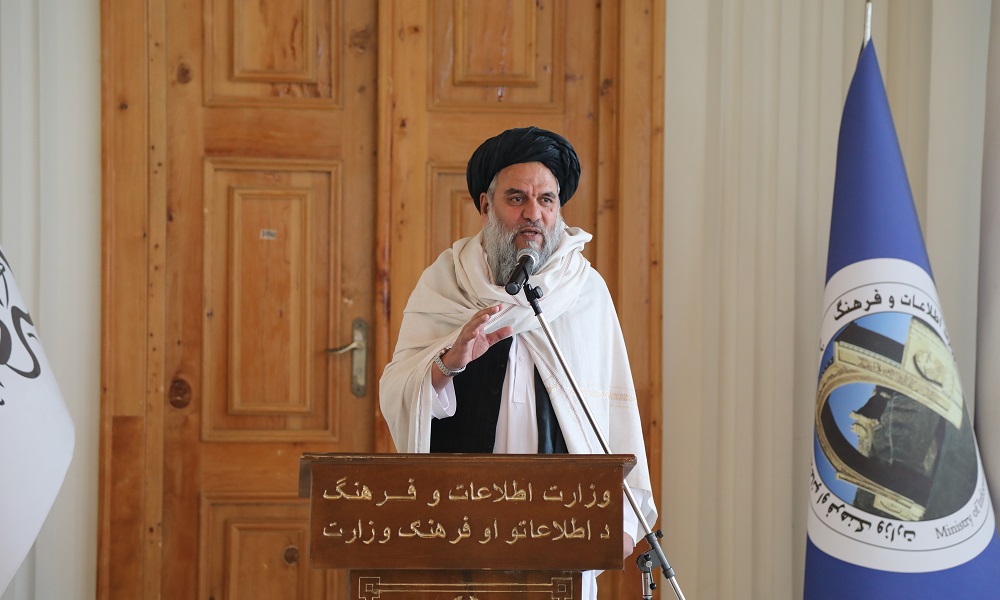
The Ministry of Information and Culture on Tuesday honored political analysts, journalists, and media officials for their effective work in carrying out their responsibilities during a gathering in Kabul.
The event was attended by Shir Ahmad Haqqani, Minister of Information and Culture, along with several other officials, political analysts, media representatives, and journalists.
Speaking at the gathering, the minister said that safeguarding the current system and maintaining security is the responsibility of every member of society.
“The stance of political analysts and the activities of the media during times of conflict play an important role in raising public awareness and fostering political understanding among the people,” he said.
He added that the interests of the Afghan people are shared and that protecting those interests is a collective responsibility.
According to the minister, the media have a duty to reflect facts clearly and convey a real and accurate image of the country to the world.
He also stated that there is no linguistic, regional, or ethnic superiority among the people of Afghanistan and that unity and brotherhood prevail in the country.
Latest News
Islamic Emirate calls recent U.S. designation on Afghanistan ‘regrettable,’ stresses dialogue
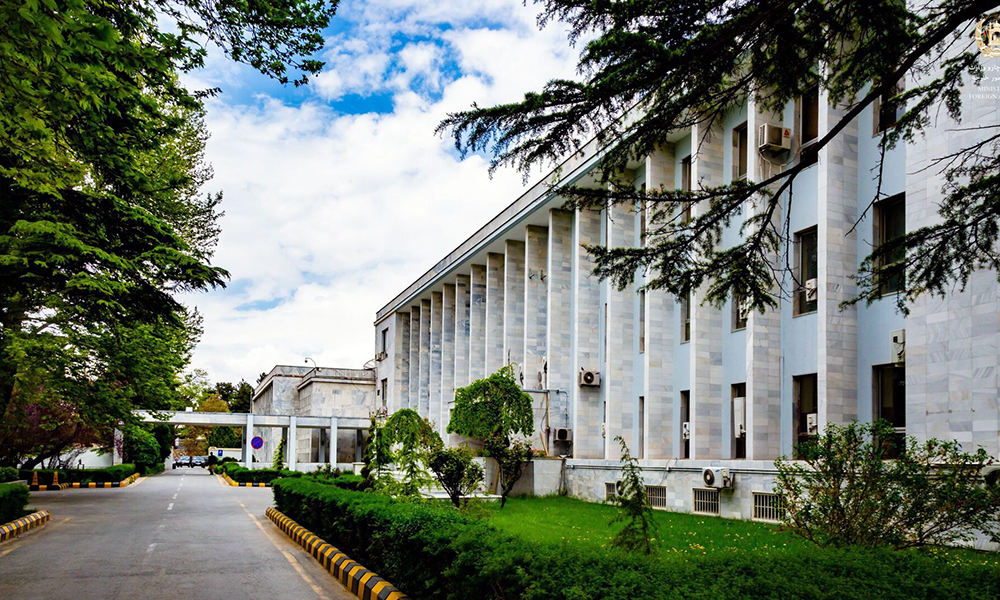
The Ministry of Foreign Affairs of the Islamic Emirate of Afghanistan has described the recent U.S. decision to designate Afghanistan as a “state sponsor of wrongful detention” as regrettable, emphasizing that disputes should be addressed through dialogue.
In a statement released on Tuesday, Abdul Qahar Balkhi, spokesperson for the ministry, said that citizens of no country are detained in Afghanistan for bargaining purposes. Instead, some individuals have been arrested on charges of violating the law, many of whom have later been released after completing legal procedures.
The ministry also noted that over the past year the Islamic Emirate has taken several positive steps regarding certain American citizens as a gesture of goodwill.
The statement further highlighted Qatar’s role in facilitating dialogue between Afghanistan and the United States, stressing the importance of continued engagement and resolving issues through diplomatic channels.
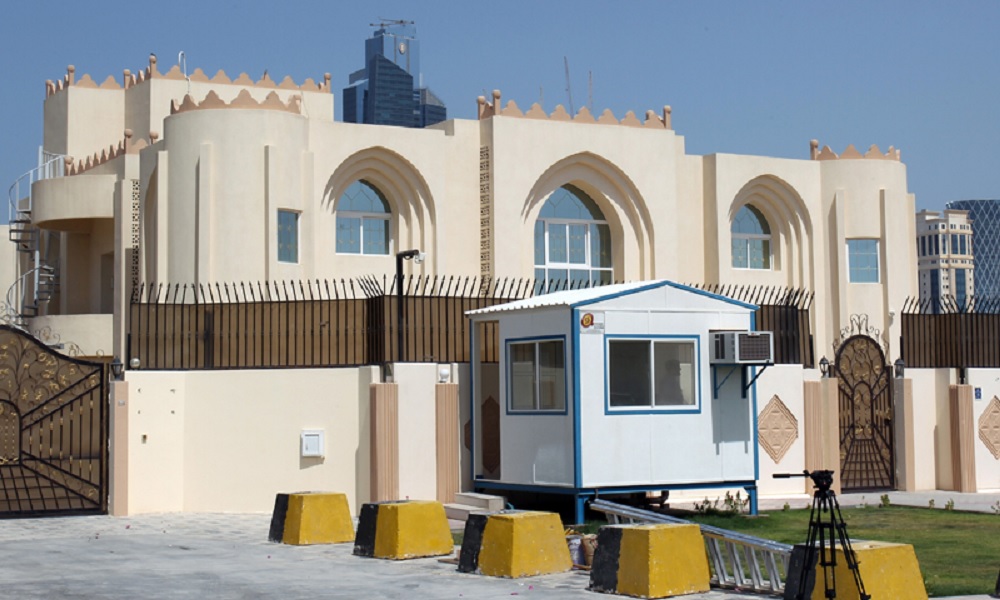
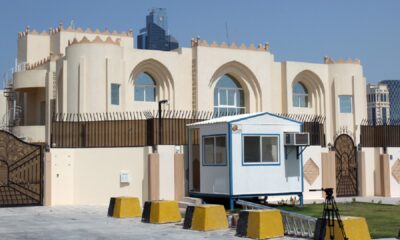
Reports claiming that Qatar has asked the Islamic Emirate of Afghanistan (IEA) to close its political office in Doha have been denied.
According to Doha News, sources at the Afghan embassy in Qatar said the claims are false and that no such request has been made by the Qatari government.
The sources emphasized that no decision regarding the closure of the office has been communicated to the Afghan side.
The IEA’s political office in Doha was established in 2013 to facilitate negotiations related to the conflict in Afghanistan.
The office later became a key venue for talks between the IEA and the United States, which ultimately resulted in the signing of the Doha Agreement in 2020.
The office has since remained an important diplomatic channel for discussions involving Afghanistan and the international community.


Tahawol: Demands to end Afghanistan–Pakistan conflict reviewed

Saar: Resolving Afghanistan-Pakistan tensions discussed

Trump tells Fox News it’s possible he would talk with Iran

Ministry of Information and Culture honors journalists and media officials

Afghan health minister, WHO hold talks on health services expansion

Pakistani military jet downed in Afghanistan’s Jalalabad, pilot captured alive

Afghan Air Force conducts airstrikes in Islamabad, other cities

IEA releases three Pakistani soldiers to mark Ramadan

Afghanistan’s Chief of Armed Forces underscores readiness and equipment for national defense

Afghanistan welcomes investment and technology partnerships with India
Tahawol: Demands to end Afghanistan–Pakistan conflict reviewed
Saar: Resolving Afghanistan-Pakistan tensions discussed

Tahawol: International Reactions to Iran’s Newly Appointed Leader

Saar: UN Security Council Meeting on Afghanistan discussed

Tahawol: Iran’s war with America and Israel discussed
-

 Latest News4 days ago
Prominent Muslim scholar issues fatwa calling for Afghanistan-Pakistan ceasefire
-

 Business4 days ago
Afghanistan steps in to replace Iran in supplying fruits and vegetables to Russia
-
 Latest News2 days ago
Afghanistan’s Virtue Ministry: Over 3,400 women’s rights complaints addressed in 10 months
-
 Latest News3 days ago
International Women’s Day: Khalilzad urges IEA to allow girls’ education
-
 Latest News4 days ago
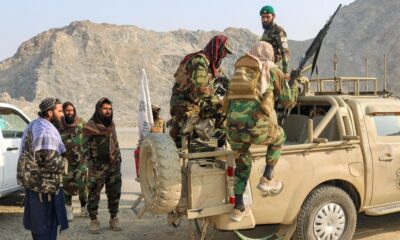
Afghanistan says 327 Pakistani soldiers killed in ‘Radd-ul-Zulm’ operation
-
 Latest News5 days ago
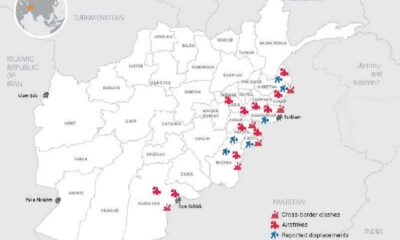
Airstrikes and clashes displace thousands as Afghanistan–Pakistan tensions escalate: UN
-
 Latest News4 days ago
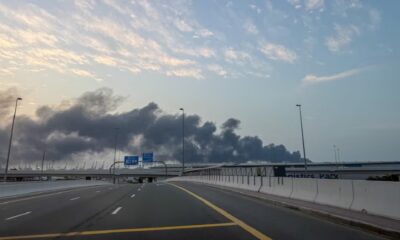
Afghans among those injured in Iranian attacks on UAE
-
 World5 days ago
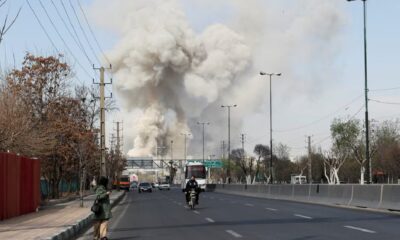
Trump wants say on Iran’s next leader as war intensifies