
Business
ADB provides financial aids to enhance Agricultural Productivity in Afghanistan

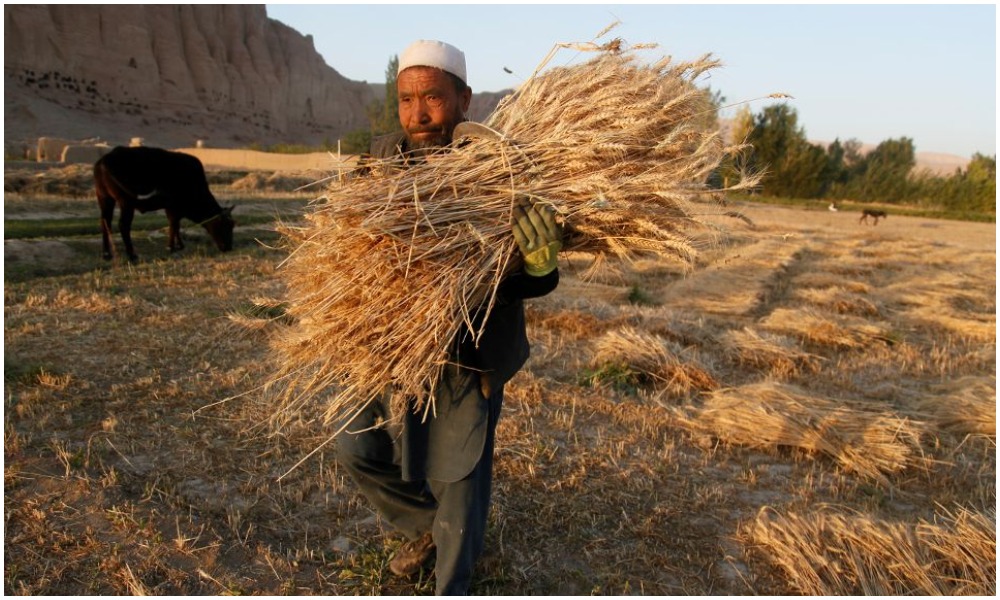
The Asian Development Bank (ADB) on Thursday has approved an $18.28 million grant as additional financing for a project that aims to enhance agricultural productivity in northeast Afghanistan.
According to the ADB statement, the additional financing for the Panj–Amu River Basin Sector Project will improve access to water and enhance the resilience of watersheds to disaster and climate risks by expanding project activities in the provinces of Badakhshan, Kunduz, and Takhar. It will also help improve water access and management in six additional provinces: Samangan, Baghlan, Bamyan, Panjshir, Parwan, and Wardak.
“The additional financing will support the expansion of forestry and rangeland protection from 10,000 hectares to 27,760 hectares; installation of physical infrastructure and revegetation and reforestation; improvements in water availability to rural households for irrigation and other uses; and preparation of watershed resource management plans,” read the statement.
“Agriculture remains a major engine of growth for Afghanistan and plays an important role in improving the lives of the Afghan people,” said ADB Senior Project Officer Mohammad Hanif Ayubi. “This additional financing will help Afghanistan in its recovery from COVID-19 by improving water availability for irrigated agriculture and creating more employment opportunities for rural communities.”
The Panj–Amu River Basin is a major production center for wheat, rice, vegetables, and fruit. Increasing agricultural productivity in the area is expected to help address food insecurity and increase per capita incomes in rural communities.
ADB has committed more than $879 million in grants (including ADB-administered cofinancing) in the agriculture, natural resources, and rural development sectors in Afghanistan since 2002.









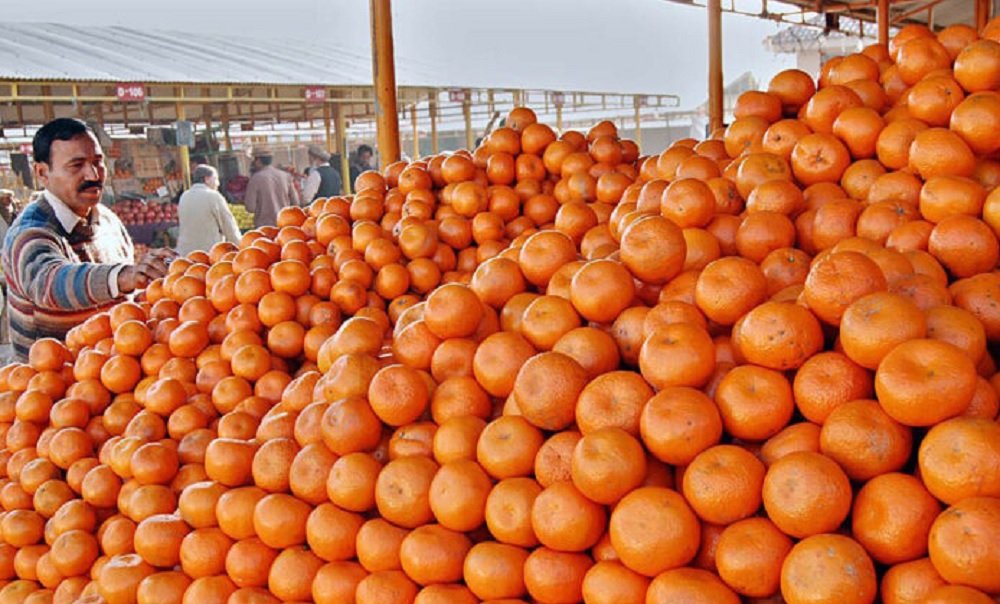
Pakistan’s kinno exports remain far below potential as regional tensions, high freight costs and weak government support continue to choke the citrus trade.
Despite being a leading global citrus producer, Pakistan is expected to export just 400,000–450,000 tonnes of kinno in the 2025–26 season, compared with an estimated capacity of 700,000–800,000 tonnes.
Exports in 2024–25 stood at around 350,000–400,000 tonnes, mainly to Russia, the UAE, Saudi Arabia, Afghanistan, Indonesia and Central Asia. While better fruit quality this season has raised hopes, persistent crossing disruptions—especially with Afghanistan—and transport bottlenecks have offset gains.
Growers say prices have collapsed sharply, forcing panic sales. Rates for large kinno have fallen from over Rs120 per kg early in the season to as low as Rs75, while smaller fruit is selling for Rs35–40 per kg amid weak demand.
Industry leaders warn the crisis is crippling processing units and jobs. More than 100 factories reportedly failed to open this season, with dozens more shutting down as exports stall. Cold storages in Sargodha are nearly full, putting fruit worth millions of dollars at risk of spoilage, while growers fear losses of up to Rs10 billion.
Exporters are urging the government to urgently resolve issues, subsidise logistics, and help access alternative markets, warning that prolonged inaction could devastate farmers, workers and the wider economy.

Iranian President Masoud Pezeshkian has said that Tehran will facilitate trade and economic exchanges with Afghanistan, including easing procedures at customs and local marketplaces.
He made the remarks during a televised interview following his visit to South Khorasan province, which shares a border with Afghanistan.
Pezeshkian, in a separate event addressing local business leaders, highlighted the province’s strategic advantages, citing its rich mineral resources, proximity to neighboring countries such as Afghanistan and Pakistan, and access to the ocean via the Chabahar port. He described the region as “a golden opportunity not found everywhere,” emphasizing its potential for economic growth and cross-border commerce.


Tahawol: CSTO’s security concerns over Afghanistan

Saar: UNAMA’s activities in Afghanistan reviewed

Pakistan’s kinno exports falter as tensions with Afghanistan continue

Afghanistan and Kuwait draw 4-4 in friendly futsal match

Afghanistan signs 30-year deal for marble mining in Daikundi

Afghanistan economy under pressure as Pakistan shocks reshape trade flows

Gaza death toll tops 70,000, health ministry says

India set to establish pharmaceutical factories in Afghanistan: MoIC

Afghanistan offers tax breaks, free land to attract Indian investors

Iran rerouting more oil to China through Indonesia to dodge US sanctions
Tahawol: CSTO’s security concerns over Afghanistan
Saar: UNAMA’s activities in Afghanistan reviewed

Tahawol: Iran’s pledges to facilitate trade with Afghanistan discussed

Saar: Discussion on severe tensions between Kabul and Islamabad

Tawsia: India’s enthusiasm for investing in Afghanistan discussed
-

 International Sports5 days ago
IPL 2026: Teams take shape after auction as franchises balance star power and depth
-

 International Sports5 days ago
ILT20: Abu Dhabi Knight Riders end Desert Vipers’ unbeaten run in dramatic one-run win
-
 Latest News3 days ago
Afghan border forces prevent illegal entry of hundreds into Iran
-

 Regional5 days ago
Pakistan’s military chief Asim Munir in spotlight over Trump’s Gaza plan
-
 Latest News2 days ago
Pakistan summons Afghan diplomat over deadly attack in North Waziristan
-

 Business5 days ago
Mahirood Customs leads Iran’s exports to Afghanistan
-

 World5 days ago
Trump adds seven countries, including Syria, to full travel ban list
-
 Latest News5 days ago
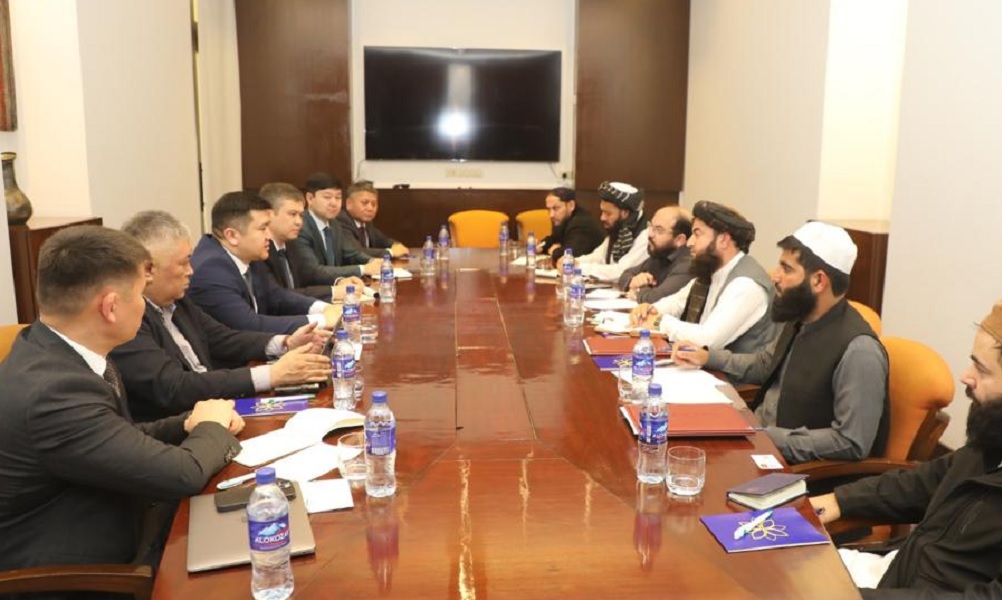
Afghanistan, Kyrgyzstan discuss expanding trade and economic cooperation