
Latest News
About 80 Afghan interpreters flown to safety in Australia


About 80 Afghan interpreters and their families have arrived in Australia on commercial flights after being granted a safe haven for their work alongside Australian troops in Afghanistan.
According to the Guardian Australia, this comes after 41 interpreters wrote to the government twice earlier this year pleading for urgent help.
It is understood most of the people listed on the letter are among those who have been able to escape the deteriorating situation in Afghanistan.
One interpreter, Tariq Zia, who is in hotel quarantine in Melbourne said: “I am safe now [and] I am feeling well,” he told the Guardian.
“I am alone and still concerned about my [extended] family [in Afghanistan].”
Nawidullah Aarman told the Guardian he worked with coalition forces as an interpreter for almost a decade in hostile environments across Afghanistan assisting special forces elements. He left Kabul on Friday and is expected to touch down in Australia on Saturday evening after a stopover in Dubai.
“We will not believe it until we are boarded in the plane,” he said. “We have some colleagues that received their visas and waited for their flight for a long time.”
The home affairs department said that since 15 April about 180 people in Afghanistan had been granted a visa under the Afghan locally engaged employees (LEE) program, including family members, the Guardian reported.

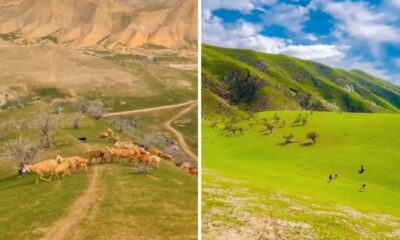






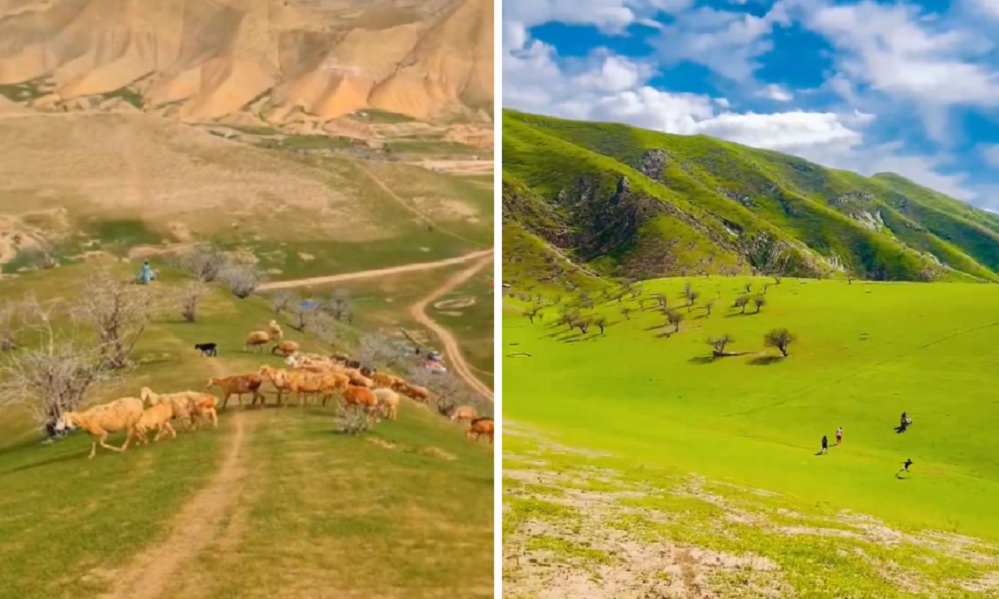
The Land Grabbing Prevention Commission has verified and secured more than 27.5 million jeribs of public grazing land in three provinces across Afghanistan over the past year, the Ministry of Justice said on Thursday.
The commission reported that extensive surveys were carried out in Faryab, Badghis, and Badakhshan, resulting in the formal identification and registration of over 27.57 million jeribs of pasture land.
According to the findings, more than 9.3 million jeribs were confirmed in Faryab, over 4.1 million jeribs in Badghis, and upwards of 14 million jeribs in Badakhshan. The grazing lands are located across provincial centers as well as all districts within these provinces.
The commission emphasized that survey and verification teams are currently working in other provinces to assess additional grazing lands.
Once the assessment process is completed in those areas, the lands will also be formally recorded in the land bank, ensuring legal protection and proper management.

Latest News
IEA condemns approval of death penalty law for Palestinian prisoners by Israeli parliament
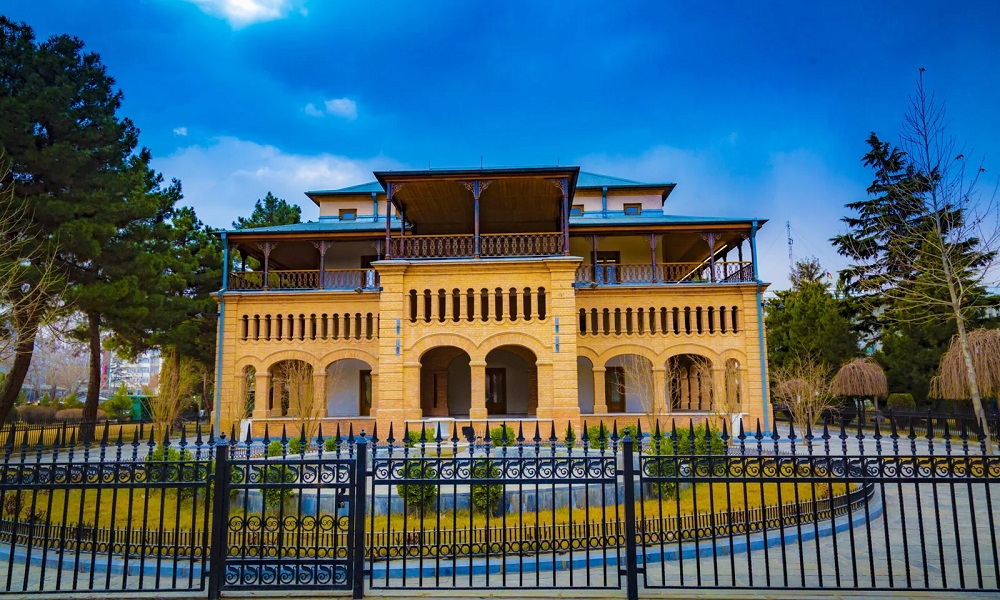
The Ministry of Foreign Affairs of the Islamic Emirate of Afghanistan has strongly condemned the decision of the Israeli Parliament, which paves the way for issuing death sentences against Palestinian prisoners.
In a statement, the Ministry of Foreign Affairs of the Islamic Emirate said: “This action is a continuation of repeated injustices, a clear violation of the fundamental rights of the Palestinian people, and contrary to the principles of justice and human rights. It discriminately targets an oppressed nation.”
The Islamic Emirate has called on international organizations to take necessary and urgent measures to prevent such actions.


Over 27.5 million jeribs of public grazing land secured in three Afghan provinces

Two Afghan brothers drown while fishing in Ireland

Trump says Iran war’s core objectives near completion

Tahawol: Ongoing US–Israeli war with Iran discussed

Saar: Afghanistan-Pakistan talks in China discussed

Prominent Muslim scholar issues fatwa calling for Afghanistan-Pakistan ceasefire

IEA Supreme Leader issues Eid-ul-Fitr message urging unity and support for Islamic system

14 Pakistani soldiers killed after military post falls along Durand line: MoD

Ronaldo’s private jet flies out of Saudi Arabia following US Embassy drone strike in Riyadh

Afghanistan steps in to replace Iran in supplying fruits and vegetables to Russia
Tahawol: Ongoing US–Israeli war with Iran discussed
Saar: Afghanistan-Pakistan talks in China discussed

Tahawol: Escalation of conflict in Middle East discussed

Saar: Formation of Jirga in Khyber Pakhtunkhwa

Tahawol: Pakistani military shelling in Kunar
-
 Latest News3 days ago
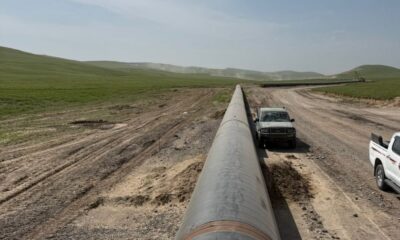
TAPI gas pipeline advances 25 km in Afghanistan
-
 Latest News5 days ago
Afghan defense forces stand ready to protect national sovereignty: MoD
-

 International Sports4 days ago
Injury concerns mount ahead of FIFA World Cup 2026 as stars sidelined
-
 Business4 days ago
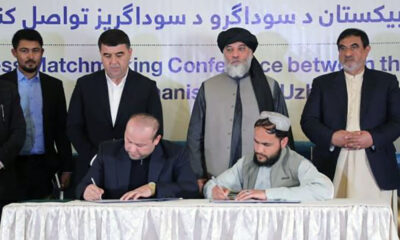
Afghanistan, Uzbekistan ink $514.8 million deals to deepen trade ties
-
 Latest News4 days ago
Peshawar to host key Pakistan-Afghanistan peace jirga amid ongoing tensions
-
 Latest News4 days ago
US report flags continued presence of anti-India militant groups in Pakistan
-

 Latest News5 days ago
US regime change efforts in Afghanistan ended in failure, says Merz
-
 Business3 days ago
Afghanistan opens doors to agribusiness investments amid rising opportunities