
Latest News
Abdullah calls on ‘Troika’ members to help tackle resurgent Taliban

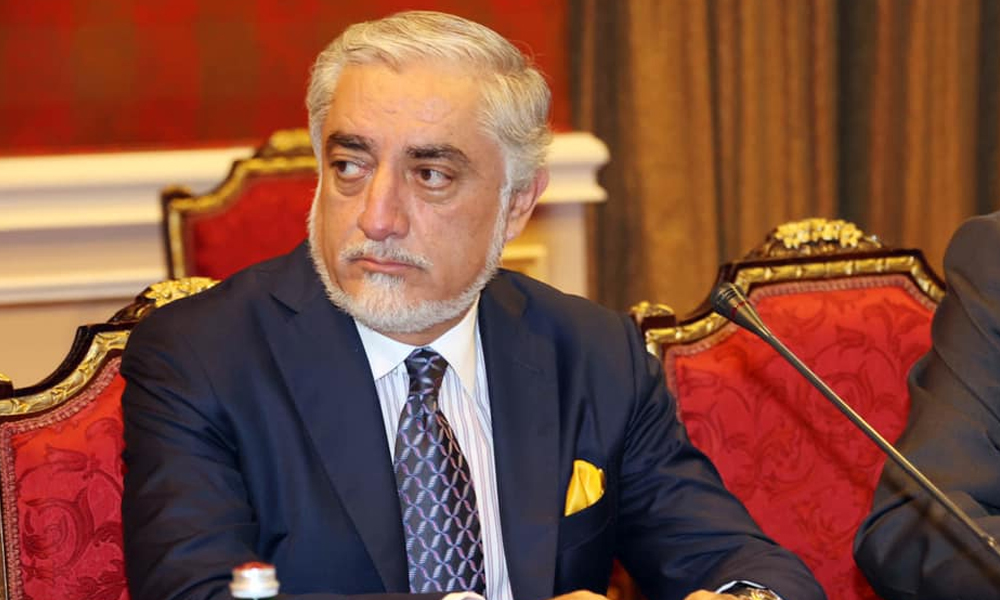
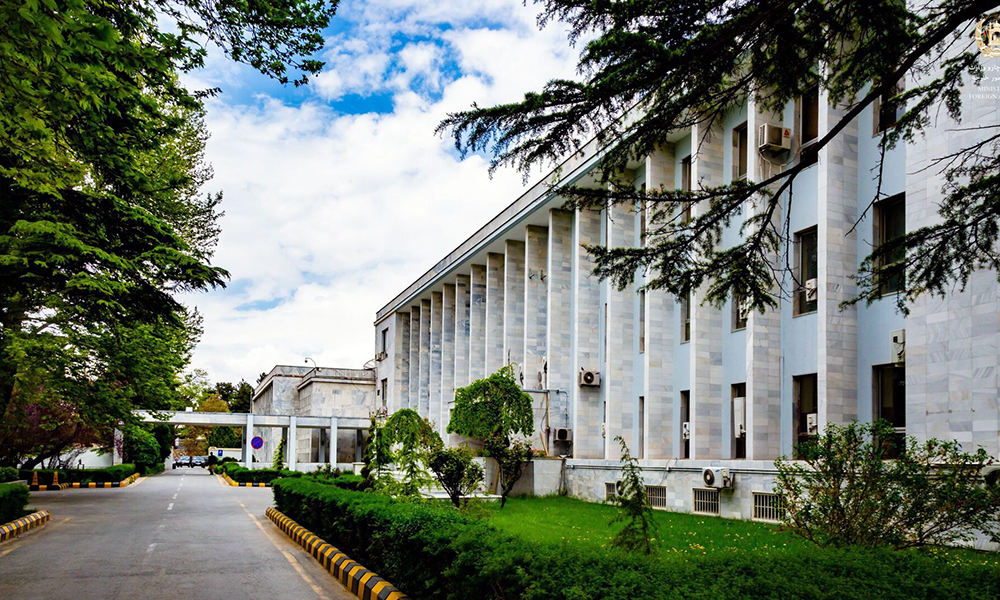
In discussions with the international community in Doha, Qatar, the Afghan government has raised its concerns over the Taliban’s brutal attacks on cities, the Ministry of Foreign Affairs said in a statement Thursday.
According to the statement, Afghanistan has raised the issue of these attacks which have led to “war crimes and blatant human rights violations and humanitarian catastrophe in Afghanistan”.
According to MoFA, the Head of the High Council for National Reconciliation Abdullah Abdullah, who is leading the Republic’s negotiating team in Doha, on Wednesday attended the Extended Troika meeting.
Also present at the meeting was the United States, Russia, China, and Pakistan.
“The chairman of the High Council for Reconciliation called on the international community, especially the Troika meeting member states, to adopt serious measures to prevent Taliban attacks on cities, which have led to war crimes, widespread human rights abuses and humanitarian catastrophe.
“Mr Abdullah also stressed the need to start meaningful and sincere negotiations to establish an immediate ceasefire and reach a political agreement,” the statement read.
MoFA said it “reiterates that the continuation of the Taliban’s bloody attacks in collusion with regional and international terrorists will not only lead to a humanitarian catastrophe and the protraction of war in Afghanistan, but also exacerbate violent extremism and incite terrorists in the region posing a serious and irreparable threat to the collective security of the region and the world”.
The statement added that by “stopping the Taliban violence and crimes in direct collusion with regional and international terrorists will be not only in the interest of Afghanistan but in the interest of the whole world, especially the countries of the region”.
The Minister of Foreign Affairs Haneef Atmar also spoke out on Thursday and said the current levels of violence have had a “devastating impact on our country. It has literally disrupted and eroded security, rule of law and public service delivery in over half of our country.
“The loss of critical terrain and also cross-border trade points have had a significant impact on the humanitarian situation, and then trade and market functioning in the country, we’ve lost already since mid-April over 6,000 people,” he said.
Atmar also stated that at least 4,000 “of our brave national security forces and over 2,000 from the civilians,” have been killed.
He said if one tallies the wounded in this time, it amounts to over 15,000.
Atmar said that “over the past couple of months, this is the highest figure we have ever experienced. Over the past two decades the humanitarian crisis is overwhelming with over 18 million of our people now facing hunger and in need of immediate humanitarian assistance because of the devastating impact of the recent wave of terror and violence, the combined effects of the COVID-19 pandemic and the drought have been exacerbated by the way of the recent wave of violence”.

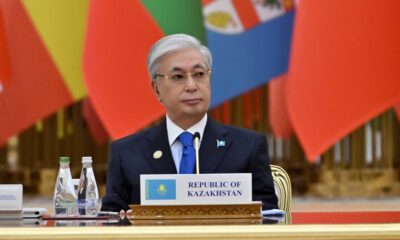

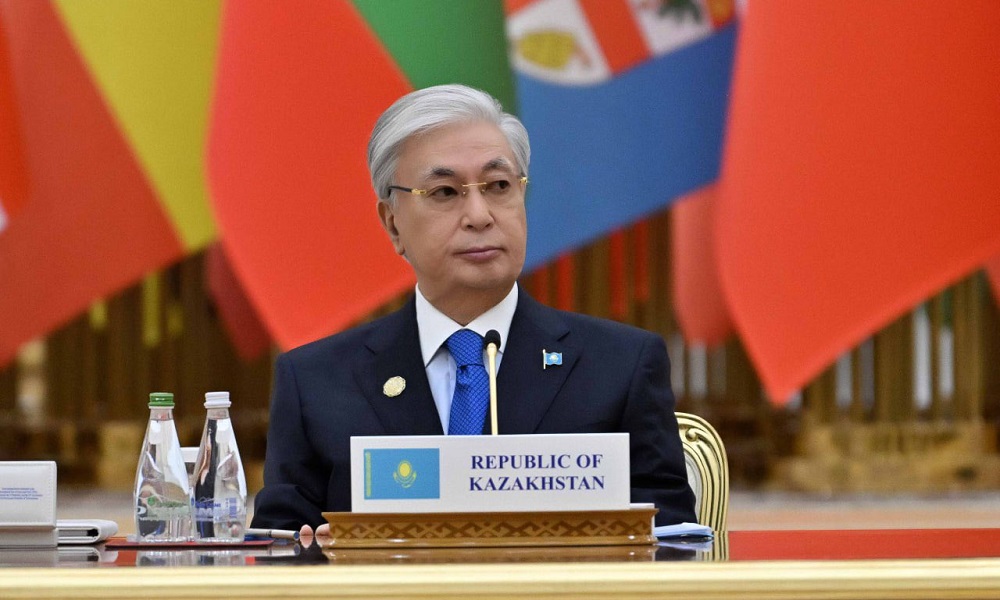
Kazakhstan’s President Kassym-Jomart Tokayev has emphasized the continuation of humanitarian assistance to Afghanistan, stating that the ongoing provision of such aid plays an important role in ensuring regional security.
Speaking at the international conference “Peace and Trust” in Ashgabat, the capital of Turkmenistan, Tokayev described addressing complex humanitarian challenges and the reconstruction of Afghanistan as a necessity.
“To ensure regional security, we consider it essential to continue providing assistance to Afghanistan, including by strengthening international efforts to address complex humanitarian issues and the reconstruction of this country. Kazakhstan remains committed to supporting the people of Afghanistan through humanitarian aid, educational projects, trade development, and food security initiatives,” he said.
Meanwhile, experts believe that sustainable improvement of the humanitarian situation in Afghanistan requires broad cooperation from the international community and support for the country’s economic development.
“Investment can be defined as one of the fundamental drivers of the economic cycle, and whenever Afghan traders do not take their money out of the country and instead invest domestically, it naturally leads to greater growth and dynamism in Afghanistan’s economy,” said Abdul Zahoor Modabber, an economic analyst.
As the humanitarian crisis in Afghanistan continues, reports by international relief organizations indicate that millions of citizens of the country are in urgent need of food, health, and livelihood assistance.
The reduction in funding for aid organizations, the impacts of climate change, and the return of migrants have increased concerns about a further deterioration of the humanitarian situation in the country.
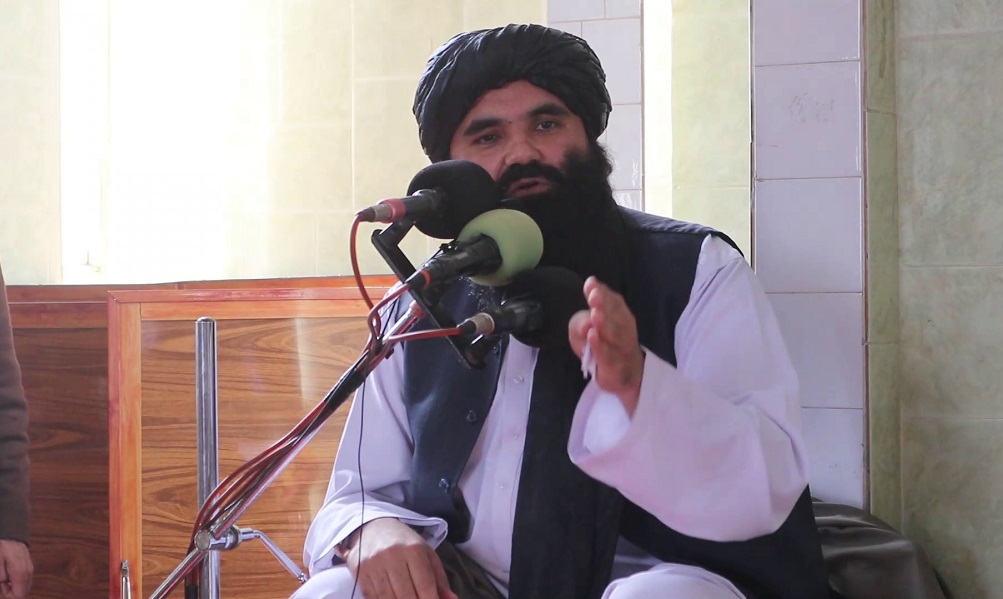
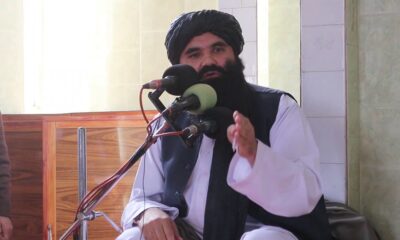
Khalifa Sirajuddin Haqqani, Minister of Interior of the Islamic Emirate of Afghanistan, said during a visit to Khost province on Friday that any government which rules through fear cannot be considered a true government.
“A government is one that is loved by its people, one that serves them with respect and compassion, and from whose behavior people learn ethics and sincerity,” he said.
Haqqani also stressed that Afghans who opposed the Islamic Emirate in the past should be tolerated and treated in a way that helps eliminate hostility and animosity, paving the way for national cohesion.


Continued aid to Afghanistan vital for regional security: Kazakh president

Islamic Emirate declines to attend Tehran meeting on Afghanistan

Sirajuddin Haqqani: A government that intimidates its people is not a true government

Afghanistan’s health minister likely to visit India next week

Top Pakistani, British officials discuss Afghan relocation

Pakistan will lose big market in both Afghanistan, Central Asia: Sarhadi

Afghanistan records $580m in fruit exports in six months

Tashkent: Central Asian leaders say regional stability hinges on Afghanistan

Afghan Abdalyan beat Sri Lanka A by 3 wickets in Rising Stars Asia Cup opener

Afghanistan U19 cricket team defeats India A U19

Saar: Calls to avoid using Afghan soil against nations

Tahawol: UNSC meeting outcome regarding Afghanistan discussed

Saar: Ongoing Kabul–Islamabad tensions discussed

Tahawol: Pakistan’s warning on Afghanistan reiterated

Saar: UN’s meeting on Afghanistan reviewed
-

 Latest News2 days ago
Muttaqi: Afghanistan’s progress requires both religious and modern education
-

 Sport4 days ago
ILT20: Desert Vipers edge Gulf Giants in historic super over thriller
-

 Regional4 days ago
Six Pakistani soldiers killed in TTP attack in Kurram District
-
 Business4 days ago
Trade bodies warn almost 11,000 Afghan transit containers stuck at Karachi port
-
 World4 days ago
Powerful 7.6 earthquake hits northern Japan, tsunami warnings issued
-

 Latest News3 days ago
Trump calls Afghanistan a ‘hellhole’ country as US expands immigration restrictions
-
 Sport5 days ago
Sorkh Poshan Khafi defeats Sarsabz Yashlar 4-0 in Afghanistan Champions League
-

 Sport3 days ago
Commanding wins for Arman FC and Sarsabz Yashlar in Afghanistan Champions League