
Latest News
Abdullah calls on OIC to mobilize more funds to help Afghans

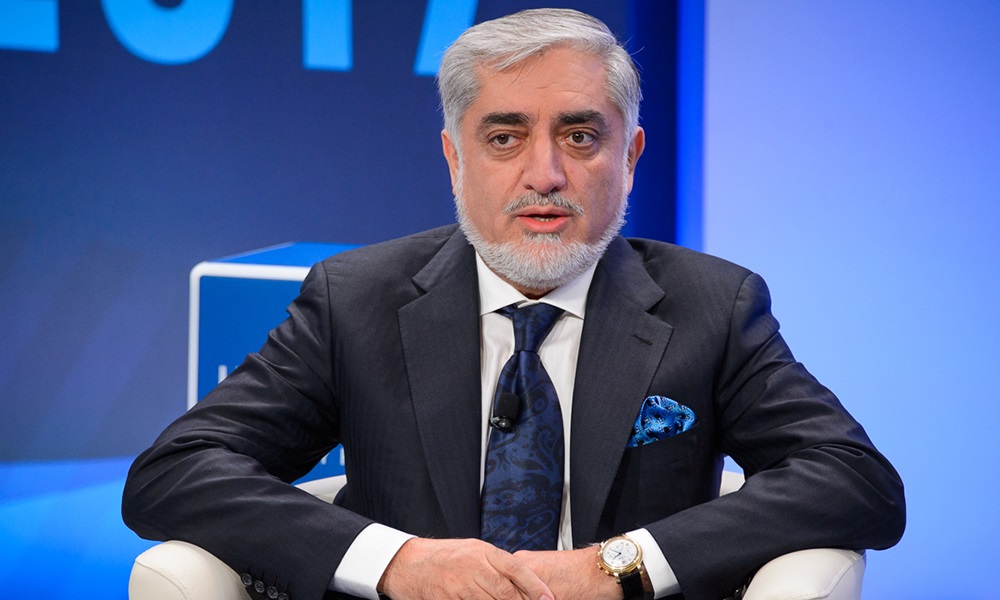
Abdullah Abdullah, former Chairman of the High Peace Council, welcomed decisions taken by delegates who attended the 17th extraordinary meeting of the Organization of Islamic Cooperation (OIC) in Islamabad but called for the organization to mobilize more money for Afghanistan.
In a series of tweets, on Tuesday night, he called on member states of the OIC to immediately mobilize all necessary resources to increase humanitarian aid to millions of Afghans facing food insecurity and extreme poverty.
Abdullah said the people of Afghanistan must ensure that they have access to unhindered aid to save them from a catastrophe.
The meeting of the Organization of Islamic Cooperation was held on Sunday in Islamabad and saw Islamic countries pledging to provide humanitarian assistance to Afghanistan.
A humanitarian trust fund was also established by the Organization of Islamic Cooperation (OIC) with the aim of raising and mobilizing resources to help Afghanistan.

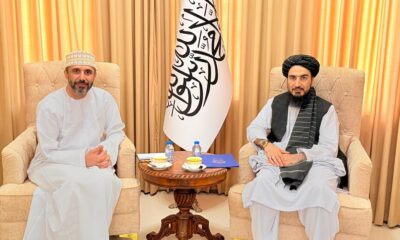





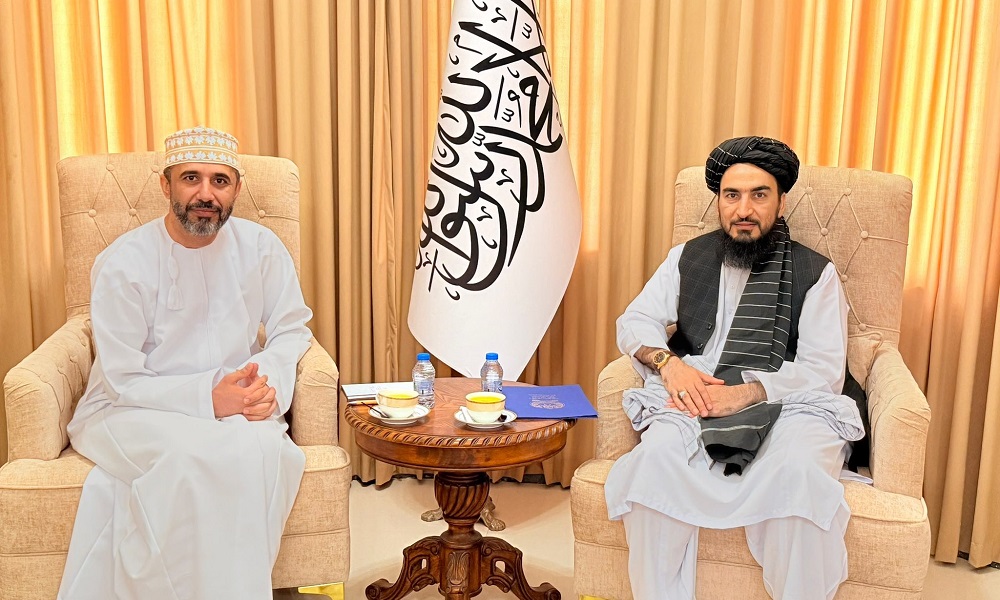
Hafiz Omar, the acting head of the Embassy of the Islamic Emirate of Afghanistan in Oman, met on Thursday with Yousuf Al Balushi, Director of the Muscat Policy Center.
According to the Afghan Embassy in Oman, Omar briefed Al Balushi on Afghanistan’s recent bilateral economic progress with a number of countries in the region, as well as on various joint research programs and their positive impact.
For his part, Yousuf Al Balushi expressed hope for the expansion of joint strategic cooperation between Oman and Afghanistan.
Latest News
UN warns worsening crises are increasing human trafficking risks in Afghanistan
The agencies also warned of a growing global trend of trafficking for forced criminality, in which victims are coerced into online fraud and scam operations.
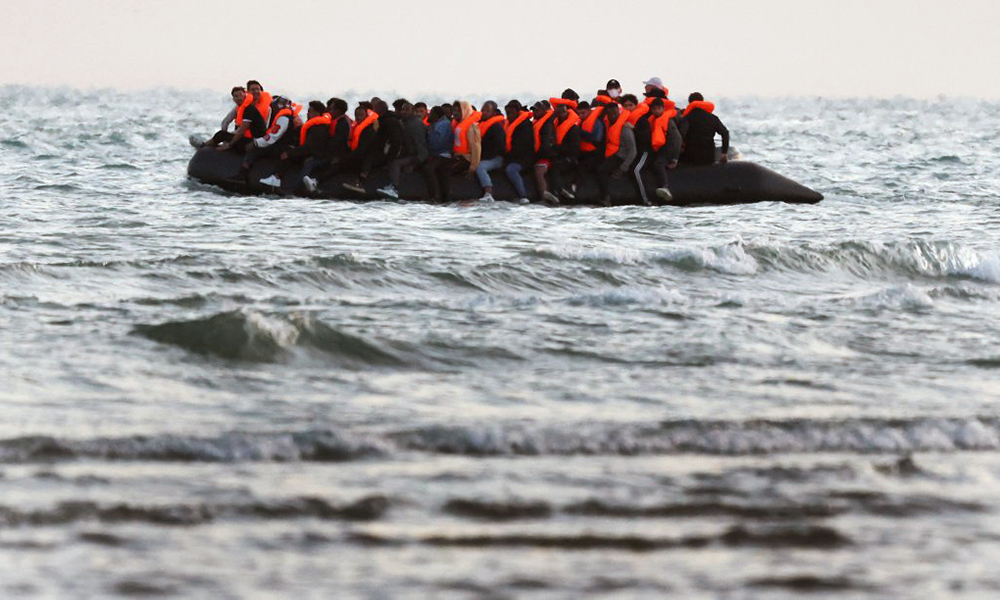
The United Nations Office on Drugs and Crime (UNODC) and the International Organization for Migration (IOM) have warned that Afghanistan’s worsening humanitarian and economic crises are increasing the risk of human trafficking, calling for stronger national and regional action to protect vulnerable people.
In a joint statement marking the World Day against Trafficking in Persons, the agencies said mass returns of Afghans from neighboring countries, the collapse of the rural opium economy, aid cuts, natural disasters, and ongoing restrictions on women and girls have left many people at greater risk of exploitation.
The agencies cited recent findings showing that only 11 percent of surveyed returnees were fully employed or owned a business, while 56 percent of returnee households could not meet basic living costs. Nearly half relied on loans or donations to survive, increasing the risk of forced labor, debt bondage, and other forms of exploitation.
UNODC and IOM said victims are forced into unsafe working conditions, forced labor, sexual exploitation, slavery-like practices, and in some cases, organ removal. Women, children, returnees, and indebted households remain among the most vulnerable, with exploitation reported in domestic work, agriculture, mining, brick kilns, carpet weaving, forced begging, forced marriage, and child recruitment.
The agencies also warned of a growing global trend of trafficking for forced criminality, in which victims are coerced into online fraud and scam operations.
UNODC Country Representative Polleak Ok Serei said mass returns, opium eradication without alternative livelihoods, aid cuts, natural disasters, and restrictions on women have made Afghans more vulnerable to trafficking, underscoring the need for stronger prevention and victim protection.
IOM Afghanistan Chief of Mission Mihyung Park said the scale of returns has exceeded the ability of Afghan communities to absorb returnees without significant international support, leaving many without livelihoods, housing, or basic services and increasing the likelihood of dangerous migration and exploitation.
The agencies called for improved victim identification, stronger protection measures, better access to essential services and livelihoods, safer migration pathways, and closer regional cooperation to combat trafficking networks. They also announced a joint assessment of human trafficking and migrant smuggling in Afghanistan to strengthen prevention, protection, and law enforcement efforts.


Saar: Discussion on ongoing US-Iran tensions

Afghan envoy meets head of Oman policy center

Afghanistan invites Iranian investors to expand economic cooperation

UN warns worsening crises are increasing human trafficking risks in Afghanistan

Afghanistan Wrestling Premier League crowns inaugural champion in tonight’s grand final

India offers 1,000 online scholarships for Afghan students for 2026-27 academic year

Cricket world pays tribute to Afghanistan fast bowler Shapoor Zadran

Turkey spent over $120 million to prepare airport for Qatar-donated U.S. presidential aircraft

Thousands pay final respects as Afghan cricketer Shapoor Zadran buried in Kabul

Shapoor Zadran’s body returns to Kabul as family, teammates and officials pay tribute
Saar: Discussion on ongoing US-Iran tensions

Tahawol: Calls for implementation of development projects in Afghanistan

Saar: Deporting Afghan refugees from Germany discussed

Tahawol: Iran–US relations amid recent developments

Saar: Attack in Pakistan-controlled Chitral
-
 Latest News4 days ago
Badakhshan Governor, Army Chief reaffirm commitment to Afghanistan’s security
-

 Regional4 days ago
US pauses strikes on Iran as diplomatic efforts gather pace amid regional tensions
-
 Business3 days ago
Iran seeks to establish free trade zone with Afghanistan and China
-
 Tahawol5 days ago
Tahawol: New developments ahead in the Middle East discussed
-
 Climate Change5 days ago
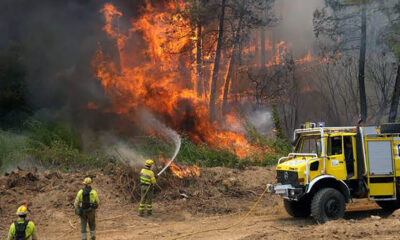
Hundreds of thousands flee as devastating wildfires rage across France and Spain
-
 Latest News3 days ago
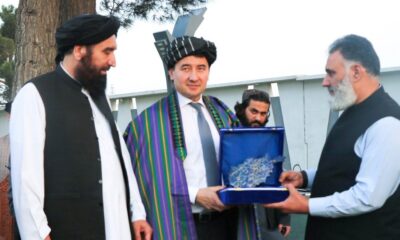
Uzbekistan issues 5,000 visas to Afghan citizens this year
-
 Latest News3 days ago
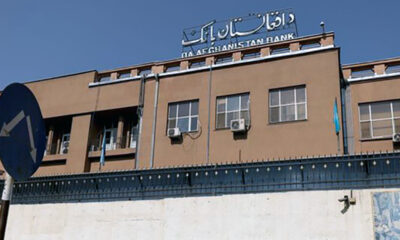
Afghanistan’s Swiss fund grows to $4.2 billion: Ahadi
-
 Latest News4 days ago
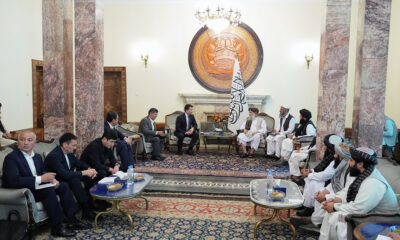
Afghan PM, Uzbek Deputy PM hold talks on expanding economic and political cooperation