
Latest News
Abdullah calls for ‘system support’ as clashes close in on Kabul

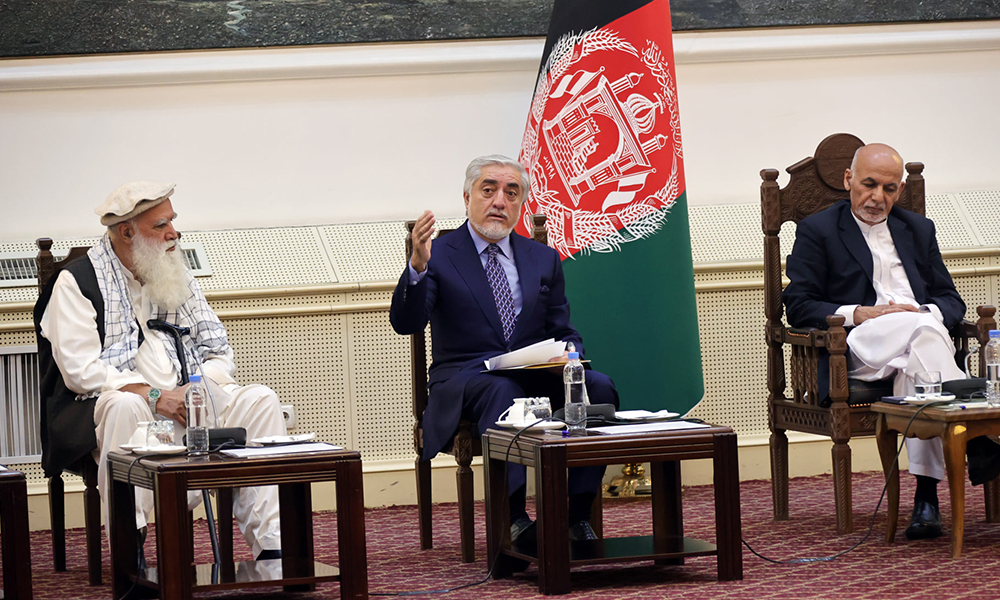
Abdullah Abdullah, Chairman of the High Council for National Reconciliation (HCNR), said Wednesday that clashes between security forces and the Taliban have reached the entrance gates of the capital, Kabul, and that “people have to support the system”.
Addressing the sixth session of the HCNR’s Leadership Committee meeting, Abdullah stated that as the international forces are close to completing their withdrawal process, a security vacuum has been created.
He said the Taliban could intensify violence if a unified political consensus is not created.
Abdullah stated that the group is playing for time; and that Afghan leaders have to determine their priorities.
“While we want peace, war is approaching the gates of the Afghan capital; I think a declaration of the full support of the elders is necessary,” Abdullah said.
The HCNR chairman also called for more international mediation amid stalled peace talks in Doha, Qatar.
“The contact teams are in touch with each other. Mediation by the United Nations and Qatar has also increased, and [hopefully] this will lead to the acceleration of the peace process,” he added.
This comes as clashes have continued to intensify across the country.
In the latest development, Taliban militants seized control of six district centers – in Takhar, Kapisa, Balkh, Samangan, Ghazni, and Kandahar provinces – in the past 24 hours, local sources told Ariana News.
According to the sources, Farkhar district in Takhar, Alasay in Kapisa, Kaldar in Balkh, Feroz Nakhchir in Samangan, Gelan in Ghazni, and Khakrez in Kandahar province fell to the Taliban in this time.
Kaldar, in Balkh, fell to the Taliban last week but Afghan National Defense and Security Forces (ANDSF) in cooperation with local uprising forces, led by the province’s former governor, Atta Mohammad Noor, regained control of the district on Tuesday, but on Wednesday, the Taliban released a video claiming the group had recaptured the district center.
Fawad Aman, deputy spokesman for the Ministry of Defense (MoD) said early Wednesday the ANDSF had pushed back the Taliban in many areas across the country.
“We have captured many areas and have launched heavy attacks on the enemy,” said Aman.
Local sources, meanwhile, told Ariana News that the Taliban have also recaptured Mirzaka district in Paktia, Dawlat Abad in Faryab, Shortepa and Kaldar in Balkh, Chah Ab, and Hazar Smoch in Takhar and Tala wa Barfak in Baghlan.
“Seven out of 14 districts are under Taliban control in the province,” said Shafiqullah Ahadi, an activist in Baghlan.
Sources in Takhar and Badakhshan provinces also said that the security situation had deteriorated in their provinces.
“Taliban have surrounded Takhar province, but operations have not started so far,” said Sayed Sayyed Salahuddin Burhani a member of Takhar provincial council.
“Taliban attempt to seize more areas,” said Ziaullhaq, an MP.
In addition, the Taliban has also reportedly seized control of the Khakrez district in Kandahar province and heavy clashes are ongoing in Grishk, Garmsir, Marjah, Nad Ali, and Nawa districts of Helmand province, as well as in the provincial capital Lashkhargah.
“Taliban want to capture districts, and Lashkargah city will also fall if the government does not help,” said Attaullah Haq Bayan, head of Helmand provincial council.
Afghan Commandos meanwhile have retaken control of the Imam Sahib Port in Kunduz after the Taliban seized the port last week.
Abdul Hadi Nazari, a spokesman for the 217th Pamir Military Corps, said at least 13 Taliban had been killed in the operation.
The Taliban has not yet commented.




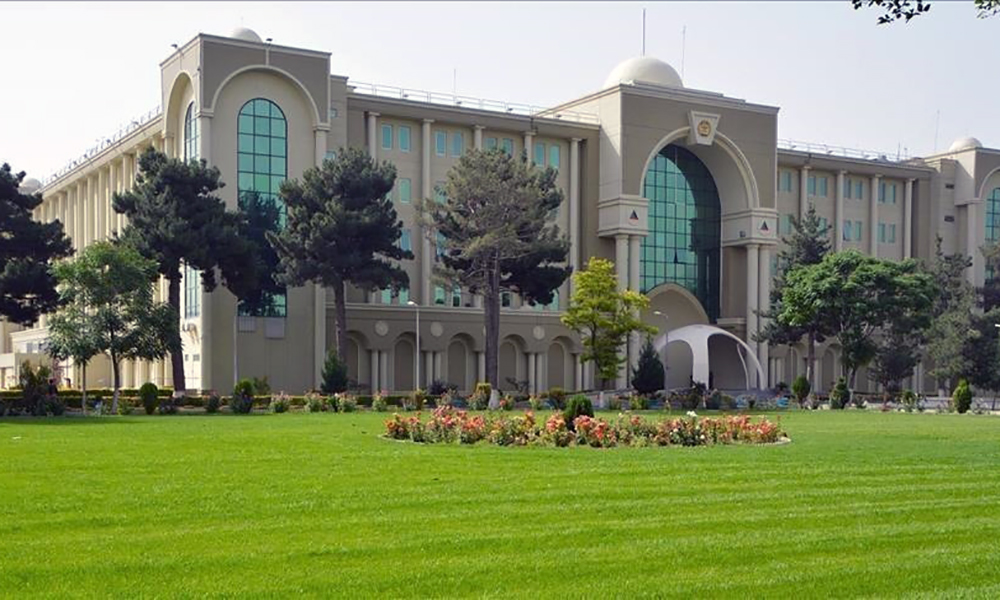
Afghanistan’s Ministry of National Defense has announced that the country’s air force carried out an attack today (Sunday) on a military camp in Wana, the main town of South Waziristan, in retaliation for last night’s attacks on Kandahar.
Enayatullah Khwarizmi, the spokesperson for the ministry, said that the SSG’s (Special Service Group) building and other key facilities inside the camp were targeted in the strike.
He added that a large part of the command headquarters and other facilities of this important center were destroyed, and Pakistani soldiers suffered heavy human and material losses in the attack.
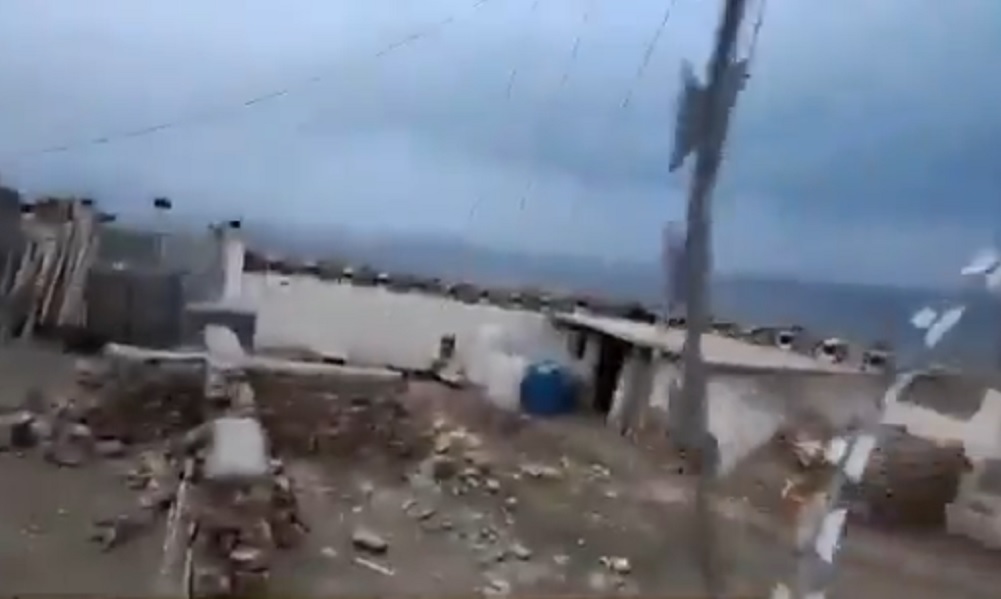
Local officials in Kandahar said a center for drug addicts was struck during recent Pakistani regime air raids in the province. Authorities confirmed that no casualties were reported in the incident.
Meanwhile, Afghanistan’s Ministry of Defense said Afghan security forces carried out retaliatory operations following the latest Pakistani airstrikes.
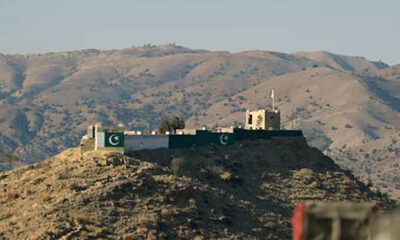
According to Sadeequllah Nasrat, Deputy Spokesperson for Strategic Communications and Information at the Ministry of Defense, Afghan defensive forces captured a Pakistani military position known as the “Janda Post” in Zazi Maidan district of Khost province along the Durand Line during the night.
Nasrat said the operation was part of ongoing retaliatory actions under the campaign known as “Rad al-Zulm,” describing it as a defensive response to what he called Pakistani aggression.
He also released a video showing Afghan forces taking control of the military post.
The developments come amid rising tensions between Afghanistan and Pakistan following a series of cross strikes that have drawn criticism from regional figures and increased concerns over further escalation.
Latest News
China offers to mediate between Kabul and Islamabad
China’s special envoy for Afghanistan is actively shuttling between Kabul and Islamabad to encourage dialogue and reconciliation.
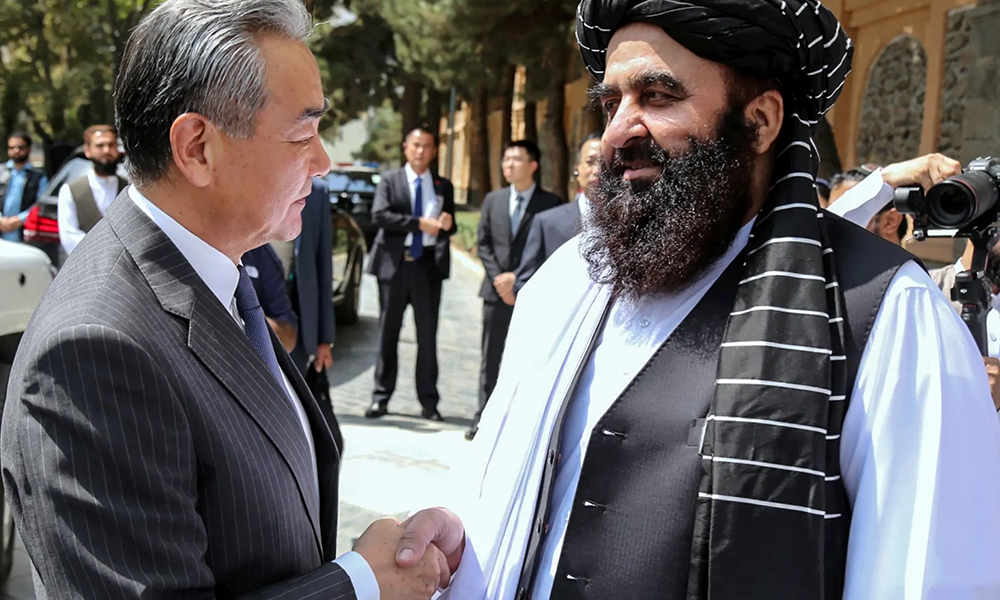
Amid rising tensions between Afghanistan and Pakistan, China has stepped forward to mediate and prevent further escalation of the conflict.
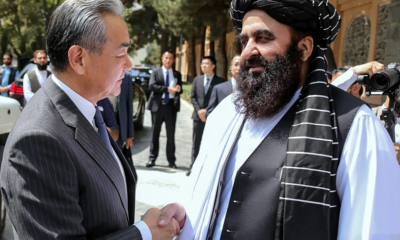
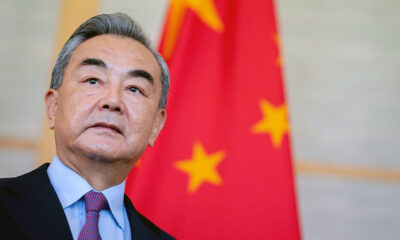
The Chinese Ministry of Foreign Affairs said that Foreign Minister Wang Yi expressed Beijing’s readiness to assist in resolving the tensions during a phone call with Amir Khan Muttaqi, Afghanistan’s Foreign Minister.
China’s special envoy for Afghanistan is actively shuttling between Kabul and Islamabad to encourage dialogue and reconciliation.
The ministry’s statement emphasized: “China hopes both sides maintain calm, conduct face-to-face talks as soon as possible, establish a ceasefire, and resolve disputes through dialogue.”
Analysts, however, caution that while the mediation may help reduce short-term tensions, the conflict may persist unless Pakistan’s policy toward Afghanistan changes.
The Islamic Emirate has reiterated that it seeks no conflict with neighbors but reserves the right to defend Afghanistan’s territory.


Tahawol: China’s efforts for Afghanistan-Pakistan talks

Saar: UNSC’s upcoming vote on UNAMA mandate

IPL 2026 kicks off in under two weeks; Afghan players set to shine

Afghan airstrike targets a military camp in South Waziristan

Pakistan targeting civilian sites as Afghan forces capture military post in Khost

Pakistani military jet downed in Afghanistan’s Jalalabad, pilot captured alive

Afghan Air Force conducts airstrikes in Islamabad, other cities

IEA releases three Pakistani soldiers to mark Ramadan

Afghanistan’s Chief of Armed Forces underscores readiness and equipment for national defense

Afghanistan welcomes investment and technology partnerships with India
Tahawol: China’s efforts for Afghanistan-Pakistan talks
Saar: UNSC’s upcoming vote on UNAMA mandate

Tahawol: Afghan, Chinese FMs’ phone talks discussed

Saar: UN meeting on UNAMA mission in Afghanistan discussed

Exclusive interview with Stephen Rodriguez, UN Development Programme Representative in Afghanistan
-
 Latest News2 days ago
Afghan airstrikes target Pakistani military sites in retaliation for air attacks
-

 Sport5 days ago
Afghanistan’s white-ball series against Sri Lanka postponed
-
 Latest News3 days ago
IEA condemns Pakistan’s airstrikes in several Afghan provinces
-
 Sport3 days ago
Afghanistan’s national buzkashi team set to compete in Kazakhstan
-

 Business5 days ago
Uzbekistan ratifies preferential trade agreement with Afghanistan
-
 Latest News1 day ago
14 Pakistani soldiers killed after military post falls along Durand line: MoD
-
 Latest News4 days ago
China urges de-escalation in Iran crisis and Afghanistan–Pakistan tensions
-
 Latest News4 days ago
China to build nine border facilities along Tajik-Afghan frontier: report