
Latest News
Abdullah Abdullah to take oath of office: Stability and Convergence

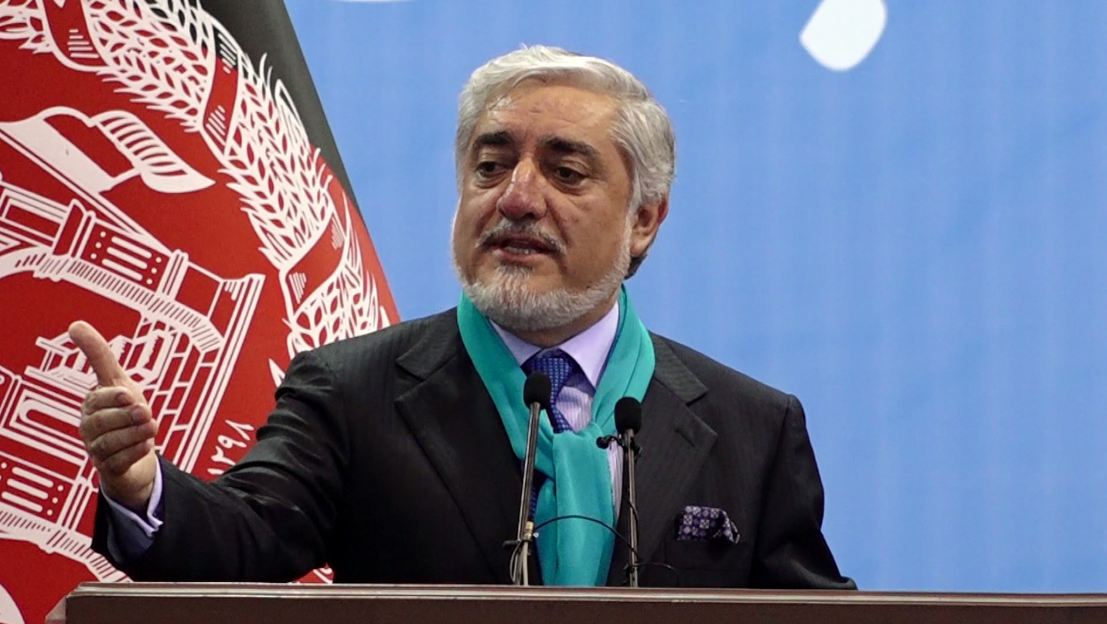
 A source close to Chief Executive Abdullah Abdullah told Ariana News that Abdullah had formed a commission to administrate the ceremony where he would take the oath of the office as the president of the inclusive government.
Abdullah announced the inclusive government after the Independent Election Commission declared Mohammad Ashraf Ghani as the president of Afghanistan last week.
Fazl Ahmad Manawi, former head of Election Commission and a front-row supporter of Abdullah Abdullah said, “We have planned to hold the oath-taking ceremony after we get some work done.”
So far, the team has appointed new governors for Punshir, Sar-e Pol, Baghlan, and Jawzjan provinces.
Manawi added that once the appointment process of the provincial governors wrapped up, acting ministers would also be introduced.
These events have sparked UNAMA’s concerns. It urges all sides to prevent unilateral actions.
Meanwhile, US Special Peace Envoy Zalmay Khalilzad also met with General Dostum, Sallahuddin Rabbani and a number of Stability and Convergence team members, apparently to mediate for the deceleration of the electoral tensions.







Latest News
Afghan official says Durand Line crossings to remain closed until Islamabad accepts demands
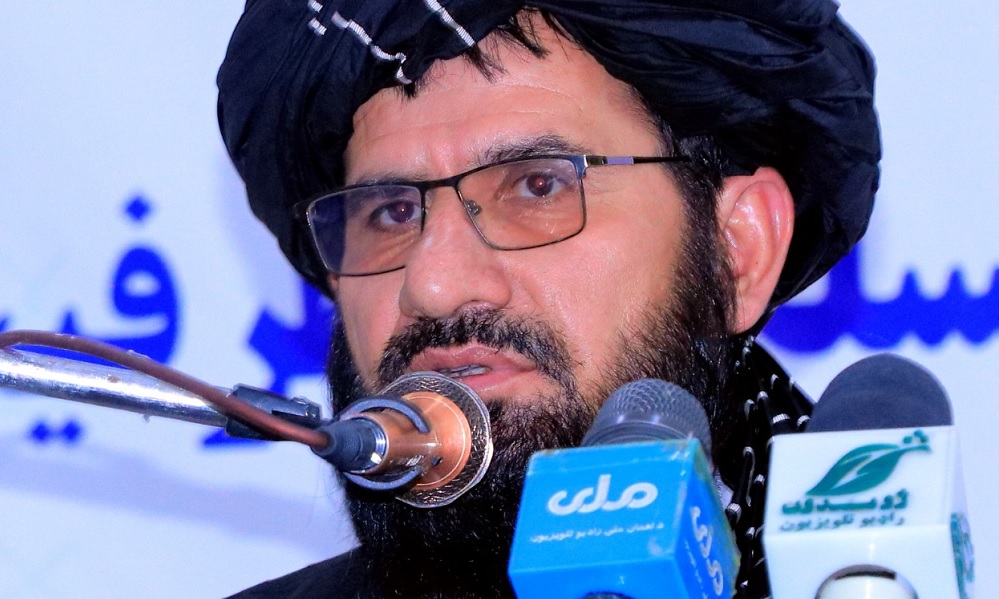
Hayatullah Muhajir Farahi, Deputy Minister for Publications Affairs at Afghanistan’s Ministry of Information and Culture, says Durand Line crossings will remain closed until Islamabad accepts the demands of the Afghan people.
Farahi made the remarks at a seminar aimed at strengthening the intellectual, ideological and professional capacities of journalists in Laghman province.
He criticized Pakistan’s military leadership, accusing it of taking “shameful actions” and being unable to tolerate the progress of the Islamic Emirate of Afghanistan (IEA).
Farahi also said the IEA does not seek war, stressing that armed conflict benefits neither side. However, he warned that the IEA would defend Afghanistan if the country came under attack and would respond at an appropriate time.
His remarks come amid tensions between Afghanistan and Pakistan, with airstrikes continuing to affect relations between the two neighboring countries.
Latest News
Guterres proposes 60 job cuts at UNAMA
Guterres also proposed an additional $3.2 million for the Independent Investigative Mechanism for Afghanistan, following its initial establishment phase in 2026.
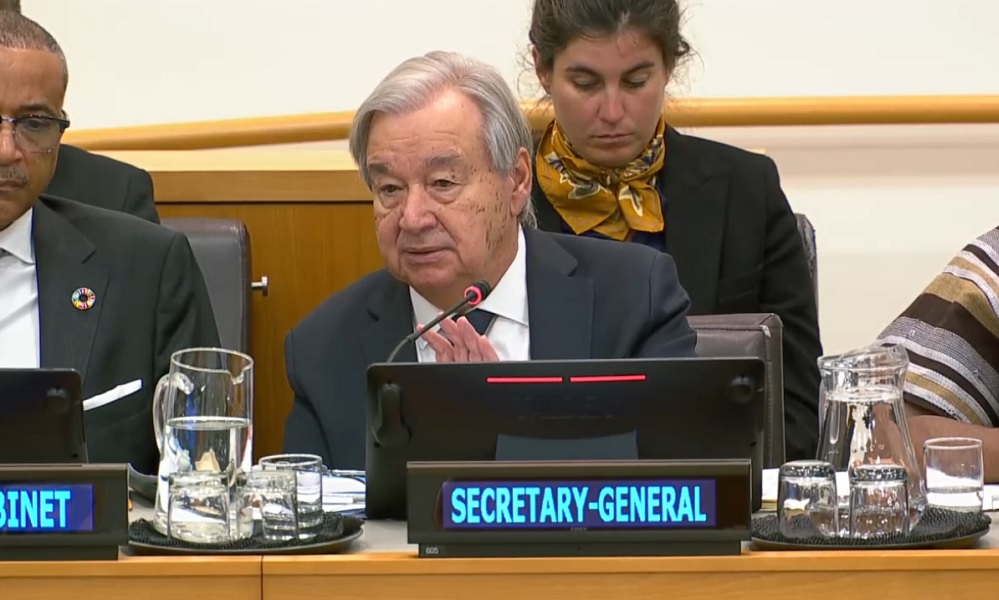
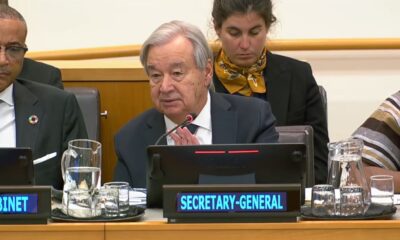
UN Secretary-General António Guterres has proposed reducing 60 posts at the United Nations Assistance Mission in Afghanistan (UNAMA) while allocating an additional $3.2 million to the Independent Investigative Mechanism for Afghanistan under the UN’s proposed 2027 programme budget.
Presenting the proposed budget to the General Assembly’s Fifth Committee, Guterres said the post reductions were part of broader adjustments to the UN’s special political missions and wider efforts to improve efficiency and align resources with the organization’s mandates.
The proposed budget includes a net reduction of seven posts across the relevant budget areas, following 116 post reductions, partly offset by the creation of 84 new posts and the conversion of 25 others. Of the proposed cuts, 60 posts are at UNAMA and 44 at the UN Integrated Office in Haiti.
Guterres also proposed an additional $3.2 million for the Independent Investigative Mechanism for Afghanistan, following its initial establishment phase in 2026.
He said the additional funding would support the mechanism’s operations through further staffing and non-staff resources.
The mechanism is intended to support investigations into serious international crimes committed in Afghanistan, in line with its mandate.
The proposed UN programme budget for 2027 amounts to $3.302 billion, excluding major construction projects in Nairobi and Geneva. Including those projects, the total rises to $3.408 billion, representing a reduction of about 1.2 percent, or $40.8 million, compared with the approved 2026 budget.
Guterres said the budget reflects the UN’s ongoing reform efforts to improve efficiency, strengthen accountability and ensure that resources are directed towards delivering its mandated programmes.
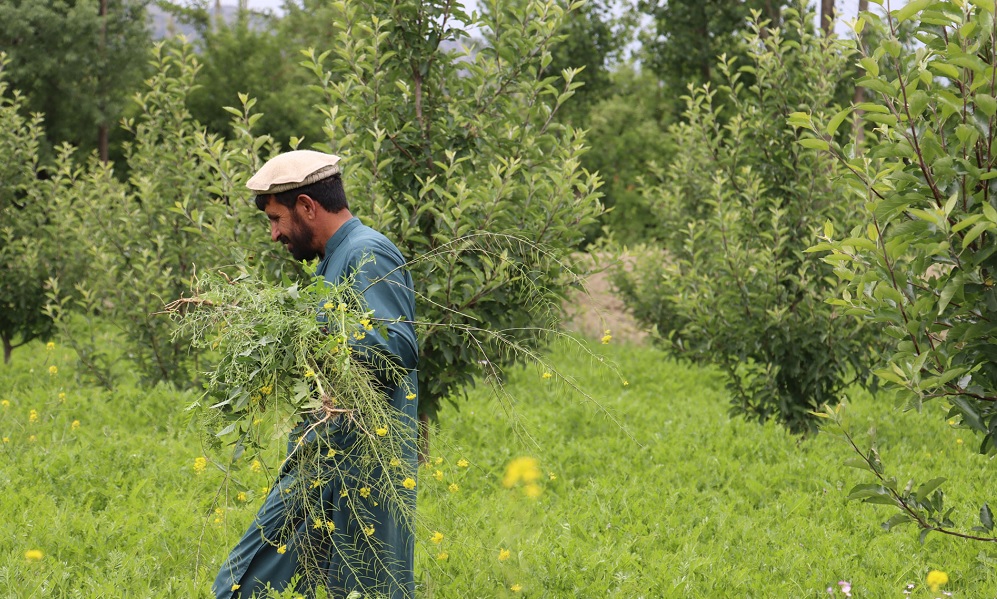
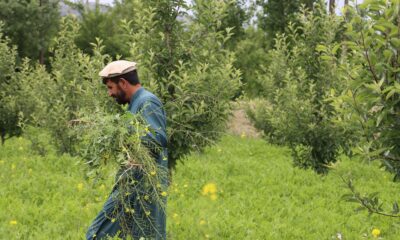
Farmers across Afghanistan are adopting innovative farming methods to conserve water, reduce post-harvest losses and increase household incomes, the Food and Agriculture Organization of the United Nations (FAO) says.
Ahead of World Food Day 2026, observed under the theme “Innovate today. Nourish tomorrow,” the FAO highlighted six initiatives helping communities address agricultural challenges, from water scarcity to food preservation.
In Kunduz, laser land-levelling technology is helping farmers improve irrigation and distribute water and fertilizer more evenly. Since 2025, the FAO has provided irrigation associations with shared access to the equipment and training, benefiting more than 23,000 farming families.
In Faryab, mushroom cultivation is creating income opportunities for women in water-scarce communities. One grower produces up to 40 kilograms a month, earning around 8,000 Afghanis from local sales. FAO-supported training and equipment are helping women expand production and access local markets.
In Paktia, farmers are combining fruit trees with alfalfa cultivation, providing livestock feed while orchards mature. The approach diversifies production, while soil and water conservation practices help protect farmland.
In Takhar, solar dryers are helping women preserve vegetables and fruit for winter consumption and sale. According to the FAO, households using the dryers reduced average post-harvest losses from about 26 percent to seven percent, while around one-quarter sold some of their dried produce.
In Bamyan, solar cookers are reducing reliance on firewood and shrubs, easing pressure on rangelands affected by drought and grazing. The initiative complements community efforts to restore vegetation and rehabilitate degraded land.
In Herat, naturally ventilated raisin-making houses are improving grape preservation and product quality. The FAO reports that drying time has fallen from around 30 days to 15 days, while post-harvest losses have dropped from 40–50 percent to 10–15 percent.
The organization has also supported storage facilities that preserve onions, apples and potatoes without powered refrigeration.


Afghan official says Durand Line crossings to remain closed until Islamabad accepts demands

Yemen hospitals overwhelmed by surge in war casualties, Red Cross warns

Afghan futsal coach: Brazil tournament is first step towards new goals and World Cup

Guterres proposes 60 job cuts at UNAMA

Afghan farmers adopt climate-resilient innovations to improve food security

Cricket Bonanza: Afghanistan set for packed international schedule

New warnings reignite debate over AI threat to humanity

UN warns of mounting humanitarian and human rights pressures in Afghanistan

Afghanistan says 28 killed, 32 captured in Nuristan operation

CNN, MS NOW and Politico sue Trump, challenging White House ban

Tahawol: Warnings over worsening insecurity in Pakistan discussed

Saar: Concerns over potential return of US military bases to Afghanistan discussed

Tahawol: Kabul’s criticism of Islamabad’s policy toward Afghanistan

Saar: Pakistan deploying army in KP

Tahawol: EU appointing new envoy for Afghanistan
-
 Latest News4 days ago
Pakistan issues new directives for Afghan medical students and doctors
-

 Latest News4 days ago
Iranian lawmaker praises Afghanistan’s support, accuses Pakistan of ‘hypocrisy’
-

 World5 days ago
US imposes sanctions on ICC amid dispute over international prosecutions
-

 Regional3 days ago
Houthis warn airlines to avoid Saudi airports after deadly Riyadh attack
-

 Sport5 days ago
Bangladesh reach 317/8 on Day One against Afghanistan in Test match
-
 Latest News5 days ago
Kyrgyz President calls for continued regional support for Afghanistan
-
 Business4 days ago
Afghan-Austrian partnership aims to boost carpet exports to European markets
-

 Sport3 days ago
Afghanistan Champions League second half to kick off on October 16