
Latest News
A battlefield decision might be needed if Taliban shun peace: Ghani

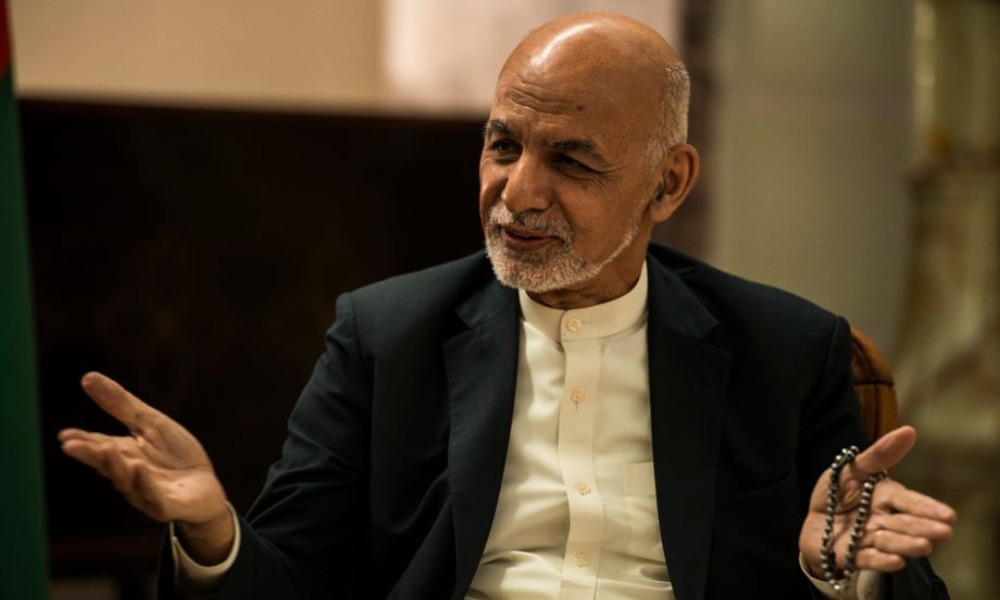
Afghan President Ashraf Ghani said on Monday if the Taliban wants peace, then it has to be peace that respects the gains of the citizens of Afghanistan and among them, first and foremost, women.
In an interview with PBS News Hour, Ghani also said if the Taliban does not want peace and wants to gain power through violence and impose a “dictatorial regime” then “all the patriotic forces of Afghanistan would have to rally and make a decision. And that issue, unfortunately, would have to be decided on the field of battle.”
In terms of foreign troops withdrawing and the possibility of increased violence, Ghani said the Afghan security forces are ready for battle. “We have been ready for months.”
He noted that the U.S. withdrawal is a strategic decision “that clarifies a lot of things.
“The war will become simpler, because their — all their allegations of international conspiracy or international desire to stay permanently, et cetera, has now come to an end. We need to work together,” he said.
He also stated that countries in the region are glad the U.S. has no intentions of staying longer.
“Consequently, we need to get together to arrive at a collective security strategy.
Despite a push by the Taliban to gain territory in provinces, Ghani said: “The Taliban are not holding.”
He said the Taliban are carrying out “sporadic attacks” that are a “destructive force”.
“Arghandab was the only district in Kandahar where they tried to hold. And now the people hate them with passion,” he said.
On peace talks, Ghani said that key to a political dialogue is that the Taliban accept that the future political system of Afghanistan is based on elections.
“That is the fundamental bottom line. Other things are discussible, negotiable. But if that fundamental issue is not granted, then the question of rights and the question of gains that have occurred in the last 20 years, particularly vis-a-vis women, youth, minorities, all walks of life, will be put into question.”
Asked whether he would step down Ghani said No. Sticking to what he has repeatedly said about only handing over power to an elected leader, he said: If there is war — no.
“If there is war, I am the commander in chief. I will not abandon my people. I will not abandon my forces. I am willing to die for my country. I have no interest in power. I’m committed to the principle of ensuring order. Afghan society wants order.”
However, he said the threat of terrorism has changed. It has not disappeared.
The terrorist networks are not just from the region, he said, adding that there are Daesh women and children from 16 different countries that Afghanistan is trying “to return”.

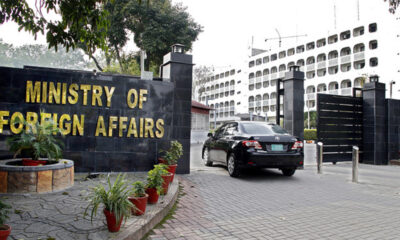



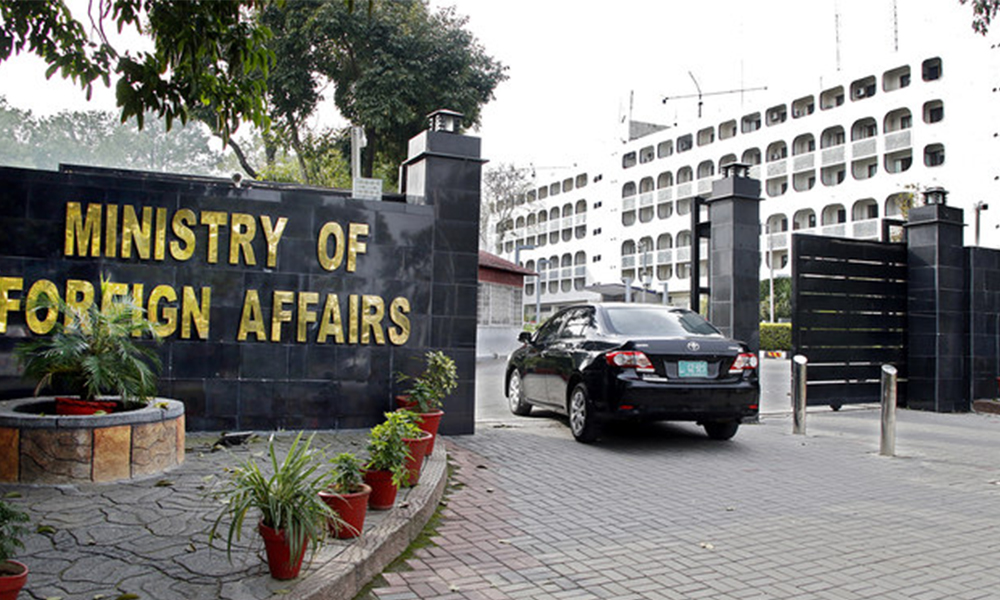
Pakistan on Friday summoned Afghan Deputy Head of Mission in Islamabad to convey “strong demarche” over a deadly attack on a military camp in North Waziristan District that killed four Pakistani soldiers.
In a statement, Pakistan’s Ministry of Foreign Affairs said the attack was carried out by a faction of Tehreek-i-Taliban Pakistan (TTP).
The statement said that Pakistan conveyed “grave concern over the continued support and facilitation” provided by the Islamic Emirate to TTP.
Pakistan has demanded “a full investigation and decisive action against the perpetrators and facilitators of the terrorist attacks launched against Pakistan from Afghan soil.”
It urged the Islamic Emirate “to take immediate, concrete and verifiable measures against all terror groups operating from its territory, including their leadership, and deny the continued use of Afghan soil for terrorism against Pakistan.
According to the statement, the Islamic Emirate has been “categorically informed that Pakistan reserves the right to defend its sovereignty and protect its citizens, and will take all necessary measures to respond to terrorism originating from Afghan soil.”
Pakistani officials have repeatedly claimed that attacks in the country are originated from Afghan soil, a charge the Islamic Emirate denies.
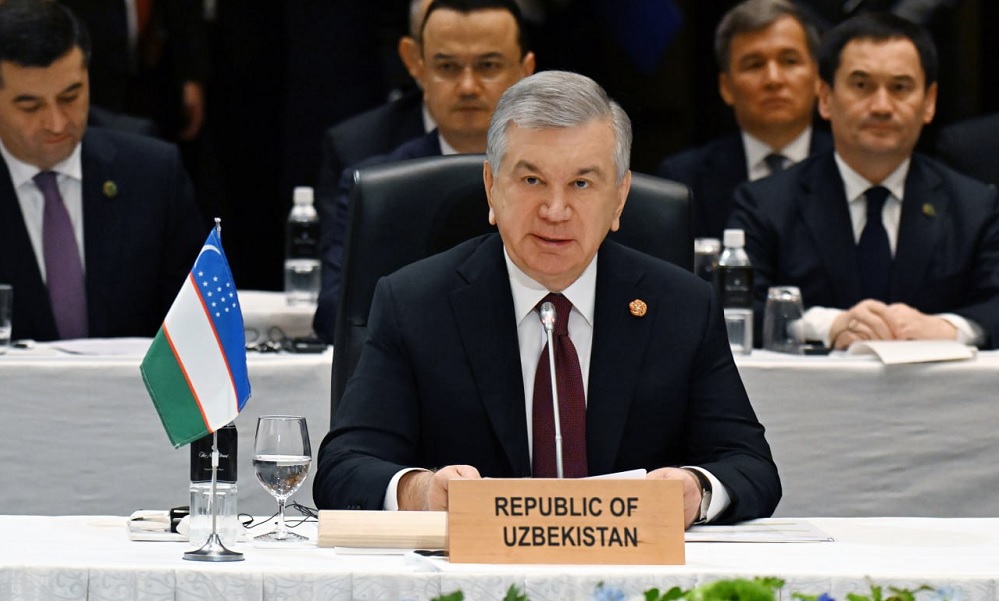
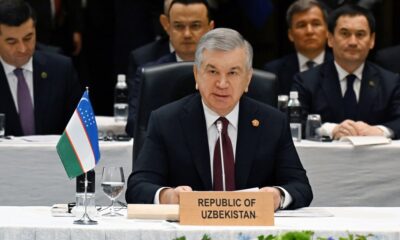
President of Uzbekistan Shavkat Mirziyoyev has underscored Afghanistan’s continued importance in regional cooperation, saying the country remains one of the key areas of interaction among regional partners.
Addressing the first summit of the “Central Asia Plus Japan” dialogue, Mirziyoyev said participating countries share a common aspiration to see Afghanistan become peaceful, stable, and oriented toward meaningful development.
The Uzbek president praised Japan’s longstanding and consistent support for Afghanistan, noting that Tokyo has for many years been among the leading donors and partners assisting the Afghan people.
He expressed confidence that coordinated efforts and joint contributions by regional countries and Japan would help improve living standards in Afghanistan, advance socio-economic and infrastructure development, and facilitate the country’s active involvement in regional economic projects.
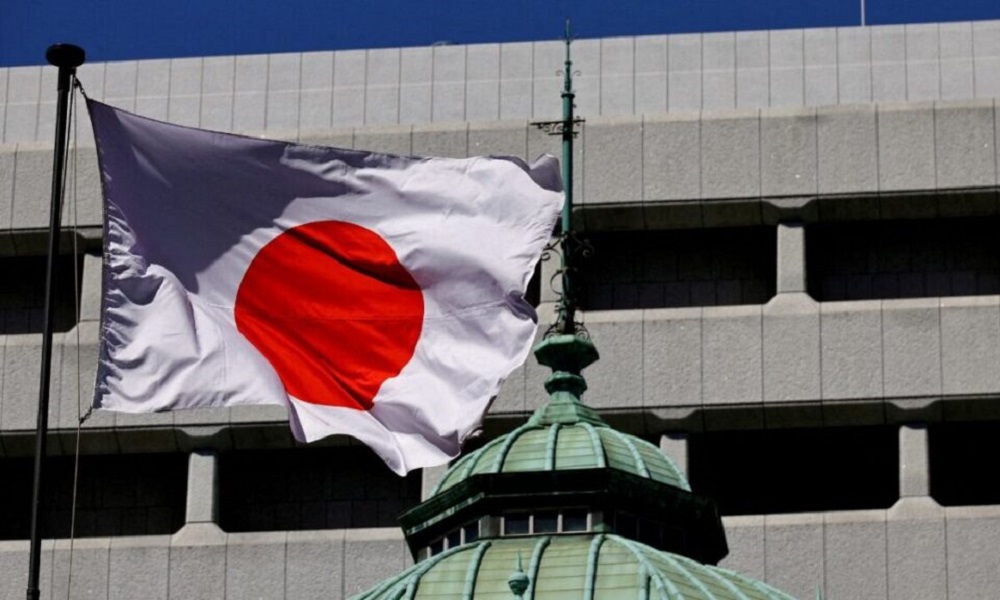
The Embassy of Japan in Afghanistan announced on Friday that the country has allocated $19.5 million in humanitarian assistance to Afghanistan.
In a statement, the Japanese Embassy said it hopes the aid will help bring positive change to the lives of vulnerable Afghans.
According to the statement, the assistance will cover the basic humanitarian needs of vulnerable communities in Afghanistan.
The embassy added that the aid will be delivered through United Nations agencies, international organizations, and Japanese non-governmental organizations operating in Afghanistan.
Japan’s total assistance to Afghanistan since August 2021 has reached more than $549 million.


Pezeshkian pledges to facilitate Iran-Afghanistan trade

Pakistan summons Afghan diplomat over deadly attack in North Waziristan

Uzbek president stresses Afghanistan’s role in regional economic projects

US hits Daesh in Syria with large retaliatory strikes, officials say

Tawsia: India’s enthusiasm for investing in Afghanistan discussed

Afghanistan U19 cricket team defeats India A U19

Afghanistan economy under pressure as Pakistan shocks reshape trade flows

Gaza death toll tops 70,000, health ministry says

India set to establish pharmaceutical factories in Afghanistan: MoIC

Afghanistan offers tax breaks, free land to attract Indian investors
Tawsia: India’s enthusiasm for investing in Afghanistan discussed

Tahawol: Global concerns over migration escalation discussed

Saar: Calls for Afghanistan’s balanced, economy-oriented foreign policy discussed

Tahawol: Discussion on regional countries’ meetings on Afghanistan

Saar: Regional efforts to address Afghanistan-Pakistan issues discussed
-
 Latest News4 days ago
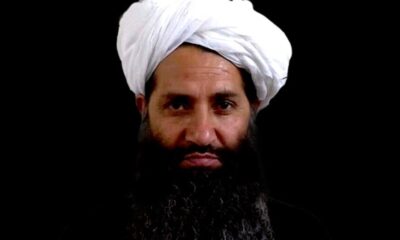
IEA supreme leader stresses enforcement of Sharia law and sincere public service
-

 International Sports5 days ago
ILT20: Desert Vipers qualify for playoffs with five-wicket win over Dubai Capitals
-

 International Sports5 days ago
ATN secures broadcast rights for four major AFC sporting events
-

 Sport4 days ago
ILT20: Sharjah Warriorz secure 11-run victory over Gulf Giants
-
 Business4 days ago
Afghanistan, India discuss expanding investment opportunities
-

 International Sports3 days ago
IPL 2026: Teams take shape after auction as franchises balance star power and depth
-
 Sport4 days ago
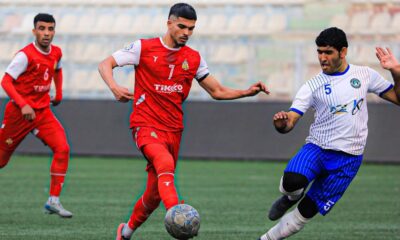
Abu Muslim Farah crowned champions of fifth season of Afghanistan Champions League
-
 International Sports3 days ago
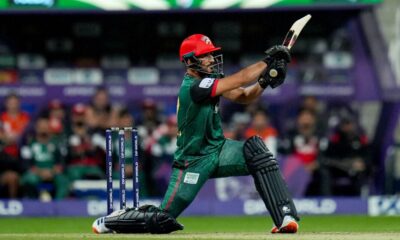
ILT20: Abu Dhabi Knight Riders end Desert Vipers’ unbeaten run in dramatic one-run win